

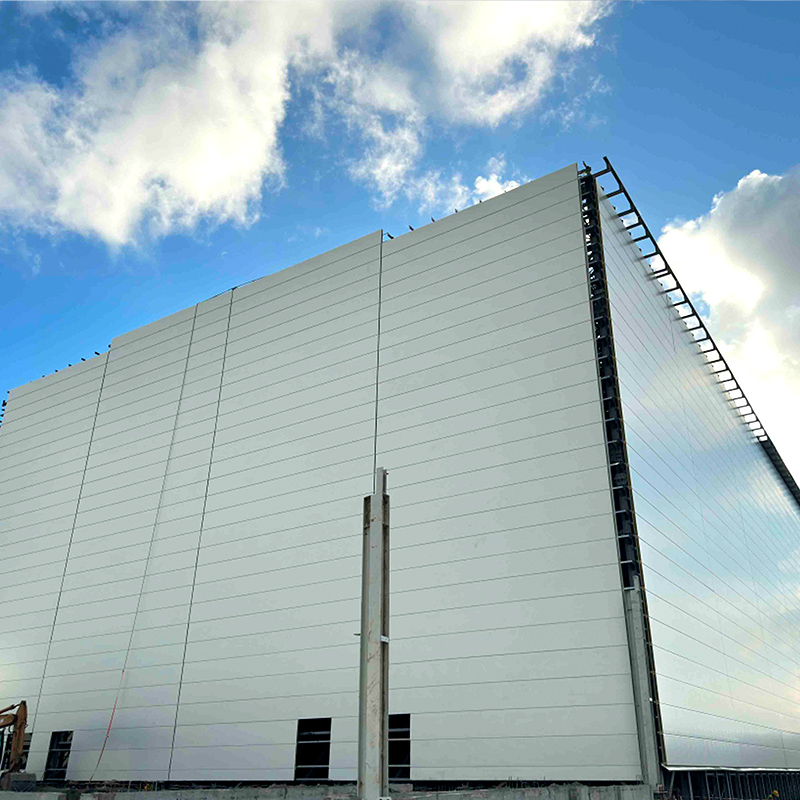
Rack Supported Warehouse | Silo Clad Rack
- HEGERLS
- Xinhe Industrial Park, Hebei, China
Product Introduction
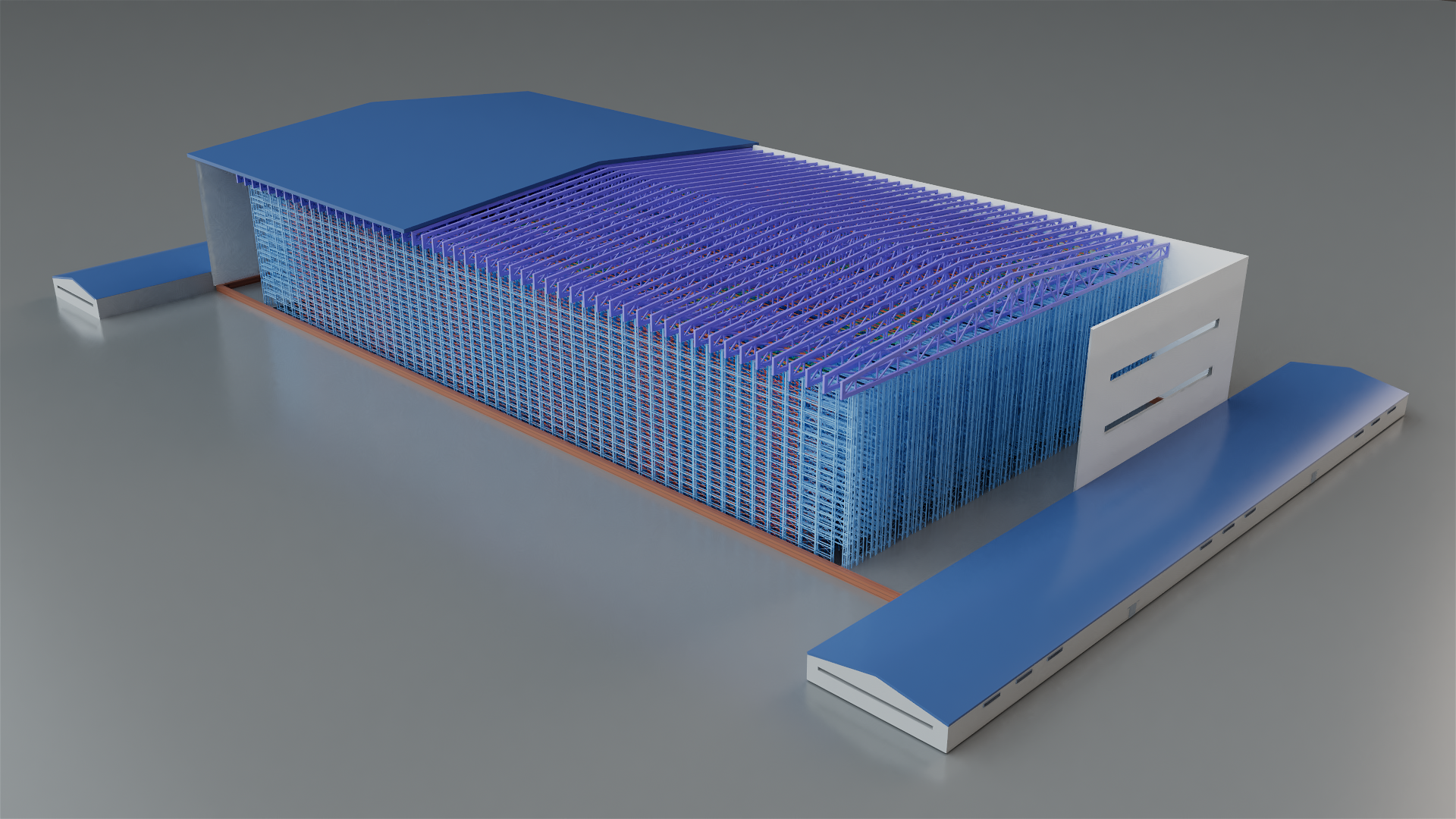
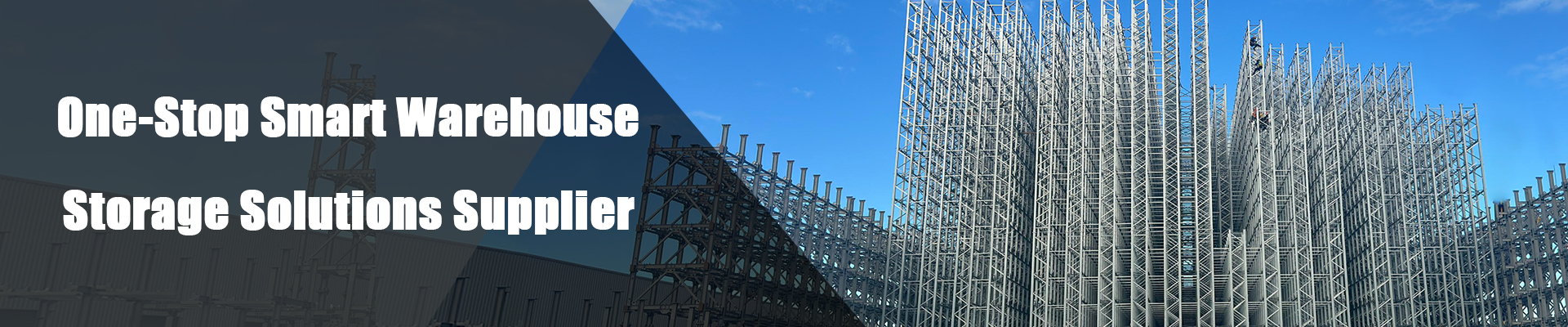
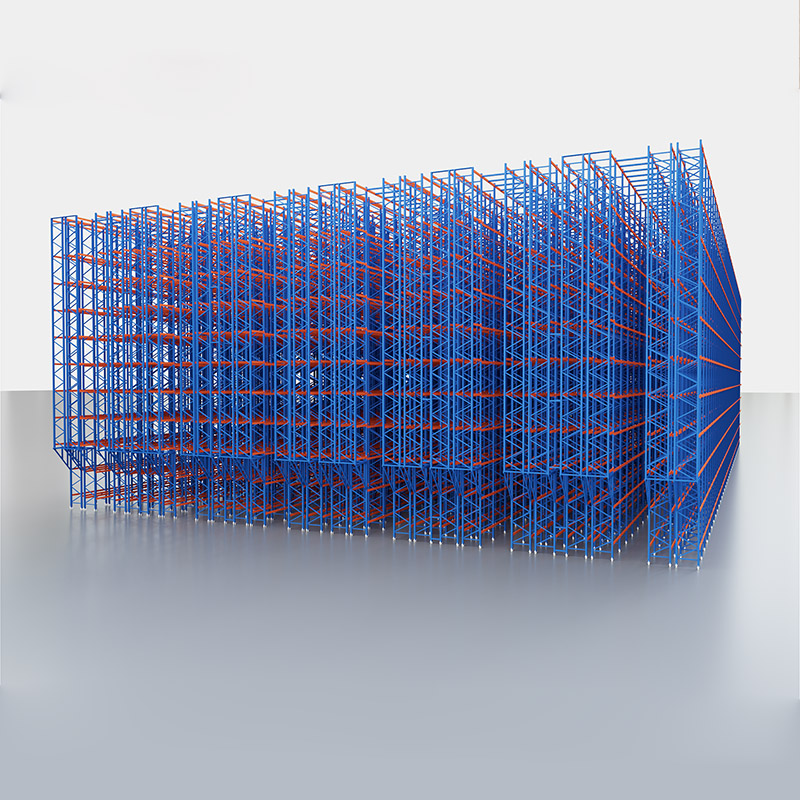
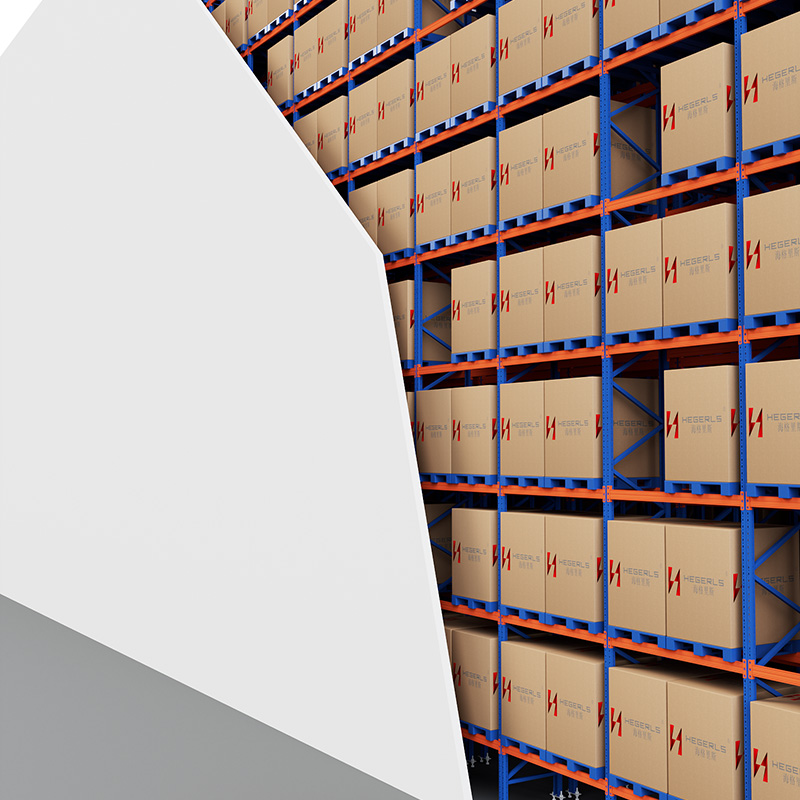
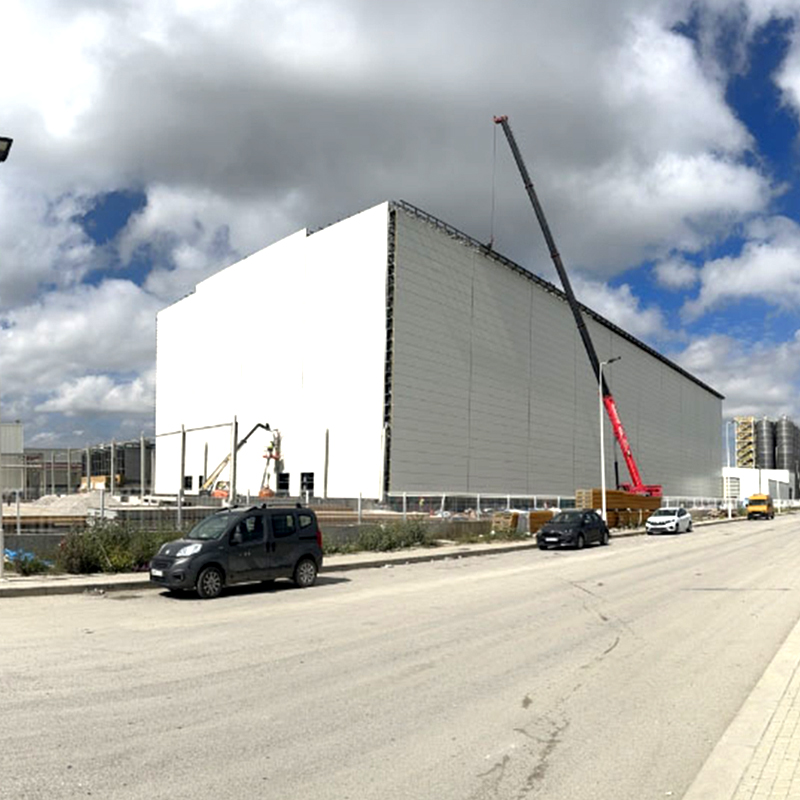
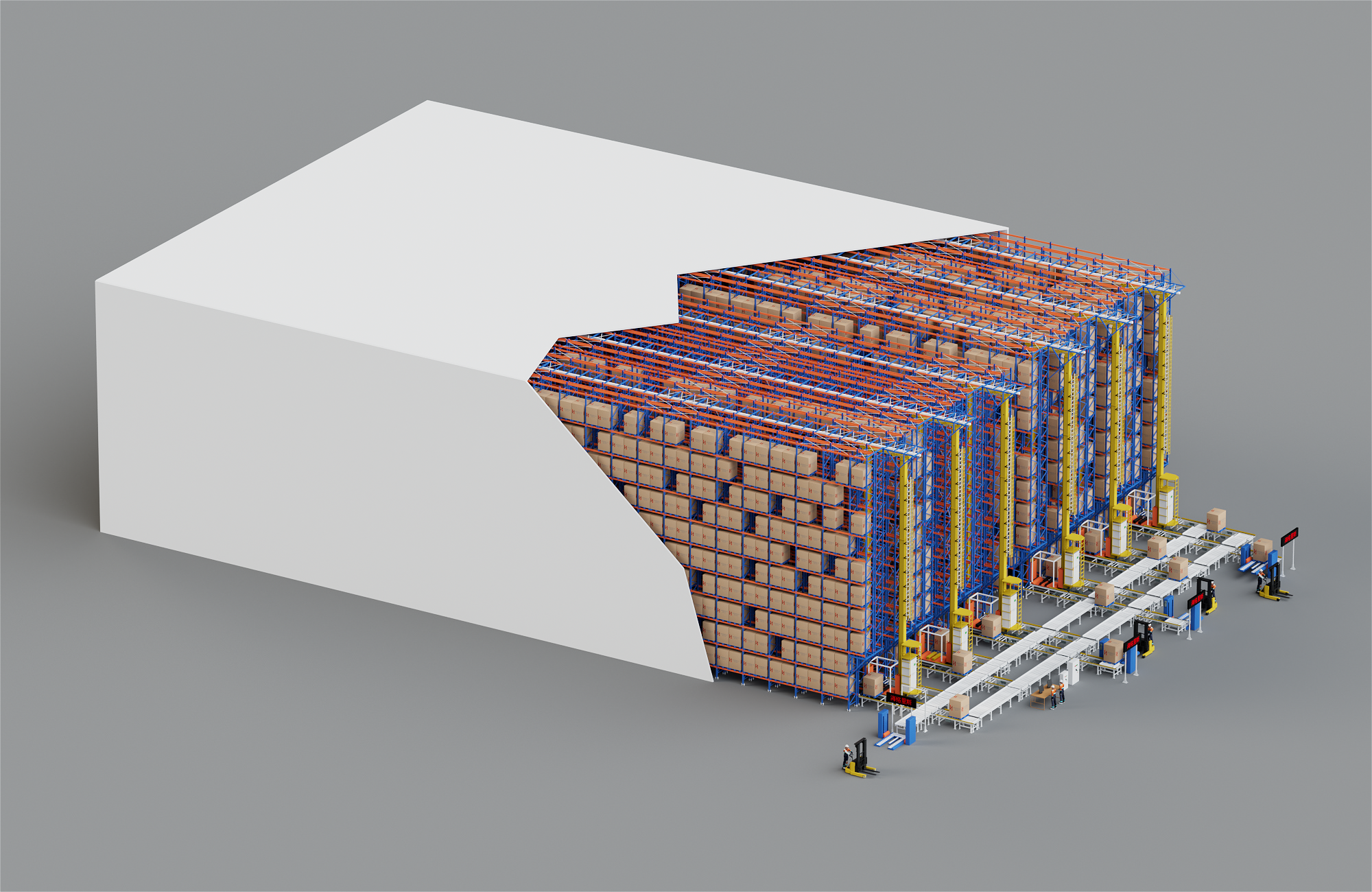
A racking supported building—also known as a rack-supported warehouse or self-supporting warehouse—is a highly efficient storage solution where the racking system itself acts as the main structural framework of the building. Instead of relying on traditional civil construction, the rack structure supports the exterior wall panels, roof cladding, and other building elements. In addition to handling external forces such as wind pressure, snow load, seismic impacts, and roof drainage, the racking system also carries the weight of the stored goods.
Compared with conventional warehouse construction, a rack-supported building requires significantly less civil engineering work, enabling faster installation, simplified assembly, and reduced overall construction cost. This makes it an ideal choice for companies seeking high-density, large-scale, and cost-effective storage solutions.
This type of warehouse maximizes vertical space, with building heights reaching up to 45 meters. It offers flexible design options and can be configured for both conventional storage and fully automated AS/RS systems.
HEGERLS provides end-to-end service, from early planning and engineering to installation and final delivery, ensuring a reliable and efficient rack-supported warehouse solution.
The Advantages Of A Rack-Supported Warehouse
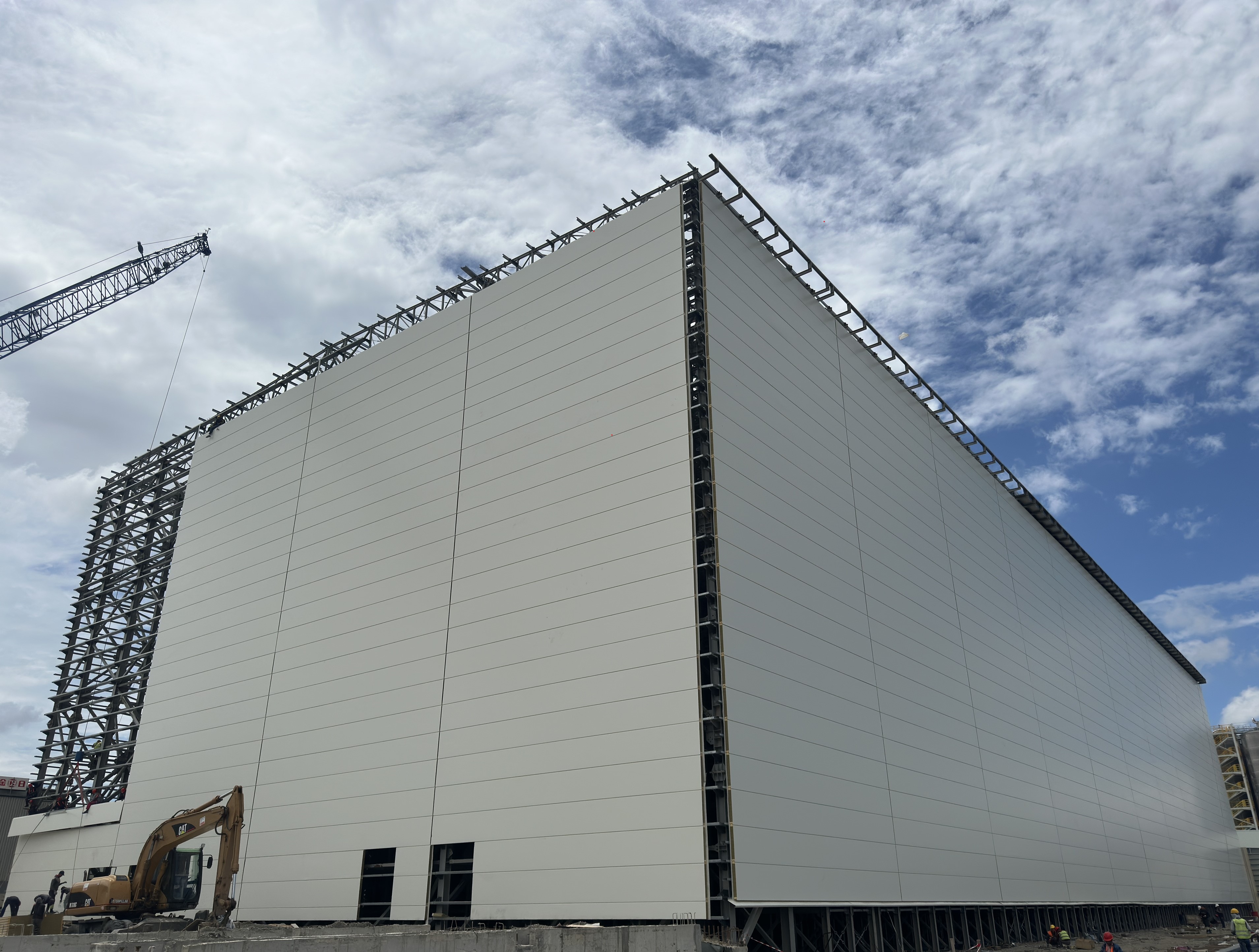
Shorter construction period: Rack-supported warehouses allow the installation of racks, exterior walls, and roofing at the same time. This parallel construction shortens the overall project timeline by up to 30% compared with traditional warehouses.
Lower construction cost: Traditional warehouses require separate building structures. In a rack-supported design, the shelves themselves serve as the main structure, reducing total construction cost by 20–30%.
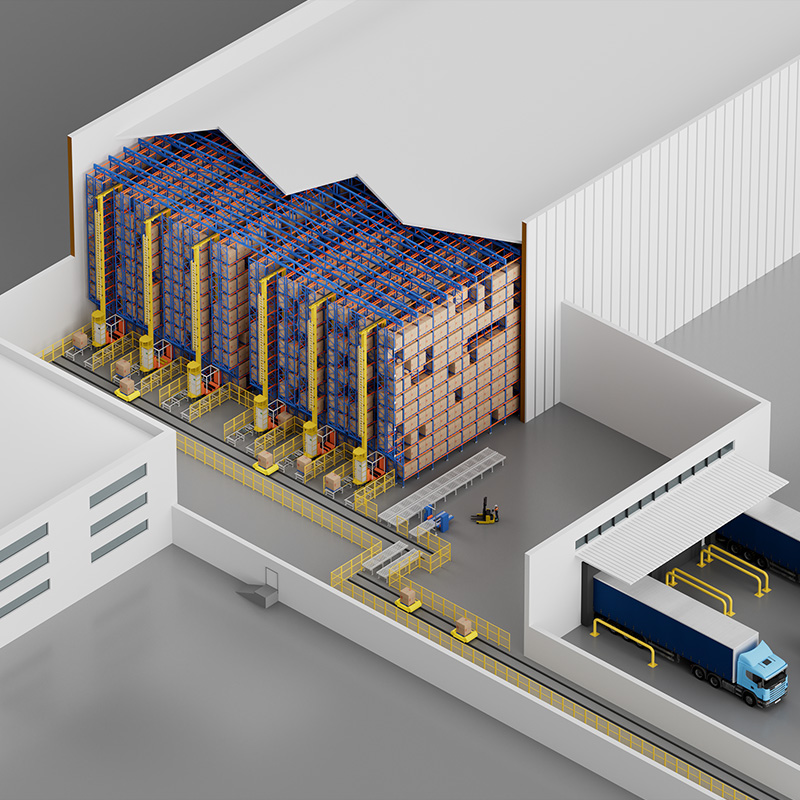
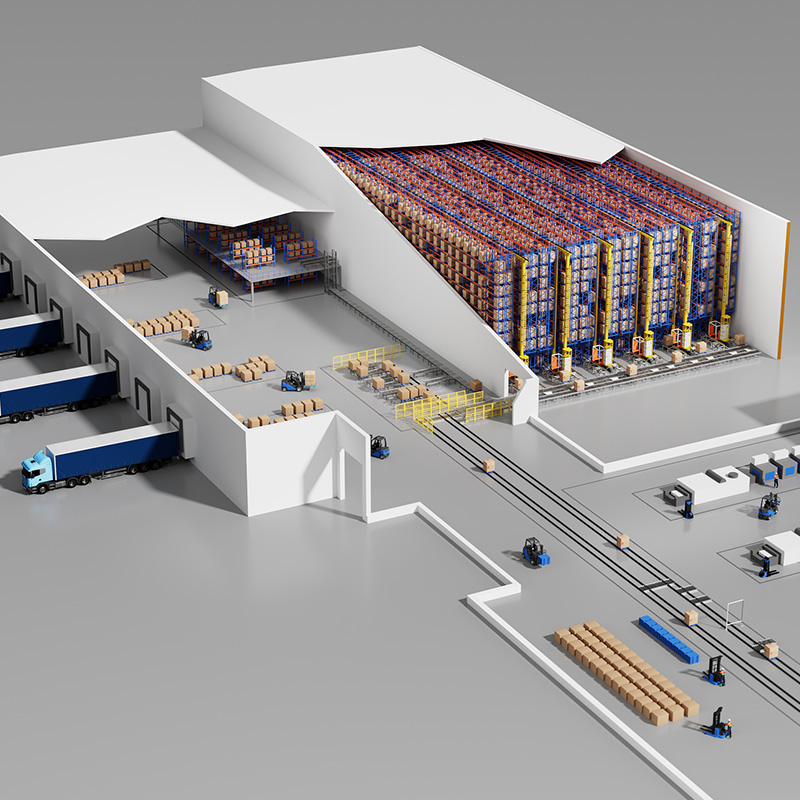
Maximized height: Clad rack warehouses fully utilize vertical space and can reach up to 45 meters, with height only limited by local regulations and equipment capabilities.
Higher storage density: Since the racks act as the primary structural framework, there are no internal steel columns. The system can be built close to the building boundary, significantly improving storage volume and density.
Automation-ready: The structure is fully compatible with modern automation systems such as stacker cranes, AGVs, and four-way shuttles, supporting smart and efficient warehousing.
Energy-saving and eco-friendly: The compact structural design reduces overall energy use—especially valuable in cold-chain applications.
Cold storage capable: Rack-supported buildings can function as refrigerated or freezer warehouses. Uniform temperatures and efficient structure can reduce energy consumption by up to 80%.
High strength and safety: With a robust steel framework, the warehouse can withstand wind, snow, rain, and seismic loads.
Detachable and reusable: Using bolted connections, the warehouse structure can be dismantled and relocated, with a high percentage of components reusable.
The Types Of Self-Supporting Racked Warehouse
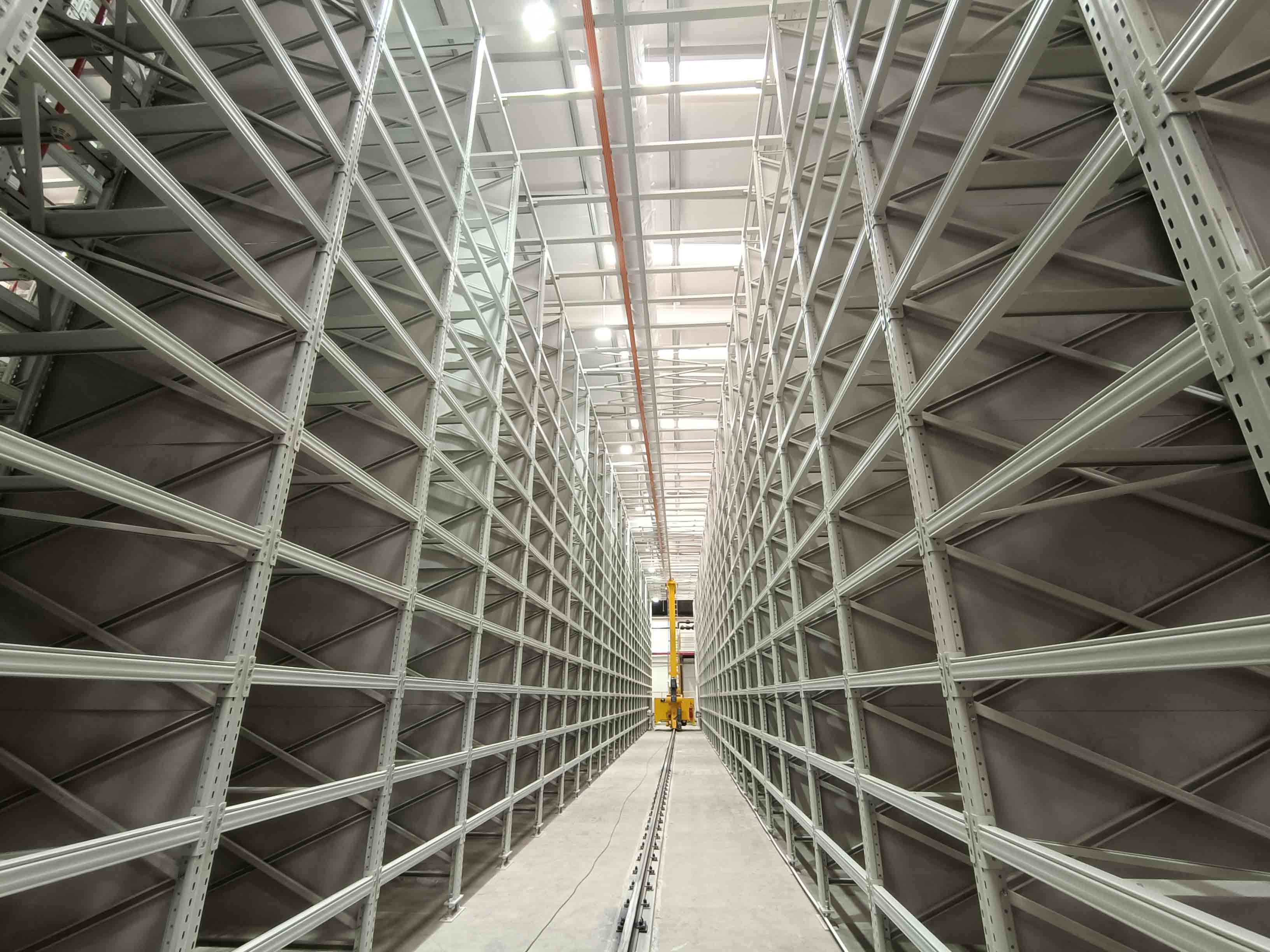
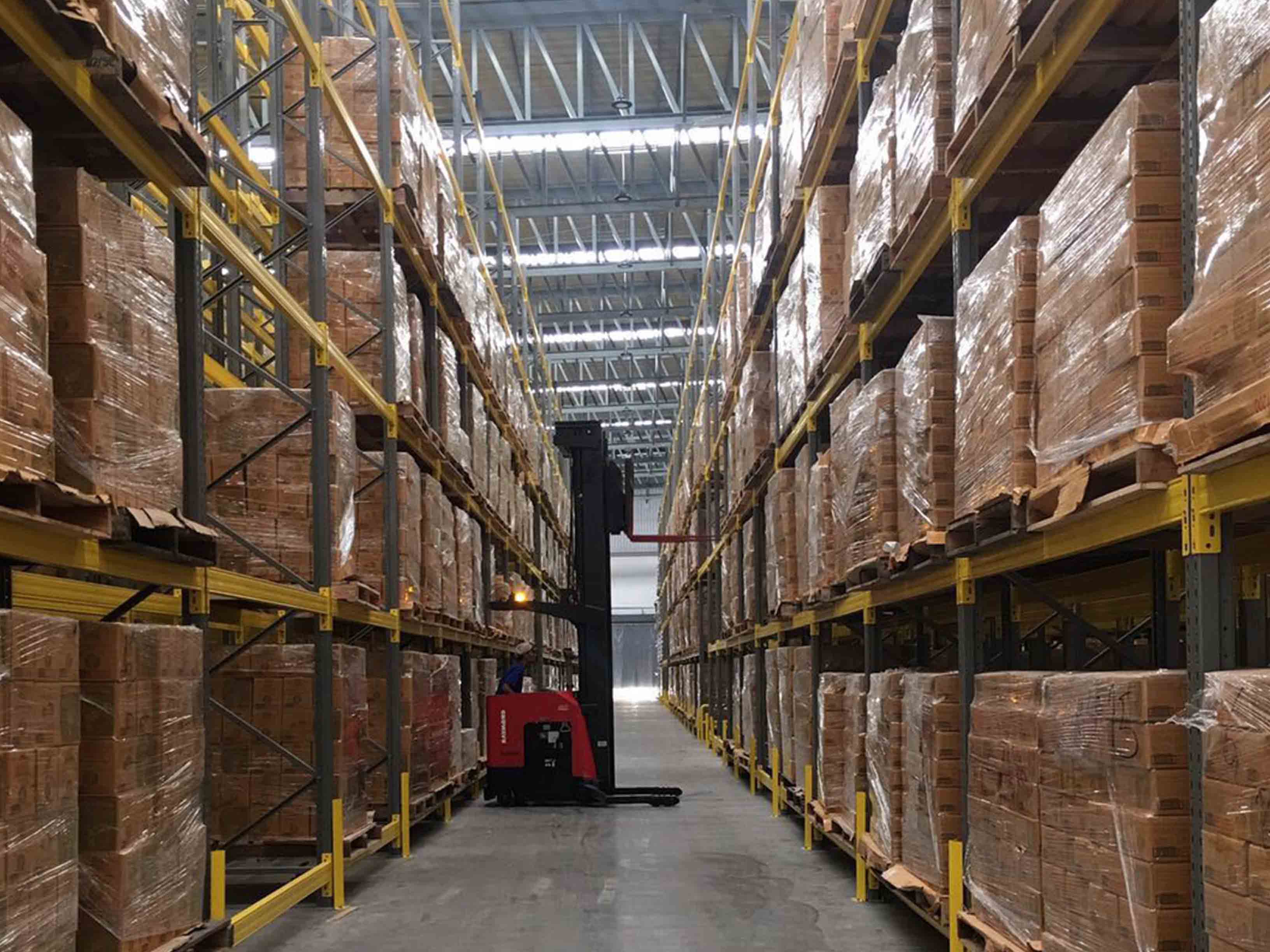
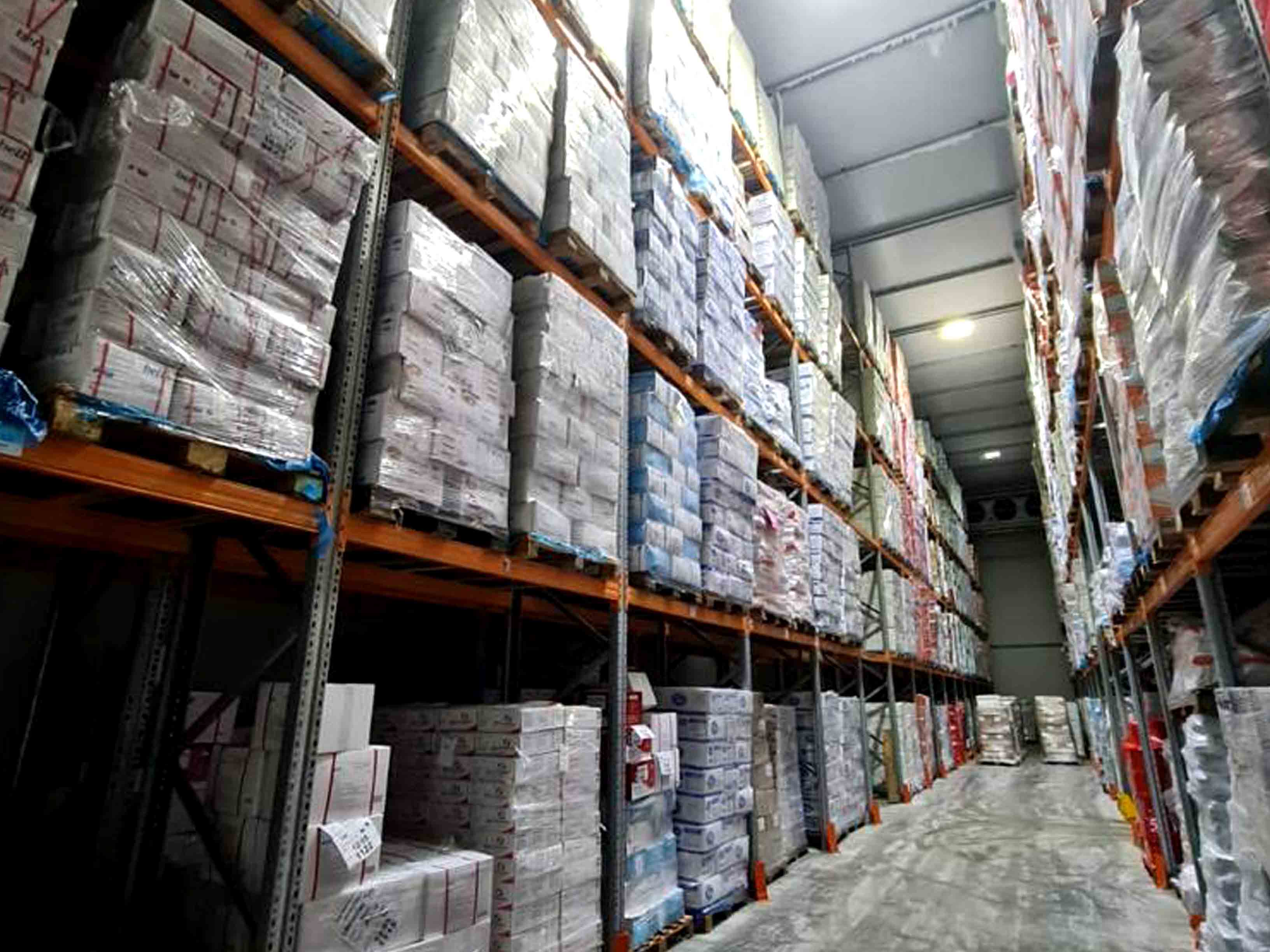
The Self-Supporting Racked Warehouse offers flexible layout options and can be customized for different product types. HEGERLS provides tailored storage solutions, from traditional racking to fully automated AS/RS systems.
Automated AS/RS / Radio Shuttle Rack-Supported Buildings
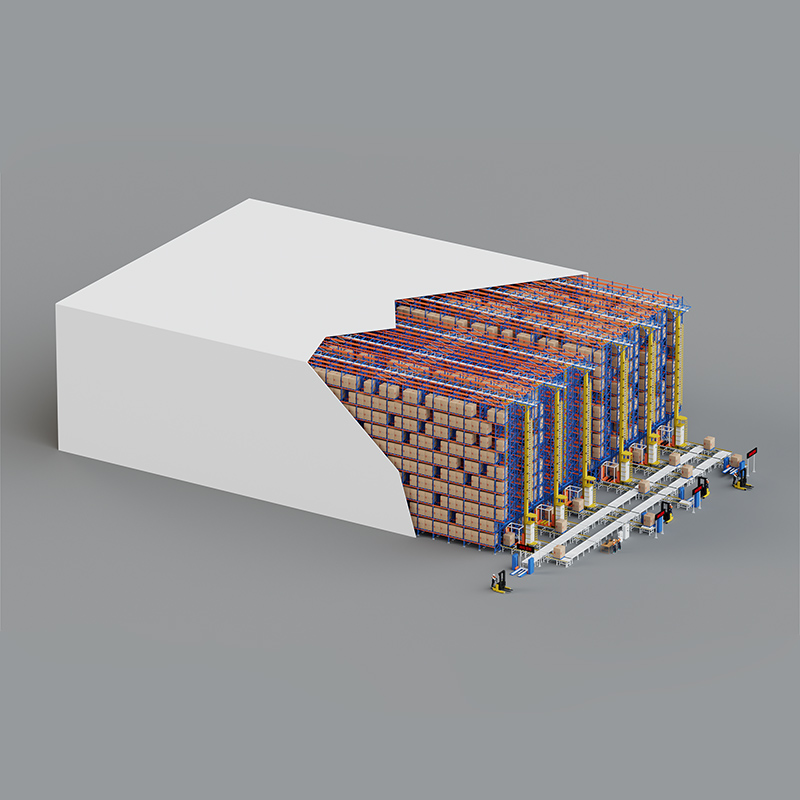
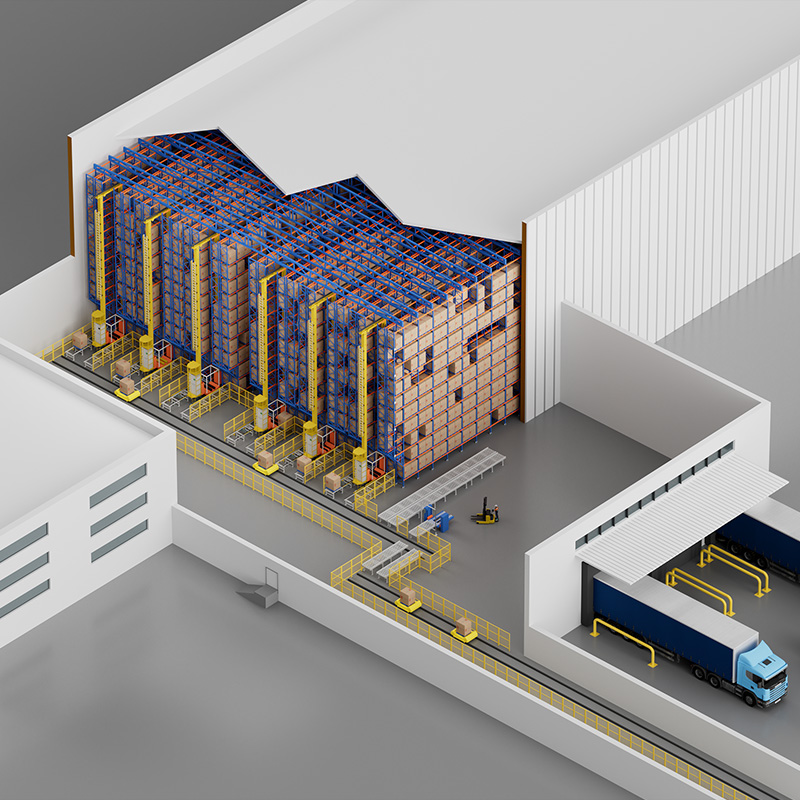
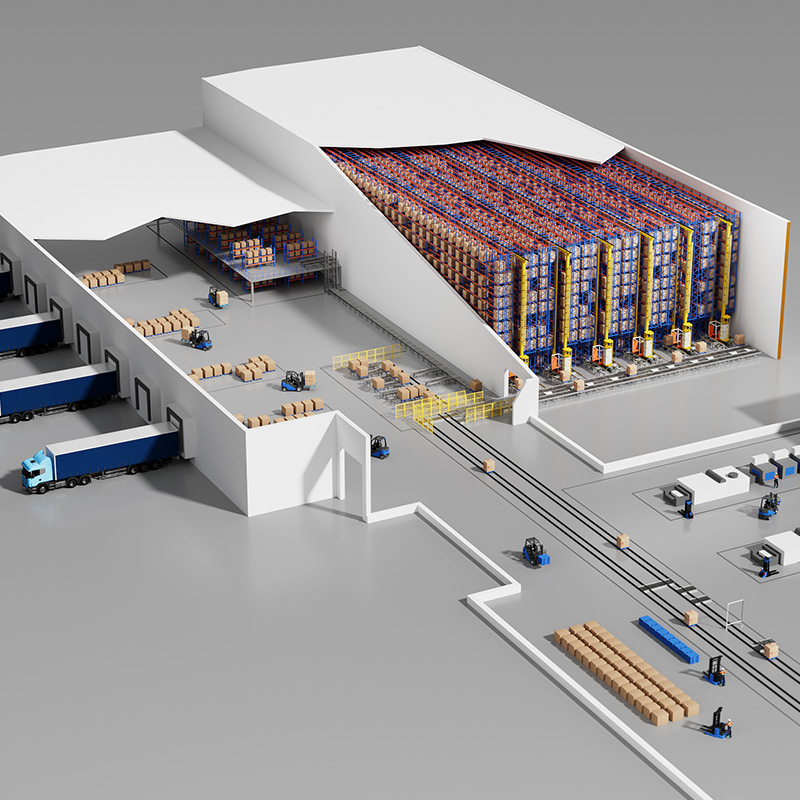
When equipped with AS/RS or radio shuttle systems, the rack-supported warehouse maximizes vertical space—reaching heights of up to 45 meters—significantly increasing storage density and operational efficiency.
Self-Supporting Racked Warehouse for Cold Storage
This Silo Clad Rack structure is ideal for cold rooms and freezer applications, supporting both manual and automated operations. It ensures stable low-temperature storage and can be designed according to each customer’s specific requirements.
Pallet Rack Self-Supporting Warehouse
For traditional forklift operations, the rack-supported warehouse can use single-deep or double-deep pallet racks, including selective, drive-in, and through-type systems. The rack height is determined by the lifting capacity of the forklift in use.
Case Pictures
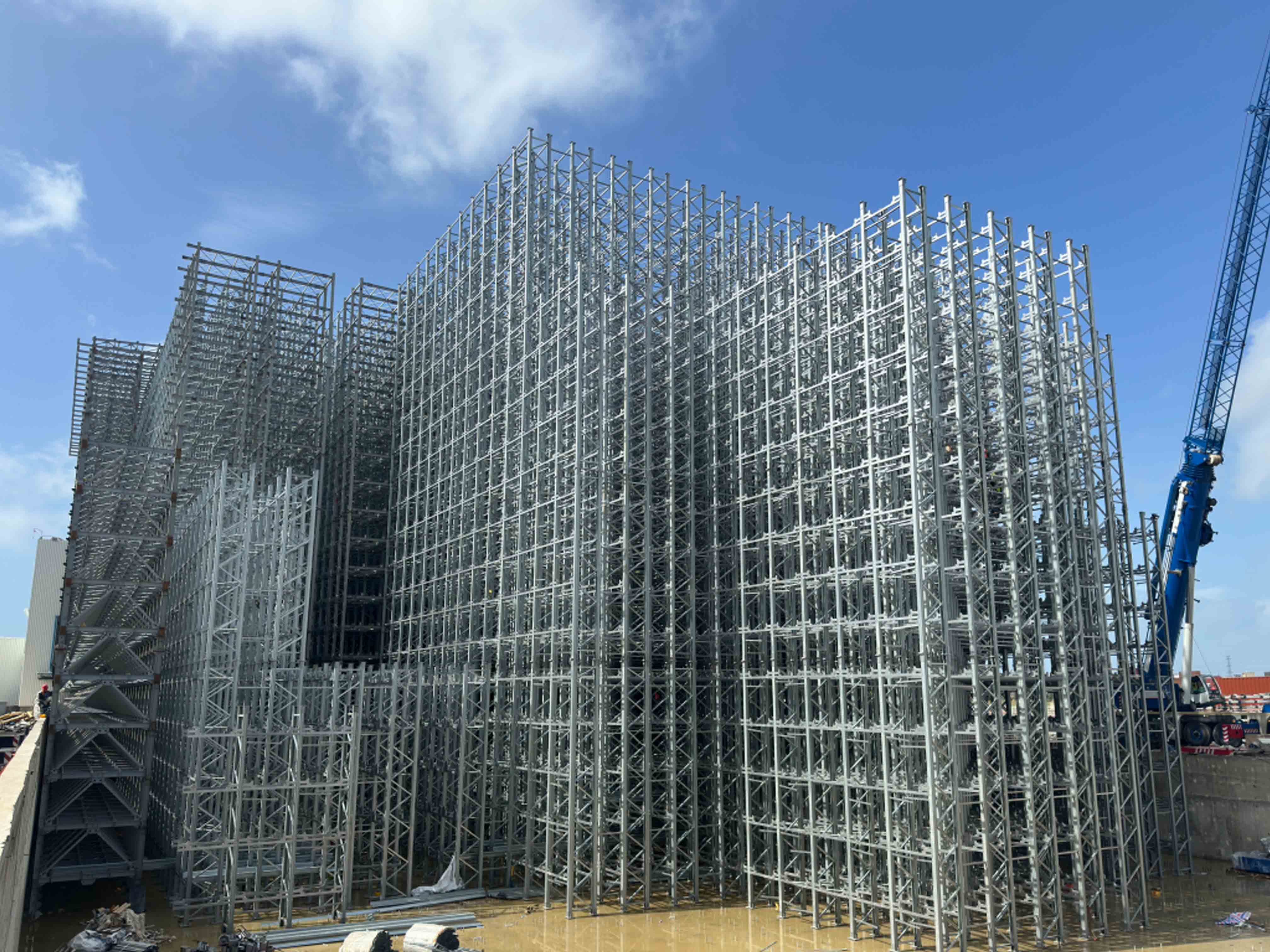
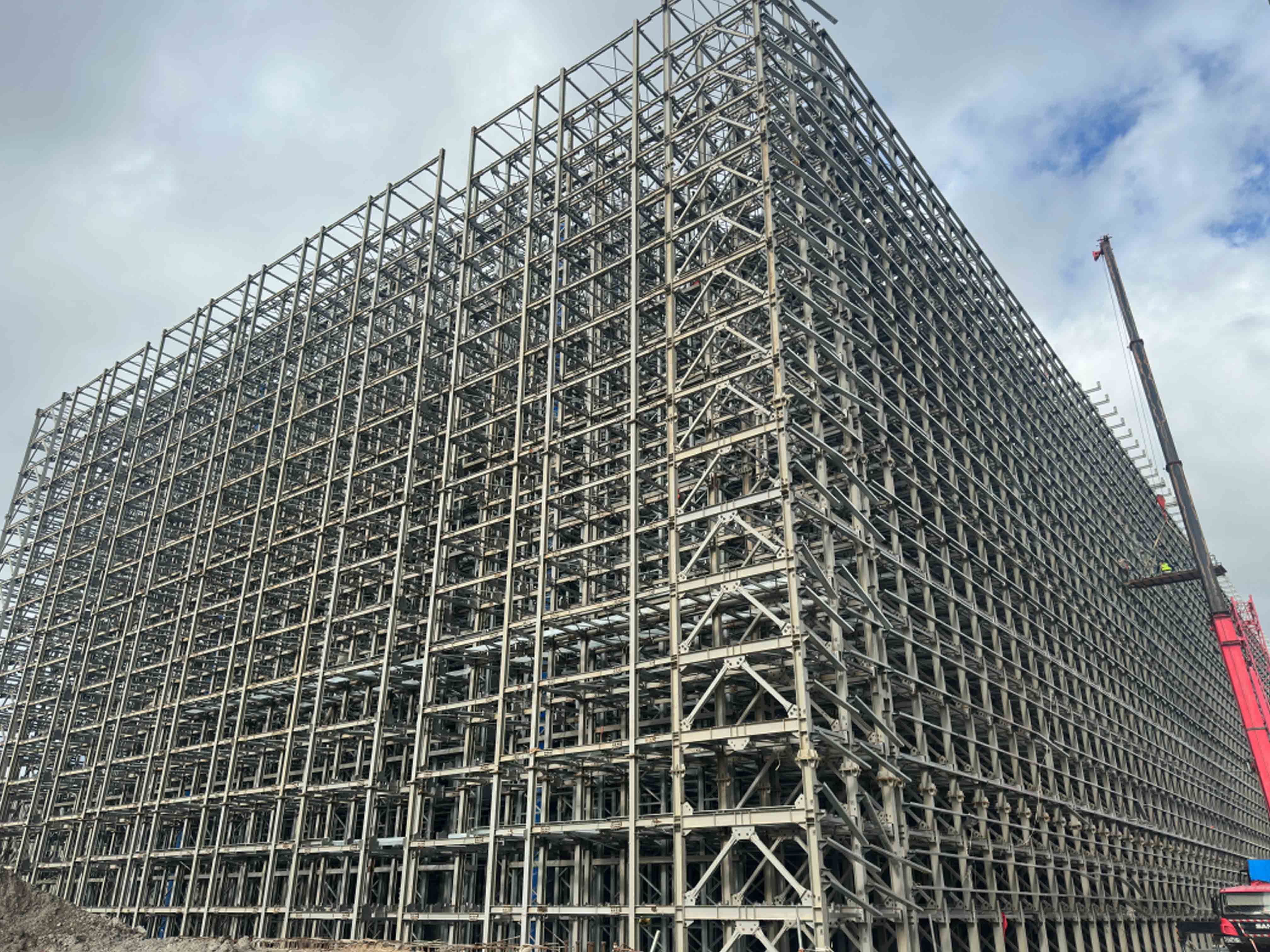
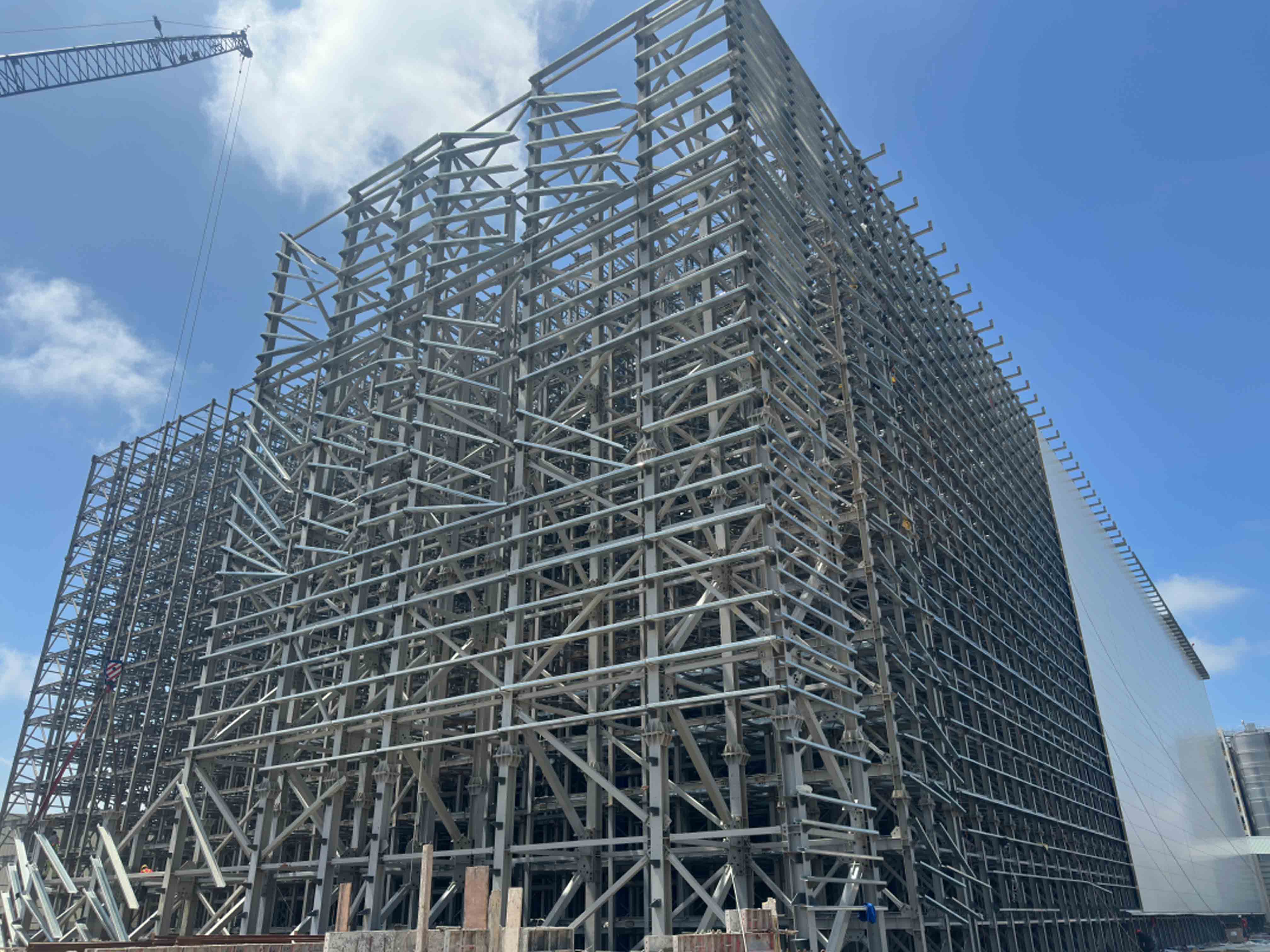
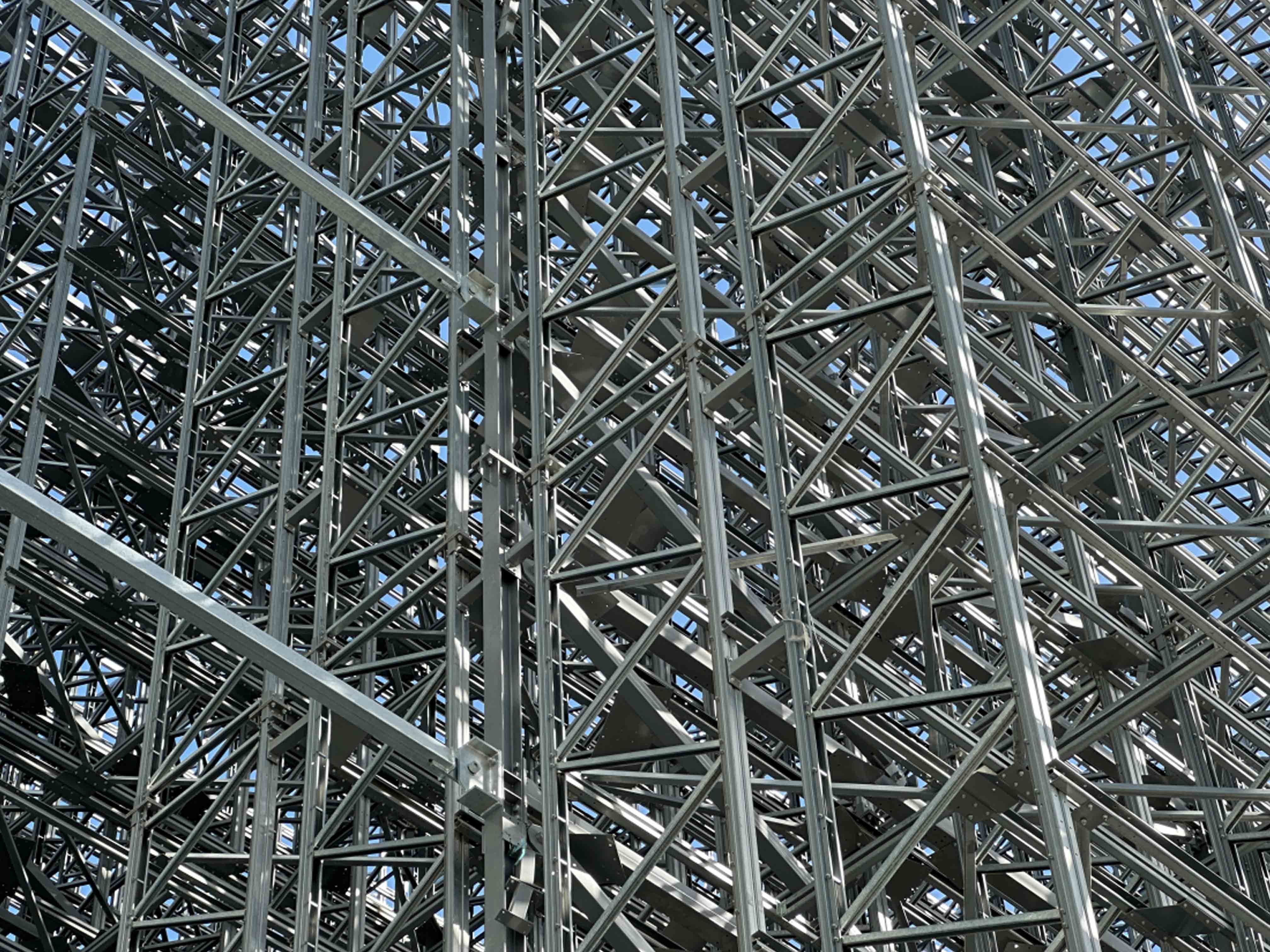
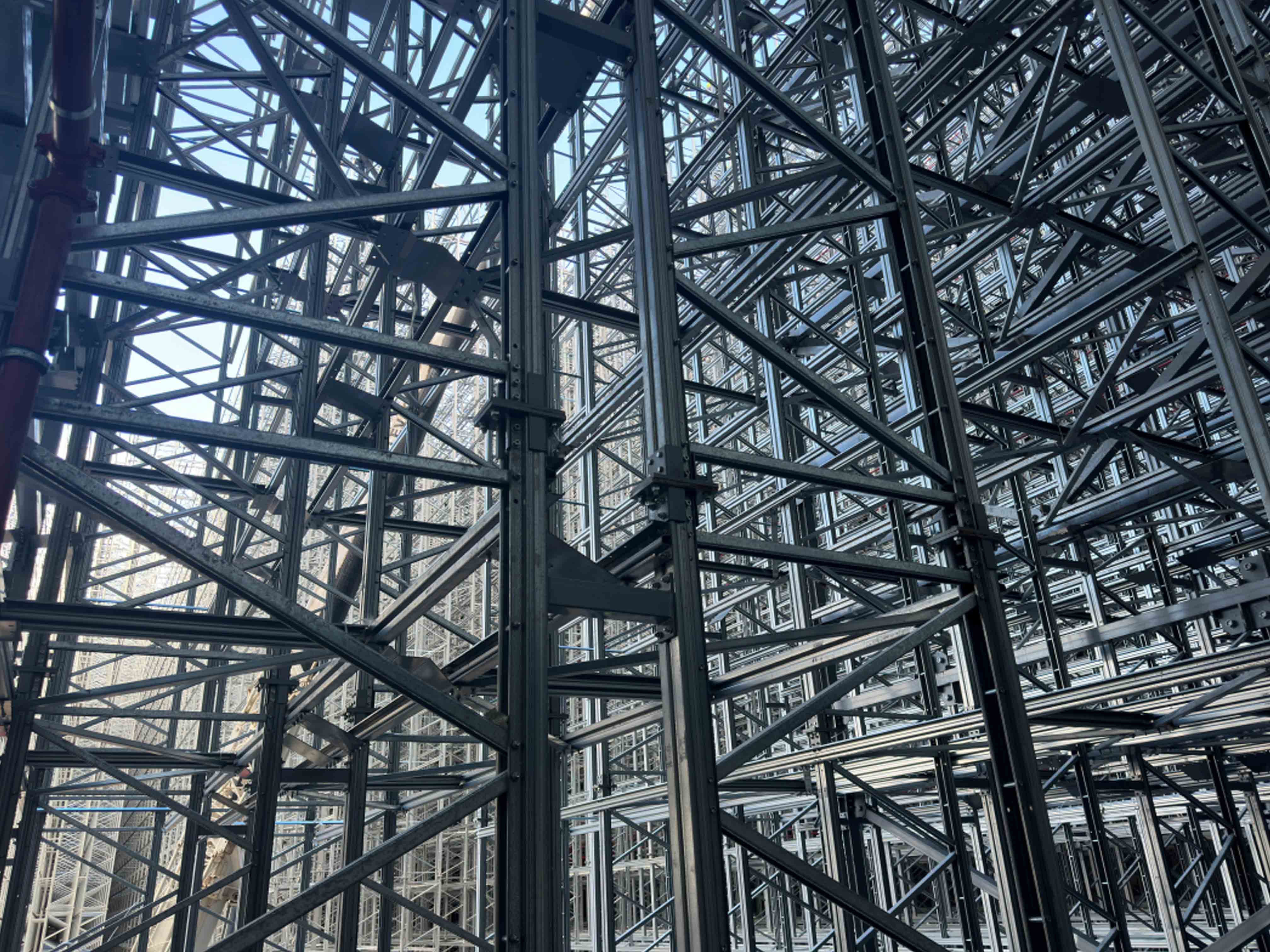
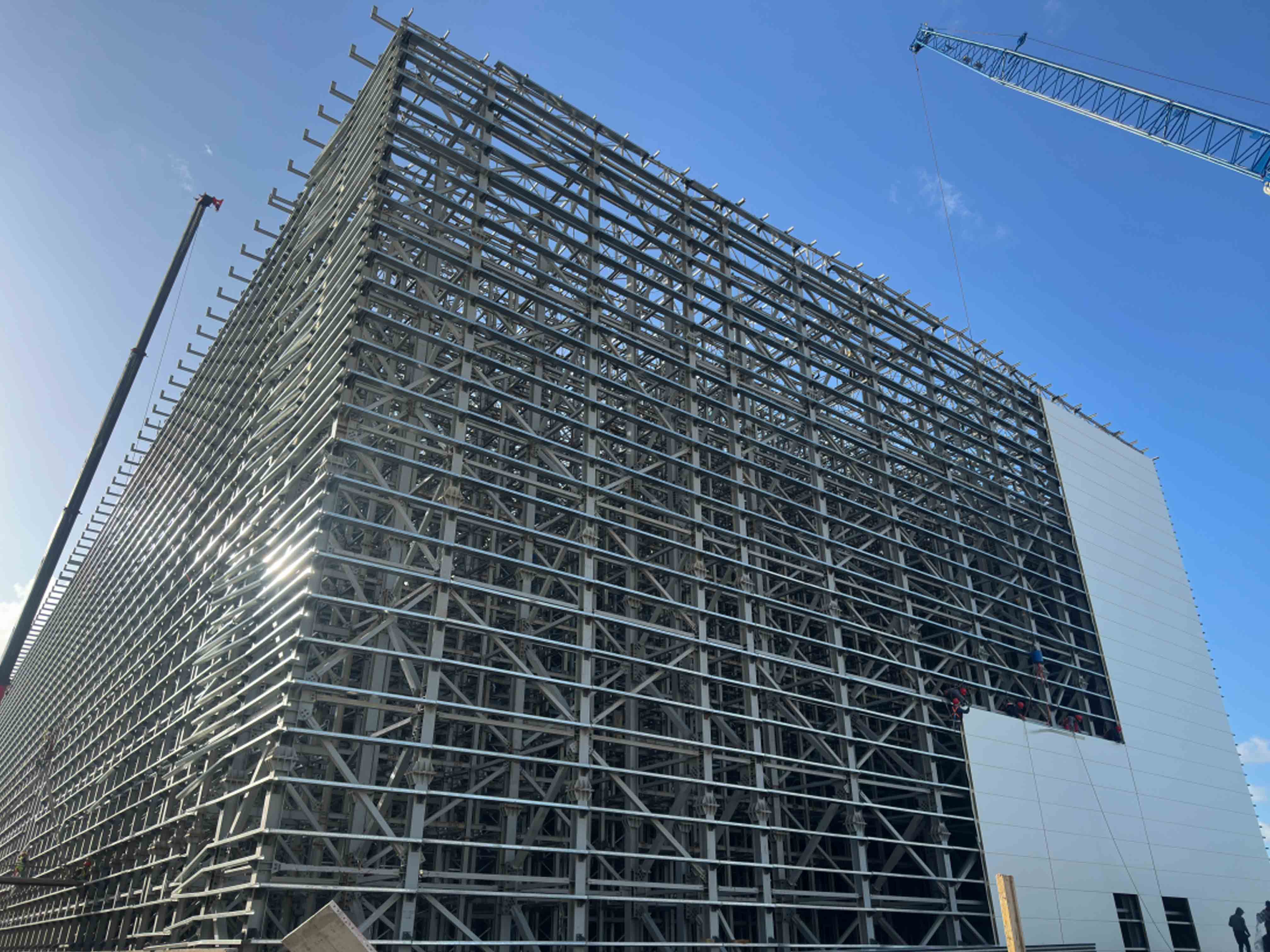
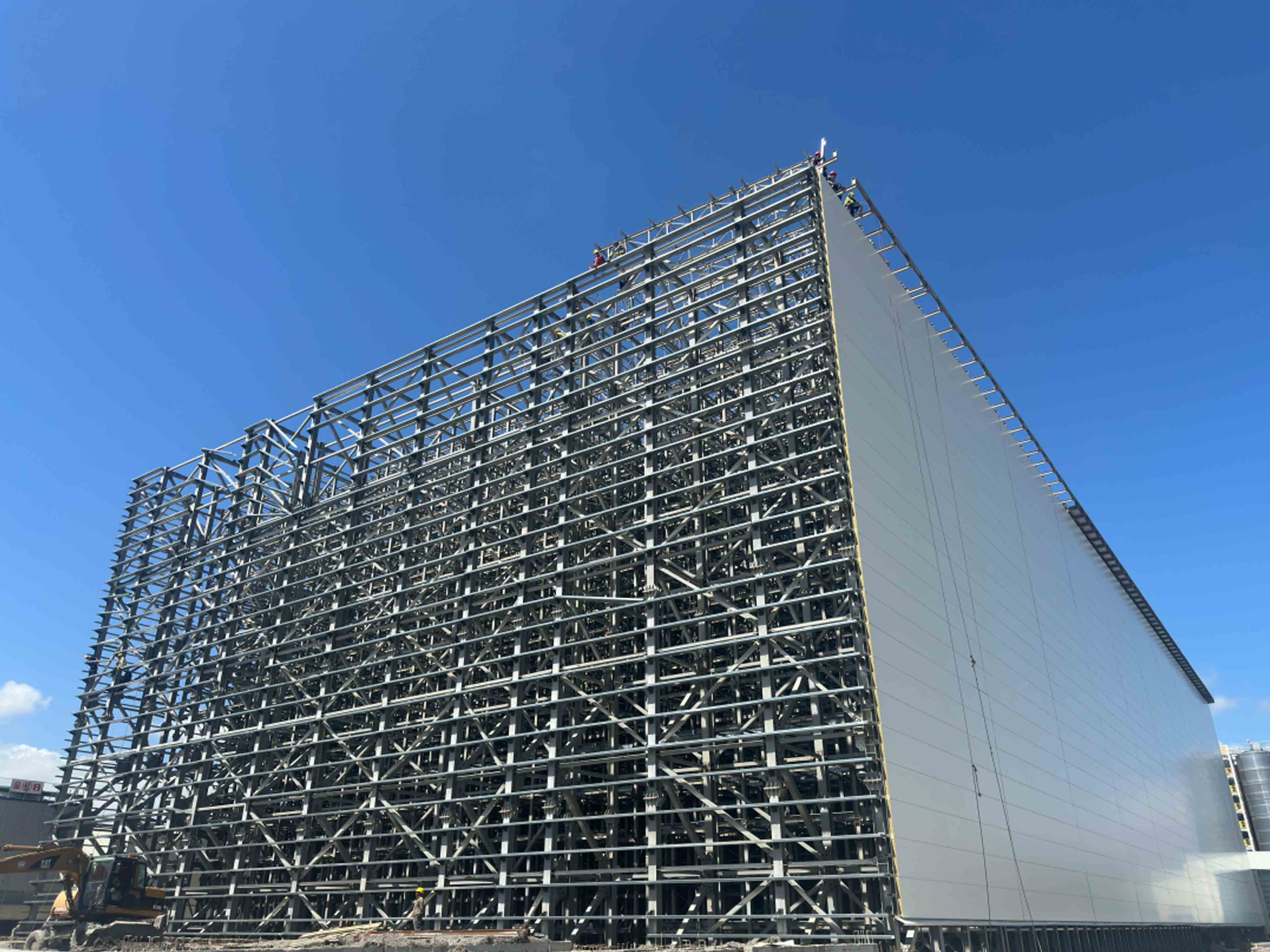
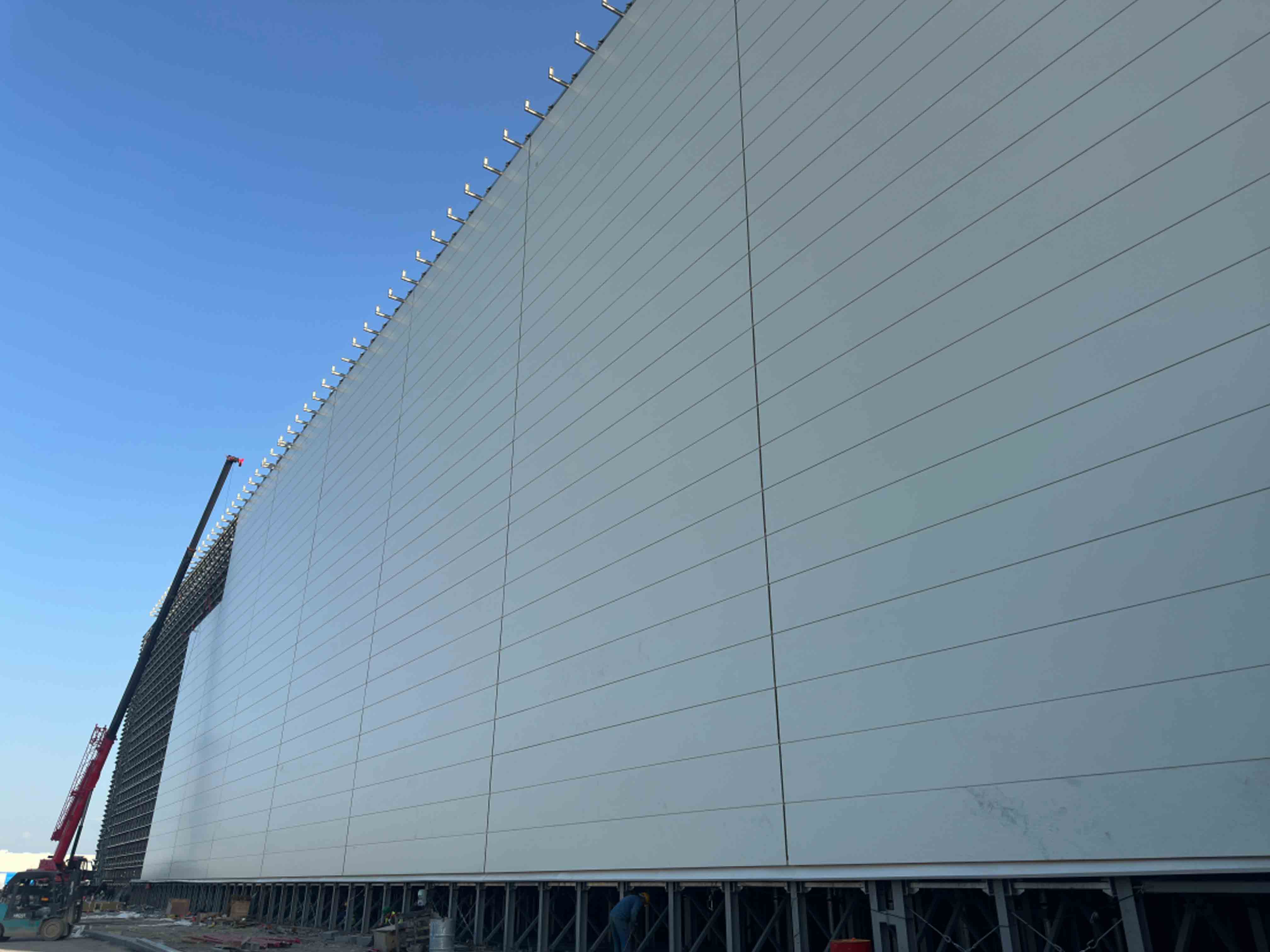
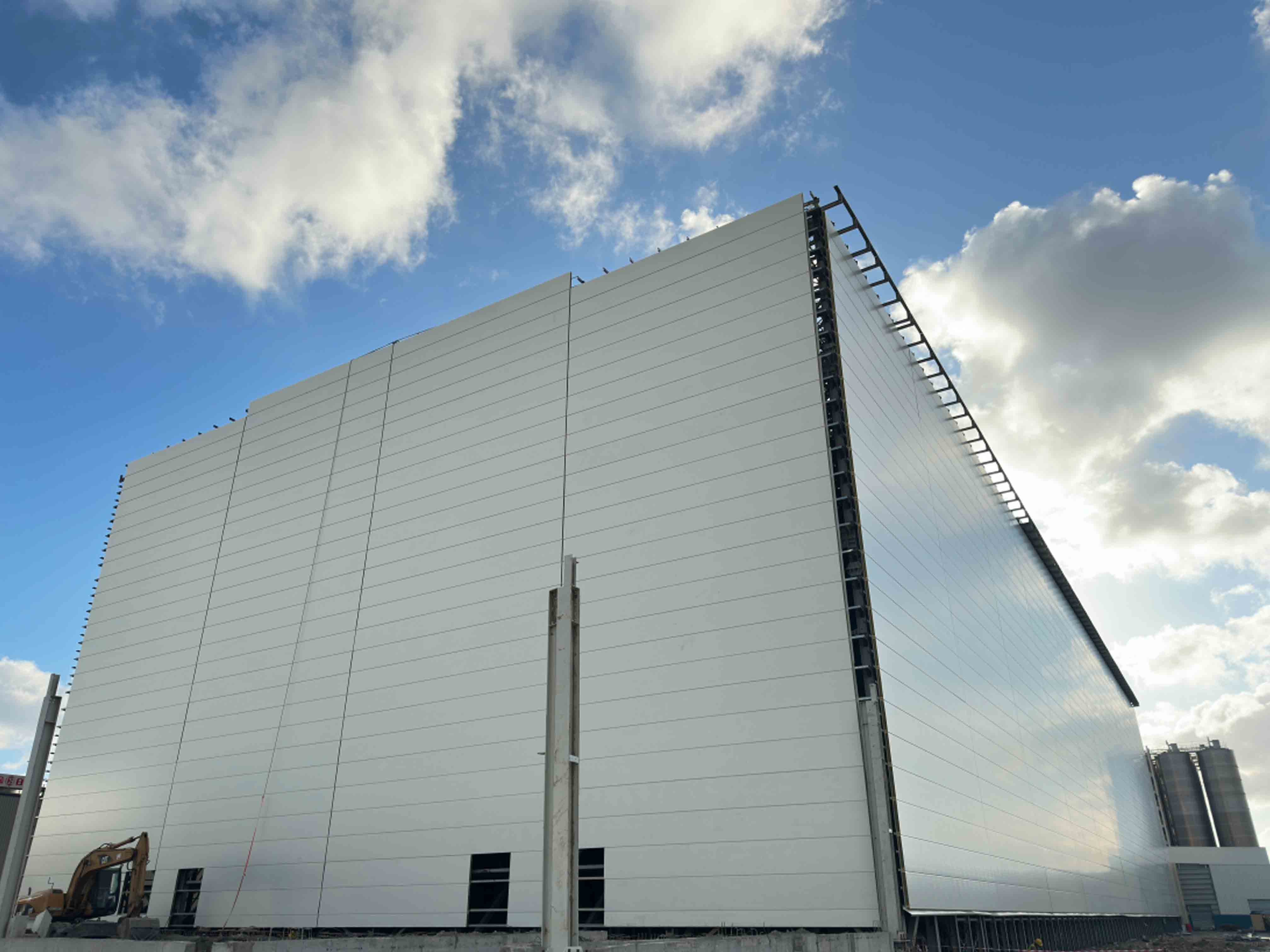
The Implementation Process Of The Racked Self-Supported Warehouse
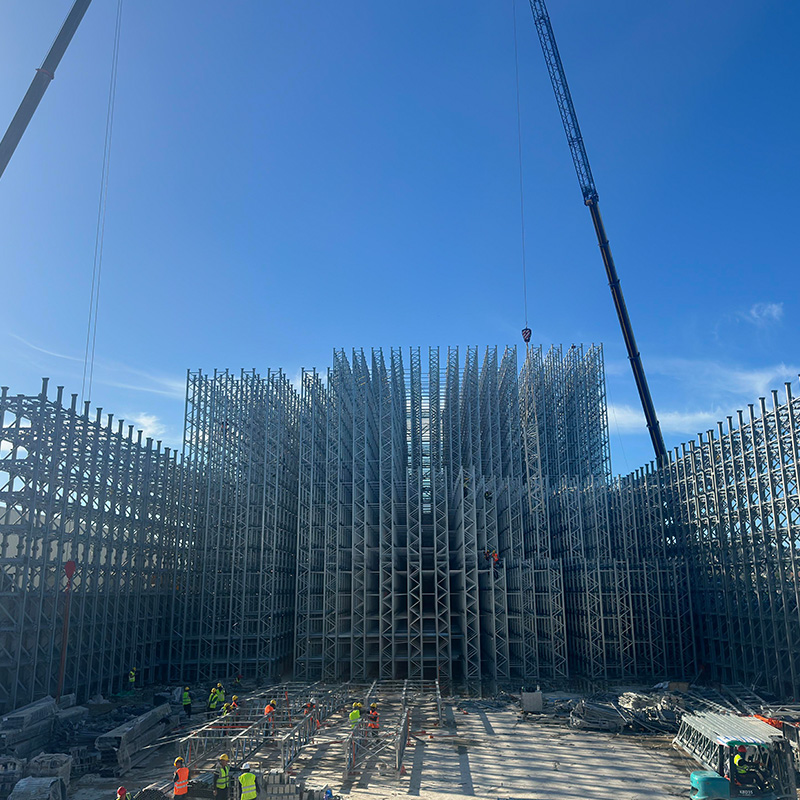
For the Racked Self-supported Warehouse, in the early stage, design and planning need to be carried out, and data calculation should be made. Then, basic construction and shelf installation should be carried out. Moreover, the shelves, equipment, fire protection facilities and wall panels should be installed simultaneously, and all these should be coordinated with each other until the project is capped. The whole process requires less construction work, takes less time, has a lower cost, and can achieve efficient and rapid acceptance and delivery.
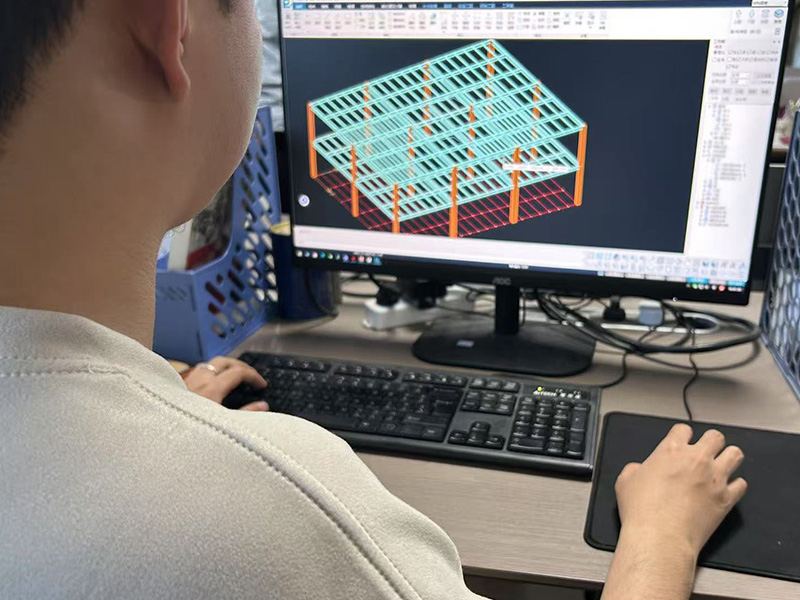
Design and Planning
Layout the racking system according to the client's requirements and conduct structural load calculations. Comprehensive calculations shall cover internal loads from stored goods and external loads such as seismic forces, wind pressure, snow, and rain to ensure structural stability.
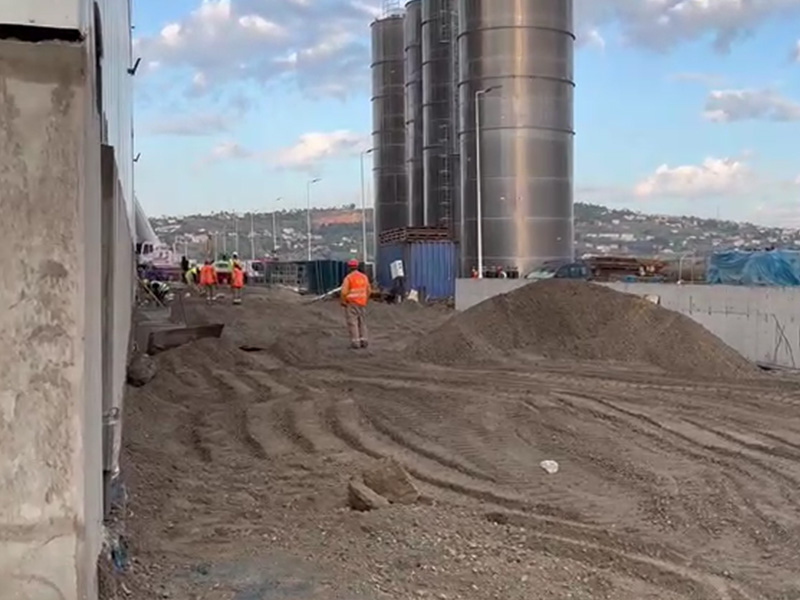
Civil Engineering Construction
The construction of the warehouse starts with the construction of the foundation and the ground.
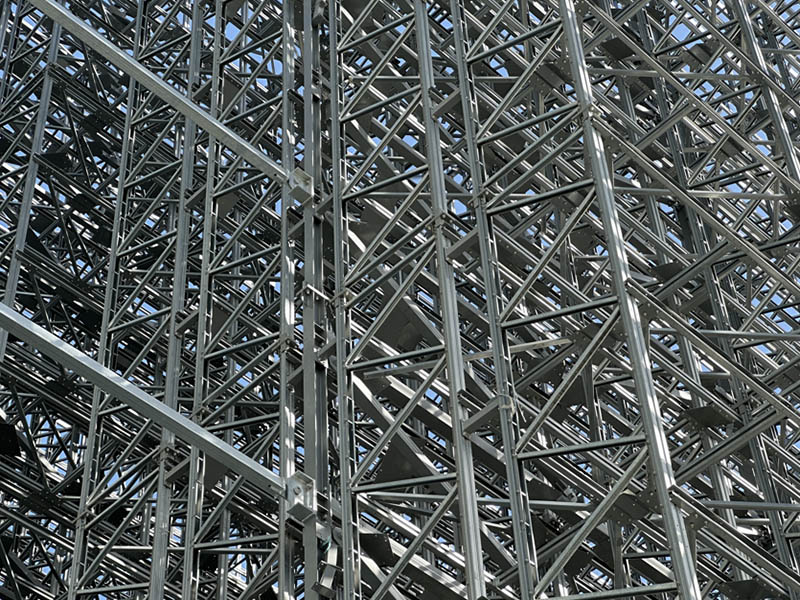
Installation of Shelf and Steel Structure
Use high-quality and high-strength steel to build the main body of the shelf. Install the steel structure and roof truss simultaneously to form the framework of the complete storage room.
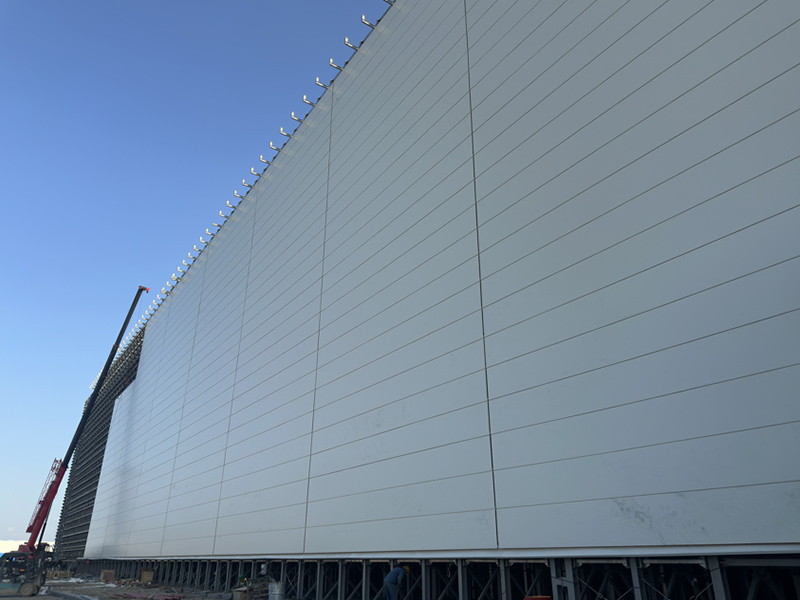
Installation of Wall Panels and Roof Panels
During the construction of the shelf, install the enclosure structure of the wall panels and roof panels according to the actual installation situation.
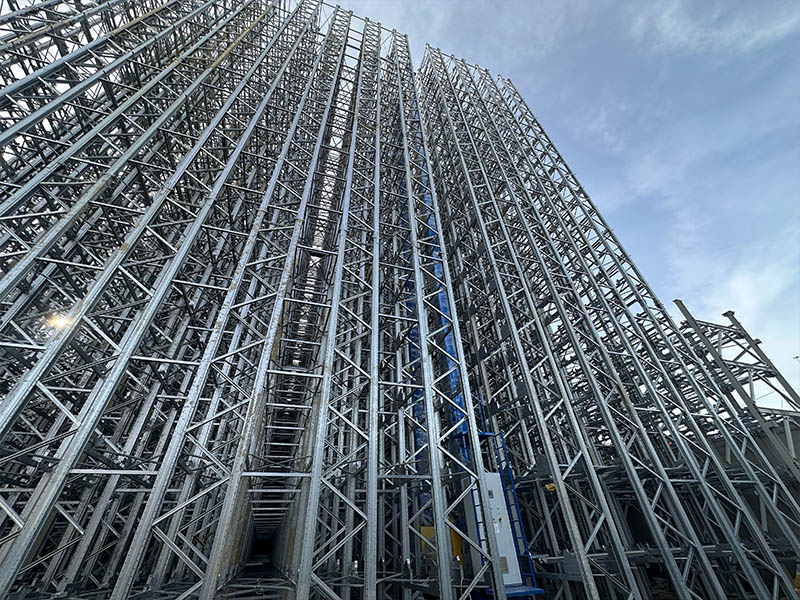
Automation Installation
Deploy and install equipment such as stacker cranes, roller conveyors, and radio shuttles, and configure the Warehouse Control System (WCS) and Warehouse Management System (WMS) to achieve coordinated scheduling of the equipment.
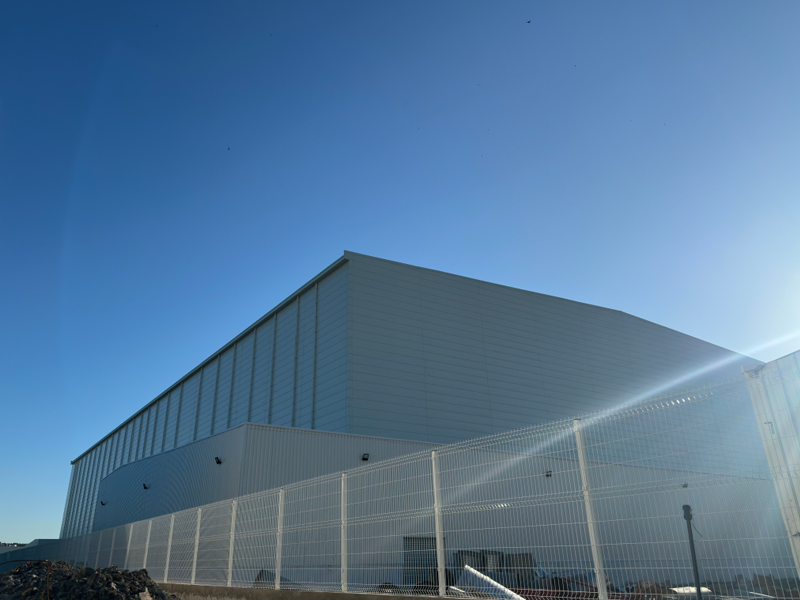
Equipment Debugging and Project Acceptance
Professional personnel will conduct on-site debugging of the equipment and provide guidance throughout the process to ensure that customers have no concerns.
Customer Feedback And Reviews
Content: The racking supported buildings constructed for us by Hegerls fully meet our requirements in terms of professionalism, craftsmanship, technology, and applicability, exceeding our expectations. I will act as their advocate.
Company: A tire company in Morocco
Position: Warehouse Project Manager
Name: Mr. Zhang
Content: Our Racked Self-supported Warehouse is truly spectacular! We are extremely grateful to Hegerls for their hard work on this project, which has led to our current achievements: the efficiency of inbound and outbound operations has increased by 200%, the number of storage locations has increased by 400%, and labor costs have been reduced by 300%.
Company: A pharmaceutical company in Thailand
Position: Purchasing Manager
Name: Kajornsak
Content: HEGERLS has extensive experience in constructing stacker-type Self-supporting Racked Warehouses for us. They have enabled us to make the most of the space and significantly increase the storage capacity. Thanks to their high-quality products and strict standards, HEGERLS has become our trusted partner.
Company: A food company in India
Position: Deputy General Manager
Name: Neeraj
Case Sharing
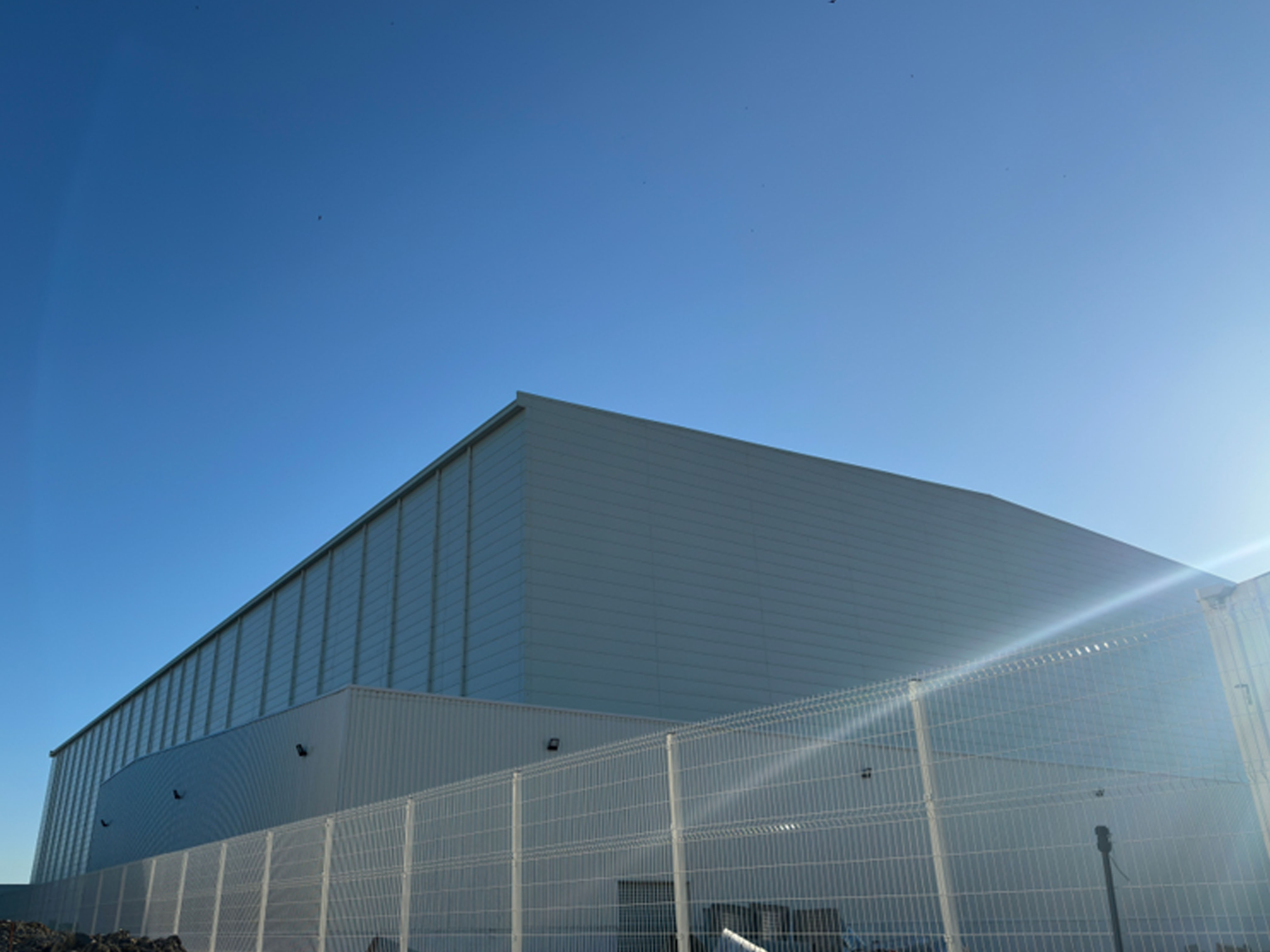
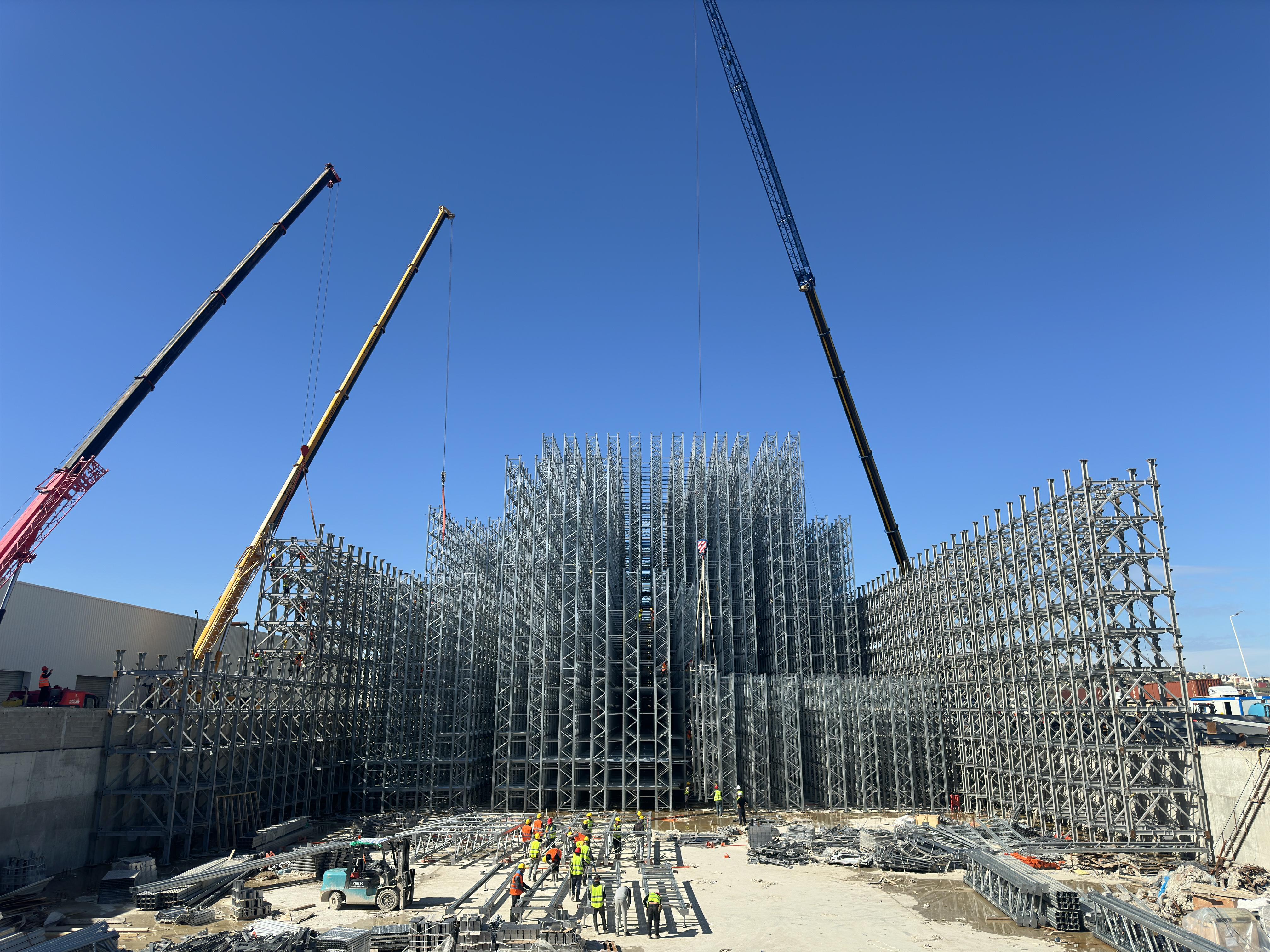
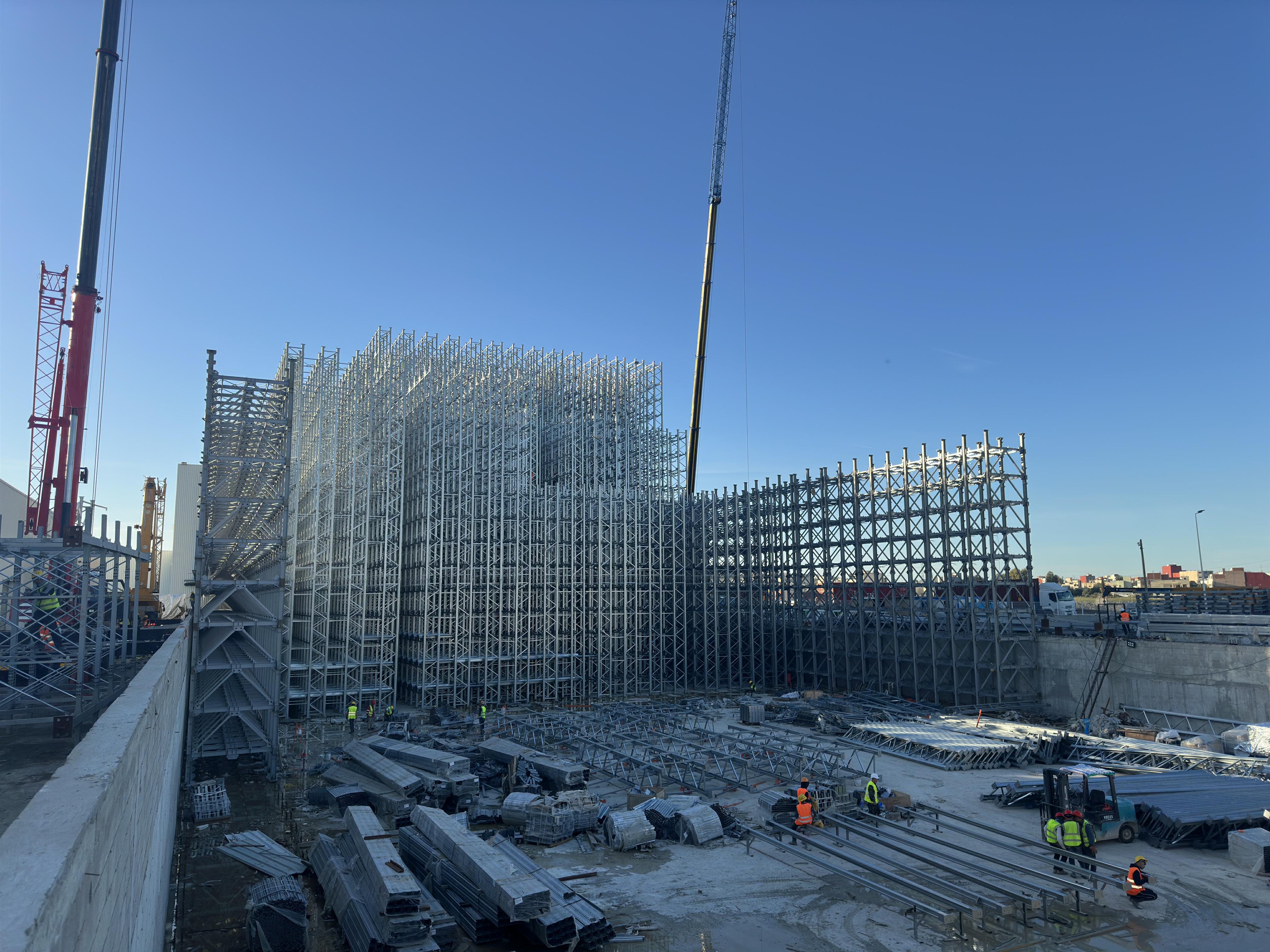
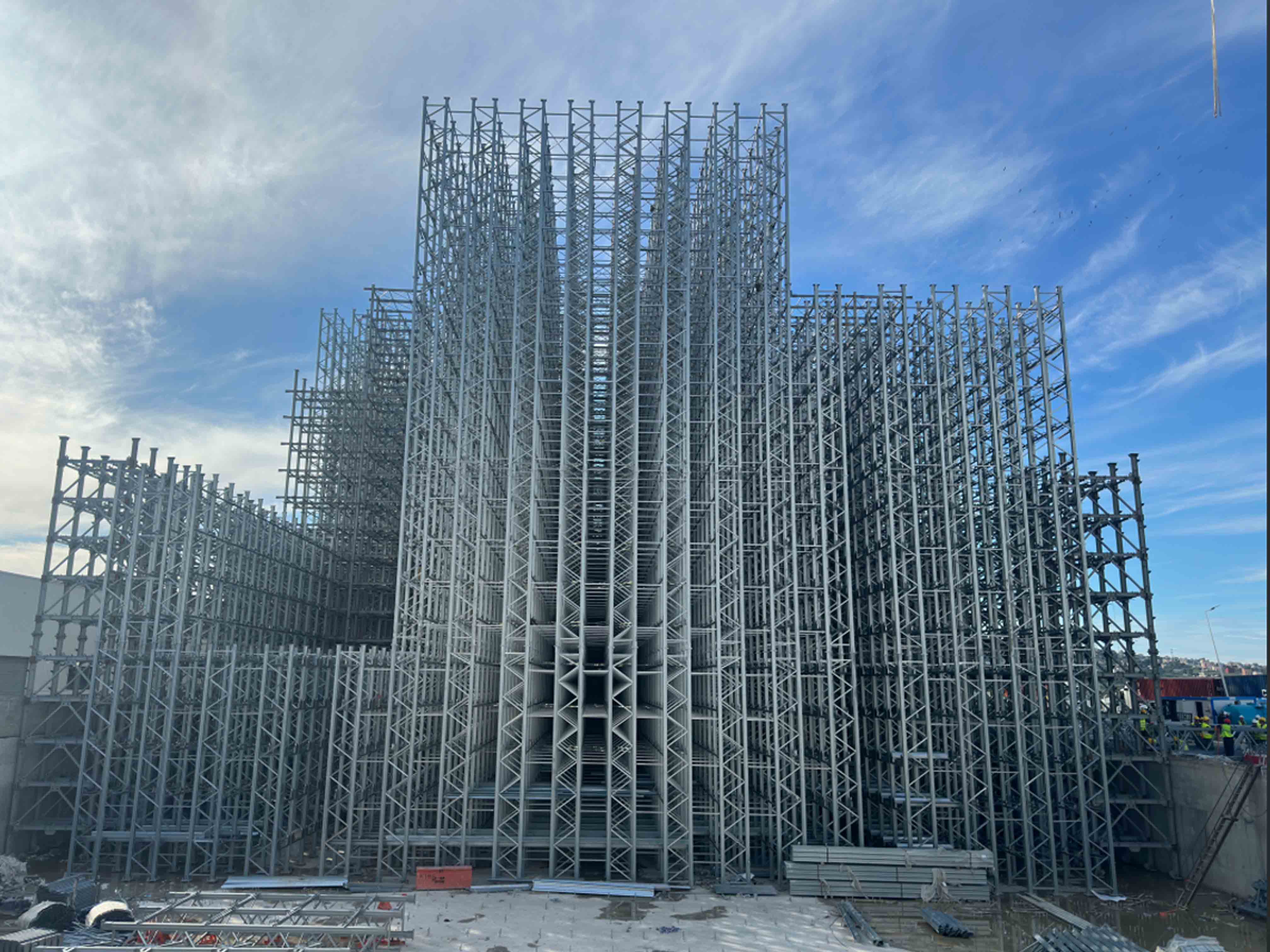
Case Summary: A tire company in Morocco has been continuously expanding its business scale with an annual growth rate of over 20%. In line with market development, it promptly adjusts its industrial layout. To meet the company's growing demand for storage automation and reduce the costs of constructing storage rooms and warehousing, it decided to build a rack-supported warehouse. Through on-site inspections and understanding of the company's overall operations, we provided multiple construction plans for the rack-supported warehouse based on the actual situation. Eventually, the customer chose the stacker crane rack-supported warehouse.
Solution: HEGERLS designed and constructed a shelf-supported warehouse that combines shuttle runners with stacker cranes for the company.
Explanation of Case Advantages:
The use of shuttle runner shelves in conjunction with shuttle runners enables dense storage, increasing the number of storage locations by three times compared to the original.
The use of stacker cranes for goods access has tripled the efficiency of inbound and outbound operations compared to before.
Parameters:
Number of storage locations: 35,496
Pallet size: 146511501130mm
Maximum load-bearing capacity of the tray: 1200kg
Height of the cold room: 34.9m
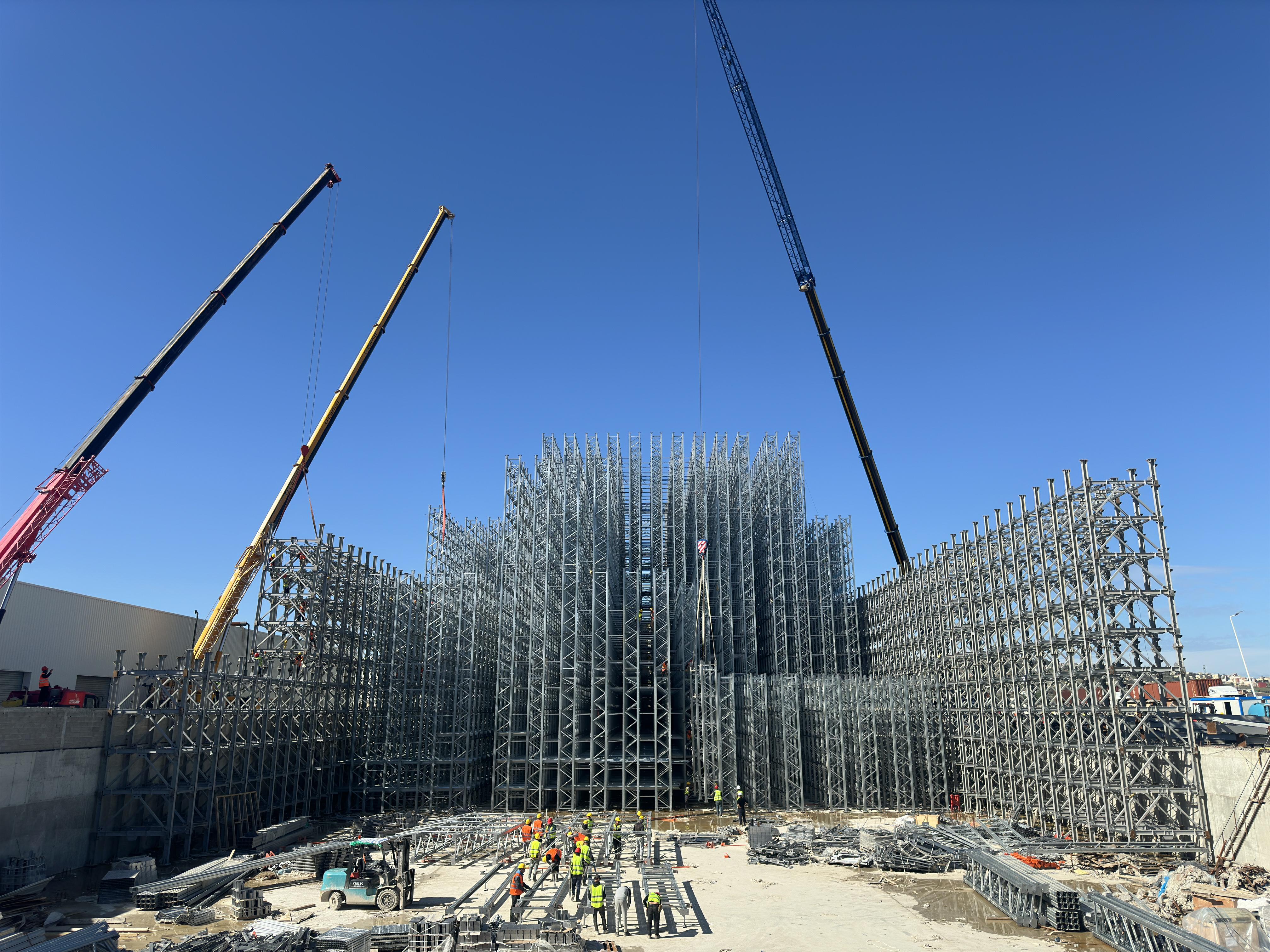
Case Summary: An Indian food company mainly produces and sells meat and poultry products, with 30% of its finished products exported to other countries. Previously, the company relied on traditional cold rooms for storage. However, due to the increase in production volume and the accompanying rise in operational efficiency requirements, the existing traditional frozen rooms can no longer meet the current warehousing needs. Given the limited land resources and high land costs, after our in - depth understanding and analysis of its warehousing status, and in line with its actual requirements, the company resolutely followed our advice and decided to build a shelf - supported warehouse.
Solution: HEGERLS designed and constructed a four - way shuttle shelf - supported warehouse for the company.
Explanation of Case Advantages:
It saves 20% - 30% of land occupation costs.
Increase in storage capacity: The storage capacity of the four - way shuttle shelf - supported warehouse cold room has doubled compared to the original traditional frozen room.
Labor cost savings: It shortens the working time of some personnel in the cold room, reducing labor costs by three times.
Parameters:
Storage capacity: 35,000 pallets
Tray size: 100011001800mm
Maximum tray load - bearing: 1400kg
Cold room height: 32m