



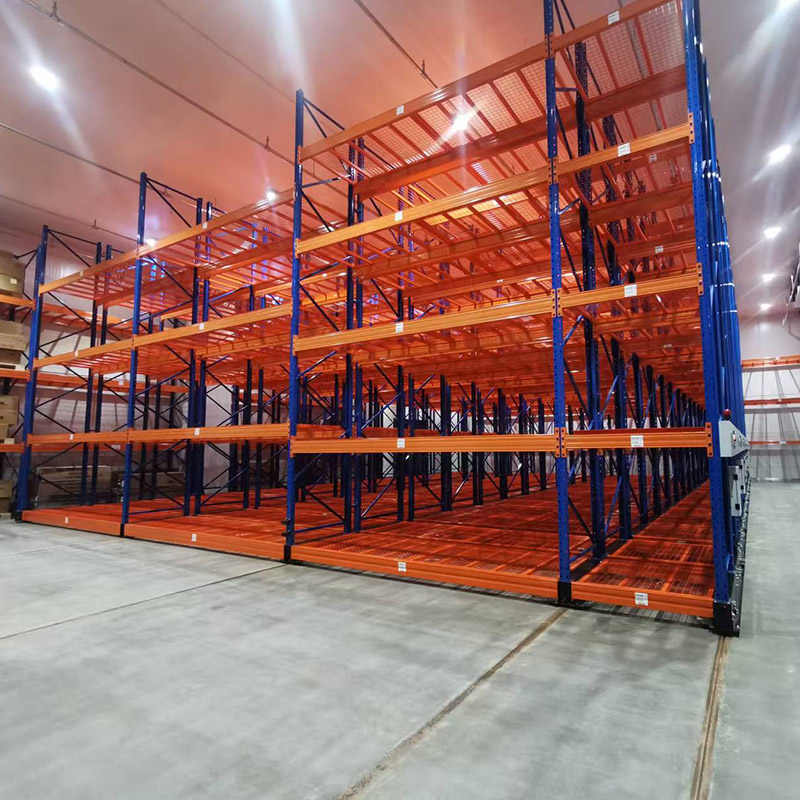
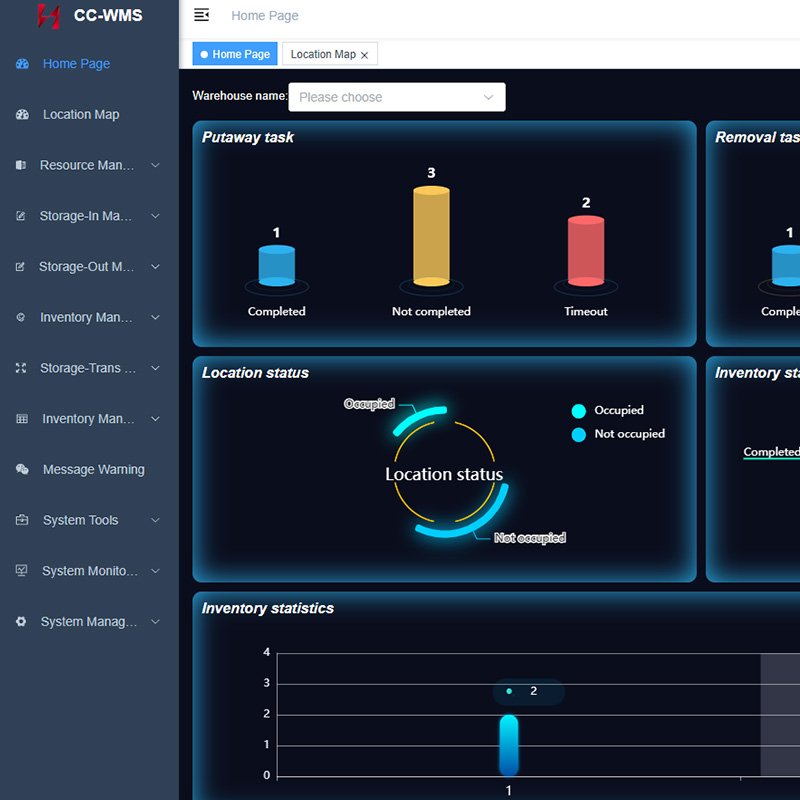
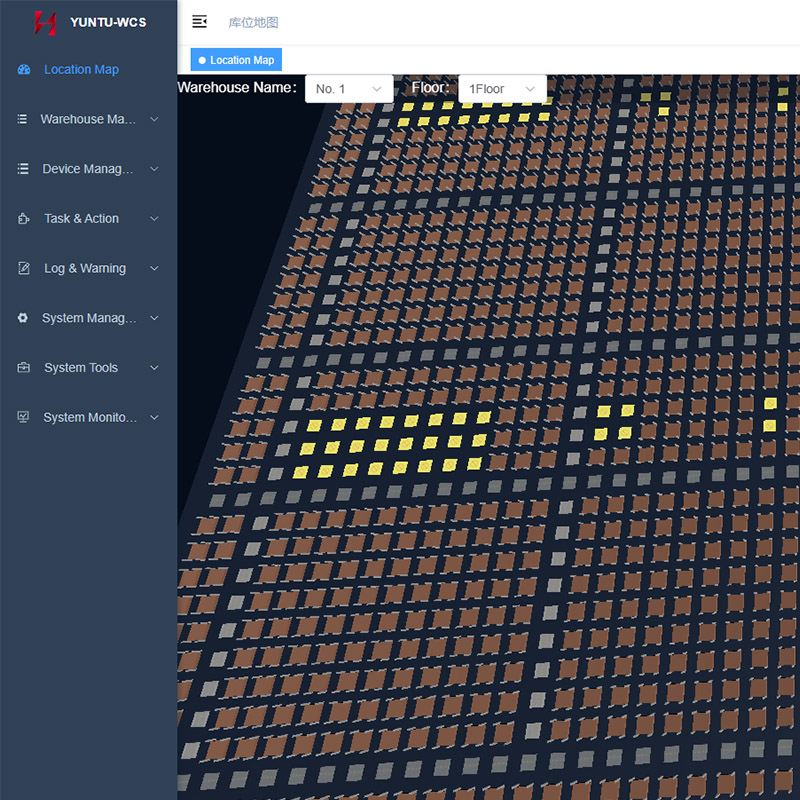
What Are Supply Chain Automation Tools?
Supply chain automation tools refer to digital systems, software platforms, and automated technologies designed to streamline, optimize, and manage supply chain processes with minimal human intervention.
These tools support automated supply chain management systems by integrating logistics, warehousing, manufacturing, and distribution into one connected ecosystem.
In modern industry, supply chain automation is no longer optional—it is a key driver of competitiveness, efficiency, and resilience.
According to industry research, companies that implement automation in logistics and supply chain management can reduce operational costs by up to 20–40% and improve delivery speed by over 30%.
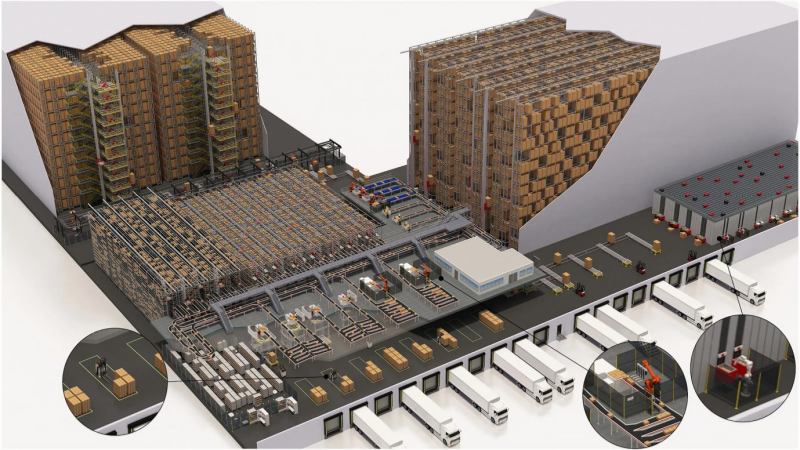
What Is Supply Chain Automation?
Supply chain automation is the use of technology to automate processes such as:
l procurement
l inventory management
l warehouse operations
l transportation and logistics
l order fulfillment
It is powered by:
l AI and machine learning
l robotics and ASRS systems
l warehouse automation tools
l supply chain automation software
Automated Supply Chain Management System Overview
An automated supply chain management system integrates multiple technologies into a unified platform that manages the entire flow of goods from suppliers to end customers.
Core Components:
Component | Function |
ERP Systems | Manage business operations |
WMS (Warehouse Management System) | Control warehouse activities |
TMS (Transport Management System) | Optimize transportation |
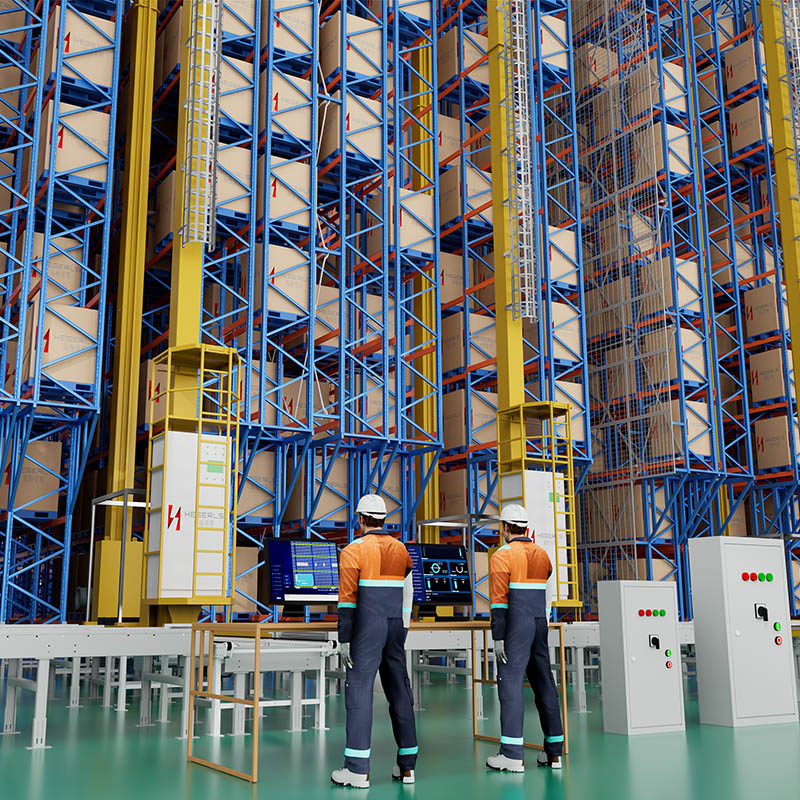
ASRS Systems | Automate storage and retrieval |
IoT Sensors | Real-time tracking |
This integration enables real-time visibility and intelligent decision-making.
Supply Chain Automation Tools and Technologies
1. Supply Chain Automation Software
Supply chain automation software is the backbone of modern logistics systems.
It helps companies:
l track inventory in real time
l forecast demand
l optimize procurement
l manage suppliers
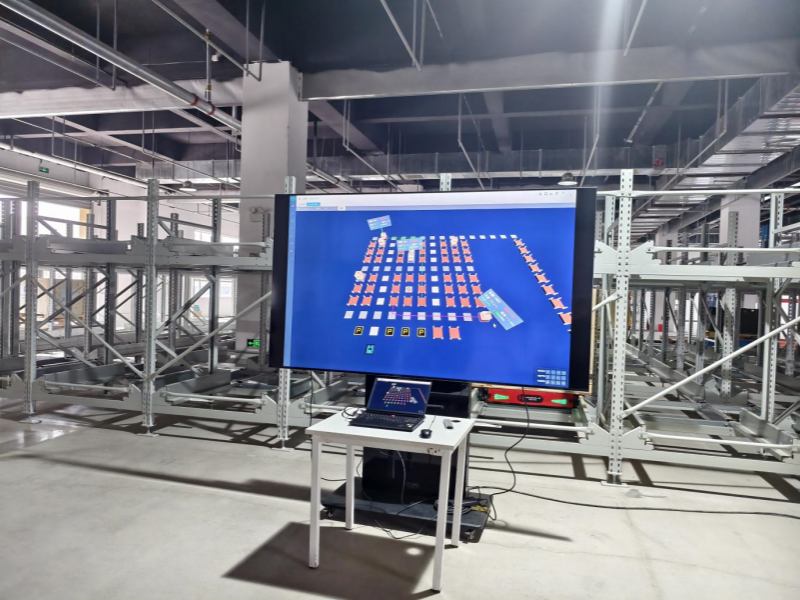
2. Warehouse Automation Systems
Warehouse automation plays a key role in supply automation.
Common systems include:
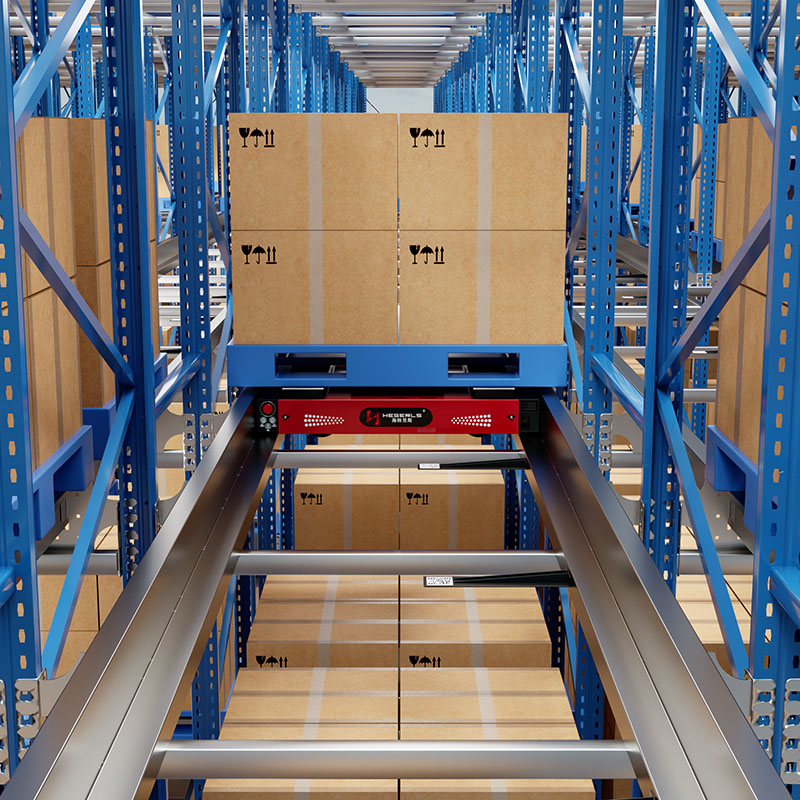
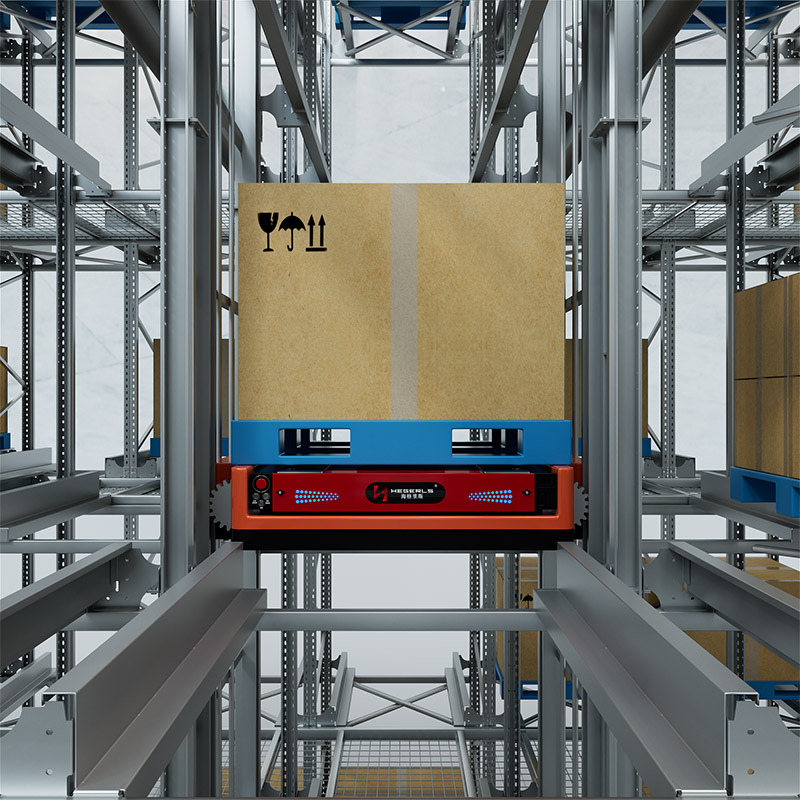
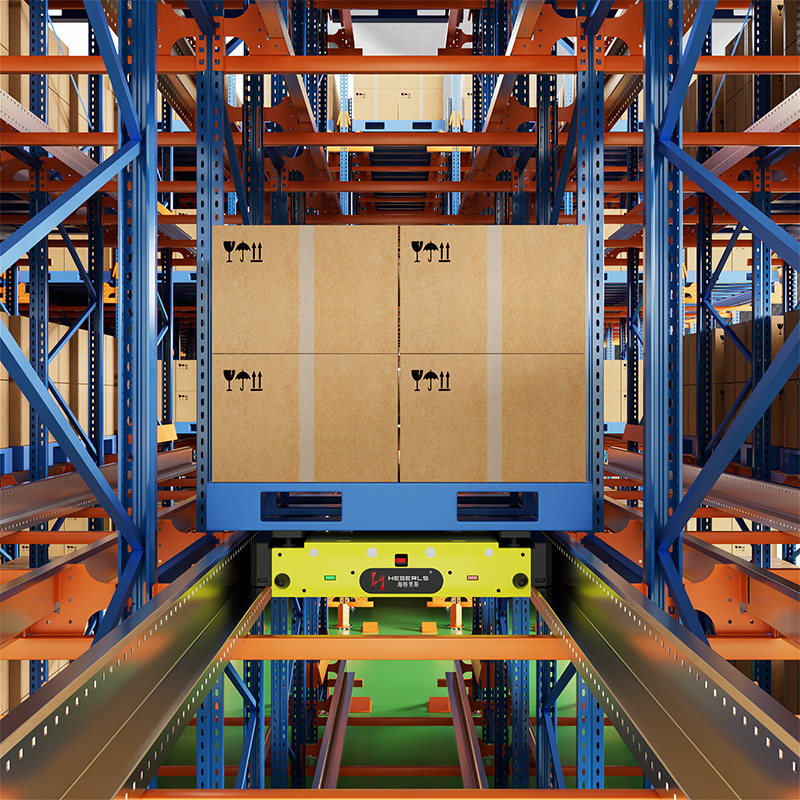
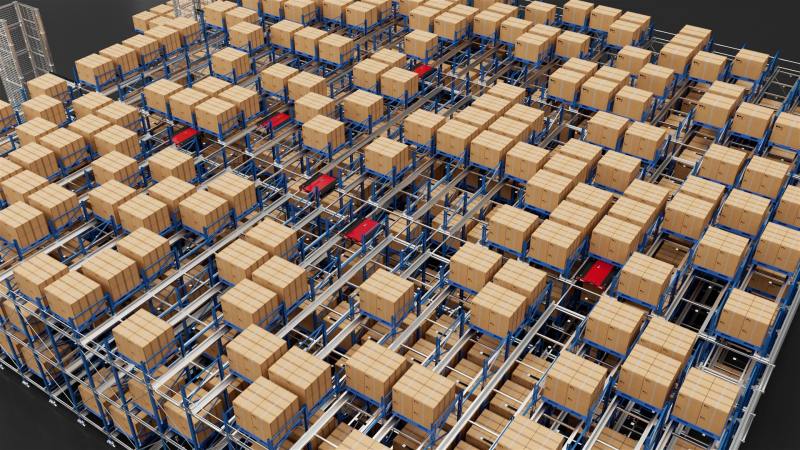
l ASRS (Automated Storage and Retrieval Systems)
l robotic picking systems
These technologies directly improve supply chain automation manufacturing processes.
3. Logistics Automation Tools
Used for transportation and distribution optimization:
l route planning software
l fleet management systems
l real-time tracking tools
4. AI-Based Supply Chain Tools
AI is transforming automated supply chain management systems by:
l predicting demand
l optimizing inventory levels
l reducing delays
l improving supplier coordination
Best Automation Tools for Supply Chain Management
Companies looking for the best automation tools for supply chain management should evaluate solutions based on:
Criteria | Importance |
Integration Capability | High |
Scalability | High |
Real-Time Data | Critical |
Cost Efficiency | Medium |
AI Capabilities | Increasingly Important |
Best Solutions for Automating Supply Chain Processes Complex Product Portfolios
For companies managing complex product portfolios, the best solutions for automating supply chain processes complex product portfolios include:
l AI-driven inventory optimization
l ASRS warehouse systems
l automated picking systems
l supplier coordination platforms
These solutions help reduce SKU complexity and improve operational efficiency.

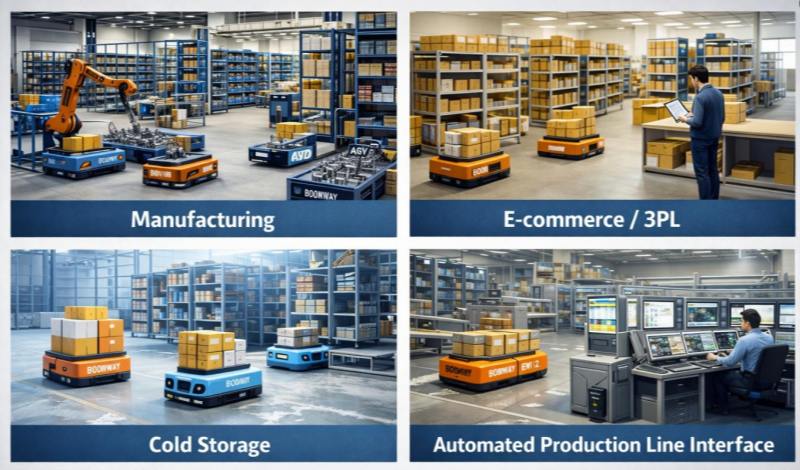
Supply Chain Automation Use Cases
1. Manufacturing Industry
l automated production scheduling
l raw material tracking
l warehouse-to-production automation
2. E-Commerce Fulfillment
l automated order processing
l robotic picking systems
l real-time inventory updates
3. Retail Supply Chains
l demand forecasting
l automated replenishment
l distribution center optimization
4. Logistics and 3PL
l automated warehousing
l transportation optimization
l cross-docking automation
Customer Feedback Supply Chain Automation Tools Supplier Management
Modern supply chain automation tools also support supplier relationship management through:
l performance tracking dashboards
l automated feedback systems
l supplier scorecards
l real-time communication tools
This improves:
l supplier reliability
l delivery accuracy
l long-term collaboration efficiency
Supply Chain Automation in Manufacturing
Supply chain automation manufacturing integrates production and logistics into a unified system.
Key benefits include:
l synchronized production and inventory
l reduced downtime
l improved material flow
l real-time production tracking
Manufacturers increasingly rely on automated supply chain management systems to remain competitive.
Benefits of Supply Chain Automation
Supply chain automation delivers significant improvements across cost, efficiency, and operational visibility. As companies adopt supply chain automation tools and automated supply chain management systems, the impact becomes measurable across the entire logistics network.
1. Cost Reduction Across Operations
Automation reduces dependency on manual labor and minimizes operational inefficiencies.
Typical cost savings include:
l 20–40% reduction in labor costs
l Lower warehouse operating expenses
l Reduced error-related losses
2. Increased Operational Efficiency
Automation accelerates every stage of the supply chain:
l Faster order processing
l Automated inventory updates
l Optimized warehouse workflows
This is especially important in supply chain automation manufacturing, where production speed depends on material flow efficiency.
3. Improved Inventory Accuracy
With supply chain automation software and real-time tracking systems:
l Inventory accuracy can exceed 99%
l Stockouts and overstocking are reduced
l Demand forecasting becomes more precise
4. End-to-End Visibility
Automation enables full transparency across the supply chain:
l supplier tracking
l warehouse monitoring
l logistics updates in real time
5. Scalability for Business Growth
Automated systems can scale without proportional increases in labor or cost, making them ideal for:
l e-commerce
l manufacturing
l global distribution networks
Challenges of Supply Chain Automation
Despite its advantages, implementing automation in logistics and supply chain management comes with challenges that businesses must address.
1. High Initial Investment
Deploying automated supply chain management systems requires:
l warehouse automation infrastructure
l ASRS systems or robotics
l software integration
This can result in significant upfront costs.
2. System Integration Complexity
Many companies operate legacy systems that are difficult to integrate with modern supply chain automation tools.
Challenges include:
l ERP/WMS compatibility issues
l data synchronization problems
l fragmented IT systems
3. Workforce Adaptation
Automation changes job roles, requiring:
l training programs
l reskilling employees
l change management strategies
4. Cybersecurity Risks
As supply chains become digital, risks increase:
l data breaches
l system hacking
l operational disruptions
5. Maintenance and System Downtime
Automated systems require:
l continuous monitoring
l preventive maintenance
l technical support infrastructure
Future Trends in Supply Chain Automation
The future of supply chain automation is driven by AI, robotics, and full digital integration.
1. AI-Driven Autonomous Supply Chains
AI will enable systems to:
l predict demand automatically
l adjust inventory in real time
l optimize logistics routes
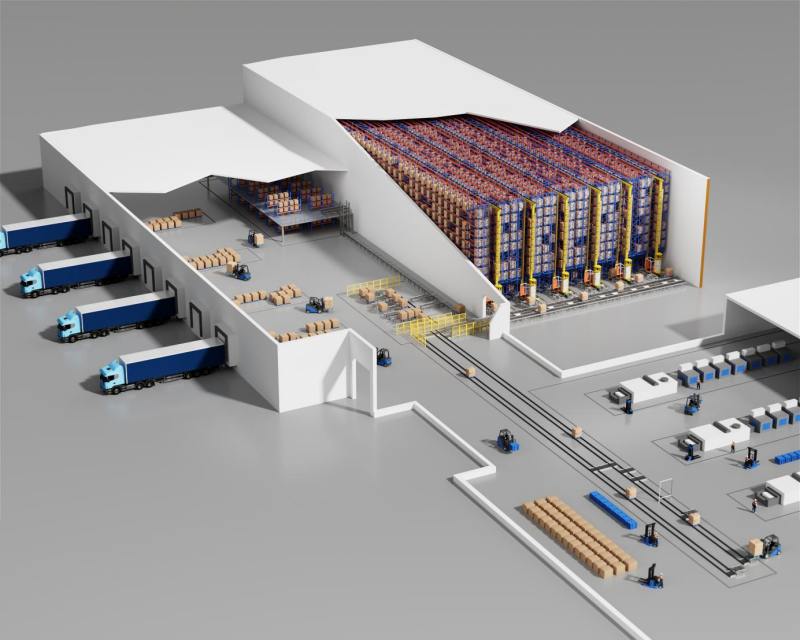
2. Fully Automated Warehouses
Future warehouses will integrate:
l ASRS systems
l shuttle systems
l AMRs and AGVs
l robotic picking systems
Resulting in near-zero manual operations.
3. Hyper-Automation Across Supply Chains
Hyper-automation combines:
l AI
l IoT
l robotics
l cloud-based platforms
to fully automate decision-making processes.
4. Real-Time Digital Twins
Companies will simulate entire supply chains using digital twins to:
l test scenarios
l optimize operations
l reduce risks
5. Sustainable Supply Chain Automation
Future systems will focus on:
l energy-efficient warehouses
l optimized transport routes
l reduced carbon emissions
How to Implement Supply Chain Automation
Implementing supply chain automation solutions requires a structured approach to ensure efficiency and ROI.
Step 1: Evaluate Current Supply Chain Processes
Identify:
l manual bottlenecks
l inefficiencies
l high-cost operations
This creates the foundation for automation planning.
Step 2: Define Automation Objectives
Common goals include:
l reducing labor costs
l improving warehouse efficiency
l increasing order accuracy
l scaling operations
Step 3: Choose the Right Supply Chain Automation Tools
Select tools based on:
Category | Example |
Warehouse Systems | ASRS, shuttle systems |
Software | supply chain automation software |
Transport | AGVs, AMRs |
Analytics | AI forecasting tools |
Step 4: Integrate Systems
Ensure seamless integration between:
l ERP systems
l logistics software
l warehouse automation equipment
Step 5: Start with Pilot Projects
Before full deployment:
l test automation in one warehouse zone
l evaluate performance
l optimize workflows
Step 6: Scale Gradually
Expand automation across:
l warehouses
l distribution centers
l manufacturing facilities
Step 7: Continuous Optimization
Use data analytics to:
l improve performance
l reduce downtime
l refine automation workflows
Implementation Insight
Companies that implement automation in stages achieve up to:
l 30% faster ROI
l 25% higher efficiency gains
l significantly lower operational risk
Supply Chain Automation Tools in Logistics
Automation in logistics and supply chain management includes:
l automated warehouses
l ASRS systems
l shuttle storage systems
l intelligent transportation systems
These tools improve logistics speed and reliability.
Automatisation Supply Chain
In European markets, the term “automatisation supply chain” is commonly used to describe end-to-end digital transformation of supply chain systems.
It refers to:
l automation of logistics
l digital warehouse systems
l AI-based supply chain optimization
Why HEGERLS for Supply Chain Automation Solutions?
HEGERLS provides advanced supply chain automation solutions integrated with warehouse automation technologies.
Our capabilities include:
l automated warehouse solutions
l intelligent logistics systems
We help companies build efficient, scalable, and future-ready supply chain ecosystems.
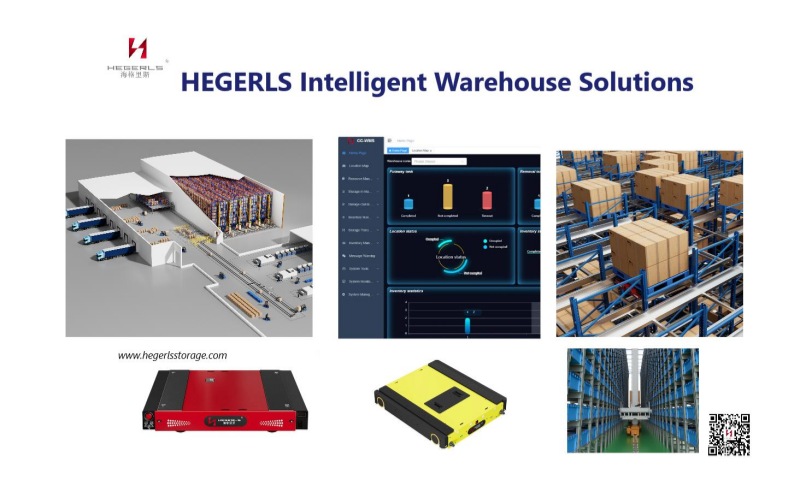
Upgrade Your Supply Chain with Automation Tools
If you are looking to improve efficiency, reduce costs, and modernize your logistics operations, supply chain automation tools are essential.
HEGERLS provides customized supply chain automation solutions designed for manufacturing, logistics, and distribution industries.
Our Solutions Help You:
l Reduce operational costs by up to 40%
l Improve supply chain visibility
l Increase warehouse efficiency
l Build scalable automation systems
Request a Free Supply Chain Automation Consultation