

What Are Industrial Process Automation Systems?
Industrial process automation systems refer to integrated technologies that automate industrial operations, including manufacturing processes, material handling, and warehouse logistics.
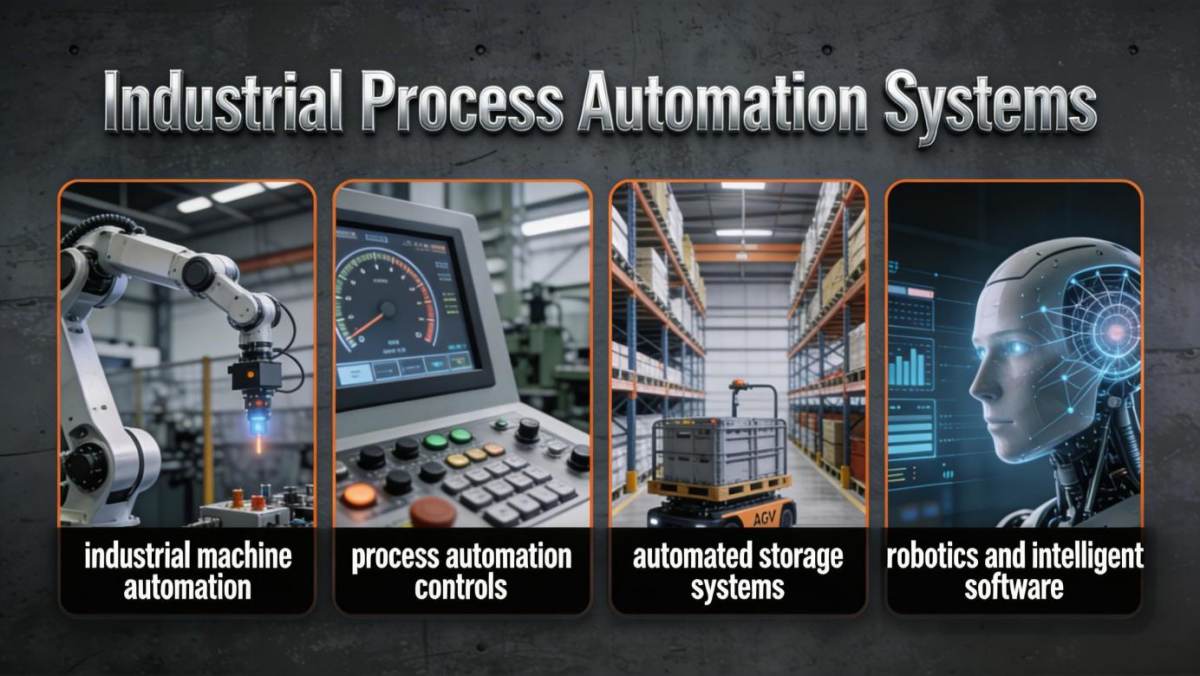
These systems combine:
industrial machine automation
process automation controls
automated storage systems
robotics and intelligent software
The goal of automation of industrial processes is to create a smart, efficient, and scalable production environment with minimal human intervention.
Today, industrial automation is no longer limited to production lines—it extends into warehouse automation, logistics systems, and digital supply chains.
Industrial Automation + Warehouse Automation: Why Integration Matters
Modern industries are shifting toward end-to-end automation, where production and storage systems are fully connected.
Traditional Model
production system (manual or semi-automated)
warehouse (manual storage)
disconnected processes
Modern Smart Factory Model
automated production lines
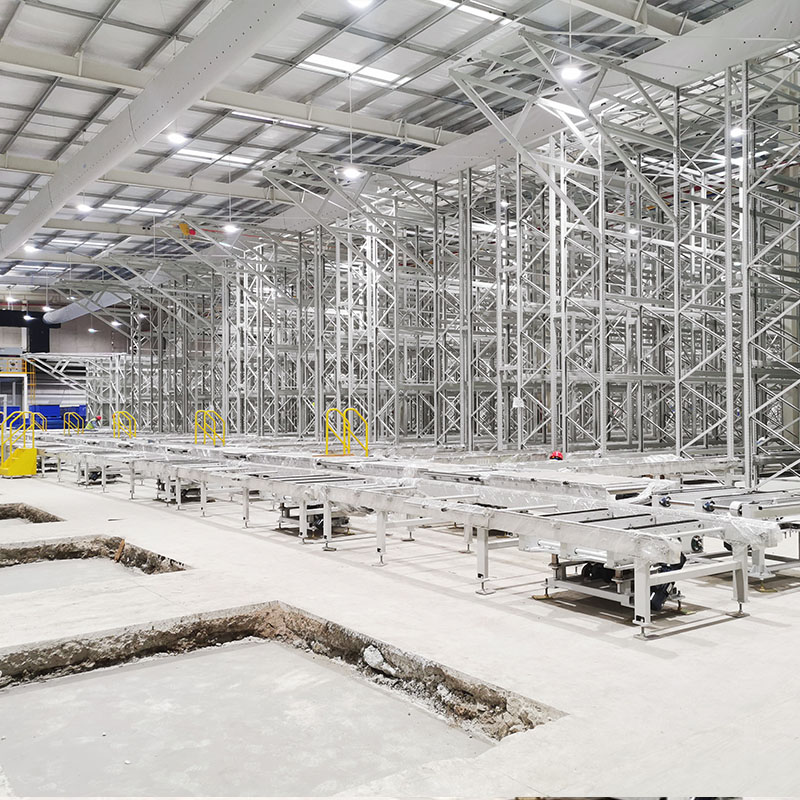
automated warehouse storage systems
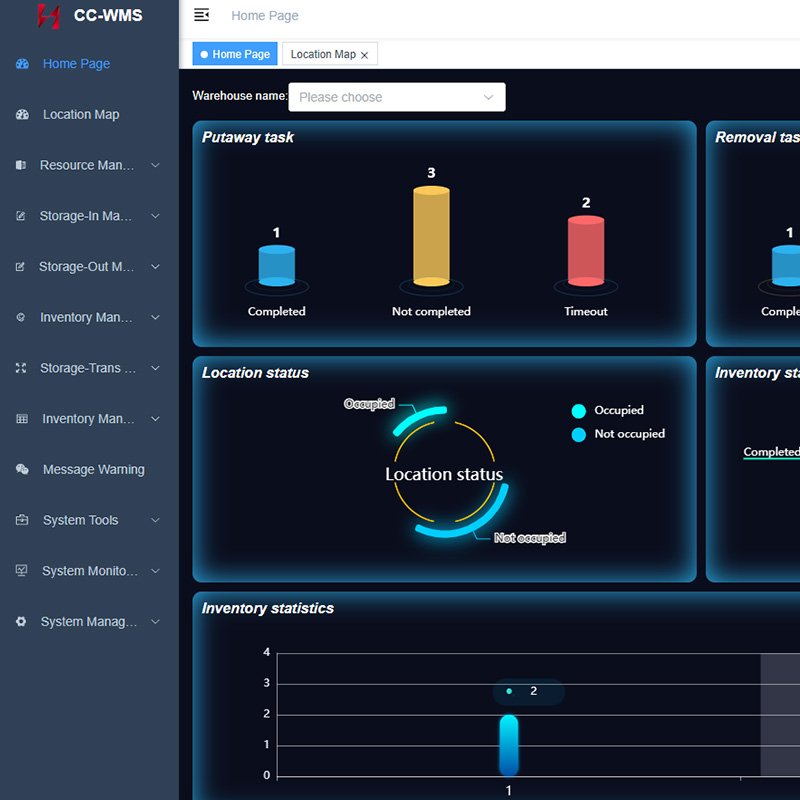
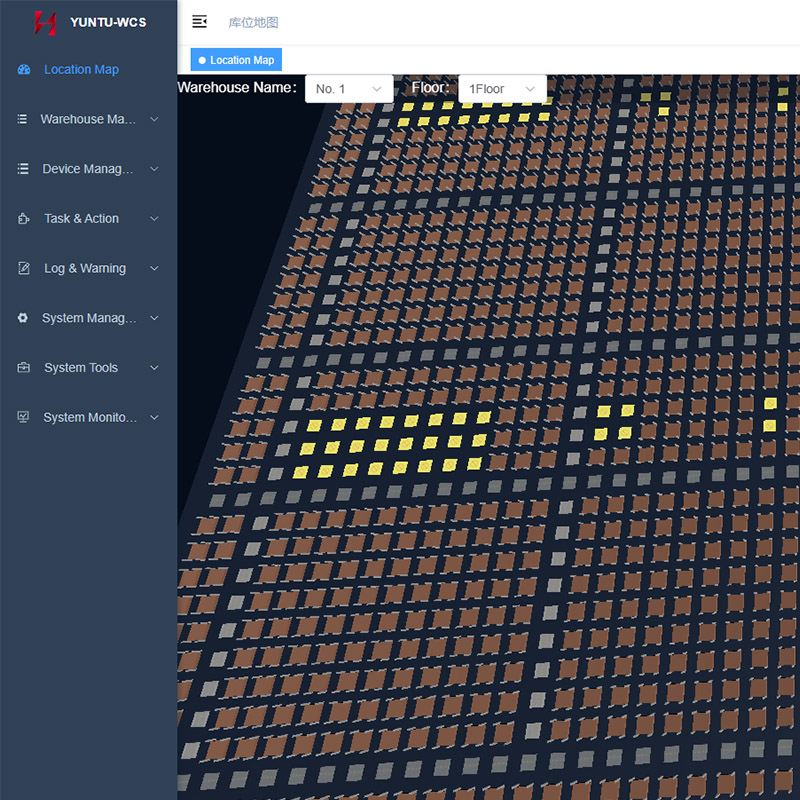
integrated WMS + MES + WCS
This integration allows:
real-time inventory synchronization
reduced material handling time
faster production-to-delivery cycles
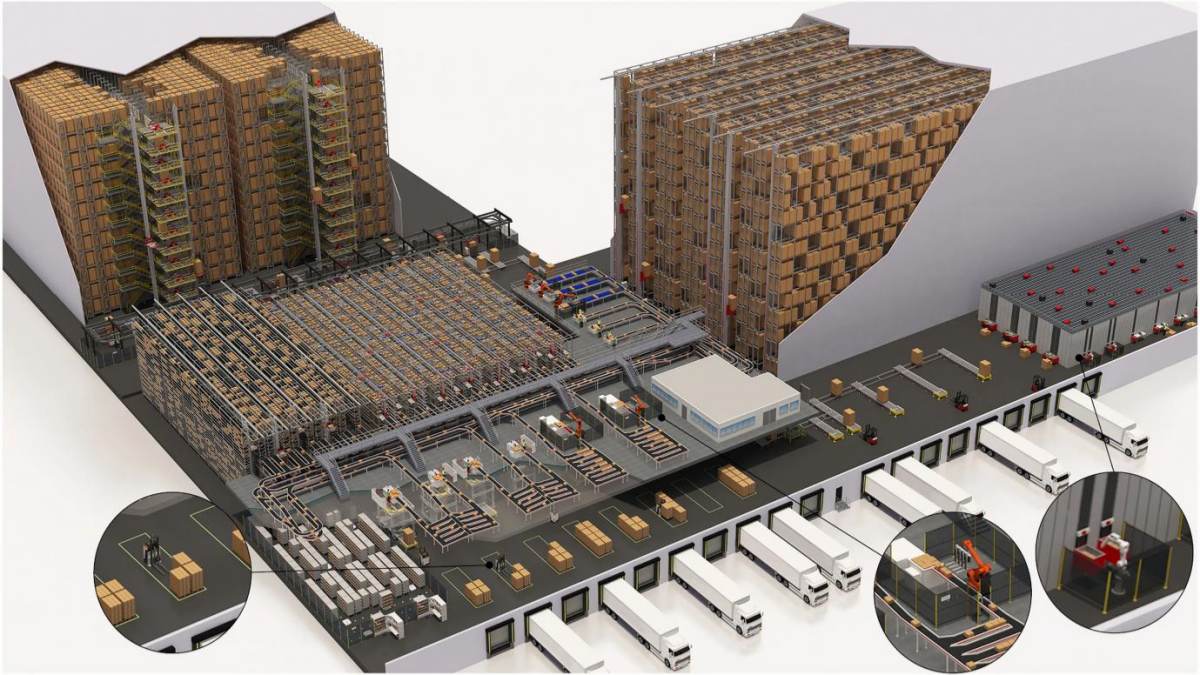
Core Technologies in Industrial Automation Systems
1. Industrial Machine Automation
Industrial machine automation focuses on automating production equipment such as:
CNC machines
robotic arms
packaging systems
assembly lines
These systems increase production precision and consistency.
2. Process Automation Controls
Process automation controls are the intelligence behind automation systems.
System | Function |
PLC | Machine-level control |
DCS | Large-scale process control |
SCADA | Monitoring and visualization |
HMI | Operator interface |
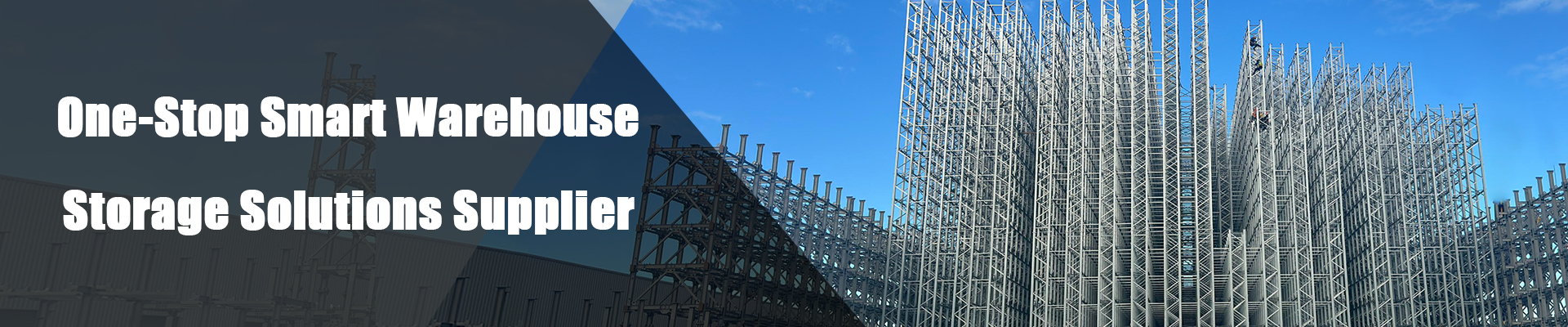
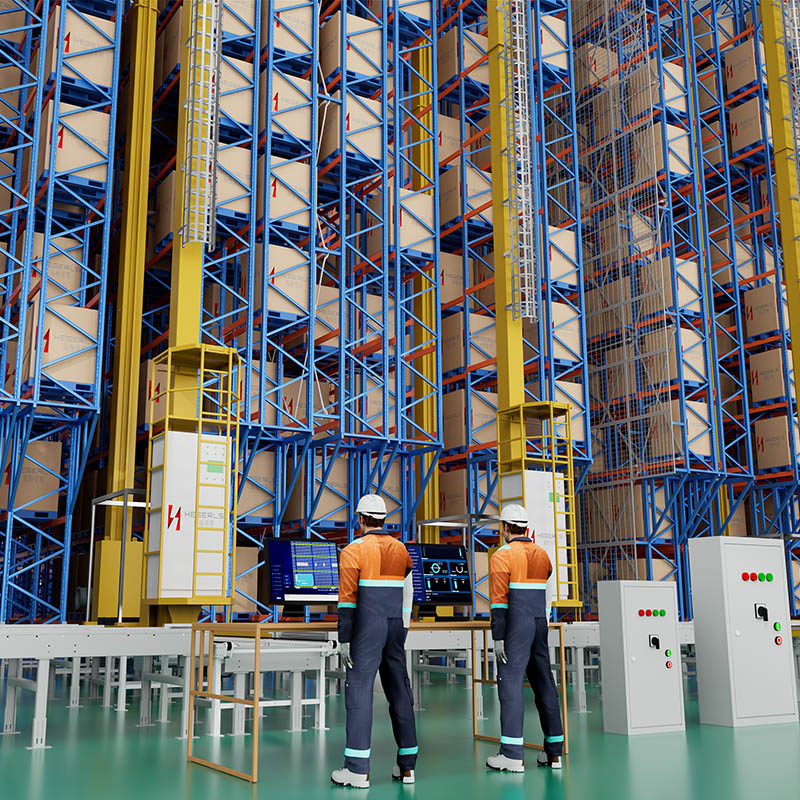
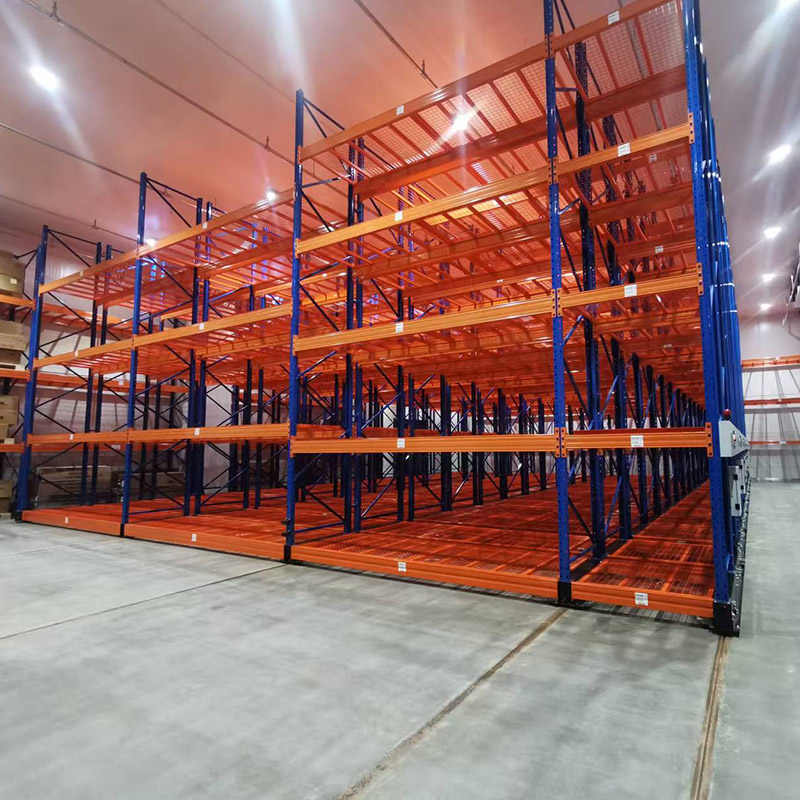
3. Automated Storage and Retrieval Systems (ASRS)
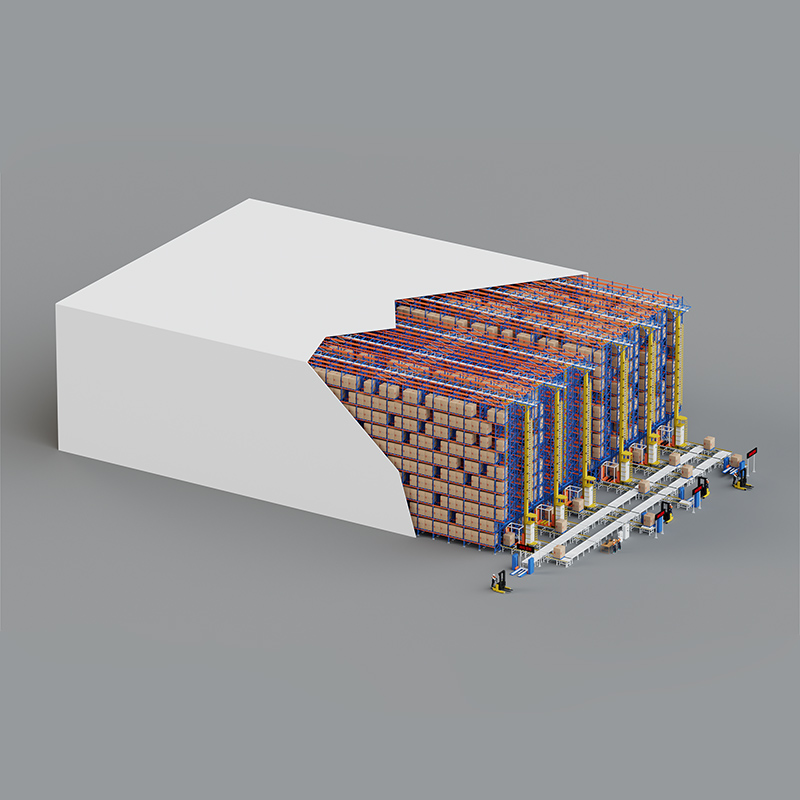
Automated storage and retrieval systems (ASRS) play a critical role in modern industrial automation.
They automate:
storage of raw materials
work-in-progress inventory
finished goods handling
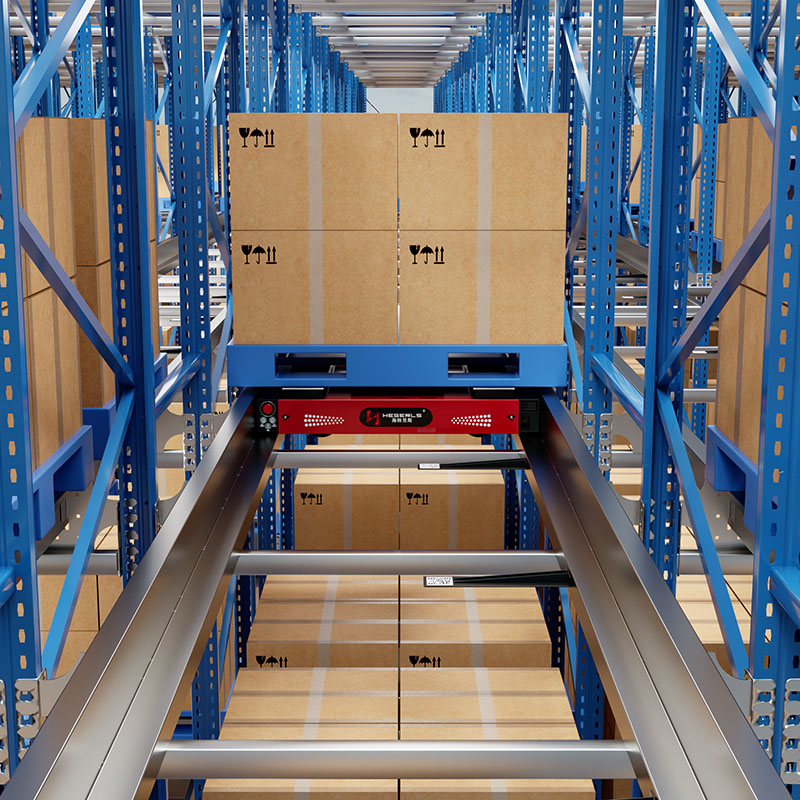
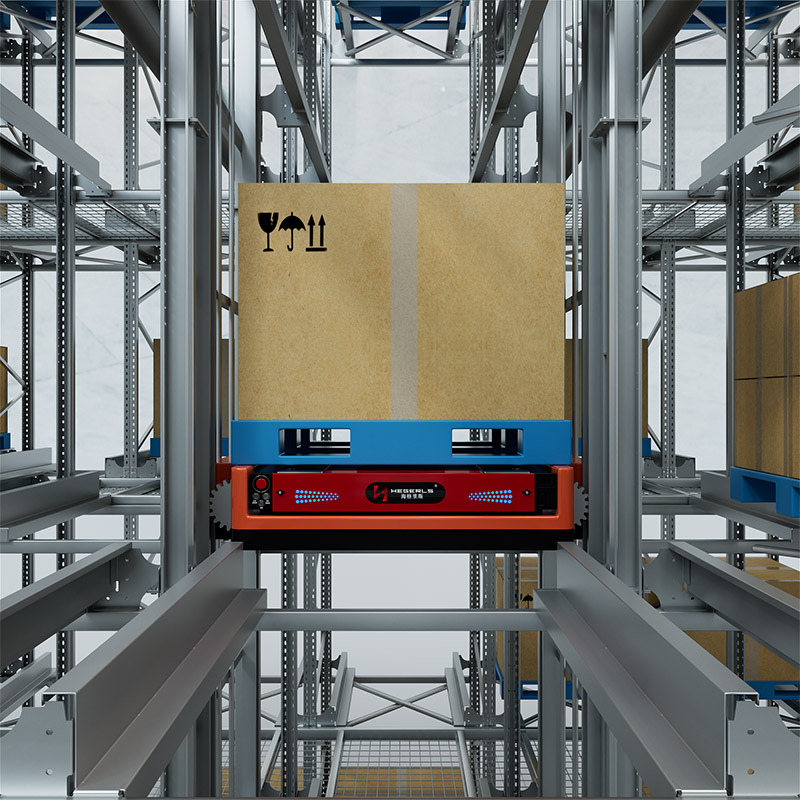
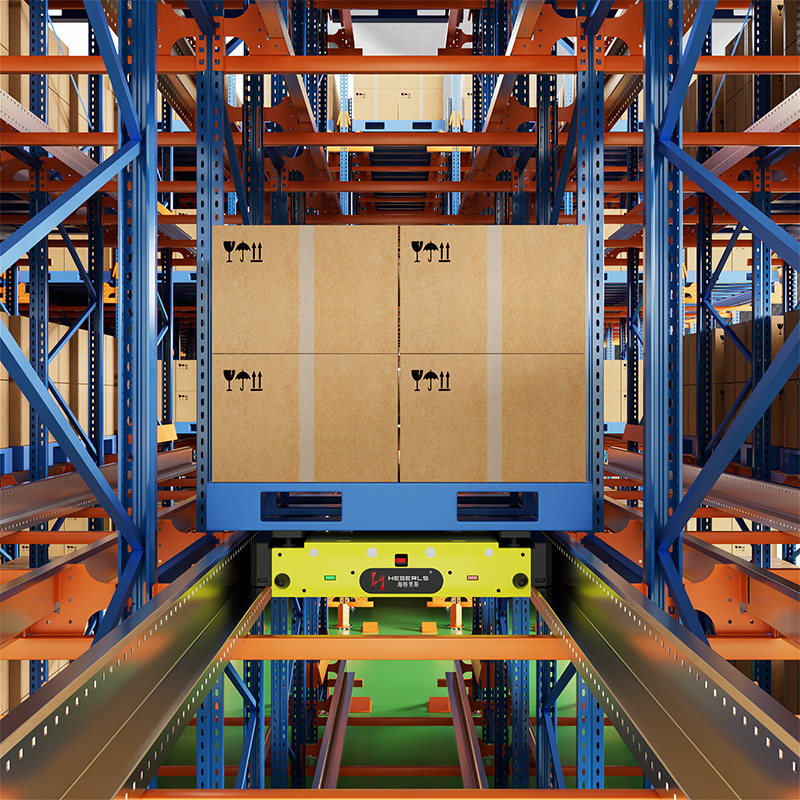
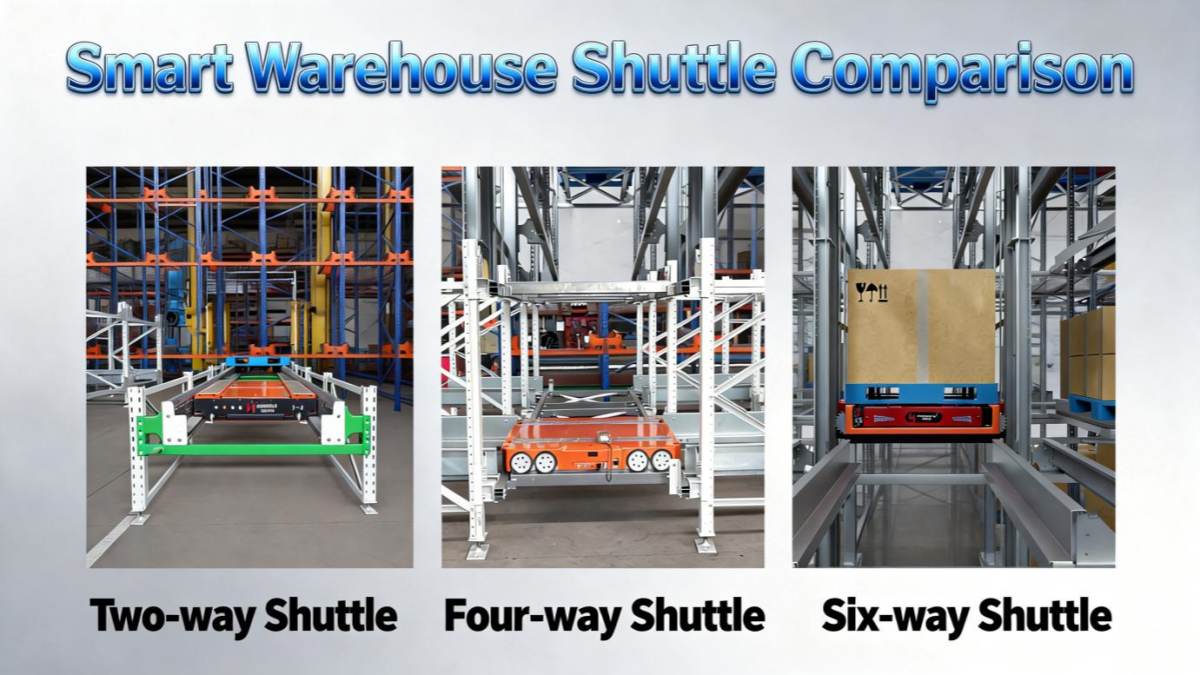
4. Shuttle and Robotic Warehouse Systems
Warehouse automation includes:
goods-to-person systems
robotic picking solutions
These systems optimize intralogistics and inventory flow.
How Industrial Process Automation Systems Work
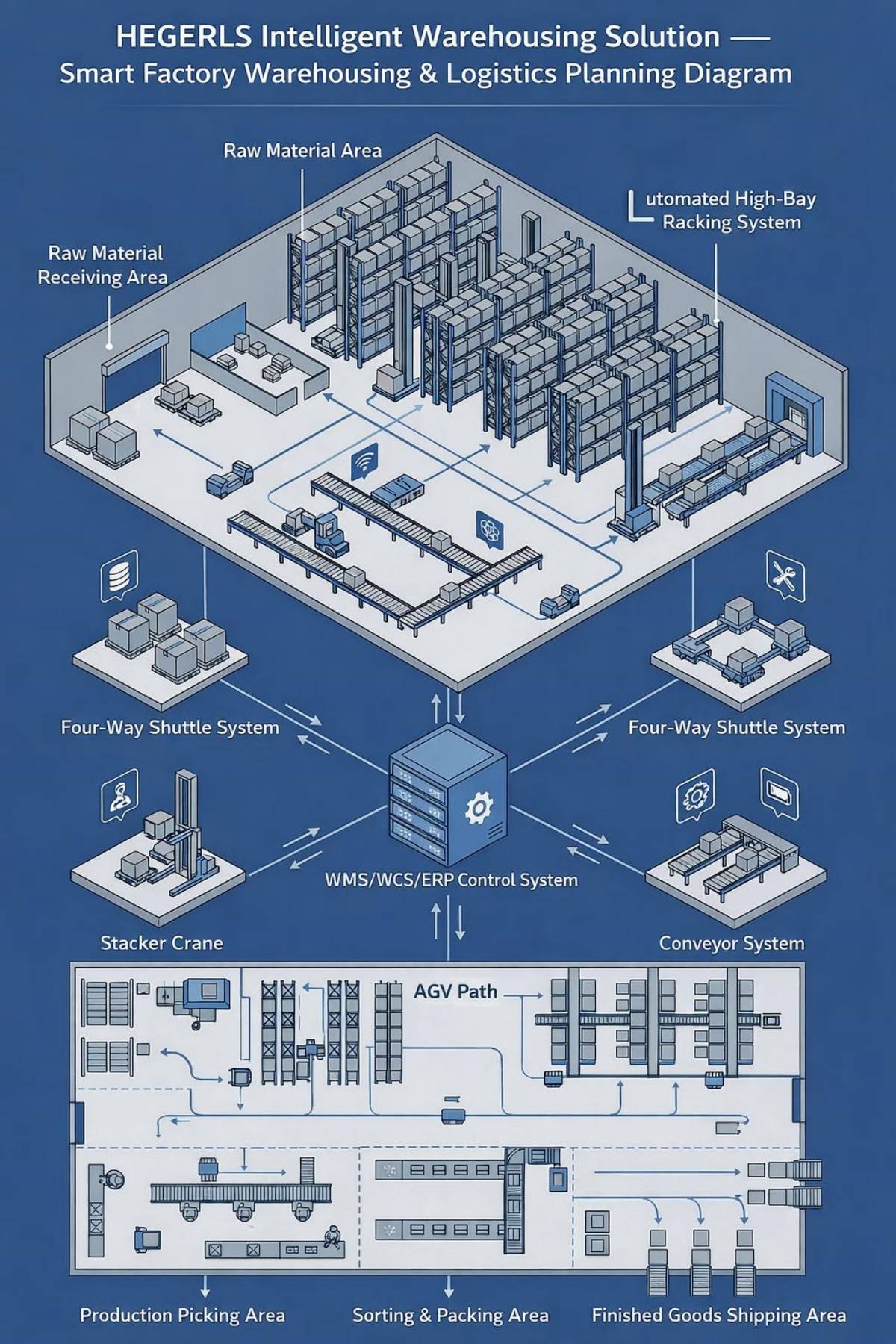
An integrated automation system connects production and storage into a single workflow.
Example Workflow
1. Raw materials enter automated warehouse
2. ASRS retrieves materials for production
3. Automated production line processes goods
4. Finished products are transported via conveyors
5. Warehouse automation system stores goods automatically
6. Orders trigger automated retrieval and shipping
This creates a closed-loop automated supply chain.
Benefits of Integrated Industrial Automation Systems
1. End-to-End Efficiency
Automation eliminates manual handoffs between production and storage.
2. Higher Throughput
Integrated systems increase production and logistics speed.
Metric | Improvement |
Production Efficiency | +30–50% |
Warehouse Throughput | +2–3× |
Order Fulfillment Speed | +40% |
3. Reduced Operational Costs
Automation reduces labor, errors, and downtime.
4. Real-Time Data Visibility
Integrated systems provide real-time data for:
inventory
production
order status
Types of Industrial Automation Systems
Based on Production
Type | Description |
Fixed Automation | High-volume production |
Programmable Automation | Batch production |
Flexible Automation | Adaptive systems |
Integrated Automation | Fully connected smart factory |
Based on Warehouse Integration
System | Function |
ASRS Systems | Automated pallet storage |
Small item storage | |
Shuttle Systems | High-density storage |
GTP Systems | Order picking automation |
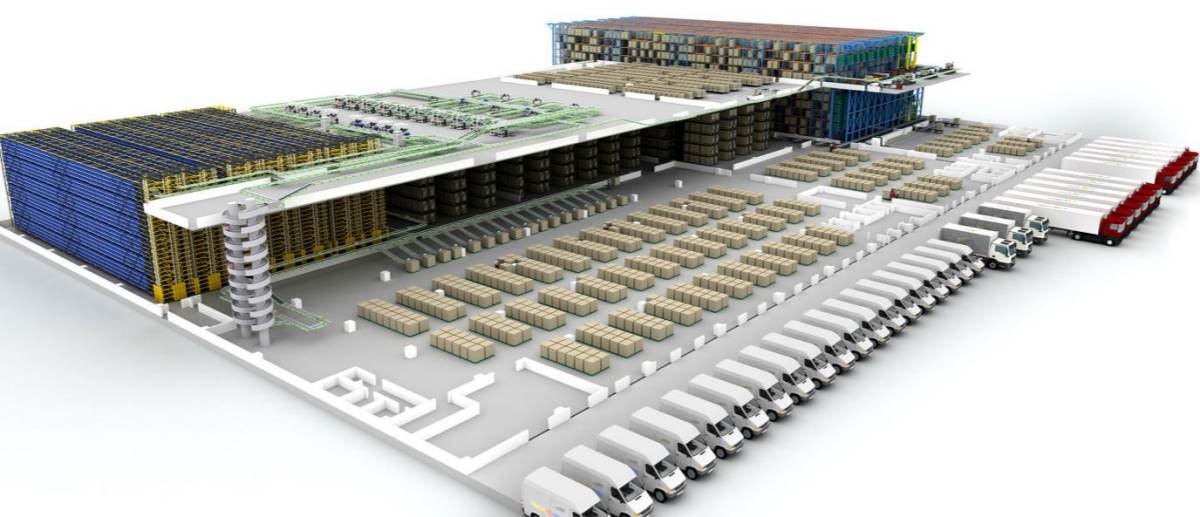
Industrial Automation in Smart Warehouses
Warehouse automation is now a core part of industrial systems.
Key Components
robotic picking systems
conveyor and sorting systems
Example Warehouse Performance
Parameter | Value |
Storage Capacity | 50,000+ pallet positions |
Throughput | 2000+ movements/hour |
Inventory Accuracy | >99% |
Advanced Functions of Industrial Automation
Predictive Maintenance
AI analyzes machine data to predict failures before they occur.
Digital Twin Technology
Simulation tools model warehouse and production systems before implementation.
AI Optimization
Automation systems optimize:
production scheduling
inventory placement
material flow
Industrial Automation Use Cases
Manufacturing
automated production lines
robotic assembly
Logistics
automated warehouses
distribution centers
E-commerce
high-speed order fulfillment
Automotive
fully automated production systems
Future Trends in Industrial Automation
Smart Factories
Fully automated factories with integrated production and logistics systems.
Robotics Expansion
Increased use of:
AMRs
AGVs
robotic picking
Data-Driven Automation
Big data and AI will drive continuous optimization.
How to Choose the Right Industrial Automation System
Factor | Consideration |
Production Type | Continuous or batch |
Warehouse Needs | Storage density and throughput |
Budget | Investment level |
Scalability | Future expansion |
Integration | Existing systems compatibility |
Why Integrated Automation Is the Future
Companies are moving toward fully automated ecosystems where:
production
storage
logistics
are seamlessly connected.
This reduces:
operational delays
labor dependency
inventory inefficiencies
Build Your Smart Factory and Automated Warehouse
If your business is looking to upgrade production efficiency and warehouse performance, integrating industrial process automation systems with warehouse automation is the key.
HEGERLS provides complete solutions including:
industrial automation systems
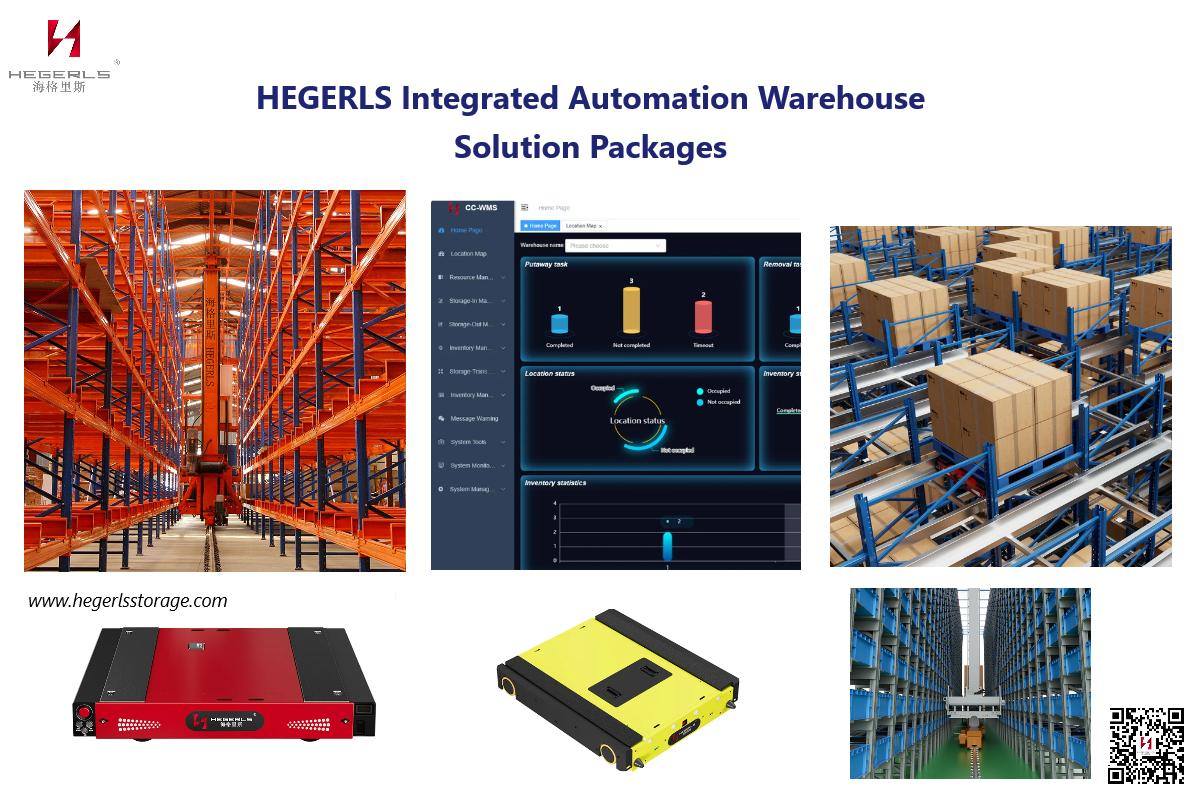
Our Solutions Help You:
Increase operational efficiency by 30–50%
Reduce labor costs by up to 60%
Improve inventory accuracy and visibility
Build scalable smart factory infrastructure