

What Is a Mini Load Automated Storage and Retrieval System?
A mini load automated storage and retrieval system (Mini Load ASRS) is a high-speed automated warehouse solution designed for handling small to medium-sized items, such as cartons, bins, trays, and totes.
Unlike unit load ASRS systems, which handle pallets, a mini load ASRS system focuses on lightweight inventory and is widely used in e-commerce fulfillment, spare parts storage, and retail distribution.
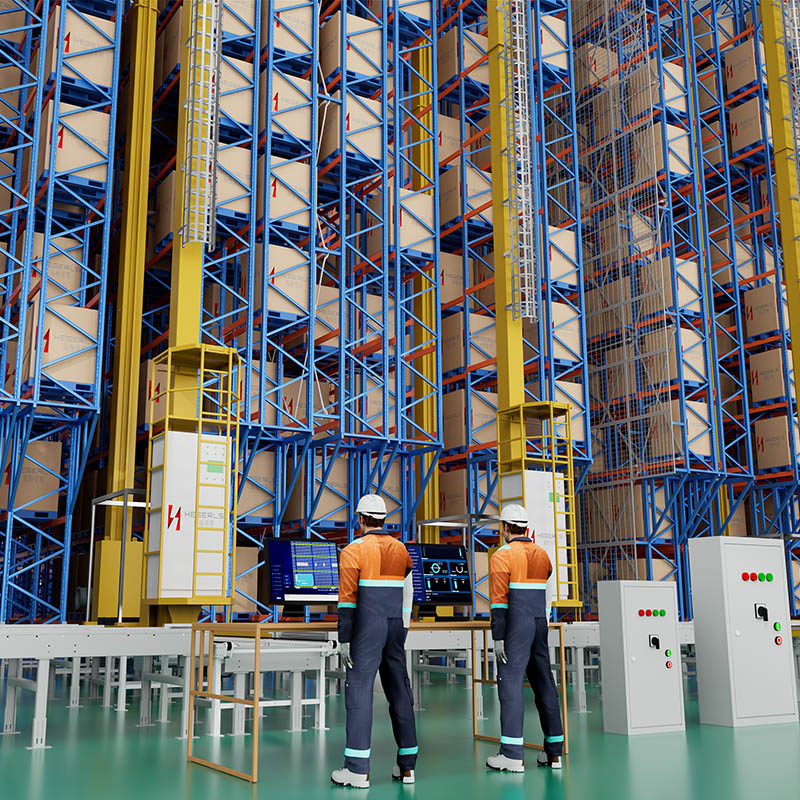
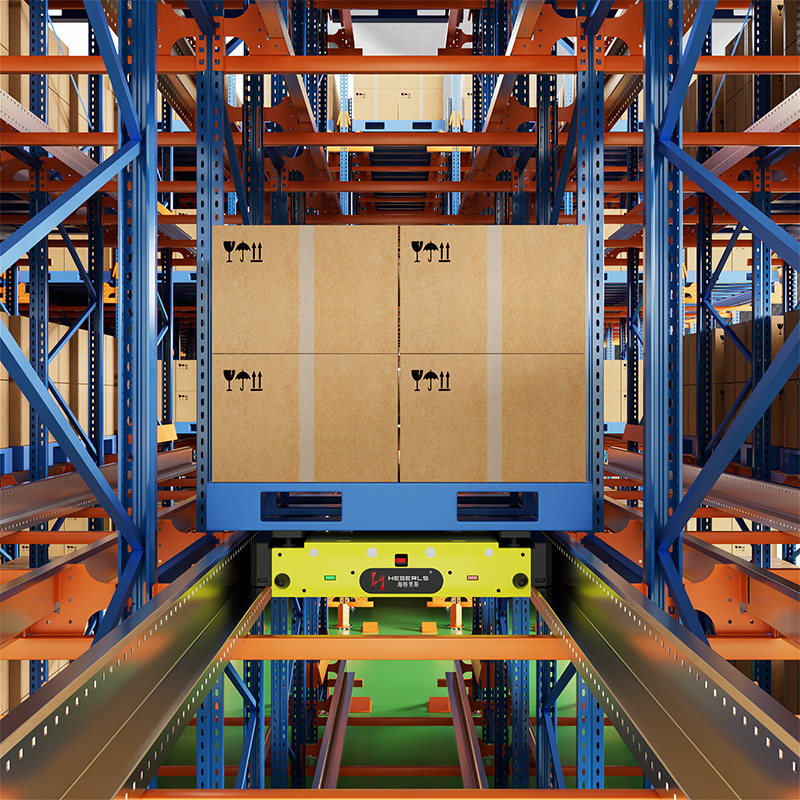
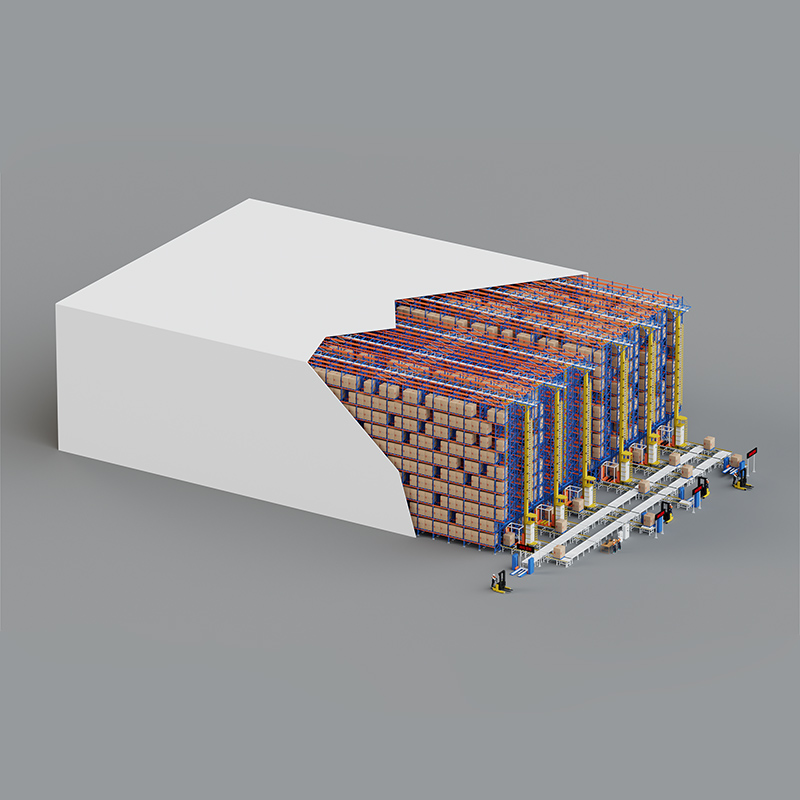
A typical miniload automated warehouse uses:
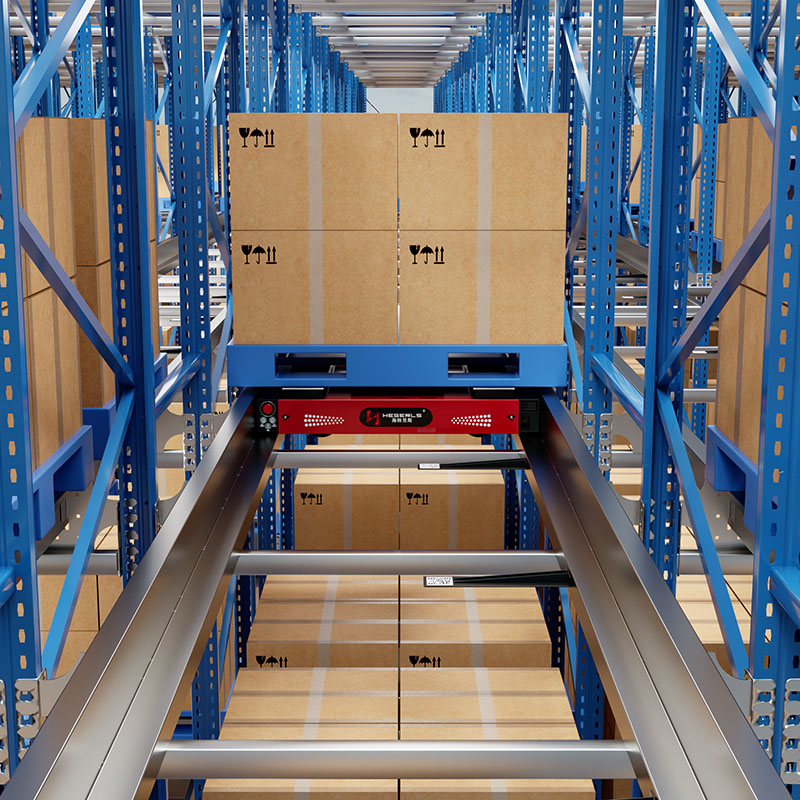
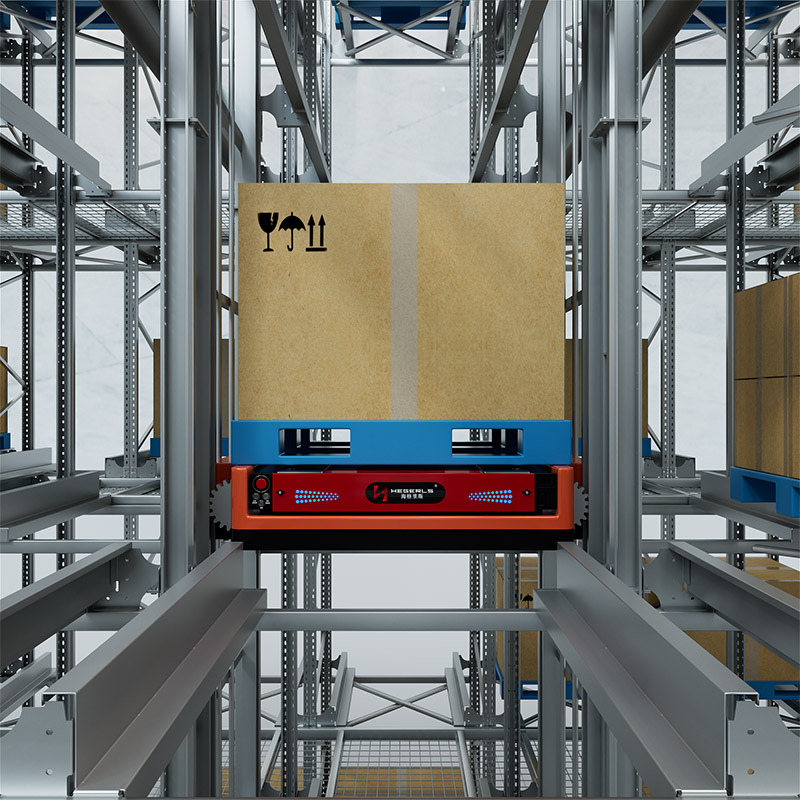
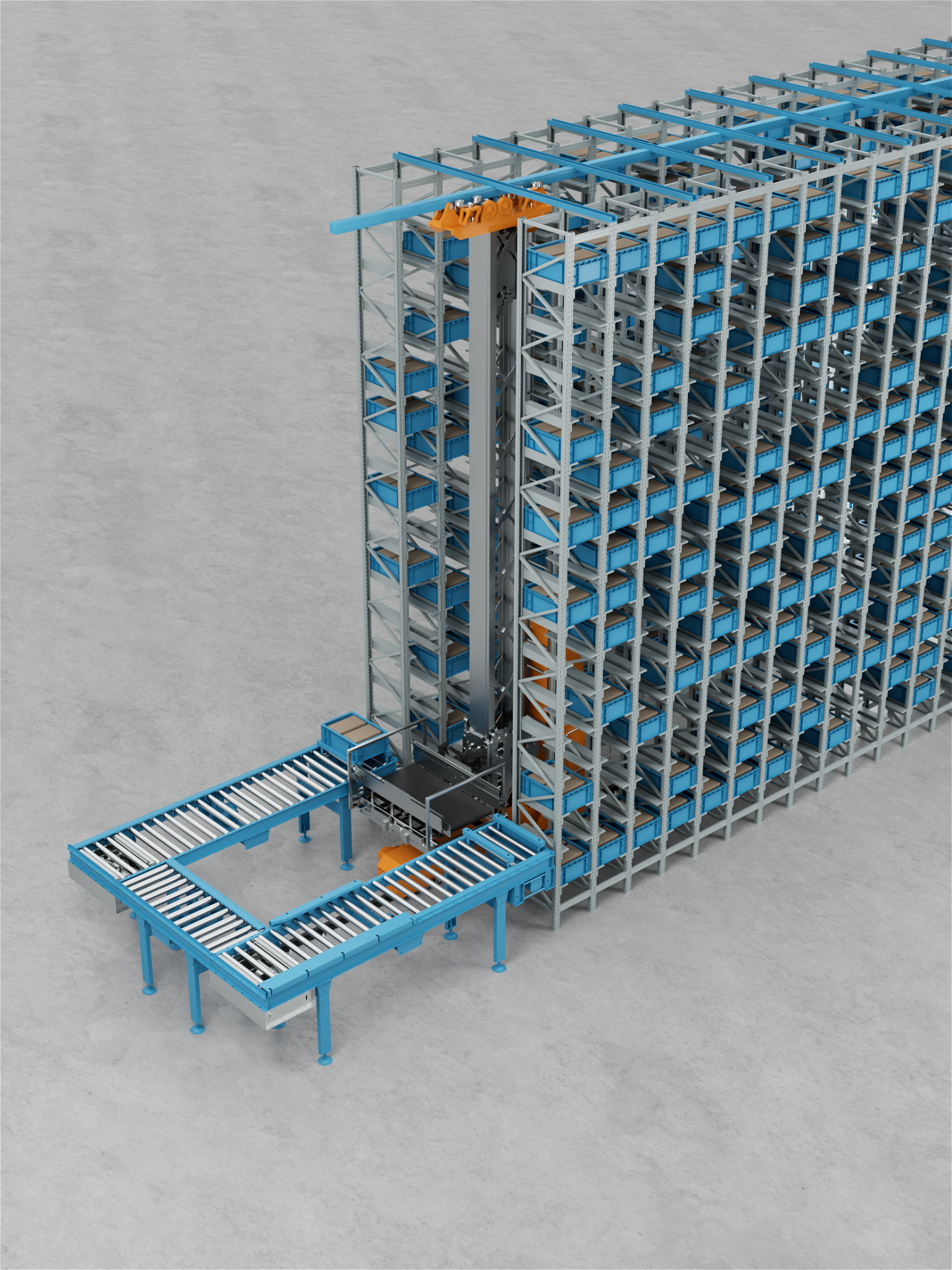
high-speed mini-load cranes or shuttle robots
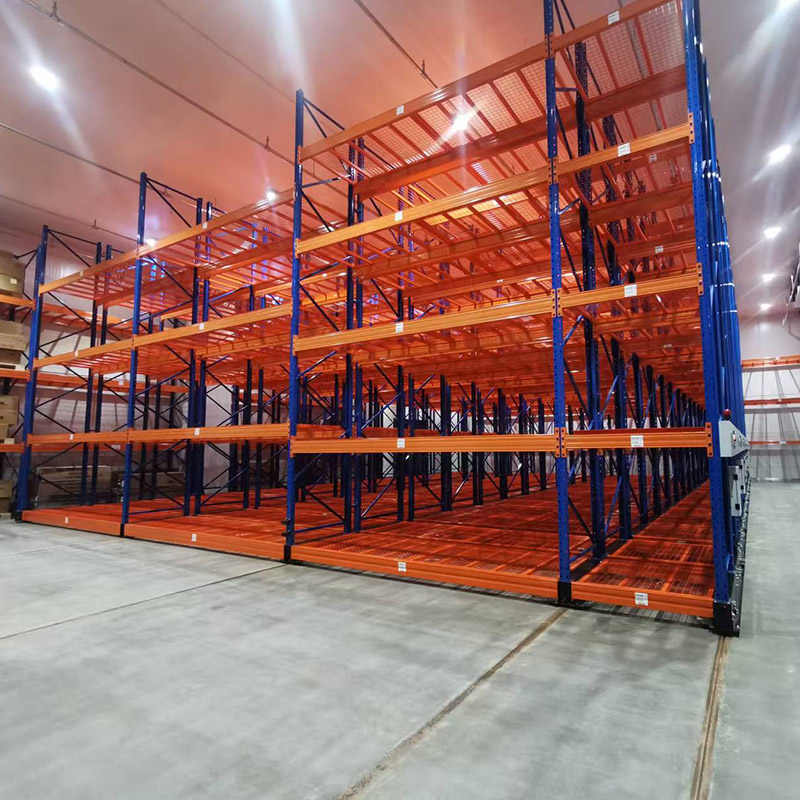
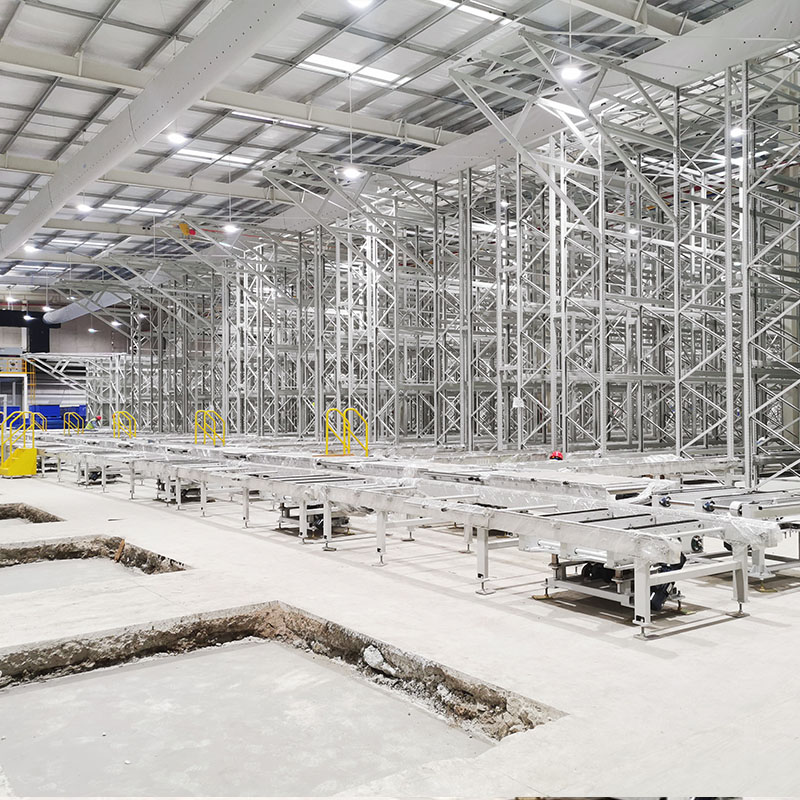
high-density shelving systems
conveyor systems
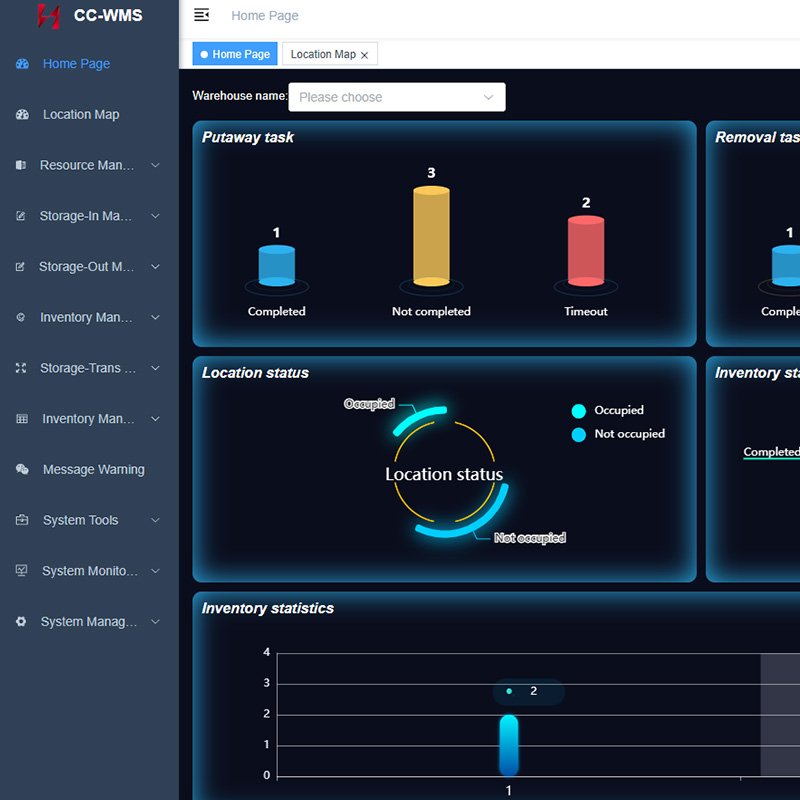
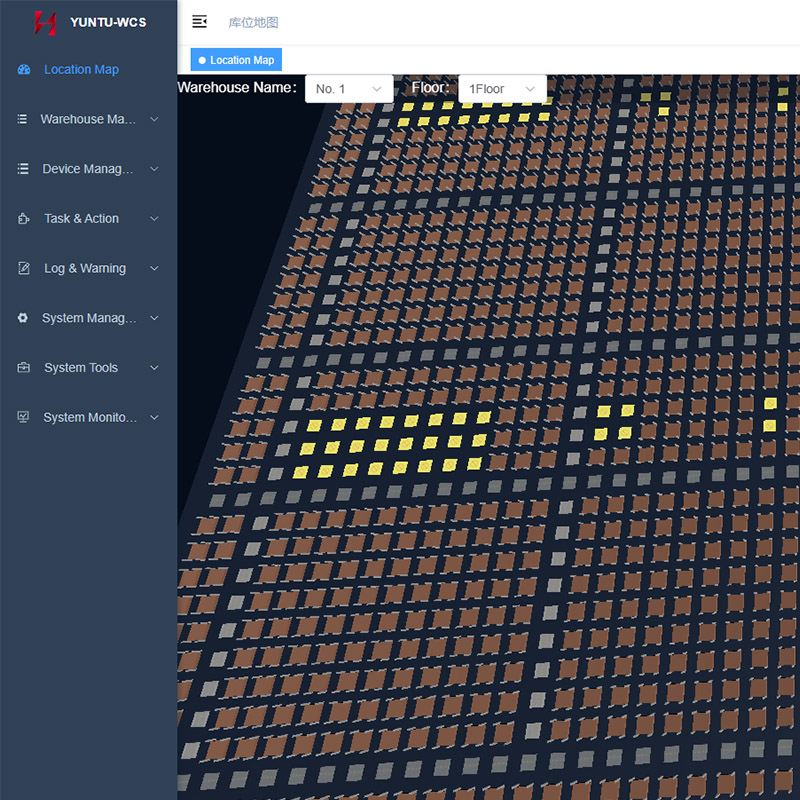
warehouse control system (WCS)
These components work together to deliver fast, accurate, and efficient automated storage and retrieval operations.
How Does a Mini Load ASRS Work?
A mini load ASRS system automates the storage and retrieval of bins or cartons through coordinated software and mechanical systems.
Standard Workflow
1. Items are received and placed into bins or totes
2. Barcode or RFID systems identify inventory
3. Conveyors transport bins to the ASRS interface
4. Mini-load cranes or shuttles store items in rack locations
5. Inventory is tracked in real time by WMS
6. When orders are generated, items are automatically retrieved
This goods-to-person system significantly reduces manual picking time and increases order accuracy.
Mini Load ASRS vs Unit Load ASRS
Understanding the difference between mini load ASRS and unit load ASRS systems is critical when choosing the right solution.
Feature | Mini Load ASRS | Unit Load ASRS |
Load Type | Bins, totes, cartons | Pallets |
Weight Capacity | Light to medium | Heavy loads |
Application | E-commerce, small parts | Manufacturing, bulk storage |
Storage Density | Very high | High |
Throughput | Very high | Moderate to high |
Mini load systems are ideal for high SKU environments with fast picking requirements, while unit load systems are better suited for palletized goods.
Key Advantages of Mini Load ASRS Systems
High-Speed Order Picking
Mini load ASRS systems are designed for rapid retrieval of small items.
Performance Metric | Typical Value |
Picking Speed | Up to 1000 bins/hour |
System Accuracy | >99% |
Response Time | Seconds per retrieval |
This makes them ideal for e-commerce and retail fulfillment centers.
High Storage Density
Mini load systems use narrow aisles and vertical storage, maximizing warehouse space.
Storage Type | Space Utilization |
Manual Shelving | 30–40% |
Static Racking | 50–60% |
Mini Load ASRS | 70–85% |
Reduced Labor Costs
Automation reduces manual picking and walking time.
Cost Factor | Improvement |
Labor Reduction | 40–70% |
Picking Errors | Reduced by 70% |
Order Processing Speed | Increased by 2–3× |
Improved Inventory Accuracy
With full integration of WMS/WCS, mini load systems provide real-time inventory visibility, reducing stock discrepancies.
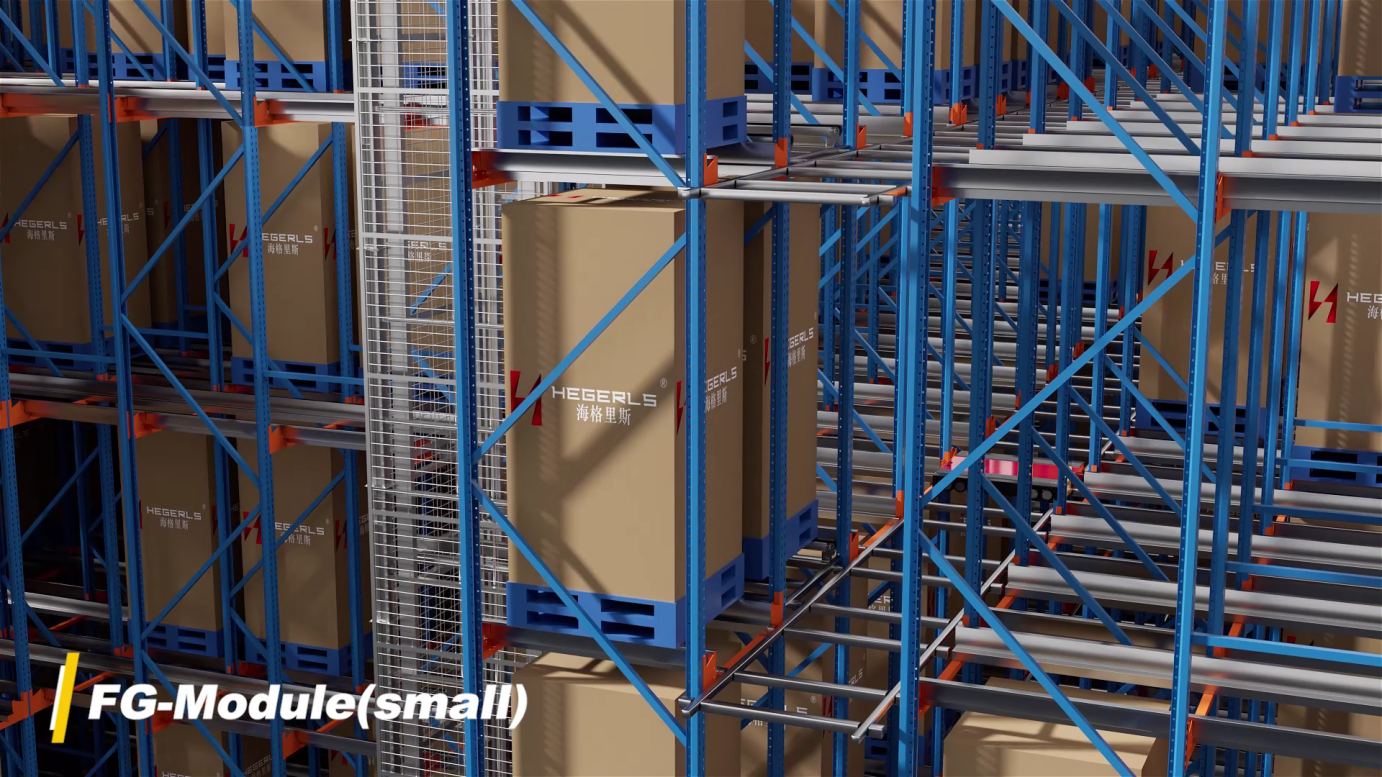
Types of Mini Load ASRS Systems
There are several variations of mini load ASRS systems, depending on warehouse requirements.
System Type | Description | Application |
Crane-Based Mini Load | Uses stacker cranes for bin handling | High-density storage |
Shuttle-Based Mini Load | Uses shuttle robots across levels | High-speed fulfillment |
Automated Bin Storage System | Focused on small parts storage | Spare parts warehouses |
Goods-to-Person System | Delivers bins directly to operators | E-commerce picking |
These systems can also be integrated with robotic picking systems for full automation.
Applications of Mini Load Automated Warehouses
Mini load systems are widely used in industries that require fast and accurate handling of small items.
Industry | Application |
E-commerce | Order fulfillment |
Retail | Distribution centers |
Electronics | Component storage |
Pharmaceutical | Controlled inventory |
Automotive | Spare parts storage |
According to industry reports, e-commerce warehouses account for over 45% of mini load ASRS deployments globally.
Typical Mini Load Warehouse Design
A standard miniload warehouse includes:
high-density shelving (up to 20–25 meters high)
mini-load cranes or shuttle robots
conveyor systems
picking stations
warehouse management software
Example system parameters:
Parameter | Typical Value |
Warehouse Height | 15–25 m |
Storage Capacity | 50,000–200,000 bins |
Throughput | 500–2000 bins/hour |
Number of Cranes | 2–10 units |
This configuration supports high-volume, high-SKU operations.
Mini Load ASRS System Cost
The cost of a mini load automated storage and retrieval system depends on system size and complexity.
System Size | Estimated Cost |
Small System | $200,000 – $800,000 |
Medium System | $800,000 – $2 million |
Large System | $2 million – $6 million |
ROI of Mini Load ASRS
Most companies achieve ROI within 2–4 years.
ROI Drivers
reduced labor costs
faster order fulfillment
improved inventory accuracy
increased warehouse capacity
Future Trends in Mini Load ASRS Technology
AI-Based Picking Optimization
AI will optimize order picking sequences and inventory placement.
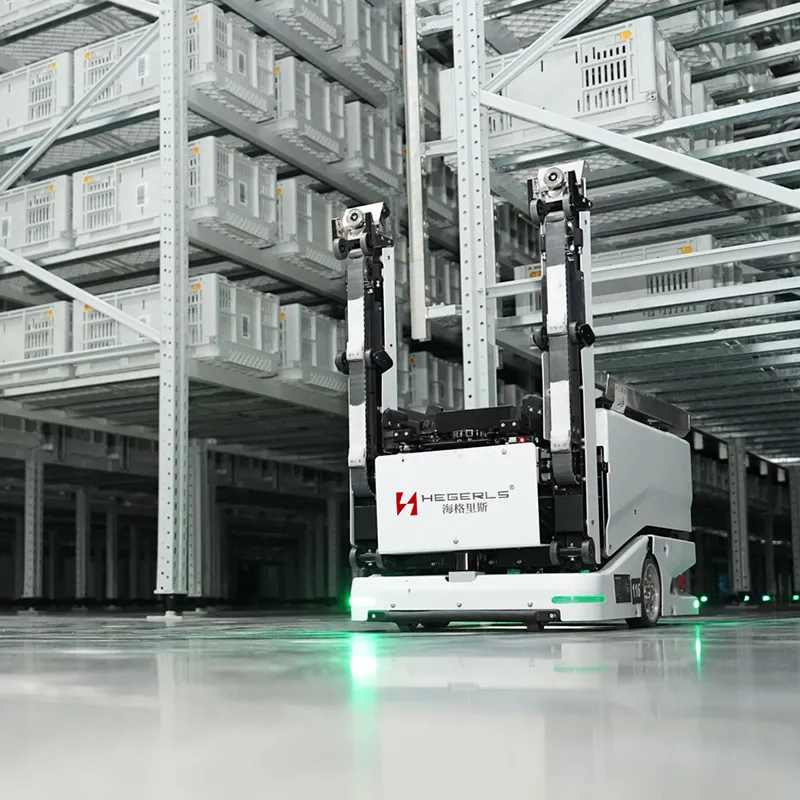
Robotics Integration
Mini load systems are increasingly integrated with:
robotic picking arms
AMRs (Autonomous Mobile Robots)
automated sorting systems
Smart Warehouse Systems
Future miniload automated warehouses will be fully integrated into smart logistics ecosystems with real-time data analytics.
Why Choose HEGERLS Mini Load ASRS Solutions?
HEGERLS provides advanced mini load automated storage and retrieval systems designed for high-speed, high-density warehouse operations.
Our solutions include:
customized mini load ASRS system design
high-performance storage racks
intelligent control systems
scalable warehouse automation solutions
With extensive experience in warehouse automation, HEGERLS helps businesses build efficient and future-ready automated warehouse storage systems.
Upgrade Your Warehouse with a Mini Load ASRS System
If your warehouse handles high SKU volumes, small items, and fast order processing, a mini load automated storage and retrieval system is the ideal solution.
HEGERLS can help you design a customized miniload warehouse system to improve efficiency, reduce costs, and scale your operations.