

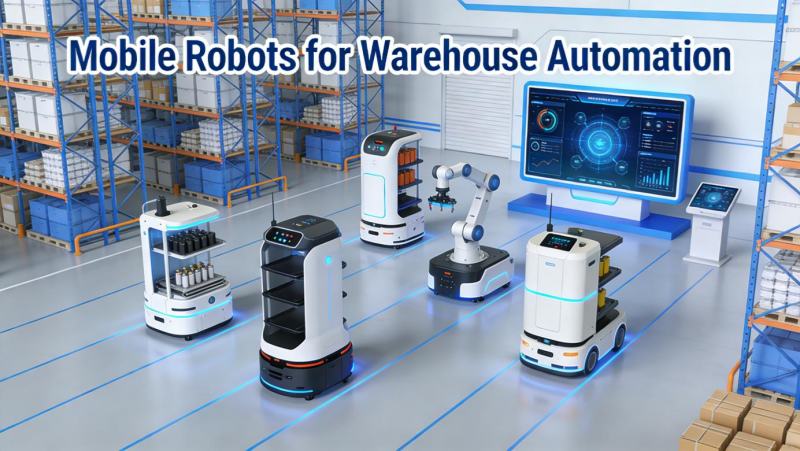
What Are Mobile Robots for Warehouse Automation?
Mobile robots for warehouse automation refer to intelligent robotic systems—commonly known as Autonomous Mobile Robots (AMRs)—that are used to transport goods, optimize workflows, and automate material movement within warehouses.
These systems are a core part of modern warehouse robotics technology, enabling facilities to operate with higher efficiency, flexibility, and accuracy.
Unlike traditional conveyor systems or fixed automation, autonomous mobile robots warehouse solutions can dynamically navigate warehouse environments using sensors, cameras, and AI-based mapping systems.
According to industry reports, the global AMR market is expected to exceed $20 billion by 2030, driven by the rapid growth of e-commerce and warehouse automation demand.
How Mobile Robots Work in Warehouse Automation
Mobile robots for warehouse automation operate through a tightly integrated system of hardware, software, and intelligent navigation algorithms. These systems are not simply “moving machines”—they are fully connected nodes within a smart warehouse ecosystem.
At the core of AMR warehouse automation is real-time decision-making, allowing robots to dynamically adjust routes based on warehouse conditions.
Core Technologies Behind AMRs
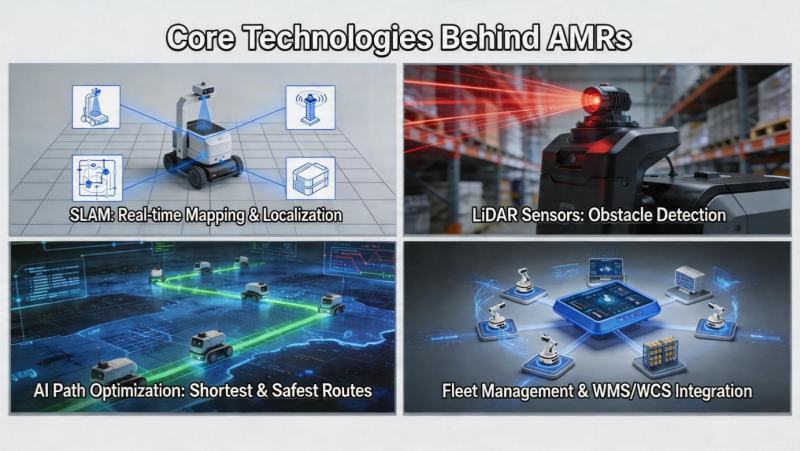
Modern autonomous mobile robots warehouse systems rely on several key technologies:
· SLAM (Simultaneous Localization and Mapping): allows robots to build and update maps in real time
· LiDAR sensors: detect obstacles and warehouse layout
· AI path optimization: ensures shortest and safest routes
· Fleet management software: coordinates multiple robots simultaneously
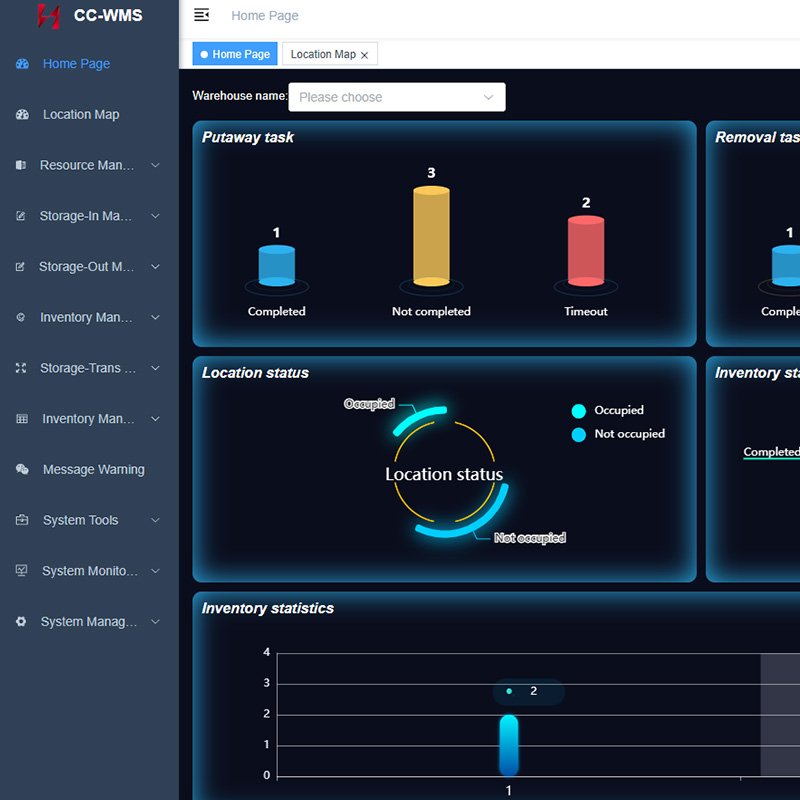
· WMS/WCS integration: connects robots with warehouse operations
End-to-End Workflow
A typical warehouse AMR system follows this operational flow:
1. Warehouse Management System(WMS) assigns transport or picking tasks
2. AMRs receive instructions via wireless network
3. Robots calculate optimal routes using onboard AI
4. Robots navigate autonomously through aisles and dynamic environments
5. Goods are delivered to picking stations, conveyors, or storage zones
6. Inventory status is updated in real time
This creates a fully synchronized warehouse logistics AMR ecosystem, where every movement is tracked, optimized, and executed automatically.
Key Types of Warehouse Mobile Robots
The modern warehouse robotics technology ecosystem includes multiple categories of mobile robots, each designed for specific operational scenarios.
1. Autonomous Mobile Robots (AMRs)
Robots that navigate dynamically using sensors, cameras, and AI—no fixed paths required.
Key Features:
· Real-time path planning
· Obstacle avoidance
· Flexible deployment
Typical Applications:
· Goods-to-person picking
· Order fulfillment
· Internal material transport
2. Automated Guided Vehicles (AGVs)
Robots that follow predefined paths using magnetic tape, QR codes, or wires.
Key Features:
· Fixed navigation routes
· High reliability
· Lower upfront cost than AMRs
Typical Applications:
· Repetitive transport tasks
· Pallet movement in manufacturing
· Fixed-route logistics
Difference vs AMR:
AGVs are less flexible but more predictable compared to AMRs.
3. Autonomous Forklifts
Driverless forklifts designed for pallet handling and heavy-load transport.
Key Features:
· High load capacity
· Integration with WMS/WES
· Automated pallet stacking/unstacking
Typical Applications:
· Loading/unloading trucks
· Pallet storage in high-bay warehouses
· Cross-docking operations
4. Goods-to-Person (GTP) Robots
Robots that bring inventory shelves or bins directly to human workers.
Key Features:
· Reduces walking time
· Improves picking accuracy
· High throughput
Typical Applications:
· E-commerce fulfillment centers
· Small-item picking operations
Example Systems:
· Shelf-moving robots
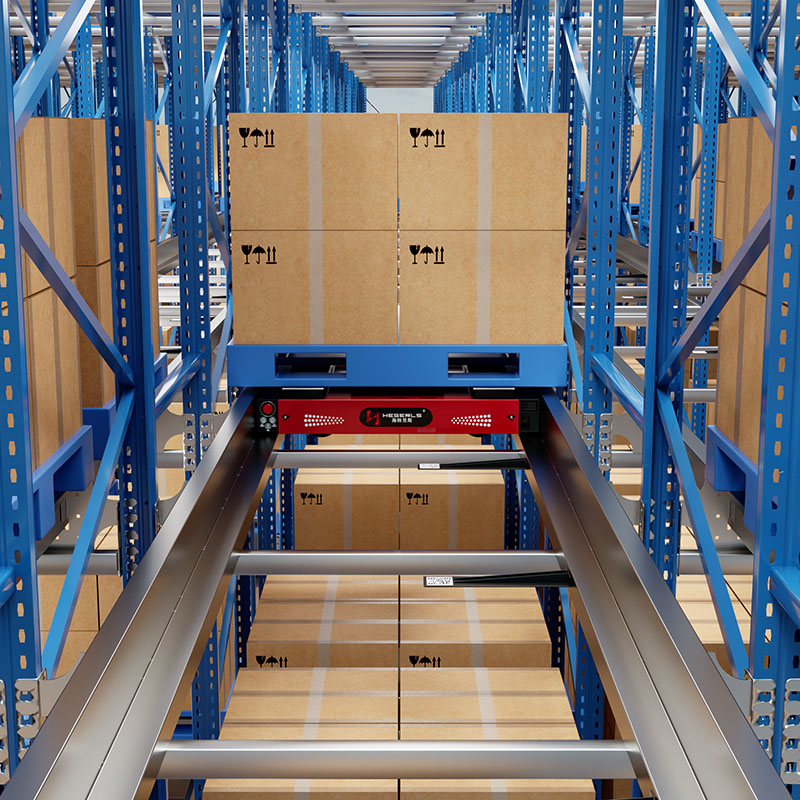
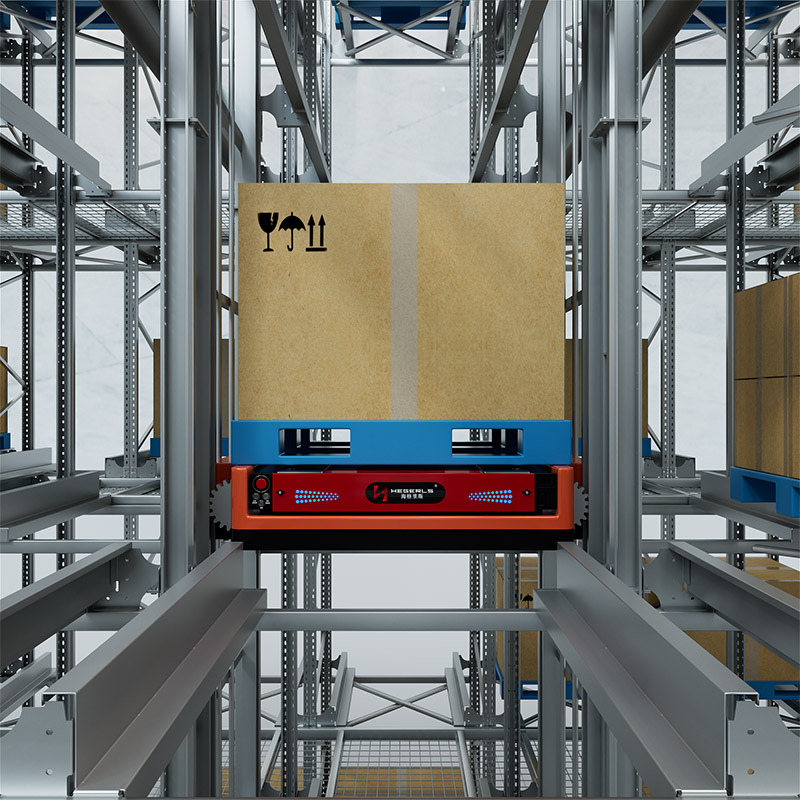
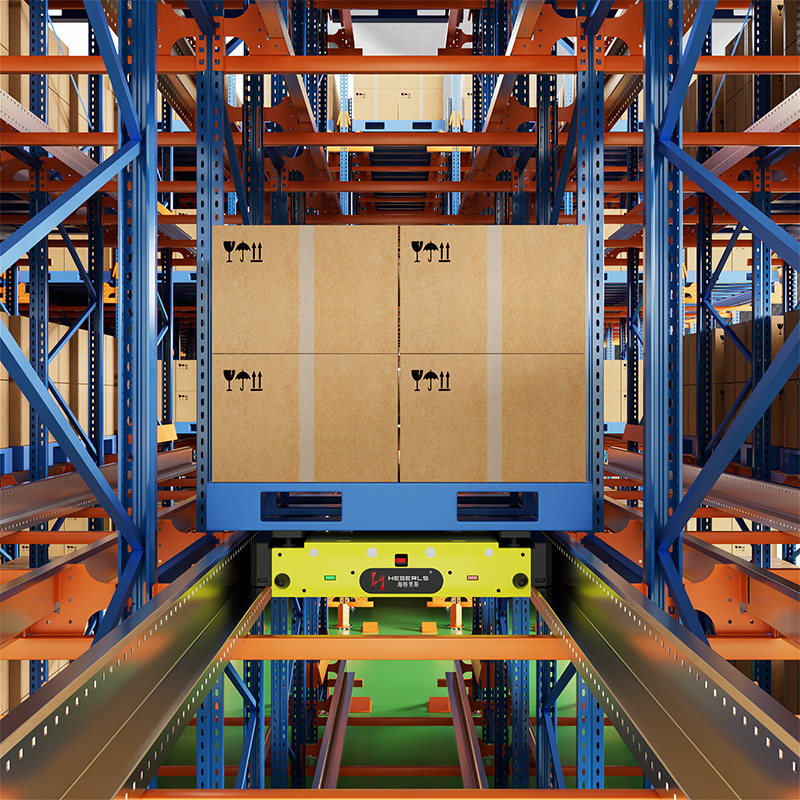
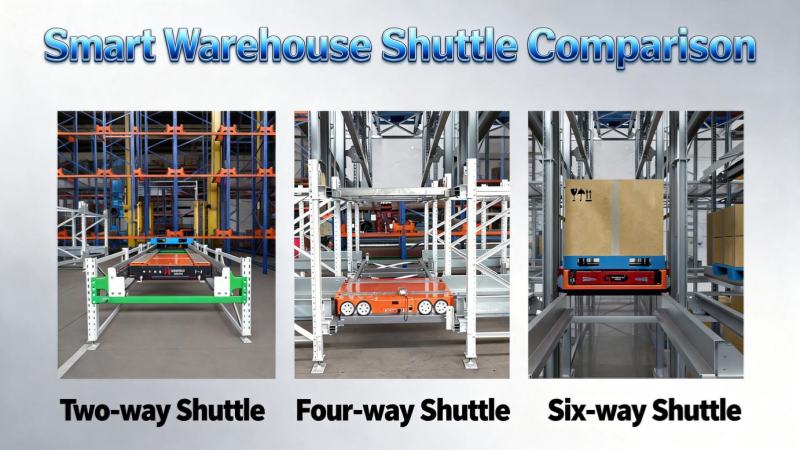
5. Shuttle Robots (Multi-directional)
Robots that move within racking systems to transport bins or pallets.
Key Features:
· Operate in dense storage environments
· High-speed horizontal/vertical movement
· Can be 2-way or 4-way shuttles
Typical Applications:
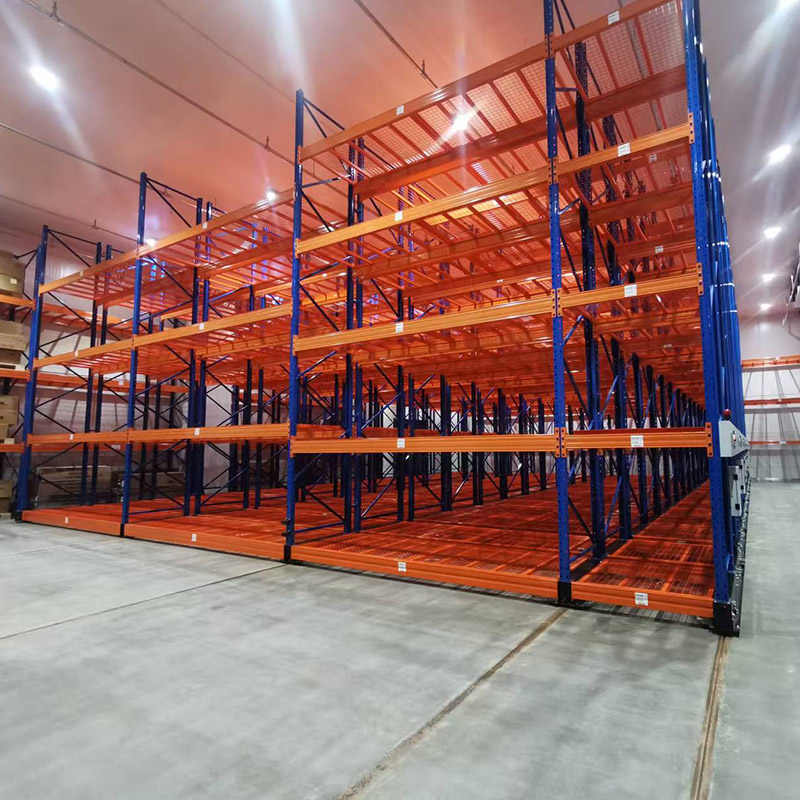
· High-density pallet storage
6. Collaborative Mobile Robots (Co-bots)
Robots designed to safely work alongside human operators.
Key Features:
· Advanced safety sensors
· Human-robot interaction
· Easy programming
Typical Applications:
· Assisted picking
· Sorting operations
· Assembly support
7. Sorting Robots
Robots specialized in sorting parcels or items to designated locations.
Key Features:
· High-speed sorting capability
· AI-based recognition
· Scalable swarm deployment
Typical Applications:
· Parcel hubs
· E-commerce distribution centers
· Reverse logistics
8. Inventory Scanning Robots
Robots equipped with scanners (RFID/barcode) to track inventory automatically.
Key Features:
· Real-time inventory tracking
· High accuracy
· Reduced manual audits
Typical Applications:
· Cycle counting
· Inventory auditing
· Stock verification
Summary Table
Robot Type | Flexibility | Cost Level | Best For |
AMRs | High | Medium | Dynamic warehouses |
AGVs | Low | Low | Fixed-route transport |
Autonomous Forklifts | Medium | High | Heavy pallet handling |
GTP Robots | High | Medium | Order picking |
Shuttle Robots | Medium | High | Dense storage systems |
Co-bots | High | Medium | Human collaboration |
Sorting Robots | High | Medium | Parcel sorting |
Inventory Robots | Medium | Medium | Inventory management |
Final Insight
Choosing the right type of warehouse mobile robot depends on:
· Warehouse layout (fixed vs dynamic)
· SKU variety and order profile
· Throughput requirements
· Budget and scalability goals
In many modern warehouses, companies combine multiple robot types to create a fully integrated warehouse robotics ecosystem.
Benefits of Mobile Robots in Warehouse Automation
Mobile robots deliver measurable operational improvements across efficiency, cost, and scalability.
1. Increased Operational Efficiency
By eliminating unnecessary human movement, AMRs significantly improve warehouse throughput.
Performance Improvements:
Metric | Improvement Range |
Order Fulfillment Speed | +30% to +50% |
Picking Productivity | +40% |
Overall Warehouse Efficiency | +25% to +60% |
This makes mobile robots for warehouse automation a core driver of modern logistics performance.
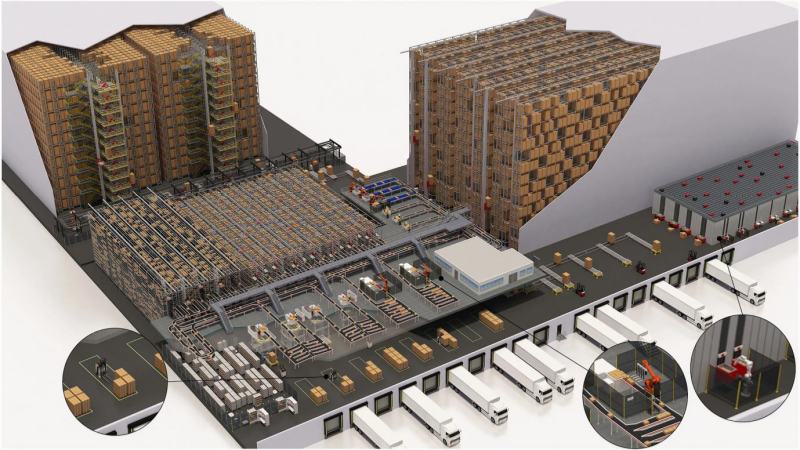
2. Flexible Warehouse Design
Unlike fixed automation systems (e.g., conveyors), AMRs enable dynamic warehouse layouts.
Advantages:
l no fixed infrastructure required
l easy warehouse reconfiguration
l fast scaling of operations
l adaptable to seasonal demand changes
This flexibility is critical in autonomous warehouse environments.
3. Reduced Labor Dependency
AMRs reduce reliance on manual transportation tasks such as:
l walking between aisles
l manual pallet movement
l repetitive picking logistics
This allows workers to focus on value-added tasks like supervision and quality control.
4. Improved Safety and Risk Reduction
Warehouse environments often involve:
l heavy loads
l fast-moving equipment
l long walking distances
AMRs reduce workplace injuries by minimizing human interaction with high-risk tasks.
5. High Scalability and ROI Efficiency
One of the strongest advantages of AMR warehouse automation is scalability.
Companies can:
l start with 5–10 robots
l expand to hundreds of units
l scale without redesigning infrastructure
This leads to faster ROI compared to traditional automation systems.
Warehouse Robotics Innovations
The field of warehouse robotics innovations is evolving rapidly, driven by AI, cloud computing, and robotics engineering.
1. AI-Driven Fleet Coordination
Modern AMR systems use AI to:
l assign tasks dynamically
l prevent traffic congestion
l balance workload across robots
2. Cloud-Based Robot Management
Cloud platforms allow:
l remote monitoring
l performance analytics
l real-time system optimization
This enhances global scalability of warehouse robotics technology.
3. Human-Robot Collaboration (Cobotics)
New systems allow humans and robots to work safely in shared environments.
4. Predictive Maintenance Systems
AI can detect early signs of failure, reducing downtime and maintenance costs.
AMR Robot Warehouse vs Traditional Systems
Understanding the difference is essential when evaluating warehouse automation strategies.
Comparison Overview
Feature | Traditional Warehouse | AMR Robot Warehouse |
Navigation | Fixed routes | Dynamic AI navigation |
Flexibility | Low | Very high |
Scalability | Limited | Easy expansion |
Infrastructure | Heavy | Minimal |
Efficiency | Moderate | High |
AMR systems represent a shift from static automation to intelligent autonomous systems.
Warehouse Logistics AMR Applications
AMRs are widely used across industries due to their flexibility and scalability.
1. E-Commerce Fulfillment Centers
l high-speed order picking
l goods-to-person systems
l real-time inventory updates
2. Manufacturing Facilities
l material feeding to production lines
l WIP (work-in-progress) transport
l finished goods handling
3. Retail Distribution Centers
l automated replenishment
l multi-store distribution logistics
4. Cold Chain Logistics
l temperature-sensitive goods transport
l automated pallet handling in controlled environments
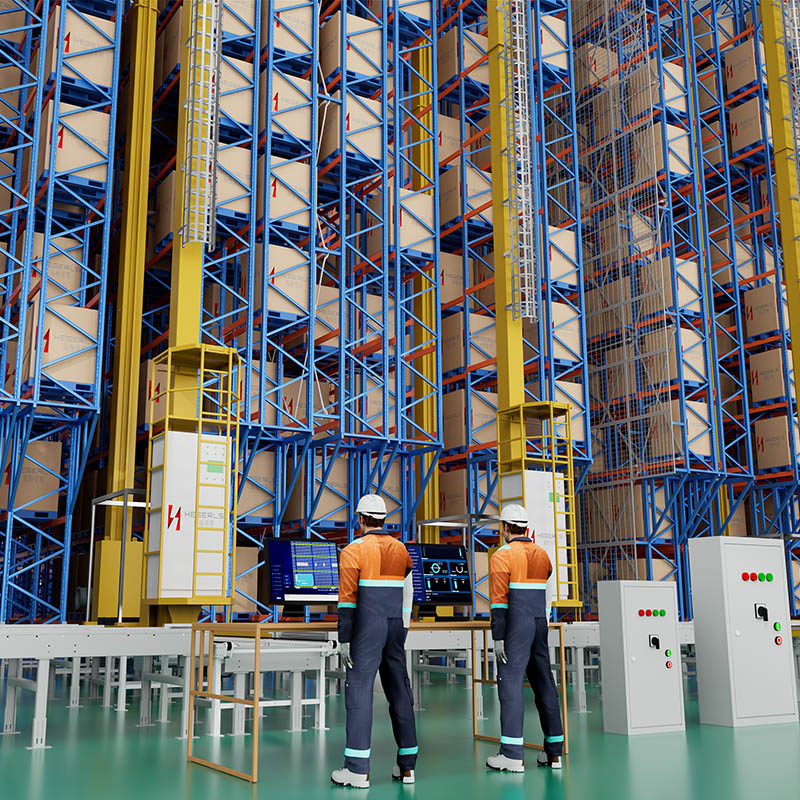
Autonomous Warehouse Systems
An autonomous warehouse integrates multiple technologies into one unified ecosystem:
l AMR systems
l conveyor automation
l AI-driven warehouse management
Key Result:
A warehouse capable of:
l self-navigation
l self-optimization
l real-time decision-making
This represents the future of fully automated supply chain ecosystems.
Warehouse Robotics Technology Ecosystem
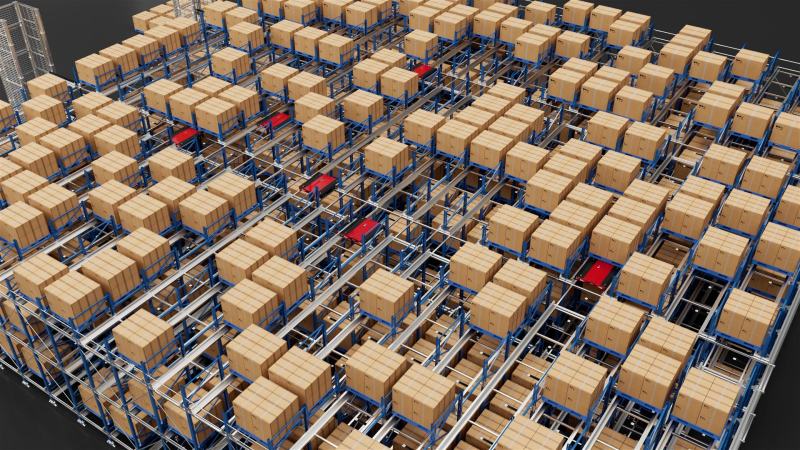
Modern warehouse robotics technology is not a single system but a layered ecosystem.
Core Layers:
Layer | Function |
Robot Layer | AMRs, robotic arms |
Storage Layer | ASRS, shuttle systems |
Control Layer | WMS, WCS |
Data Layer | AI analytics, IoT sensors |
Together, these layers enable fully integrated warehouse automation ecosystems.
Challenges of Warehouse AMR Implementation
Even though AMRs offer strong benefits, companies must address key challenges.
1. Initial Investment Cost
Hardware, software, and integration require upfront investment.
2. System Integration Complexity
AMRs must integrate with:
l ERP systems
l WMS platforms
l existing warehouse infrastructure
3. Workflow Optimization Requirements
Poor planning can reduce efficiency. Proper simulation and layout design are essential.
4. Maintenance and Lifecycle Management
Continuous updates and system monitoring are required for peak performance.
Future Trends in Warehouse Mobile Robots
The future of warehouse mobile robots is being shaped by rapid advances in AI, automation, and supply chain demands. Below are the key future trends that will define warehouse robotics over the next 5–10 years:
1. AMR Dominance & Intelligent Navigation
Autonomous Mobile Robots (AMRs) will continue to replace traditional systems due to their flexibility and intelligence.
What’s changing:
· AI-driven navigation and real-time decision-making
· Improved obstacle avoidance and safety
· Faster deployment without infrastructure changes
AMR adoption is accelerating globally, driven by e-commerce growth and labor shortages, with significant efficiency gains in material movement.
Trend insight: Future warehouses will be “AMR-first,” with fleets dynamically adjusting to demand.
2. AI-Powered Orchestration (Not Just Robots)
The competitive edge is shifting from hardware to software orchestration.
Key developments:
· Warehouse Execution Systems (WES) coordinating robot fleets
· Real-time optimization of workflows, traffic, and task allocation
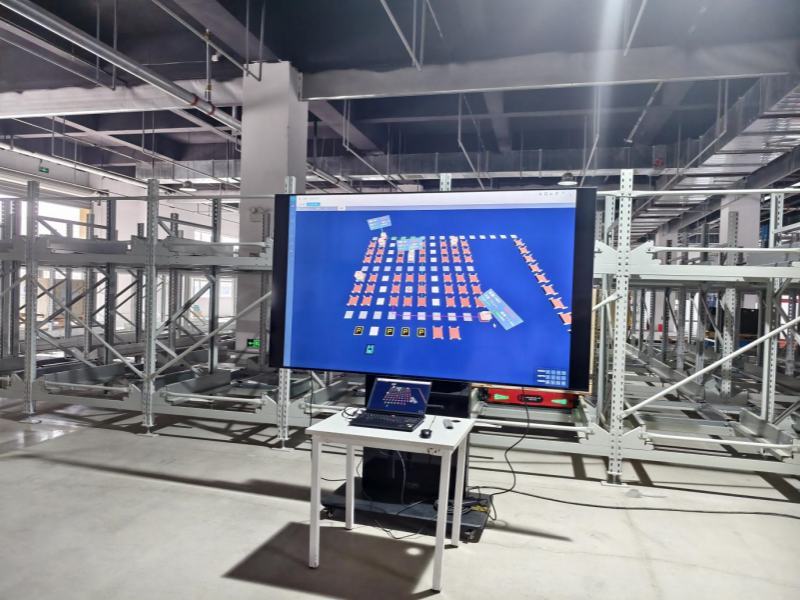
· Digital twins for simulation and predictive planning
Experts highlight that in 2026, success depends more on workflow orchestration than the robot itself.
Trend insight: The “brain” of the warehouse will matter more than the robots themselves.
3. Human–Robot Collaboration (Cobots Rise)
Robots are increasingly designed to work alongside humans, not replace them.
What to expect:
· Safe interaction with workers
· Shared tasks (pick, transport, sort)
· Ergonomic improvements and reduced walking
Collaborative robots could account for a significant share of deployments, improving both productivity and safety.
Trend insight: Hybrid human-robot workflows will become the standard model.
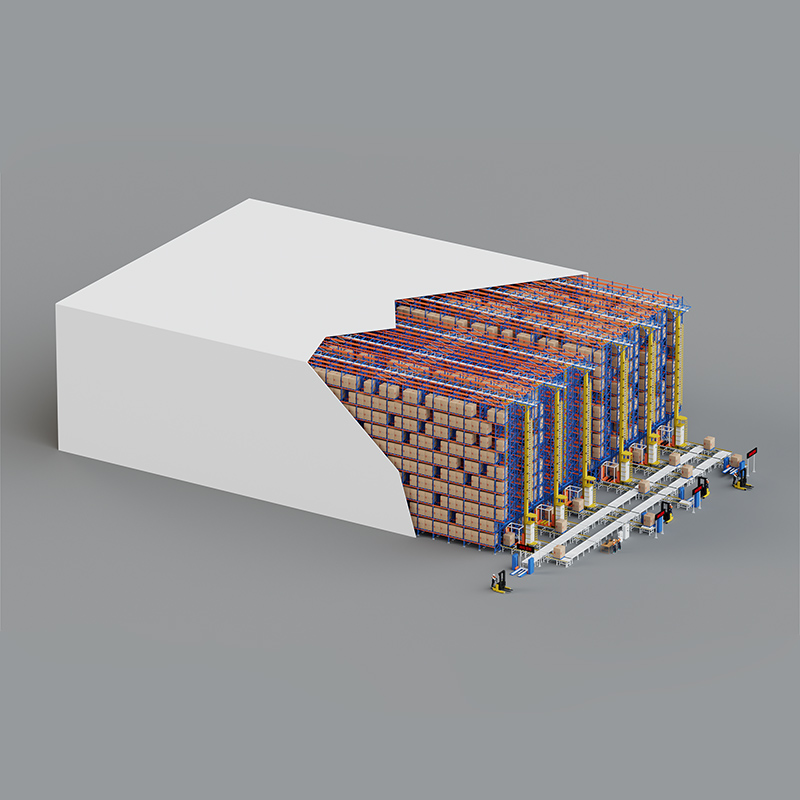
4. Goods-to-Person & High-Density Automation Expansion
Systems combining mobile robots with storage automation will dominate.
Innovations include:
· Robotic storage and retrieval (AS/RS + AMR integration)
· Vertical storage robots (cube storage, shuttle systems)
· Ultra-dense warehouse layouts
Real-world deployments show dramatic improvements in throughput and reduced labor movement.
Trend insight: Warehouses will prioritize density + speed over traditional layouts.
5. Robotics-as-a-Service (RaaS) Business Model
Instead of large upfront investments, companies will adopt subscription-based robotics.
Benefits:
· Lower capital expenditure
· Faster ROI
· Scalable robot fleets based on demand
RaaS is accelerating AMR adoption by making automation accessible to SMEs.
Trend insight: Automation will become more “on-demand,” like cloud computing.
6. Integration with IoT, Cloud & Data Platforms
Warehouse robots will become part of a fully connected ecosystem.
Key technologies:
· IoT sensors for real-time tracking
· Cloud-based fleet management
· Big data analytics for optimization
Future warehouses rely on interconnected systems enabling real-time intelligent decisions.
Trend insight: Robots will act as data-generating nodes in smart warehouses.
7. Advanced Picking with AI Vision & Robotics Arms
Picking—traditionally the hardest task—is being transformed.
Emerging capabilities:
· AI vision systems for object recognition
· Robotic arms handling irregular items
· Increased automation of piece picking
Computer vision breakthroughs are enabling robots to handle more complex SKUs.
Trend insight: Fully automated picking is becoming increasingly viable.
8. Emergence of Humanoid & Multi-Function Robots
Although still early-stage, humanoid robots are entering warehouses.
Potential advantages:
· Ability to operate in human-designed environments
· Multi-task flexibility (pick, carry, sort)
Significant investment is flowing into humanoid robotics, though challenges remain.
Trend insight: Not mainstream yet—but worth watching long-term.
9. Massive Market Growth & Adoption
The warehouse robotics sector is expanding rapidly.
Key data:
· Market expected to reach $25B+ by 2034
· CAGR around 16–18%+ globally
· Driven by labor shortages, SKU complexity, and e-commerce growth
Trend insight: Robotics is shifting from optional to essential infrastructure.
10. Scalability & Modular Automation
Future systems will be designed for easy expansion and flexibility.
Key features:
· Modular robot fleets
· Plug-and-play deployment
· Rapid scaling during peak seasons
Trend insight: Warehouses will evolve into flexible, software-defined environments.
Final Takeaway
The future of warehouse mobile robots is not just about automation—it’s about intelligence, integration, and adaptability.
The 3 biggest shifts:
1. From fixed automation → flexible AMR ecosystems
2. From standalone robots → fully orchestrated systems
3. From labor replacement → human-robot collaboration
Why Choose HEGERLS for Warehouse Robotics Solutions?
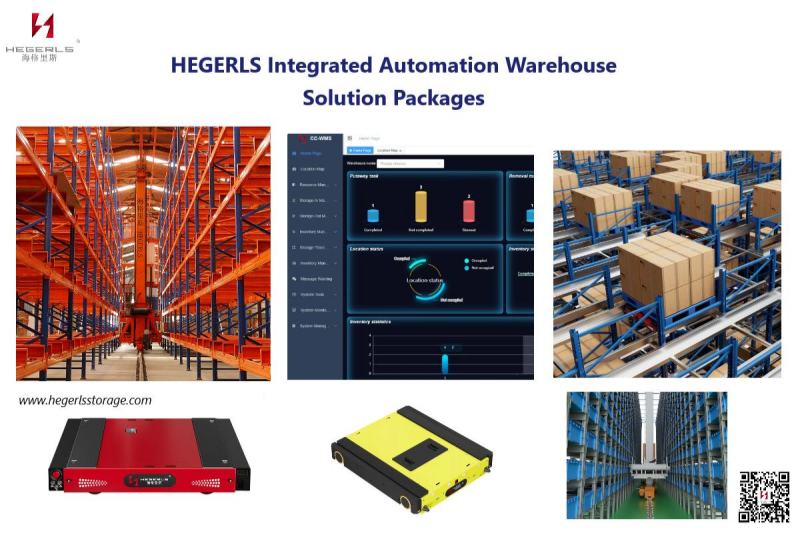
HEGERLS delivers advanced mobile robots for warehouse automation integrated into full warehouse automation systems.
We provide:
l AMR warehouse automation systems
l ASRS storage solutions
l intelligent warehouse control platforms
l integrated logistics automation solutions
Our goal is to help businesses build efficient, scalable, and future-ready autonomous warehouses.
Upgrade Your Warehouse with Mobile Robotics Automation
If your business is looking to improve efficiency, reduce labor costs, and modernize logistics operations, mobile robots for warehouse automation are the future.
HEGERLS provides customized warehouse AMR solutions designed for manufacturing, logistics, and distribution centers.
Our Solutions Help You:
l Increase warehouse efficiency by up to 60%
l Reduce operational labor costs
l Improve order accuracy and speed
l Build scalable autonomous warehouse systems
Request a Free Warehouse Robotics Automation Consultation