

What Is the Meaning of Automated Storage AS/RS?
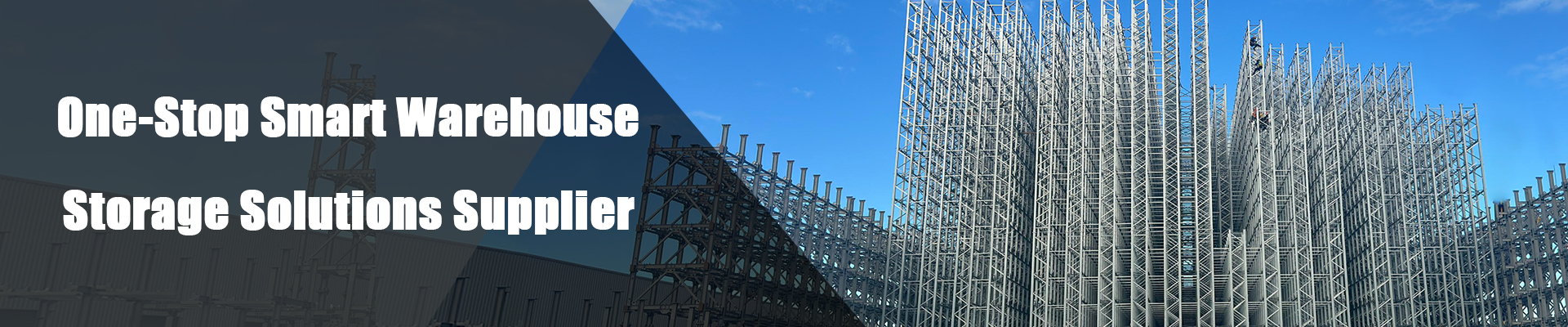
Automated Storage AS/RS refers to an Automated Storage and Retrieval System, a warehouse automation technology designed to automatically store and retrieve goods from defined storage locations using computer-controlled equipment.
An ASRS system integrates software, robotics, and high-density storage structures to manage inventory efficiently. Instead of relying on manual forklifts or human labor, automated systems handle the movement, storage, and retrieval of products with high precision.
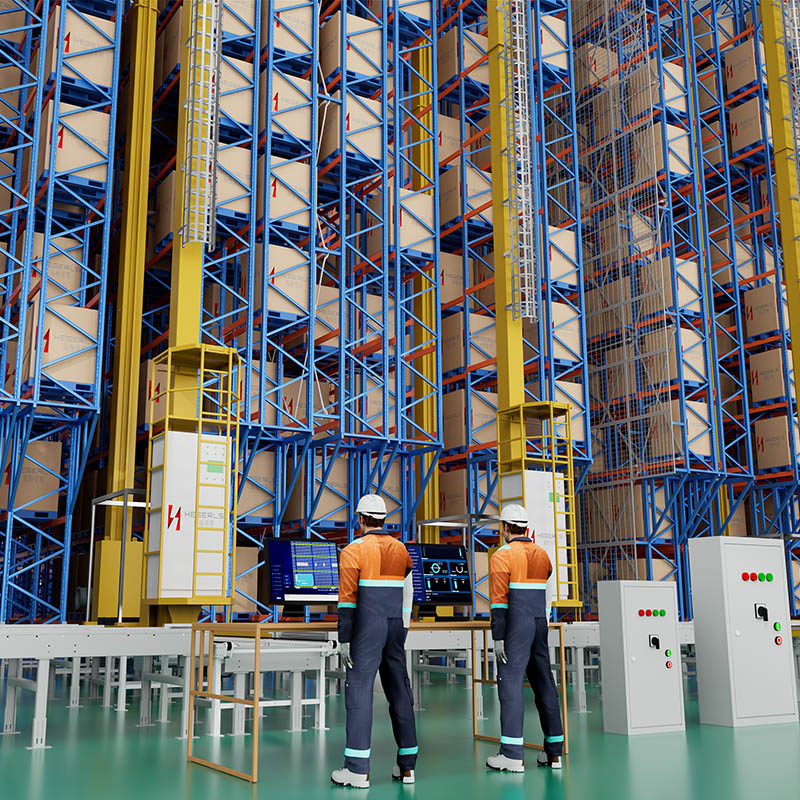
An automated storage and retrieval system (ASRS) typically includes:
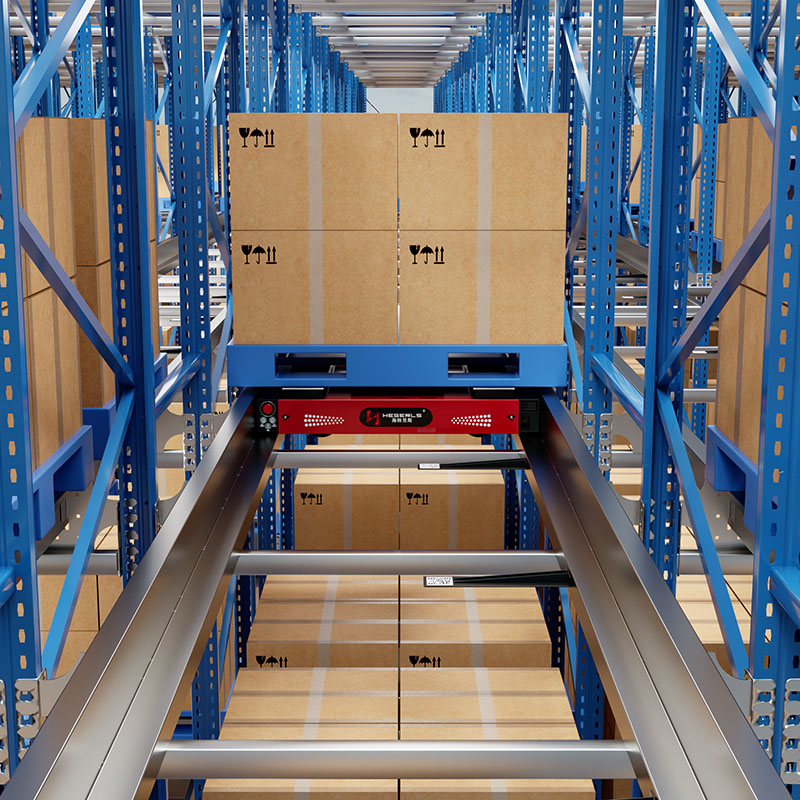
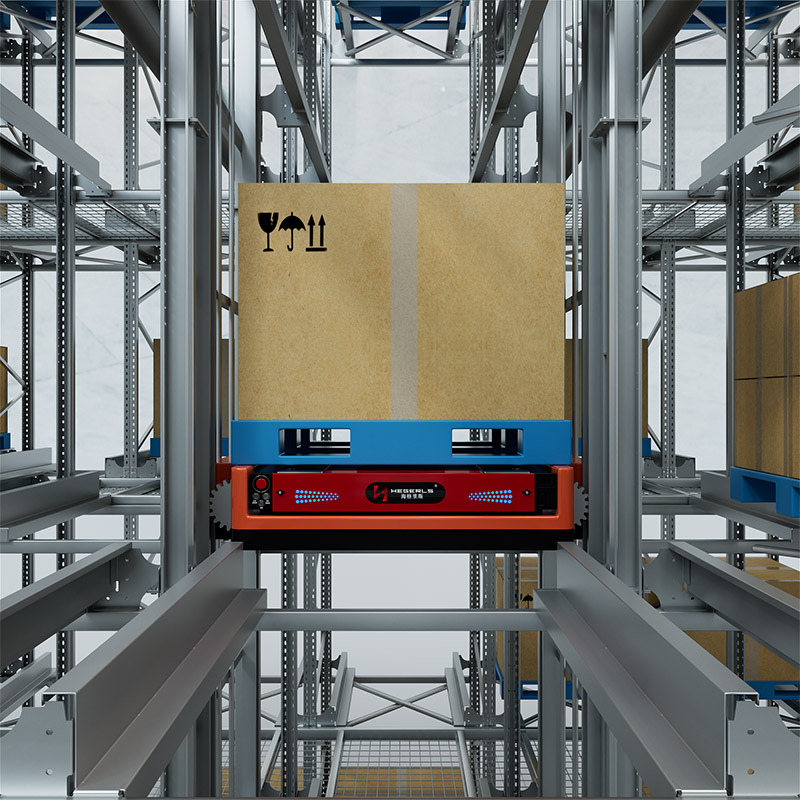
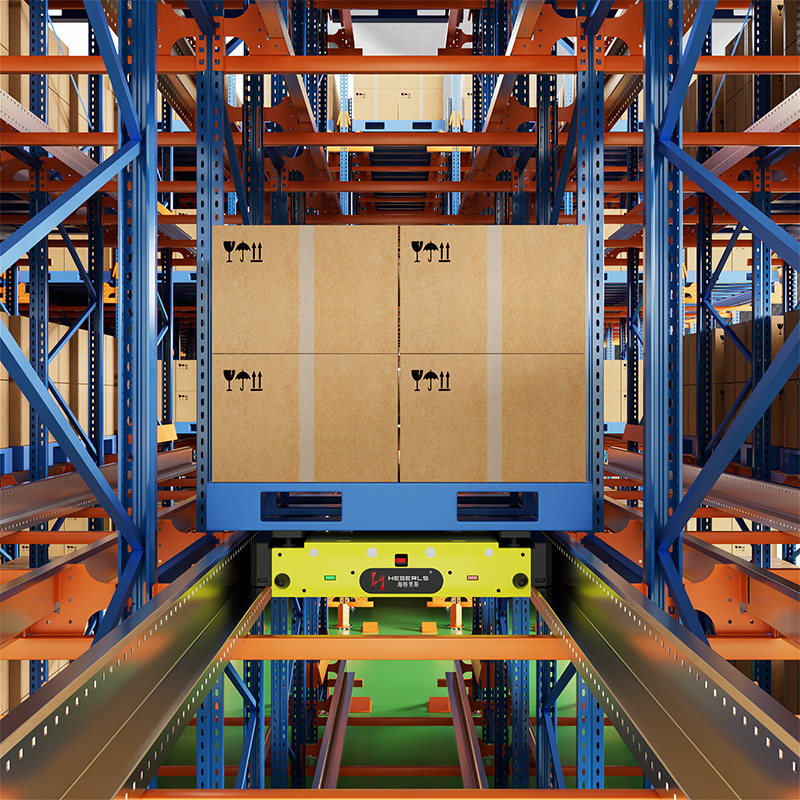
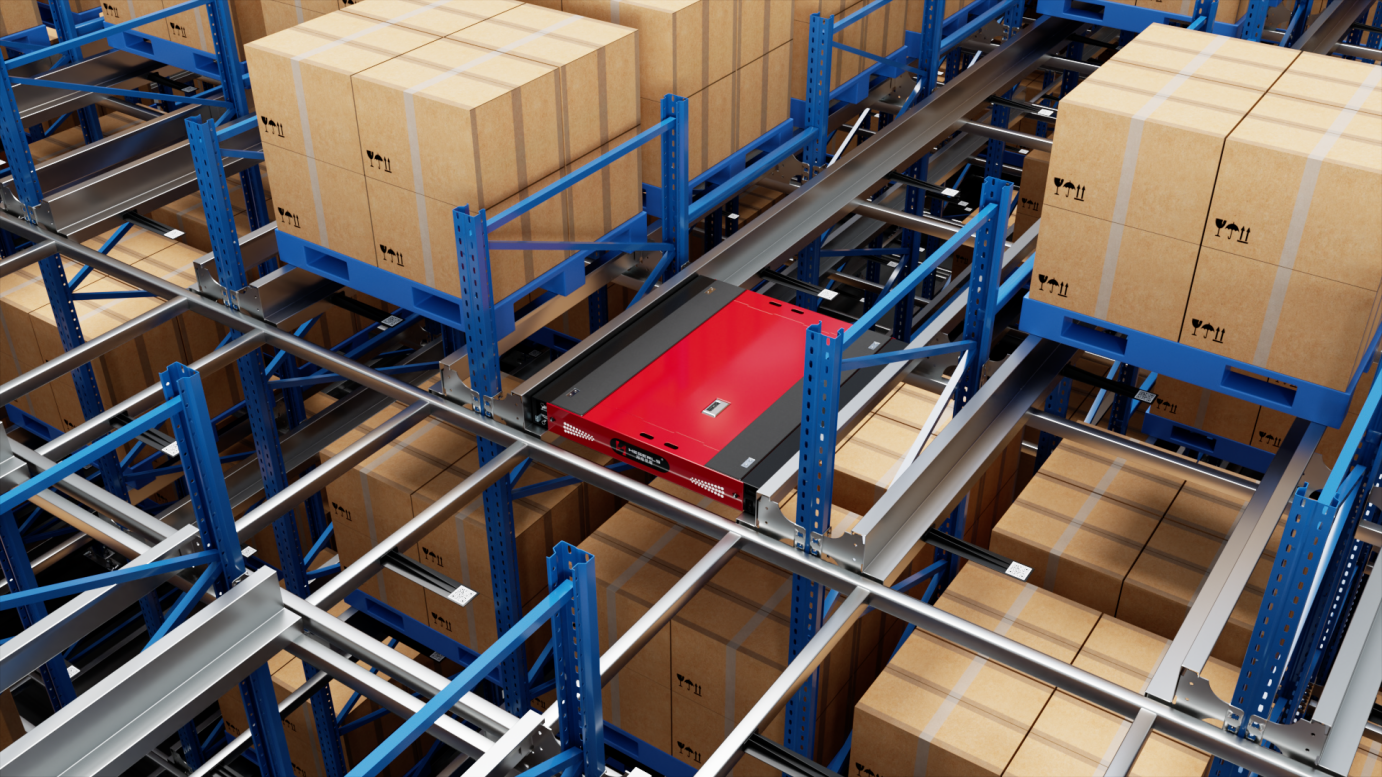
automated cranes or shuttle robots
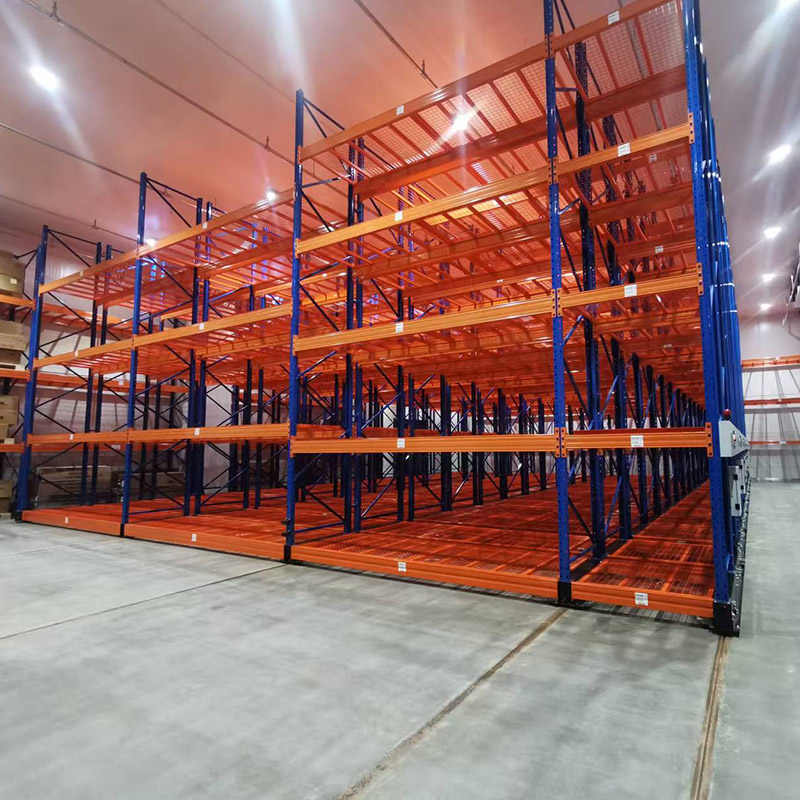
high-density storage racks
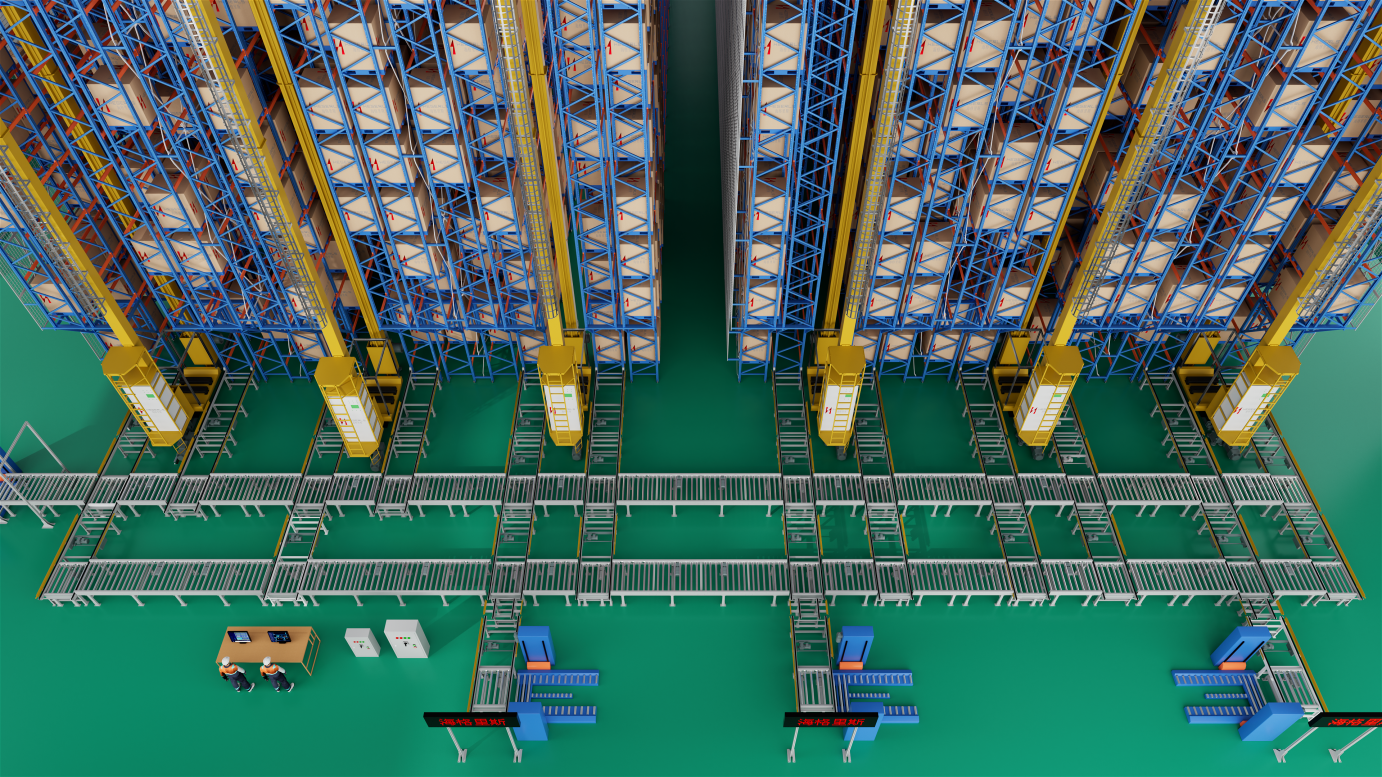
conveyor systems
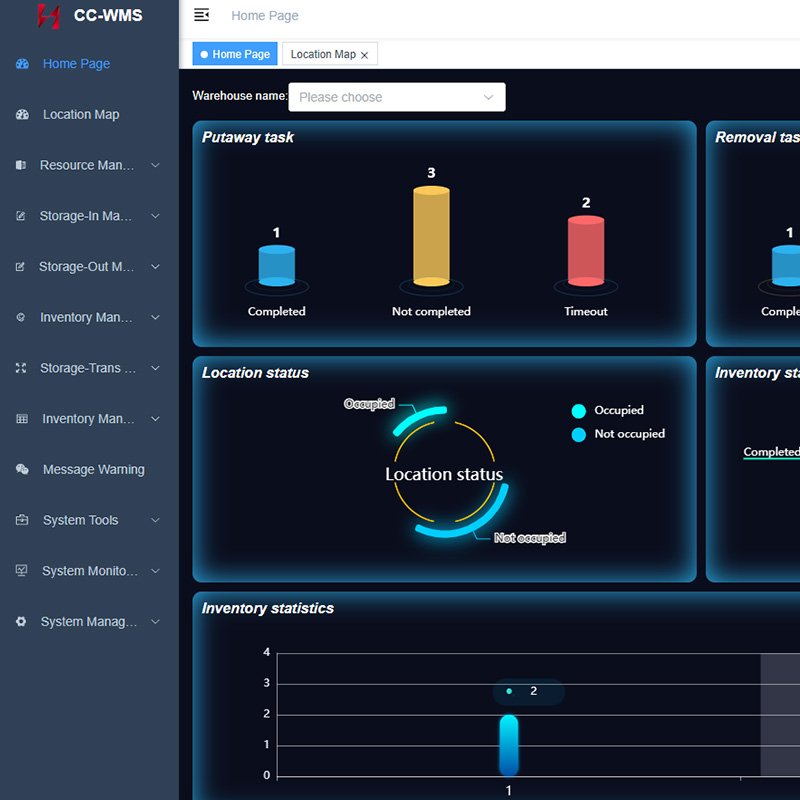
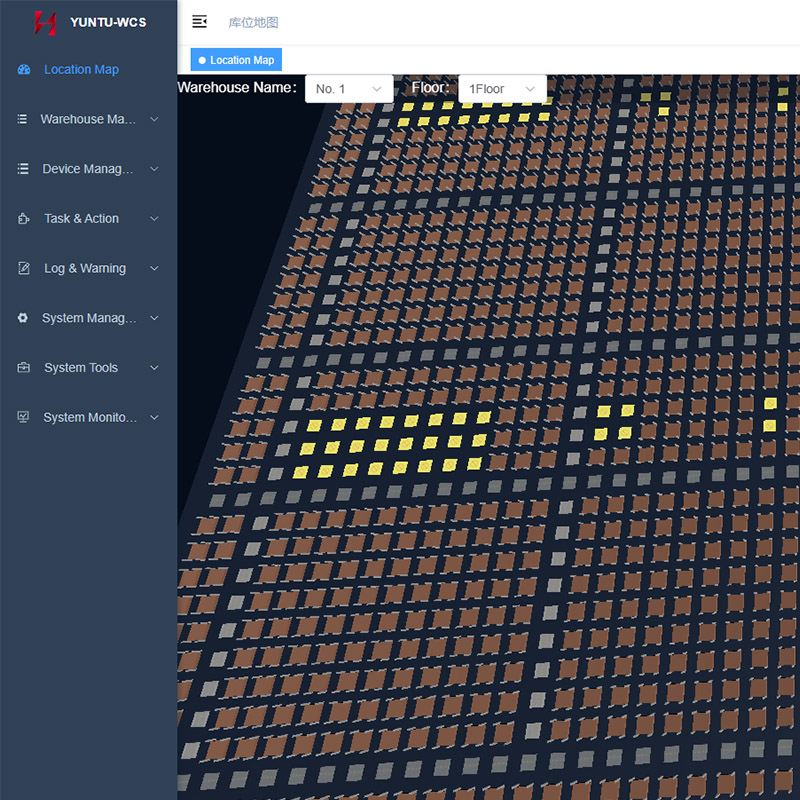
warehouse control software (WCS)
warehouse management system (WMS)
These systems are widely used in modern automated warehouses, distribution centers, and manufacturing facilities to improve operational efficiency and reduce labor costs.
According to Interact Analysis, the global warehouse automation market exceeded $21 billion in 2024 and is expected to surpass $40 billion by 2030, with ASRS systems being one of the core technologies driving this growth.
How an ASRS System Works
An ASRS warehouse system automates the storage and retrieval of goods using computer-controlled equipment.
Core Components of an ASRS Storage System
Component | Function |
Storage Racks | High-density racking structures that store goods |
Stacker Cranes or Shuttles | Automatically transport products inside racks |
Conveyor Systems | Move goods between warehouse areas |
Warehouse Control System (WCS) | Coordinates system operations |
Warehouse Management System (WMS) | Tracks inventory and order processing |
Typical Workflow of an Automated Storage and Retrieval System
1.Goods arrive at the receiving station.
2.Barcodes or RFID tags identify each pallet or bin.
3.Conveyors transport products to storage areas.
4.ASRS cranes or shuttle robots place items into storage locations.
5.Inventory is recorded in the warehouse management system.
6.When orders are generated, the system retrieves items automatically.
7.This automated process significantly reduces manual handling and improves warehouse accuracy.
Key Benefits of Automated Storage and Retrieval Systems
High Storage Density
An ASRS storage system allows warehouses to maximize vertical space and increase storage capacity.
Storage Method | Space Utilization |
Traditional Pallet Racking | 40–50% |
Drive-In Racking | 60–70% |
ASRS Automated Storage | 80–90% |
This improvement helps companies store more inventory without expanding warehouse buildings.
Faster Inventory Handling
Automated retrieval systems enable rapid movement of goods inside warehouses.
Typical performance metrics include:
Parameter | Typical Value |
Warehouse Height | Up to 50 m |
Inventory Accuracy | >99% |
Throughput | 1000–3000 pallet movements/hour |
These capabilities are essential for high-volume logistics operations.
Reduced Labor Costs
Automation reduces reliance on manual warehouse operations.
Cost Factor | Improvement |
Labor Cost Reduction | 30–60% |
Operational Errors | Reduced by 70% |
Order Processing Speed | Increased by 40% |
Many companies recover ASRS investments within 3–5 years.
Types of AS/RS Systems
There are several types of automated storage and retrieval systems, each designed for specific warehouse operations.
ASRS Type | Description | Typical Use |
Unit Load ASRS | Handles pallets and large loads | Manufacturing warehouses |
Mini Load ASRS | Designed for small containers | E-commerce fulfillment |
Uses shuttle robots for storage | High-density warehouses | |
Vertical automated shelving | Spare parts storage | |
Carousel Systems | Rotating shelves for picking | Retail distribution |
Each type offers different advantages depending on storage requirements.
ASRS Warehouse vs Traditional Warehousing
Many companies compare automated systems with traditional storage methods.
Feature | Traditional Warehouse | ASRS Warehouse |
Labor Requirement | High | Low |
Storage Density | Medium | Very High |
Inventory Accuracy | Moderate | High |
Automation Level | Low | High |
These benefits explain why many companies are upgrading to automated warehouse storage systems.
Automated Bin Storage Systems
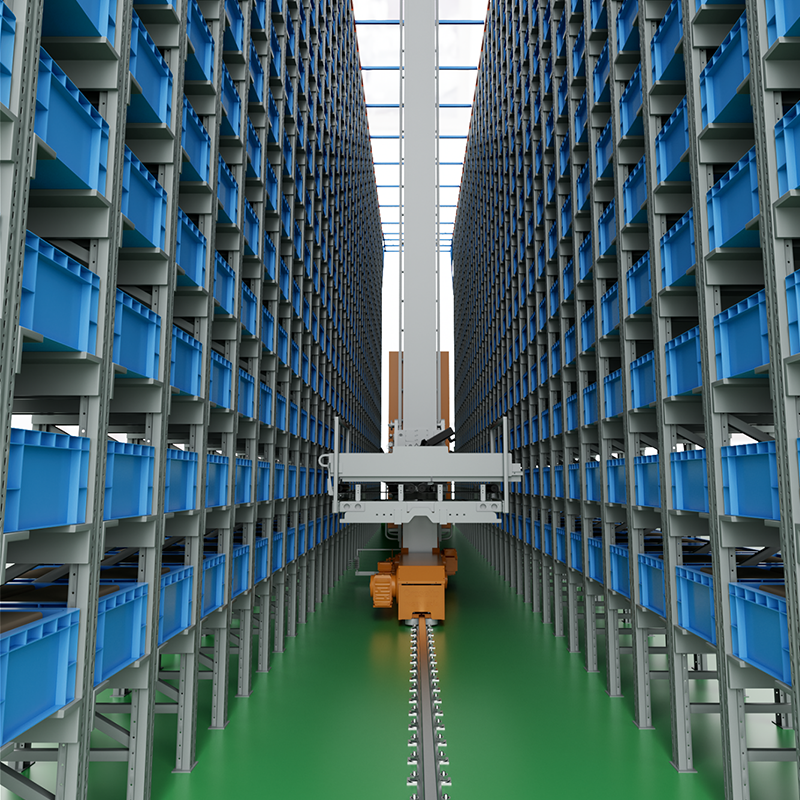
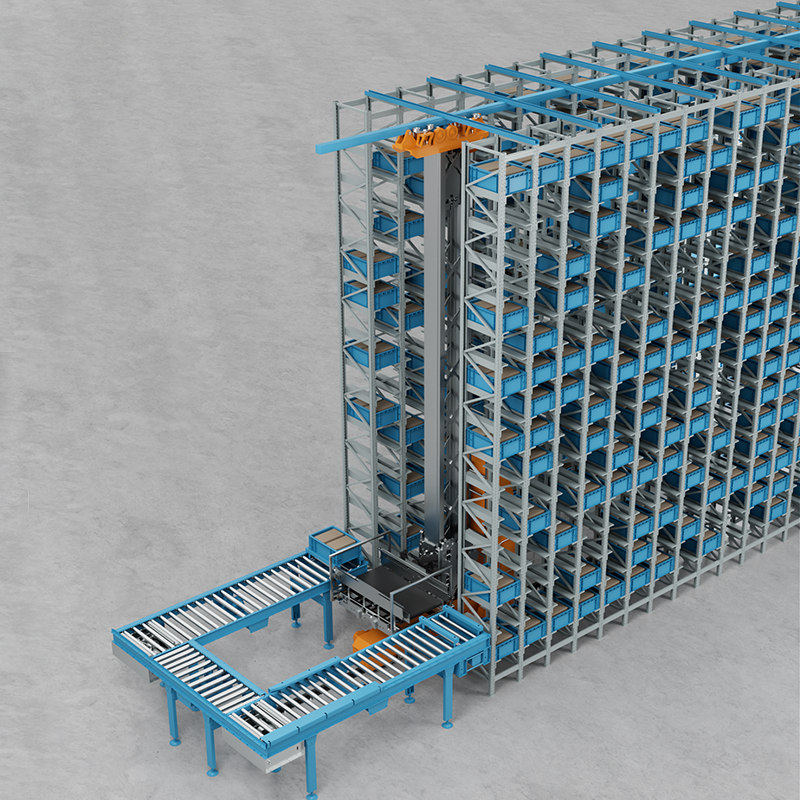
An automated bin storage system is a specialized ASRS solution designed for small parts and cartons.
Common applications include:
electronics manufacturing
spare parts warehouses
pharmaceutical storage
e-commerce order fulfillment
These systems use mini-load cranes or shuttle robots to automatically store and retrieve bins or containers.
Robotic Automated Storage and Retrieval Systems
Modern warehouses increasingly use robotic ASRS systems that combine automation with intelligent robotics.
Examples include:
automated mobile robots (AMR)
robotic picking stations
AI-based inventory management
These technologies allow warehouses to operate with minimal human intervention.
Industries Using ASRS Warehouse Systems
ASRS automation is widely adopted across many industries.
Industry | Application |
E-commerce | Order fulfillment centers |
Manufacturing | Raw material storage |
Retail | Distribution warehouses |
Cold Chain | Frozen food storage |
Pharmaceutical | Controlled inventory storage |
According to LogisticsIQ, the warehouse automation market is growing at a CAGR of over 14% globally.
Automated Warehouse Storage System Example
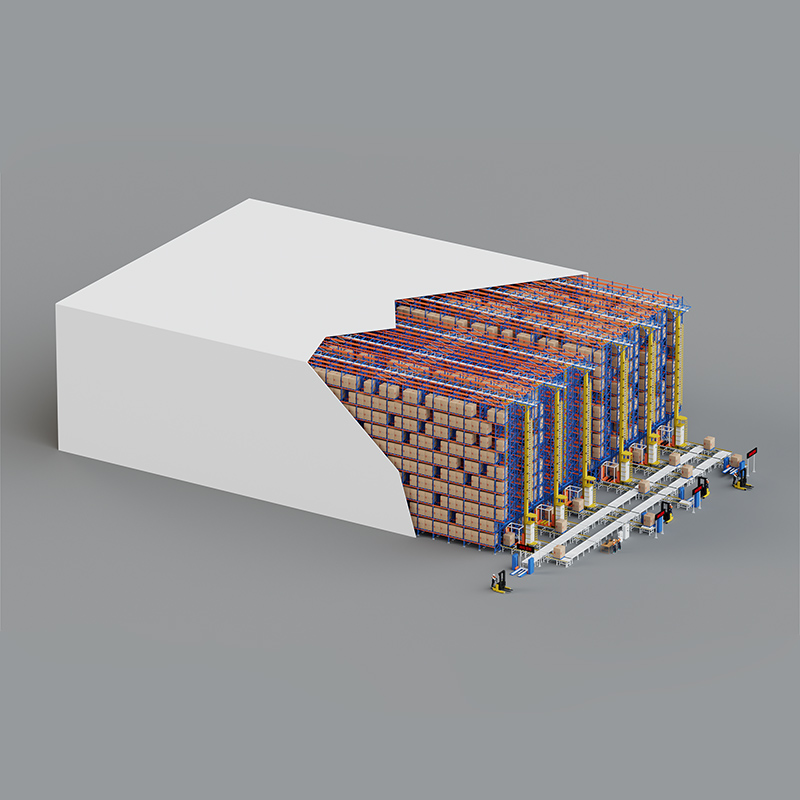
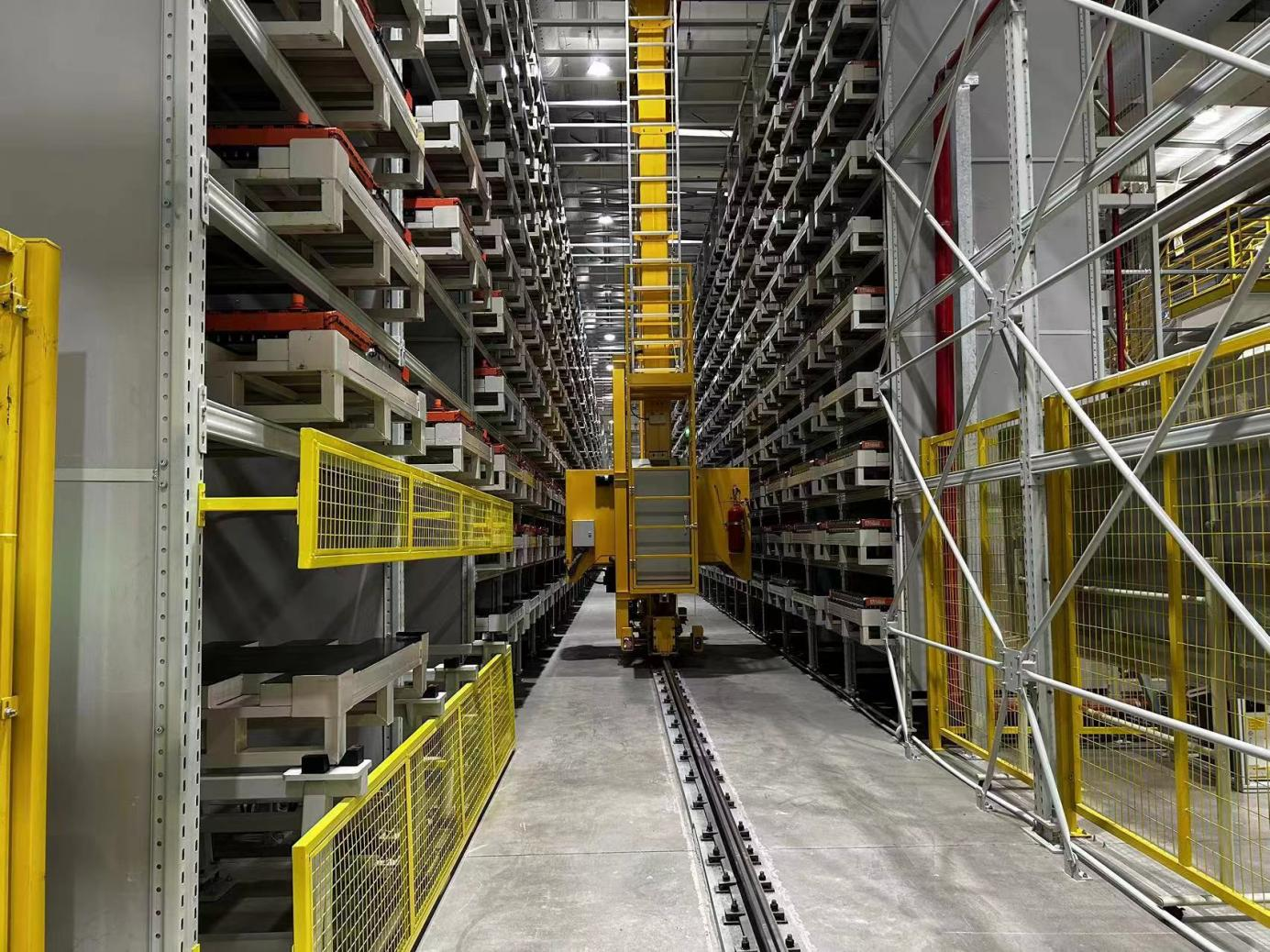
A typical ASRS warehouse system may include:
high-bay racking up to 30–50 meters
automated stacker cranes or shuttle robots
conveyor transport systems
warehouse control software
Example project parameters:
Parameter | Example Value |
Warehouse Height | 30 m |
Storage Capacity | 50,000 pallet positions |
Automated Cranes | 10 units |
Throughput | 2000 pallets/hour |
These large-scale automated warehouses are commonly used by major logistics companies.
Future Trends in ASRS Automation
Warehouse automation technology continues evolving rapidly.
Artificial Intelligence in Warehouse Automation
AI is increasingly used to optimize storage allocation and robot movement paths.
Digital Twin Warehouse Simulation
Many companies now use digital simulation tools to test warehouse designs before construction.
Integration with Robotics
Future ASRS systems will integrate with:
AGVs
AMRs
robotic palletizers
automated conveyors
These technologies will create fully autonomous smart warehouses.
Why Companies Invest in Automated Storage Systems
Companies are adopting ASRS warehouse automation to achieve:
higher storage density
faster logistics operations
improved inventory accuracy
reduced labor dependency
As supply chains grow more complex, automated storage systems are becoming essential for modern warehouse operations.
Top Automated Storage and Retrieval System Companies
The rapid growth of warehouse automation has led to the emergence of many automated storage and retrieval system companies worldwide. These companies design and manufacture advanced ASRS systems for logistics, manufacturing, and distribution centers.
Below are some well-known companies in the ASRS automation industry.
Company | Country | Core Technology |
China | Shuttle-based ASRS and intelligent racking systems | |
Daifuku | Japan | Unit-load ASRS and material handling systems |
SSI Schaefer | Germany | Shuttle systems and warehouse automation |
Dematic | USA | Integrated warehouse automation solutions |
Murata Machinery | Japan | High-speed ASRS cranes |
Vanderlande | Netherlands | Logistics automation and baggage handling |
Many companies now specialize in robotic automated storage and retrieval systems, combining robotics, software intelligence, and high-density storage infrastructure.

When selecting an ASRS supplier, companies should evaluate:
system reliability
software integration capability
warehouse design experience
after-sales technical support
Choosing the right supplier is essential for long-term warehouse automation success.
Start Your Automated Warehouse Project
Warehouse automation is transforming modern logistics operations. Businesses that invest in automated storage and retrieval systems (ASRS) gain significant advantages in storage capacity, efficiency, and operational accuracy.
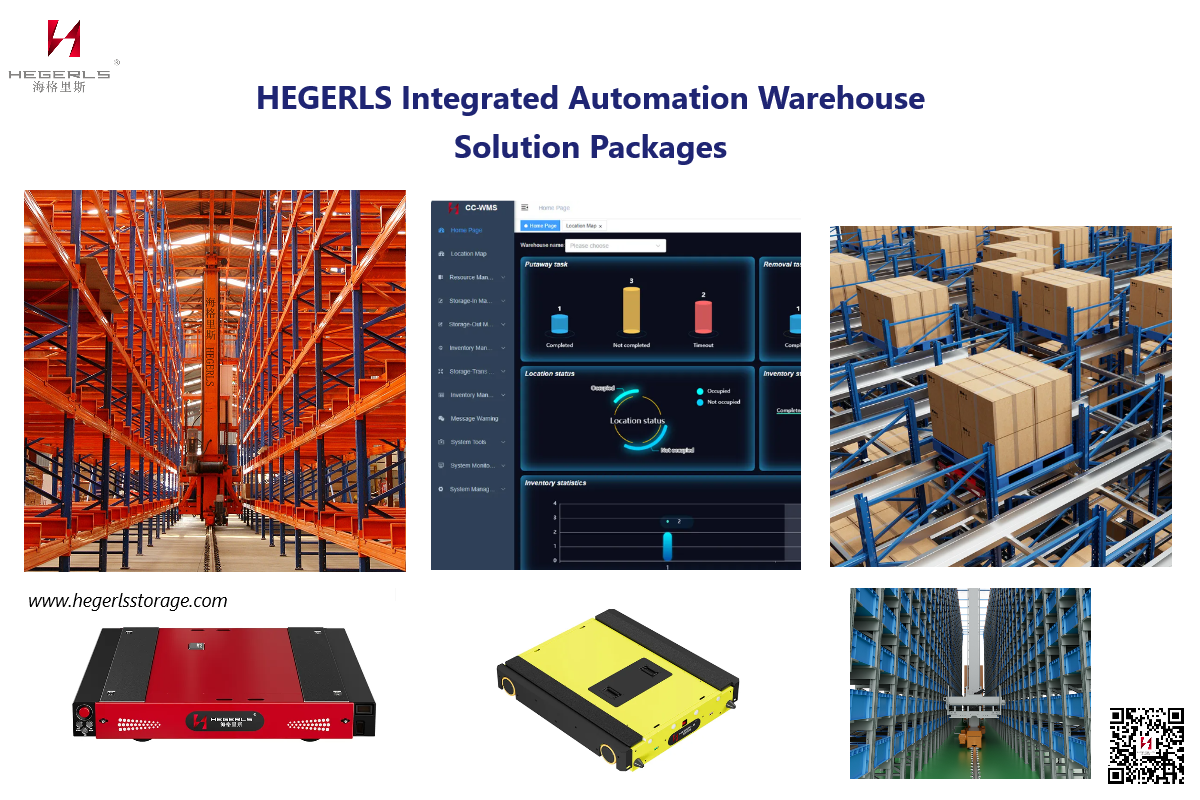
HEGERLS provides complete automated warehouse storage solutions, including:
shuttle-based ASRS systems
intelligent warehouse racking
automated warehouse control software
customized warehouse automation design
Our engineering team can help you build a high-performance ASRS warehouse system tailored to your industry and operational requirements.
HEGERLS Automated Storage Solutions Help You:
Increase storage density by up to 90%
Improve warehouse efficiency and throughput
Reduce labor costs and operational errors
Build scalable automated warehouse infrastructure
ASRS System Cost and Return on Investment
One of the most common questions companies ask is: How much does an ASRS system cost?
The cost of an automated storage and retrieval system depends on several factors.
Factor | Impact on Cost |
Warehouse size | Larger facilities require more equipment |
Storage capacity | More pallet positions increase investment |
Automation level | Advanced robotics and AI systems cost more |
System complexity | Multi-layer shuttle systems increase cost |
Typical investment ranges include:
ASRS Type | Estimated Cost |
Mini-load ASRS | $300,000 – $1 million |
Shuttle-based ASRS | $500,000 – $3 million |
High-bay crane ASRS | $2 million – $10+ million |
Despite the initial investment, most companies achieve strong returns due to operational efficiency.
Typical ROI benefits include:
Benefit | Improvement |
Labor cost reduction | 30–60% |
Storage capacity increase | up to 90% |
Inventory accuracy | >99% |
Warehouse throughput | up to 3x increase |
According to LogisticsIQ, companies typically recover ASRS investment within 3 to 5 years.
ASRS vs Shuttle Warehouse System
Many companies compare ASRS systems with shuttle warehouse systems when planning warehouse automation projects.
Although both technologies automate storage and retrieval, they have different applications.
Feature | ASRS Crane System | Shuttle Warehouse System |
Automation Equipment | Stacker cranes | Shuttle robots |
Flexibility | Moderate | Very high |
Scalability | Limited | Highly scalable |
Throughput | High | Very high |
Warehouse Layout | Fixed aisles | Flexible layouts |
Shuttle-based ASRS systems are increasingly popular because they offer higher flexibility and easier expansion compared with traditional crane systems.
In modern warehouses, shuttle robots can operate simultaneously on multiple levels, significantly increasing system throughput.
Many large logistics centers now combine shuttle systems, lifts, and conveyors to create highly efficient automated storage systems.
ASRS Warehouse Design Guide
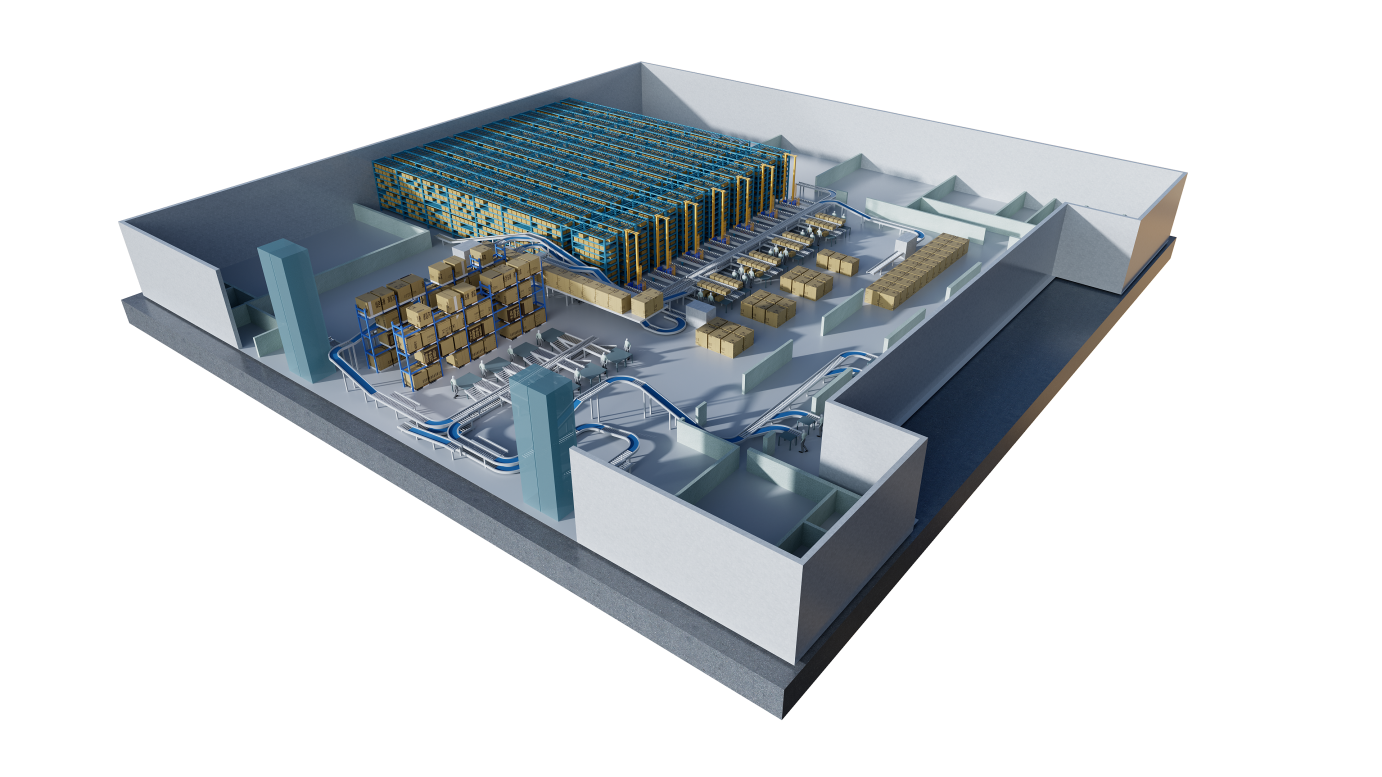
Designing an ASRS warehouse system requires careful engineering and operational planning.
Key design factors include:
Warehouse Height
ASRS warehouses typically range between 20 and 40 meters in height to maximize vertical storage capacity.
Storage Capacity
Warehouse planners determine the number of pallet positions based on inventory levels and throughput requirements.
Example warehouse capacity:
Warehouse Size | Storage Capacity |
5,000 m² | 20,000 pallet positions |
10,000 m² | 40,000 pallet positions |
20,000 m² | 80,000+ pallet positions |
Throughput Requirements
Throughput determines how many goods must move through the warehouse per hour.
High-volume logistics facilities may require:
1000–3000 pallet movements per hour
Software Integration
Modern automated warehouse storage systems rely on integrated software platforms such as:
Equipment Control System (ECS)
These systems coordinate inventory tracking, robot scheduling, and order fulfillment.
How to Choose the Right ASRS System
Selecting the right automated storage and retrieval system depends on several operational factors.
Factor | Description |
Inventory Type | Pallets, cartons, or bins |
Warehouse Throughput | Number of daily orders |
Space Constraints | Building size and height |
Automation Goals | Labor reduction or speed improvement |
Companies should work with experienced ASRS warehouse automation providers to design customized systems.
FAQ: Automated Storage AS/RS Meaning
What does ASRS mean in warehouse automation?
ASRS stands for Automated Storage and Retrieval System, a technology that automatically stores and retrieves goods in warehouses using computer-controlled equipment.
What industries use ASRS systems?
Industries such as e-commerce, manufacturing, logistics, cold storage, and pharmaceuticals commonly use ASRS warehouse systems.
How efficient are ASRS automated storage systems?
ASRS systems can achieve up to 90% storage density and over 99% inventory accuracy, making them highly efficient for modern warehouses.
Looking for an Automated Storage and Retrieval System?
If you are planning to upgrade your warehouse with ASRS automation, HEGERLS provides customized automated storage and retrieval system solutions designed to improve storage capacity and operational efficiency.
Our experts can help you design a high-performance automated warehouse storage system tailored to your facility.