

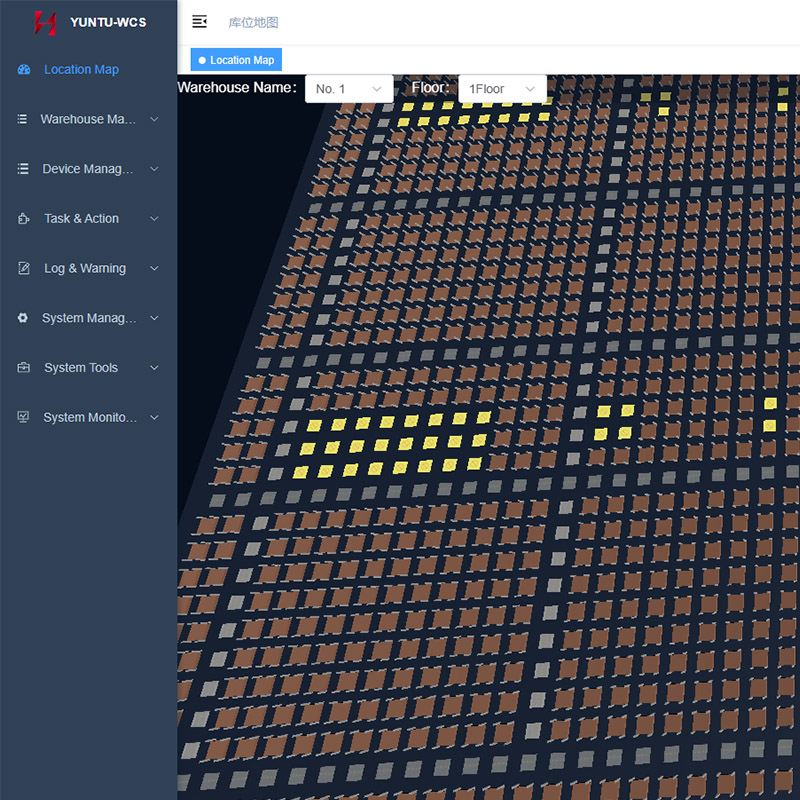
What Is a Shuttle Storage System?
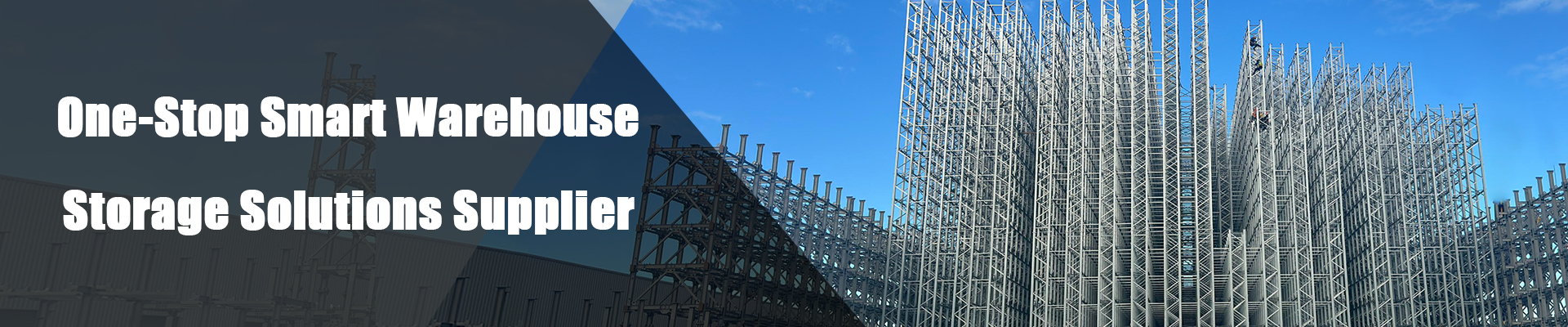
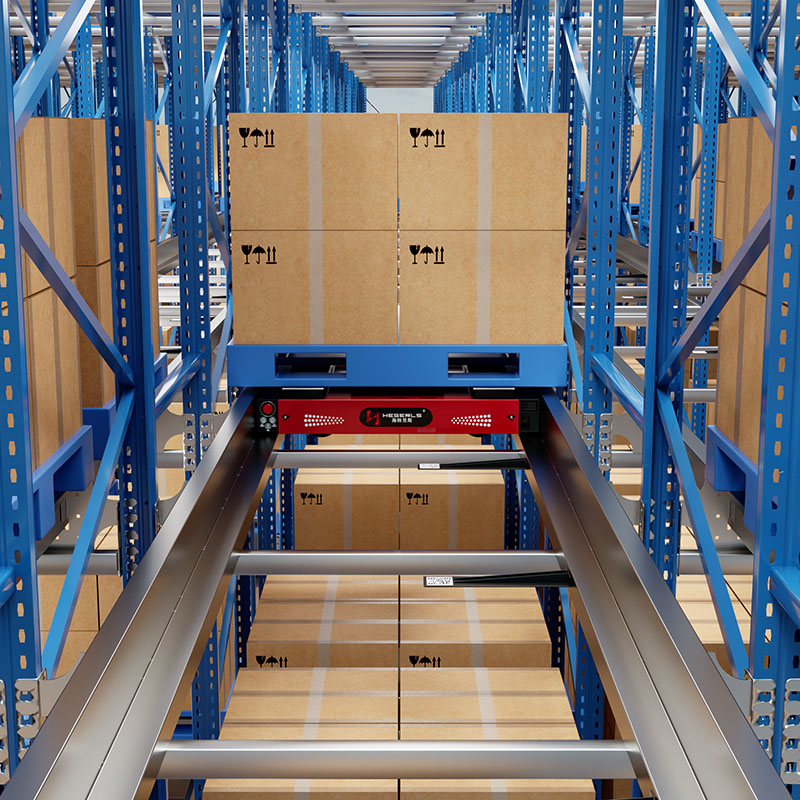
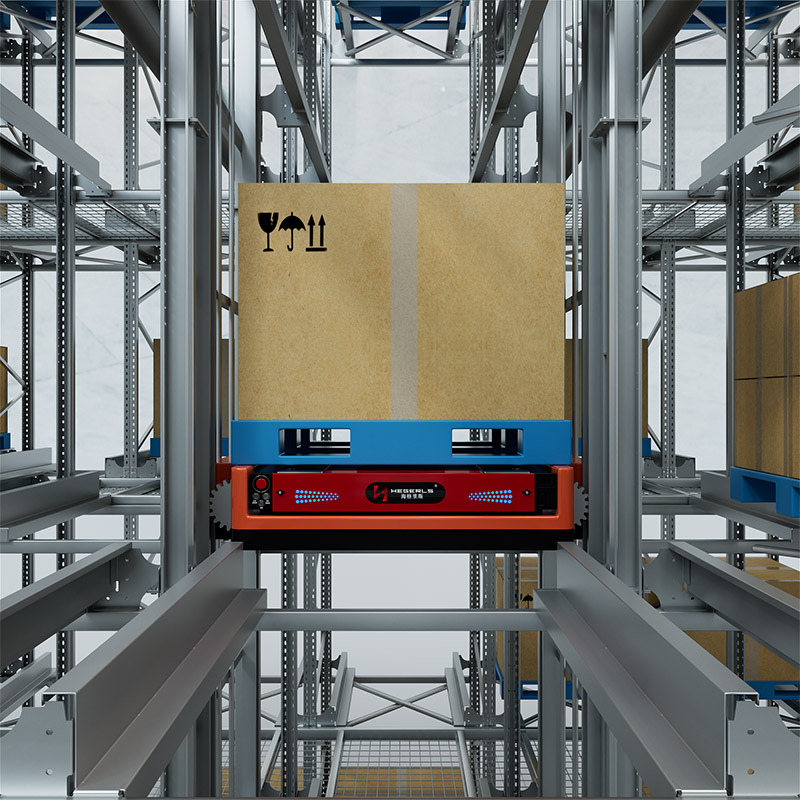
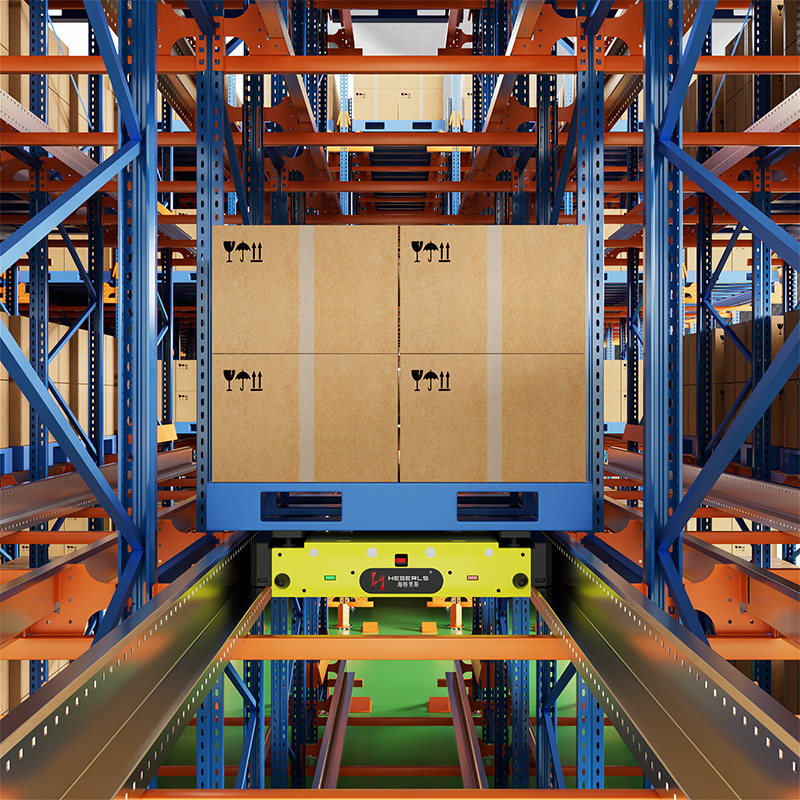
A shuttle storage system is an automated warehouse solution that uses robotic shuttle carriers to transport pallets, totes, or cartons inside high-density racking systems. These intelligent shuttle robots move goods between storage locations and picking stations with minimal human intervention.
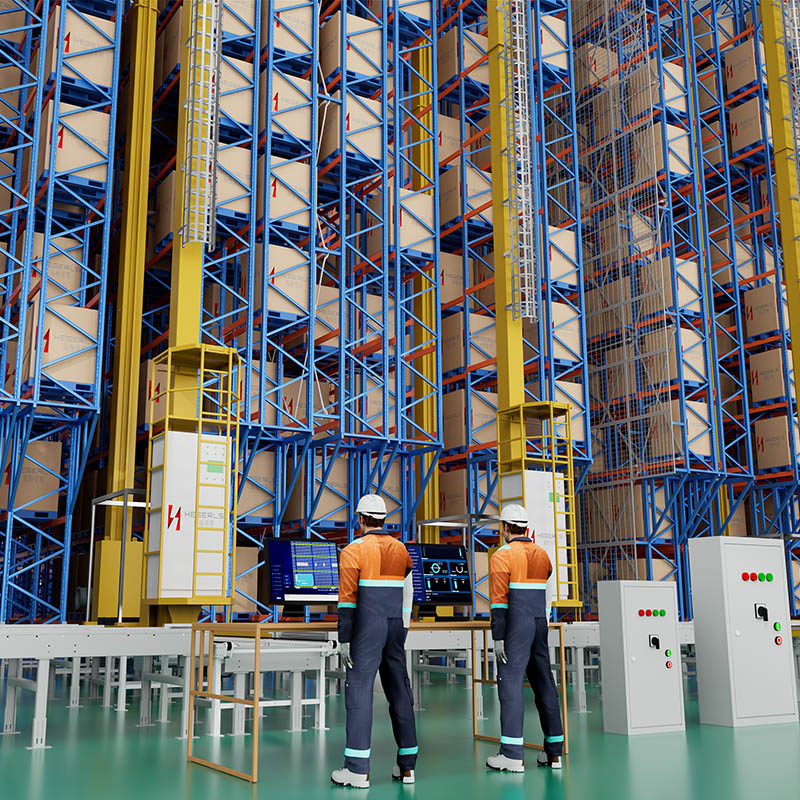
Unlike traditional warehouses that rely on forklifts, a shuttle warehouse system integrates automation technologies such as:
l shuttle robots
l vertical lifts
l conveyor systems
l warehouse control systems (WCS)
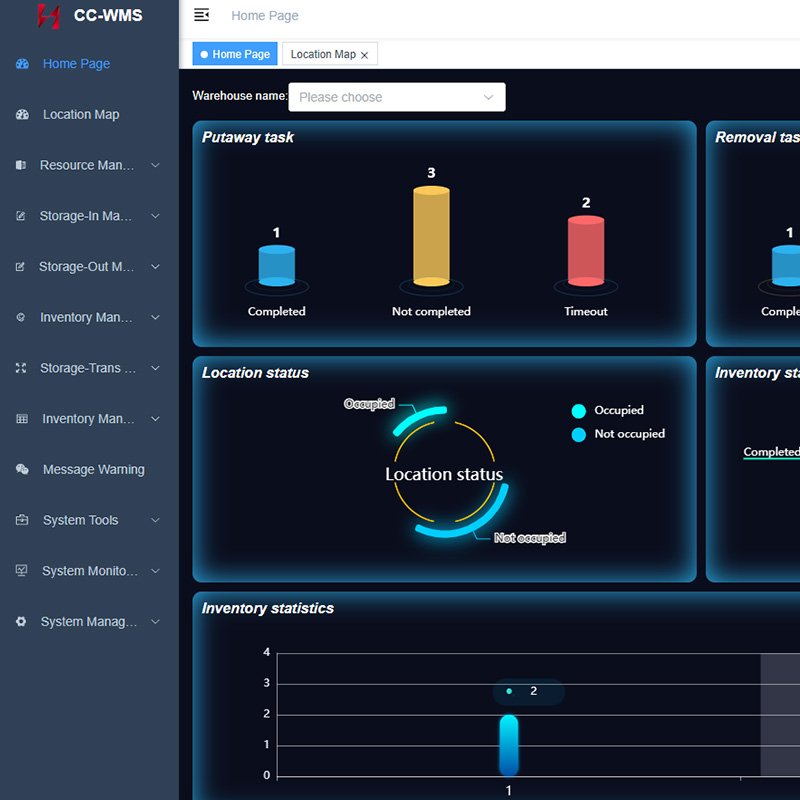
l warehouse management systems (WMS)
This combination allows warehouses to achieve high storage density, faster throughput, and improved inventory accuracy.
According to Interact Analysis, the global warehouse automation market is expected to grow from $21 billion in 2024 to over $41 billion by 2030, with shuttle storage systems representing one of the fastest-growing automation technologies.
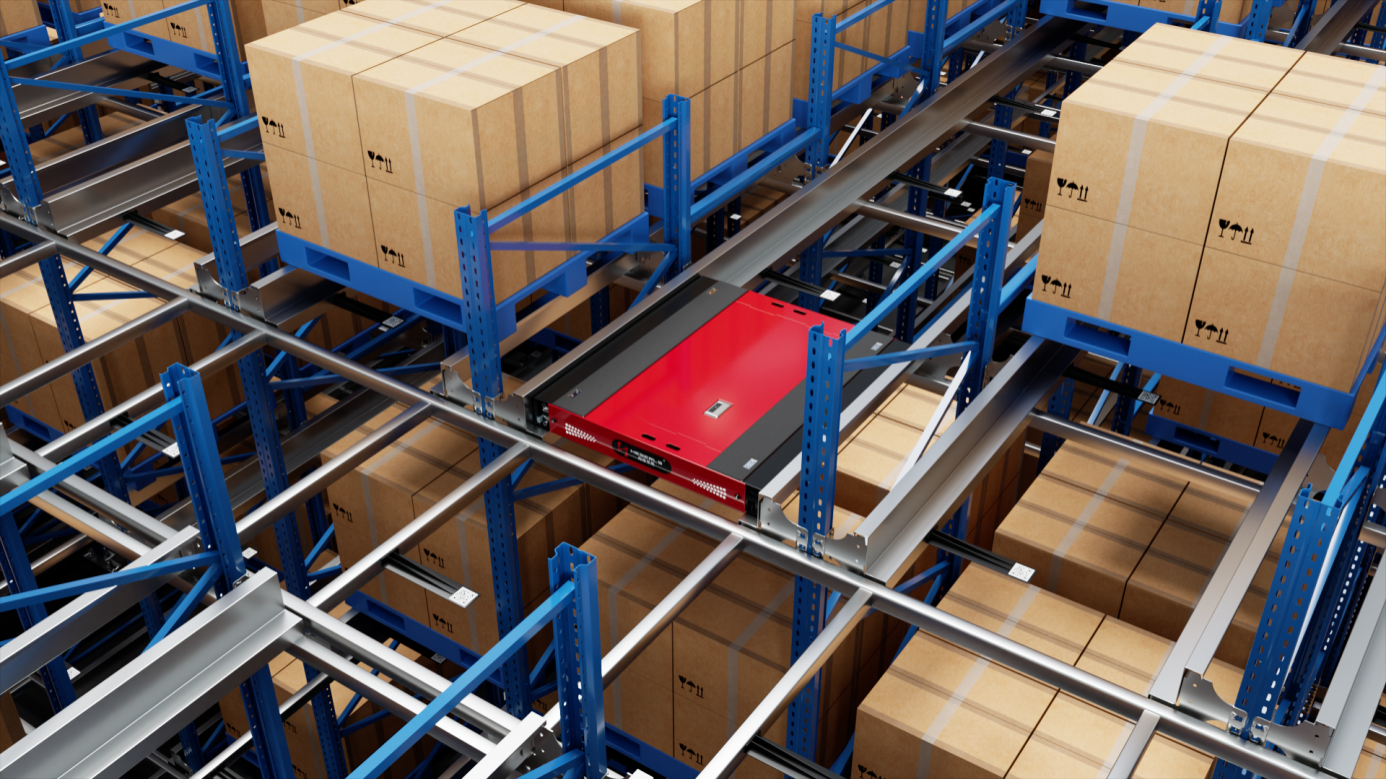
Why Are Shuttle Warehouse Systems Growing So Fast?
1. E-Commerce Logistics Expansion
Global e-commerce sales exceeded $6 trillion in 2024, forcing warehouses to handle massive order volumes and faster delivery expectations.
Shuttle storage systems help fulfillment centers:
l store more SKUs
l speed up order picking
l automate repetitive material handling tasks
2. Rising Warehouse Labor Costs
In the United States, warehouse labor costs increased more than 25% between 2020 and 2024.
Automation technologies such as shuttle warehouses reduce manual forklift operations and lower labor dependency.
3. Increasing Demand for High-Density Warehousing
Warehouse land costs continue rising globally. Shuttle storage systems maximize vertical storage space and improve warehouse capacity.
Storage System | Space Utilization |
Selective Pallet Rack | 40–50% |
Drive-In Rack | 60–70% |
Shuttle Storage System | 80–90% |
Types of Shuttle Storage Systems
Shuttle storage systems come in various configurations depending on warehouse requirements, throughput, and storage density. Modern automated warehouses often combine multiple shuttle types to achieve maximum flexibility and efficiency.
System Type | Description | Typical Application | Key Advantage |
Shuttles transport pallets in deep storage lanes | Food & beverage, manufacturing | High-density pallet storage | |
Multi-Level Shuttle System | Shuttles operate across multiple rack levels | E-commerce fulfillment | Vertical space optimization |
Shuttles move in multiple directions across racks | Smart warehouses, large distribution centers | Ultra-dense and flexible storage | |
Shuttles move forward/backward in a lane | Medium-density warehouses | Cost-effective and simple design | |
Shuttles move in forward/backward, sideways, and rotate for complex layouts | High-speed logistics and manufacturing | Extremely flexible multi-directional storage | |
Mother-Child (Sub-Mother) Shuttle System | Combines a “mother” shuttle on the aisle floor with smaller “child” shuttles inside rack lanes | Large-scale automated warehouses | Maximizes storage density while handling multiple pallets simultaneously |
Tote Shuttle System | Designed for bins or cartons | Retail fulfillment | High-speed order picking and sorting |
Among these solutions, four-way shuttle storage systems are increasingly popular because they allow flexible movement across rack aisles.
Need Help Choosing the Right Shuttle Storage System?
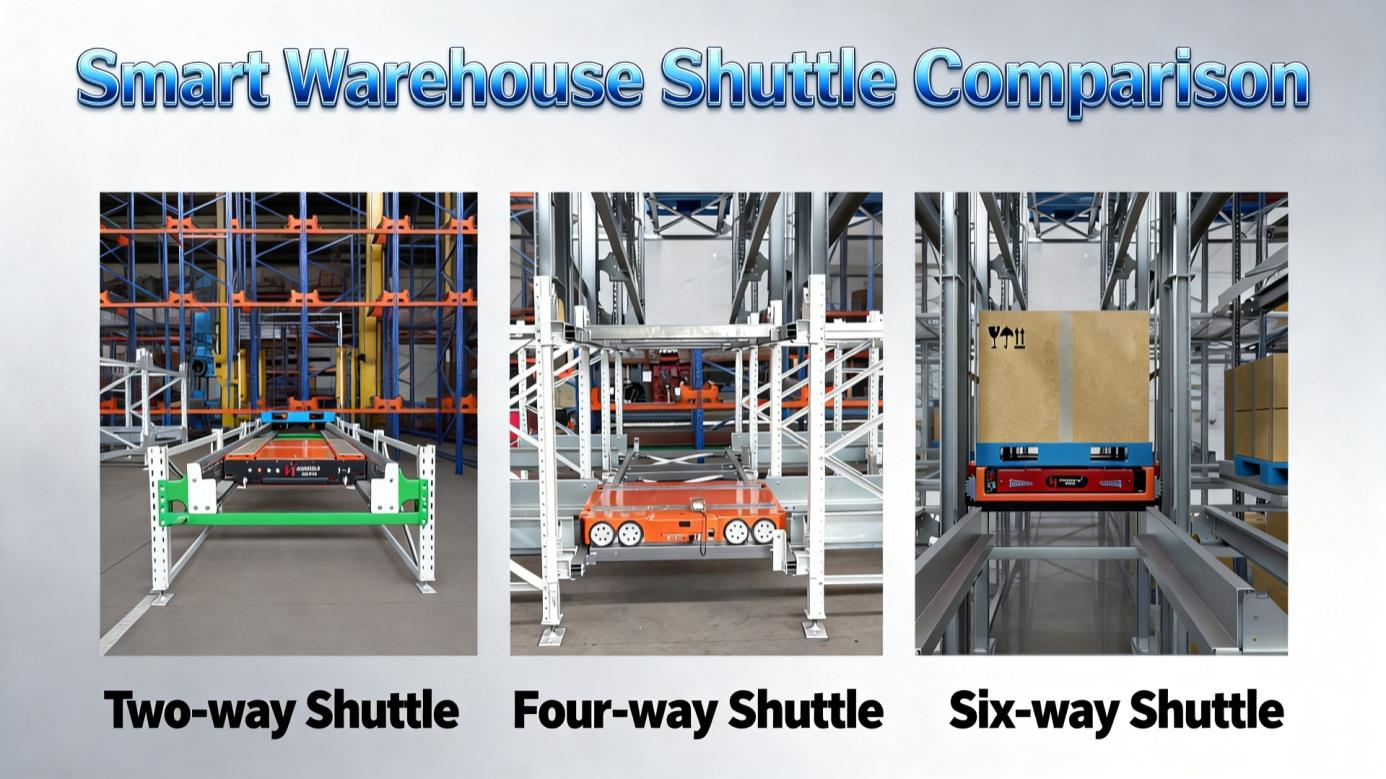
Selecting the right shuttle warehouse system depends on warehouse layout, pallet size, throughput requirements, and future expansion plans. Different technologies such as two-way shuttles, four-way shuttles, six-way shuttles, and mother-child shuttle systems are designed to solve different storage challenges.
HEGERLS provides customized shuttle storage system solutions for manufacturing plants, logistics distribution centers, and e-commerce warehouses worldwide.
Our engineers can help you:
l Analyze your warehouse layout
l Calculate storage capacity and throughput
l Select the most suitable shuttle technology
l Design a scalable automated warehouse system
Talk to a Shuttle Storage Expert
How Does a Shuttle Warehouse Work?
A shuttle warehouse integrates automated equipment to handle storage and retrieval operations.
Typical Operation Flow
1. Goods arrive at the receiving station.
2. Products are identified using barcode or RFID scanning.
3. Conveyors transfer goods to storage levels.
4. Shuttle robots store goods in designated rack locations.
5. Warehouse management software tracks inventory in real time.
6. When orders are placed, shuttle robots retrieve goods automatically.
This goods-to-person operation model significantly improves warehouse efficiency.
Key Advantages of Shuttle Storage Systems
High Storage Density
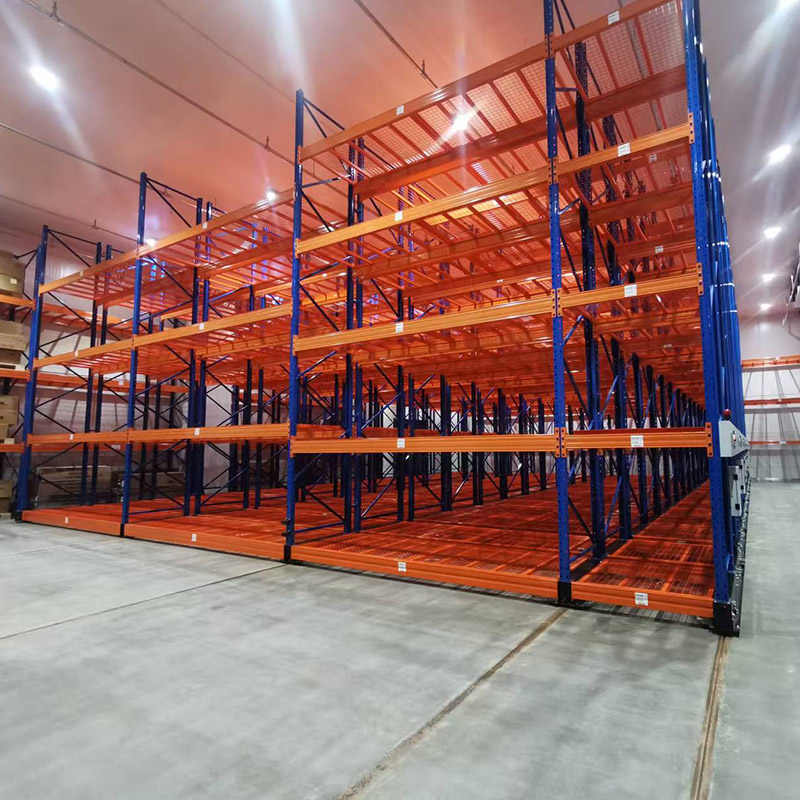
Shuttle systems allow deeper rack lanes and taller warehouse structures.
Many automated shuttle warehouses reach heights of 20–40 meters while maintaining efficient storage access.
High Throughput Capacity
Shuttle robots move quickly inside rack lanes.
Parameter | Typical Value |
Shuttle Speed | 1–2 m/s |
Pallet Handling | 1000–1500 pallets/hour |
Warehouse Height | Up to 40 m |
This enables high-volume logistics operations.
Lower Operational Costs
Automation reduces manual labor and operational errors.
Cost Factor | Improvement |
Labor Cost Reduction | 30–60% |
Inventory Accuracy | +99% |
Handling Time | -40% |
How to Design a Shuttle Storage System
Designing an efficient shuttle warehouse requires careful planning.
Key Design Factors
l Warehouse dimensions
l pallet or tote size
l storage capacity requirements
l throughput targets
l integration with WMS/WCS systems
Example design parameters:
Parameter | Typical Range |
Warehouse Height | 12–40 m |
Storage Capacity | 20,000–100,000+ pallets |
Shuttle Quantity | 10–50 robots |
Throughput | 500–3000 pallets/hour |
Proper design ensures maximum system efficiency.
Shuttle Storage System Cost
One of the most common questions from warehouse operators is the cost of shuttle storage systems.
Costs vary depending on system scale and automation level.
System Size | Estimated Cost |
Small Shuttle Warehouse | $500,000 – $1M |
Medium Automated Warehouse | $1M – $5M |
Large Distribution Center | $5M – $20M+ |
Although the initial investment is higher than traditional racking, the long-term ROI is significant.
Shuttle Warehouse ROI
Many companies recover their investment within 3–5 years.
Typical ROI Drivers
l reduced labor costs
l increased storage capacity
l improved order processing speed
l reduced operational errors
Example ROI comparison:
Factor | Traditional Warehouse | Shuttle Warehouse |
Labor Requirement | High | Low |
Storage Density | Medium | Very High |
Order Speed | Moderate | Fast |
Example: HEGERLS Four-Way Shuttle Warehouse Project
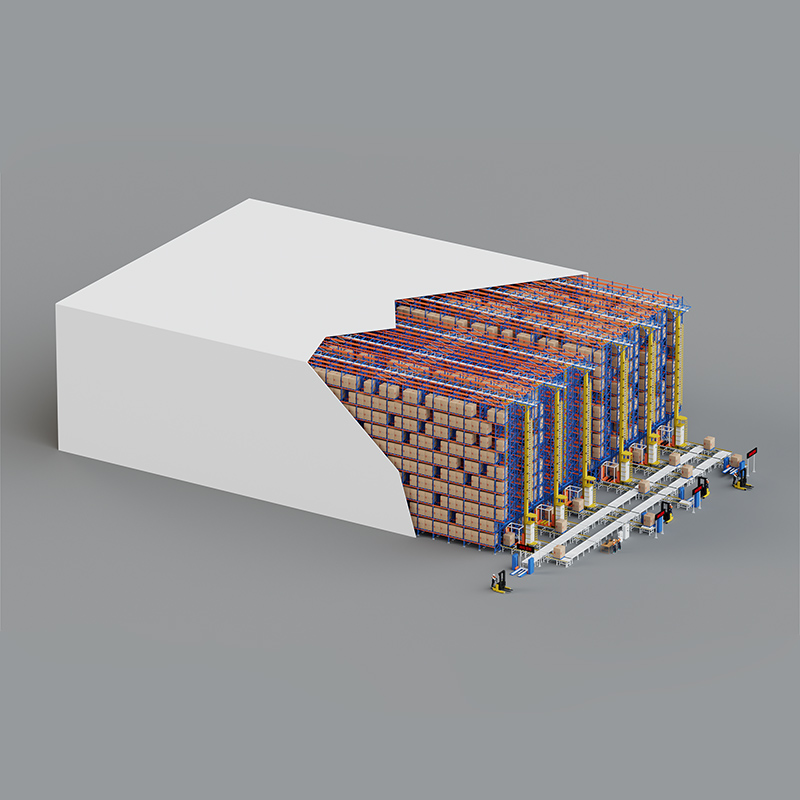
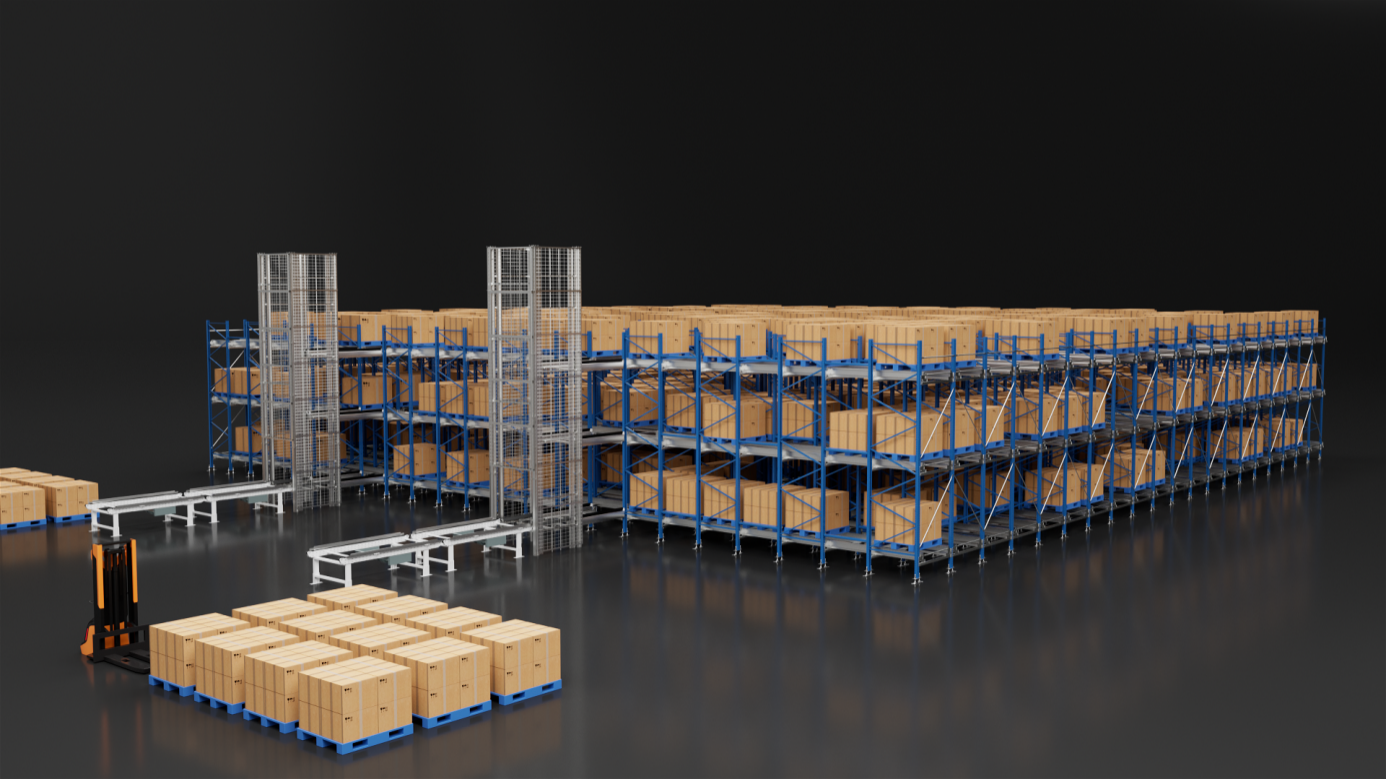
A typical HEGERLS automated shuttle warehouse may include:
l four-way shuttle robots
l high-density racking
l vertical lifts
l conveyor systems
l warehouse management software
Example project parameters:
Parameter | Value |
Warehouse Size | 1600 m² |
Storage Capacity | 1155 pallet positions |
Shuttle Robots | 2 units |
Vertical Lifts | 2 units |
This type of solution is widely used in manufacturing, logistics distribution, and e-commerce fulfillment centers.
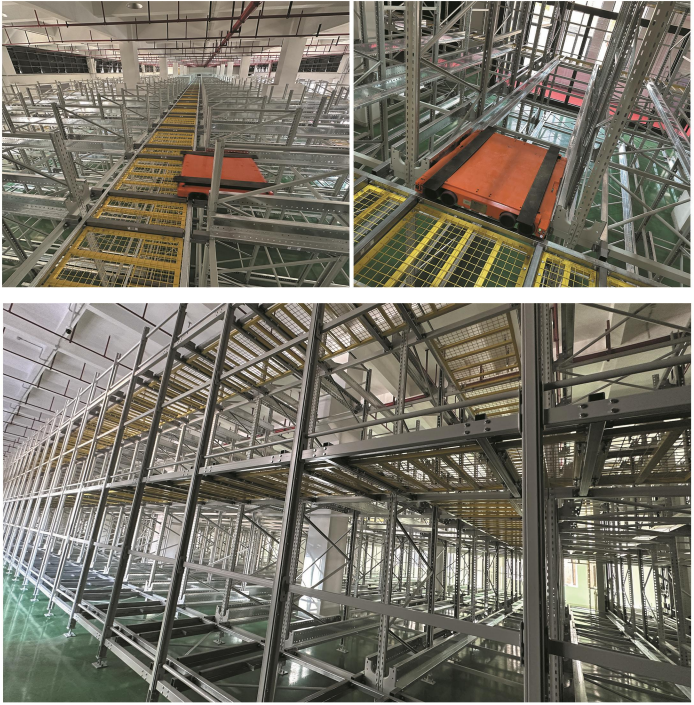
Want a Shuttle Warehouse Like This?
Many modern logistics centers are upgrading from traditional pallet racking to automated shuttle warehouse systems to increase storage density and operational efficiency.
HEGERLS has delivered automated warehouse solutions for industries including:
l manufacturing
l retail distribution
l e-commerce fulfillment
l cold chain logistics
Our engineering team can design a custom shuttle warehouse solution based on your warehouse dimensions, pallet specifications, and throughput targets.
Request a Free Shuttle Warehouse Layout Design
Future Trends in Shuttle Warehouse Technology
Warehouse automation continues evolving rapidly.
AI-Driven Warehouse Optimization
Artificial intelligence will optimize shuttle movement paths and storage allocation automatically.
Digital Twin Warehouse Simulation
Before construction, companies increasingly use warehouse simulation software to test shuttle system performance.
Robotics Integration
Future shuttle warehouses will integrate with:
l AGVs
l AMRs
l robotic picking systems
l automated conveyors
These technologies will create fully autonomous smart warehouses.
Top Shuttle Storage System Applications
Shuttle warehouse systems are widely used across industries.
Industry | Application |
E-commerce | Order fulfillment |
Retail | Distribution centers |
Manufacturing | Raw material storage |
Cold Chain | Frozen food warehouses |
Pharmaceutical | Controlled inventory storage |
According to LogisticsIQ, automated warehouses will grow at a CAGR of over 14% between 2023 and 2030.
Why Shuttle Storage Systems Are the Future of Warehousing
As global supply chains become more complex, warehouses must operate faster and more efficiently than ever before.
Shuttle storage systems provide:
l high-density storage
l scalable automation
l real-time inventory tracking
l reduced labor dependency
For modern logistics operations, a shuttle warehouse system has become one of the most effective automation technologies available.
FAQ: Shuttle Storage System
What is a shuttle storage system used for?
A shuttle storage system is used for automated storage and retrieval of pallets, totes, or cartons in high-density warehouses.
How efficient is a shuttle warehouse?
Shuttle warehouses can achieve 80–90% space utilization and process thousands of pallet movements per hour.
What industries use shuttle storage systems?
Common industries include e-commerce, manufacturing, retail distribution, cold storage, and pharmaceutical logistics.
Start Building Your Automated Shuttle Warehouse
As warehouse automation becomes essential for modern supply chains, companies are increasingly investing in shuttle storage systems to improve efficiency and reduce operating costs.
Whether you are planning a new automated warehouse or upgrading an existing storage facility, HEGERLS can help you design a high-performance shuttle warehouse tailored to your operation.
With HEGERLS Shuttle Storage Solutions You Can:
l Increase storage density by up to 90%
l Reduce labor costs by 30–60%
l Improve warehouse throughput and accuracy
l Build a scalable smart warehouse system
Our automation specialists will evaluate your project and provide a custom warehouse automation proposal.