

What Is a Radio Shuttle Racking System?
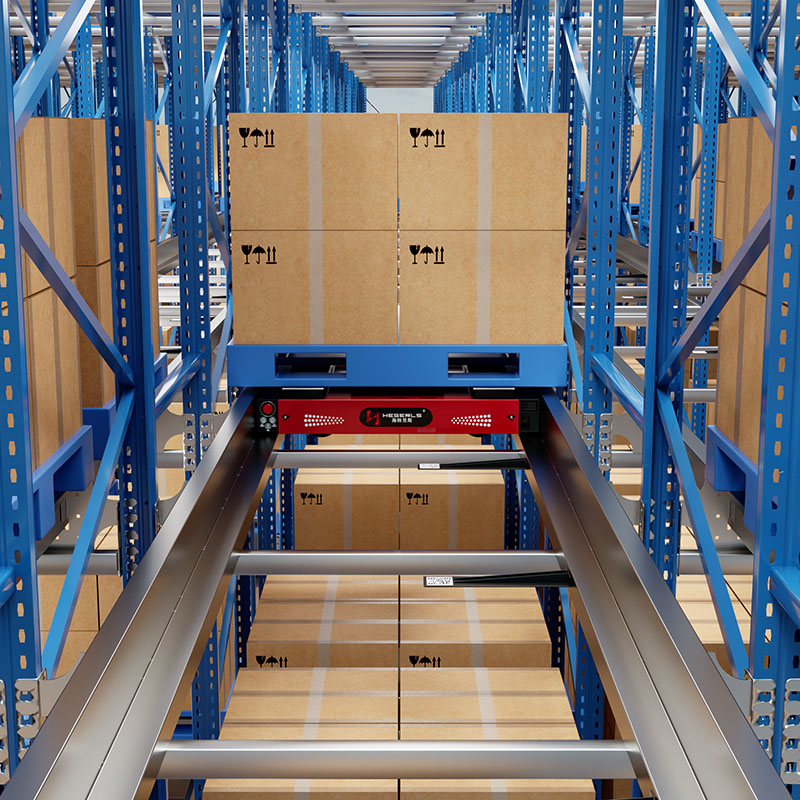
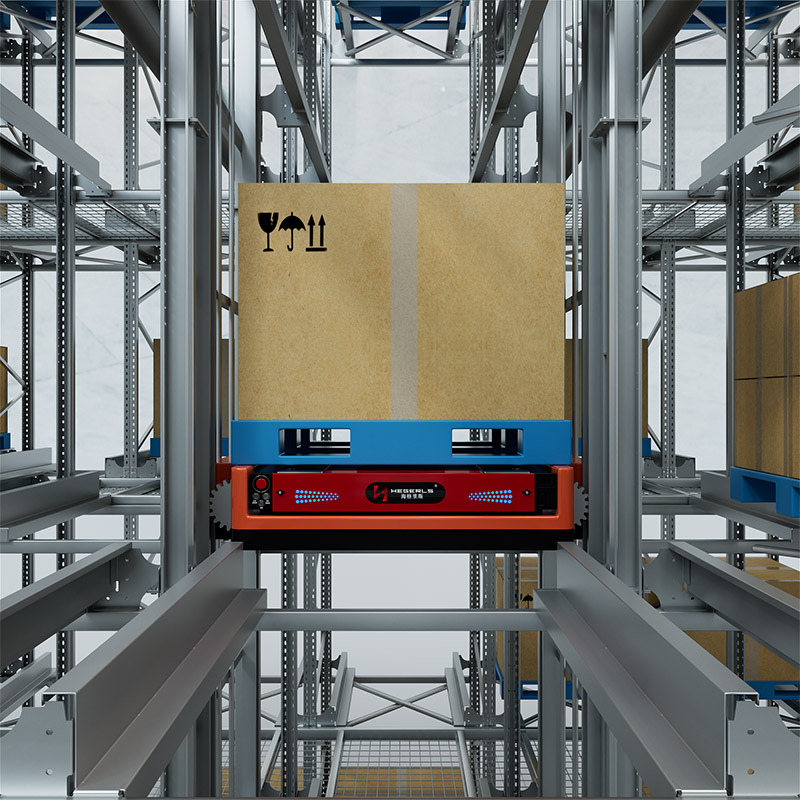
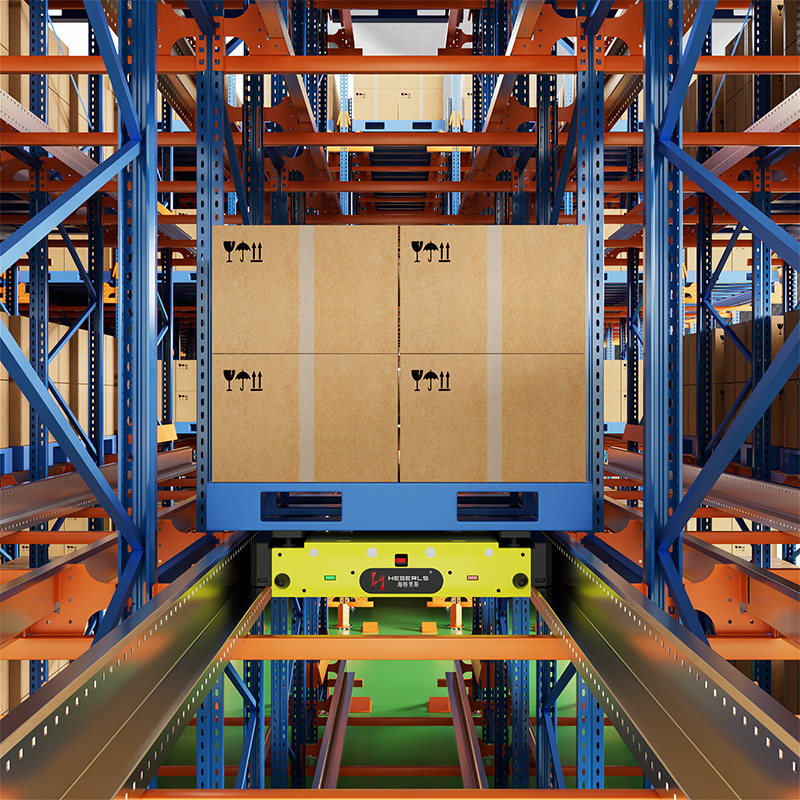
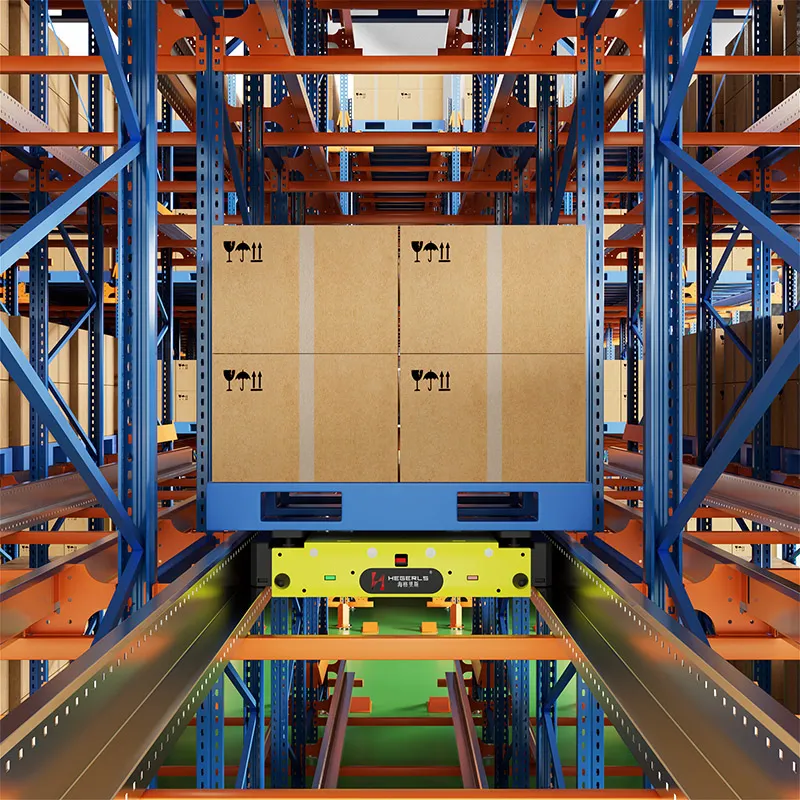
A radio shuttle racking system is an automated high-density warehouse storage solution that uses a battery-powered shuttle cart to transport pallets inside deep storage lanes within a racking structure.
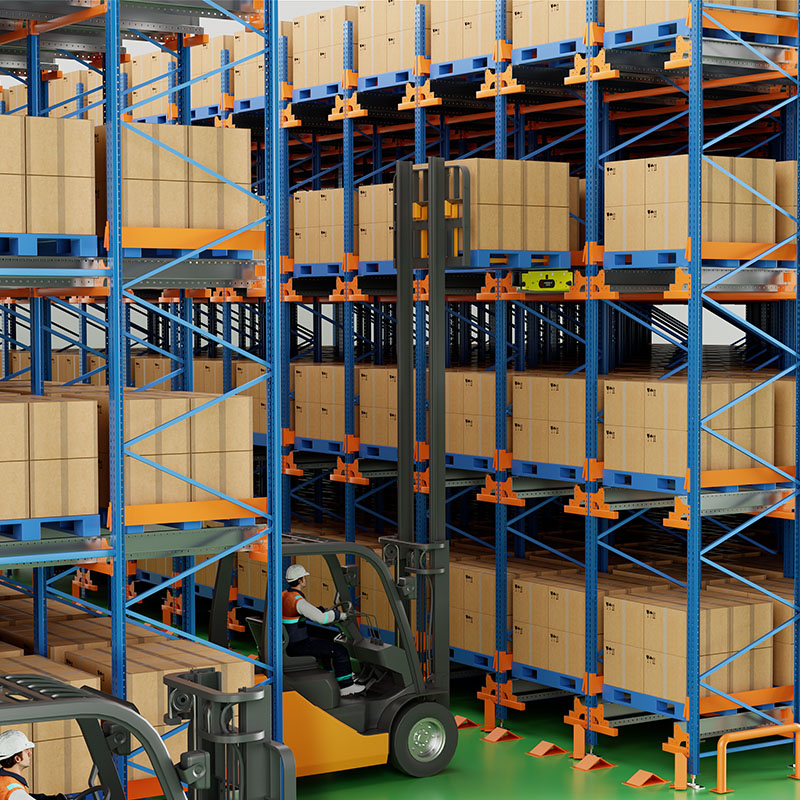
Unlike traditional pallet racking systems that rely on forklifts entering storage aisles, a radio shuttle racking system allows forklifts to load pallets at the entrance of the rack while the shuttle moves the pallets automatically to the designated storage position.
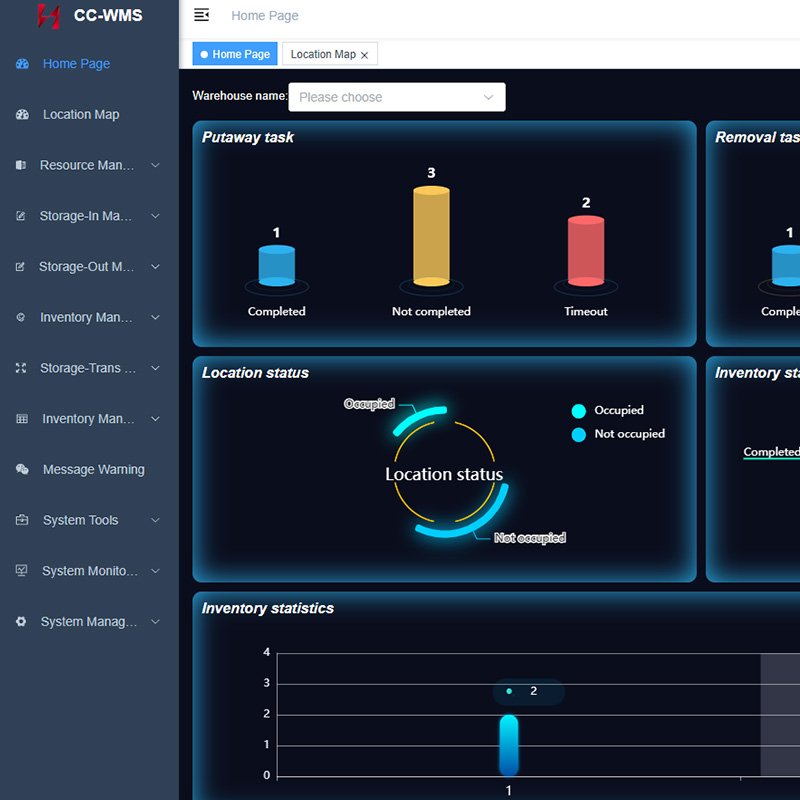
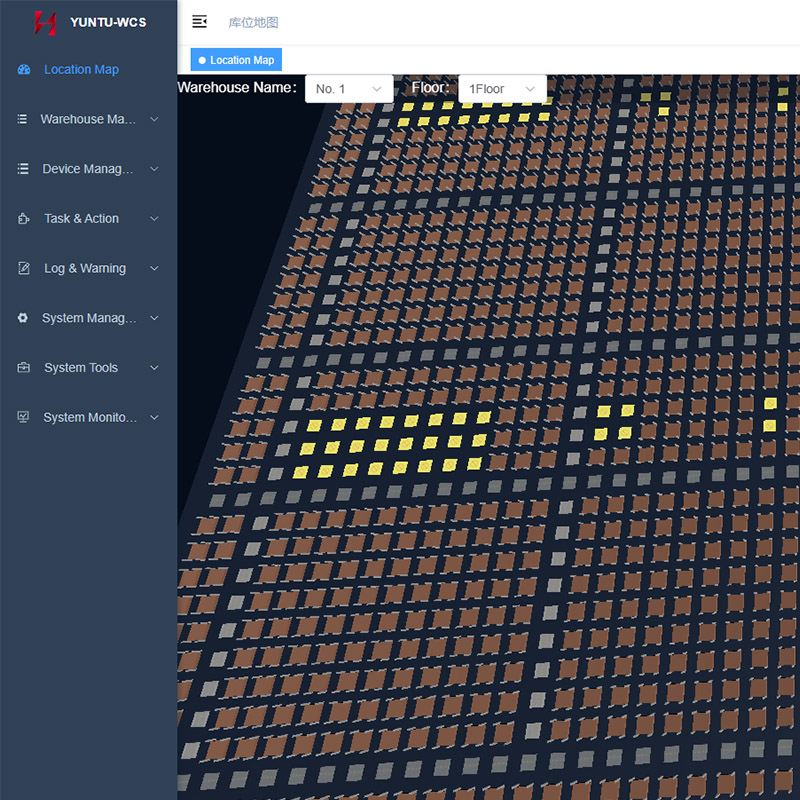
The shuttle is controlled through a wireless remote control, tablet, or warehouse management system (WMS), which significantly improves storage density, operational efficiency, and safety.
In modern logistics operations, radio shuttle systems are widely used in industries that require high-density pallet storage, such as:
food and beverage distribution
cold storage warehouses
manufacturing plants
retail distribution centers
third-party logistics (3PL)
According to a LogisticsIQ report, warehouse automation adoption is expected to grow at a compound annual growth rate (CAGR) of over 14% through 2030, with shuttle-based storage systems playing an increasingly important role in high-density pallet storage.
How a Radio Shuttle System Works
A radio shuttle racking system operates through the coordination of several components within the warehouse storage infrastructure.
Core System Components
Typical radio shuttle systems include:
radio shuttle carts
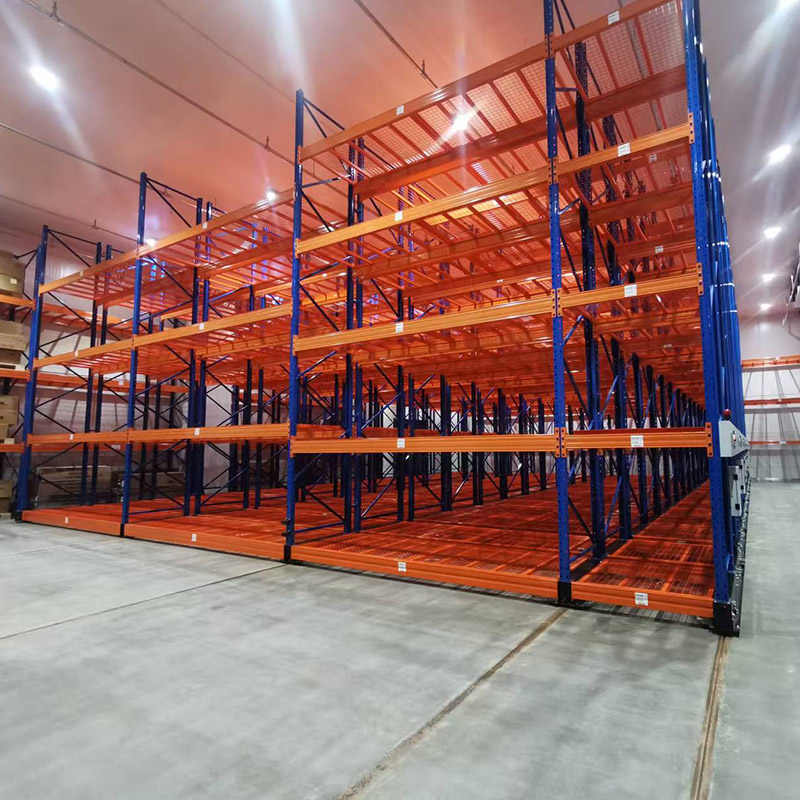
high-density pallet racking
forklifts or pallet conveyors
battery charging stations
wireless remote control system
optional warehouse management system (WMS)
Standard Operating Process
1. A forklift places a pallet at the rack entry point.
2. The operator sends a command through the remote controller.
3. The radio shuttle picks up the pallet and transports it deep into the storage lane.
4. The shuttle positions the pallet at the next available storage location.
5. When retrieval is required, the shuttle automatically returns the pallet to the rack entrance.
This automated process eliminates the need for forklifts to drive into storage lanes, improving both safety and efficiency.
Key Advantages of Radio Shuttle Racking Systems
Higher Storage Density
One of the main advantages of radio shuttle racking systems is their ability to maximize warehouse space utilization.
Because forklifts do not need to enter storage lanes, racks can be designed with deeper storage channels.
Storage System | Typical Space Utilization |
Selective Pallet Racking | 40–50% |
Drive-In Racking | 60–70% |
Radio Shuttle Racking System | 80–85% |
This allows companies to significantly increase storage capacity without expanding their warehouse footprint.
Faster Warehouse Operations
A radio shuttle system allows multiple pallet movements to occur simultaneously, which increases warehouse throughput.
Performance Indicator | Typical Value |
Shuttle Travel Speed | 0.8–1.5 m/s |
Pallet Handling Capacity | 600–1200 pallets/day per shuttle |
Maximum Storage Depth | Up to 40 pallets deep |
Inventory Accuracy | >99% |
These performance improvements make shuttle systems ideal for high-volume logistics operations.
Improved Warehouse Safety
Traditional drive-in racking requires forklifts to operate inside narrow storage lanes, which increases the risk of rack damage and workplace accidents.
With a radio shuttle racking system:
forklifts remain outside storage lanes
rack structures are better protected
operator safety is significantly improved
This reduces maintenance costs and equipment downtime.
Radio Shuttle Racking vs Traditional Pallet Storage
Many warehouse managers evaluate different storage technologies when planning facility upgrades.
The table below compares radio shuttle racking systems with other pallet storage solutions.
Storage System | Storage Density | Efficiency | Flexibility |
Selective Pallet Racking | Low | Medium | High |
Drive-In Racking | Medium | Low | Low |
Push Back Racking | Medium | Medium | Medium |
Radio Shuttle Racking System | High | High | Medium |
While selective racking offers easy pallet access, radio shuttle systems provide the best balance between density and efficiency.
Industries Using Radio Shuttle Systems
Radio shuttle storage technology is widely used in industries that require efficient pallet handling and high storage density.
Industry | Typical Application |
Food & Beverage | High-density pallet storage |
Cold Chain Logistics | Frozen food warehouses |
Retail Distribution | Fast-moving consumer goods |
Manufacturing | Raw material storage |
Third-Party Logistics | Multi-client pallet storage |
Cold storage facilities particularly benefit from radio shuttle systems because they minimize forklift travel time in low-temperature environments.
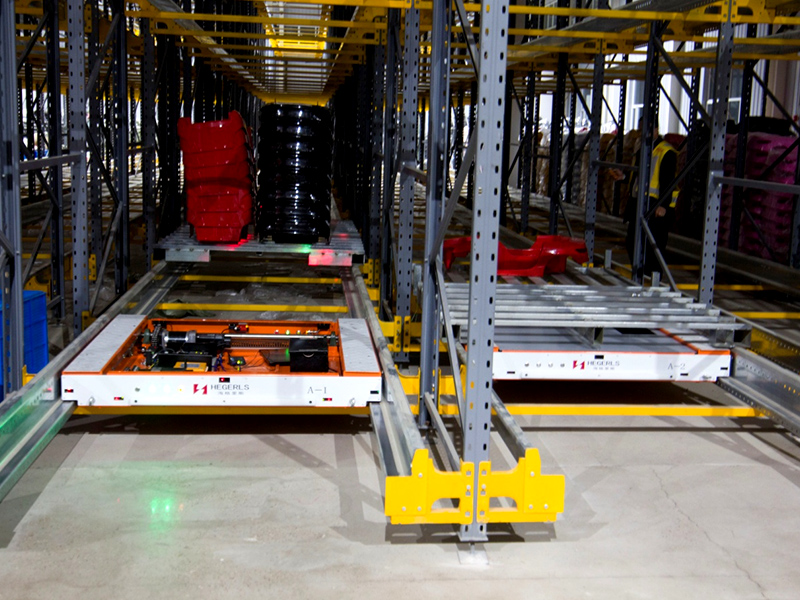
Typical Layout of a Radio Shuttle Warehouse
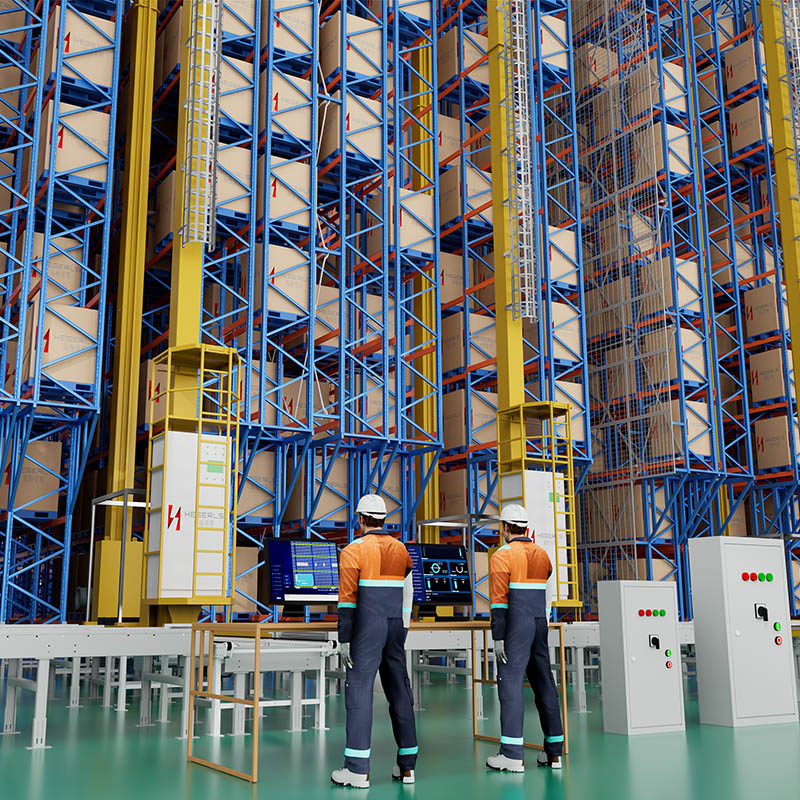
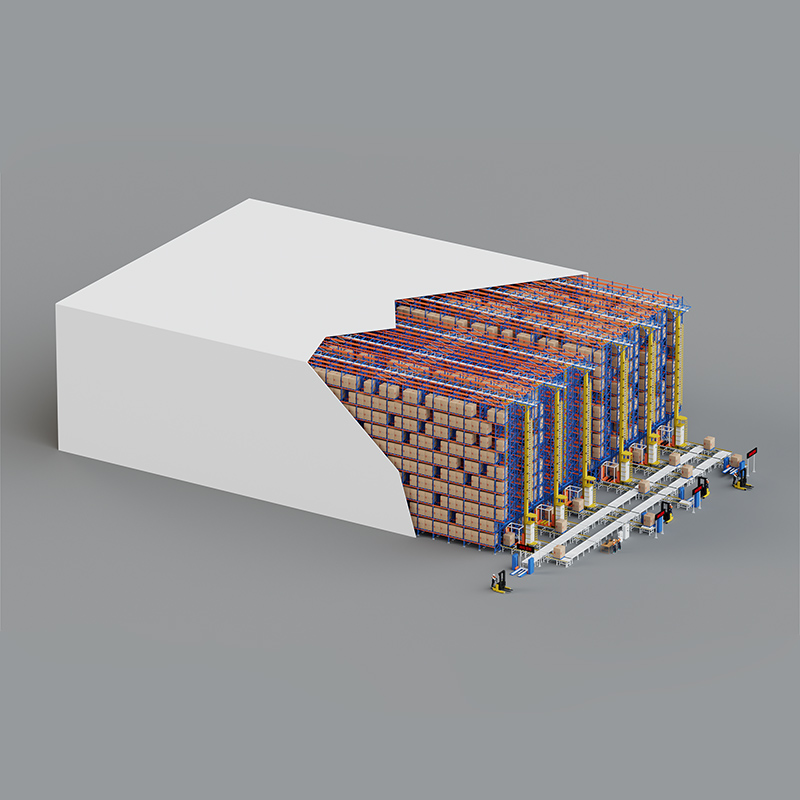
A typical radio shuttle racking system warehouse may include:
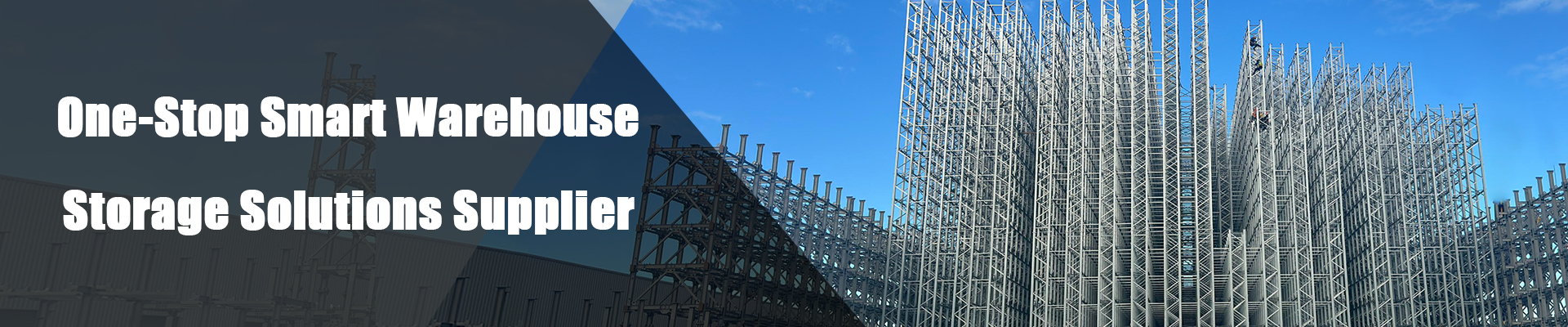
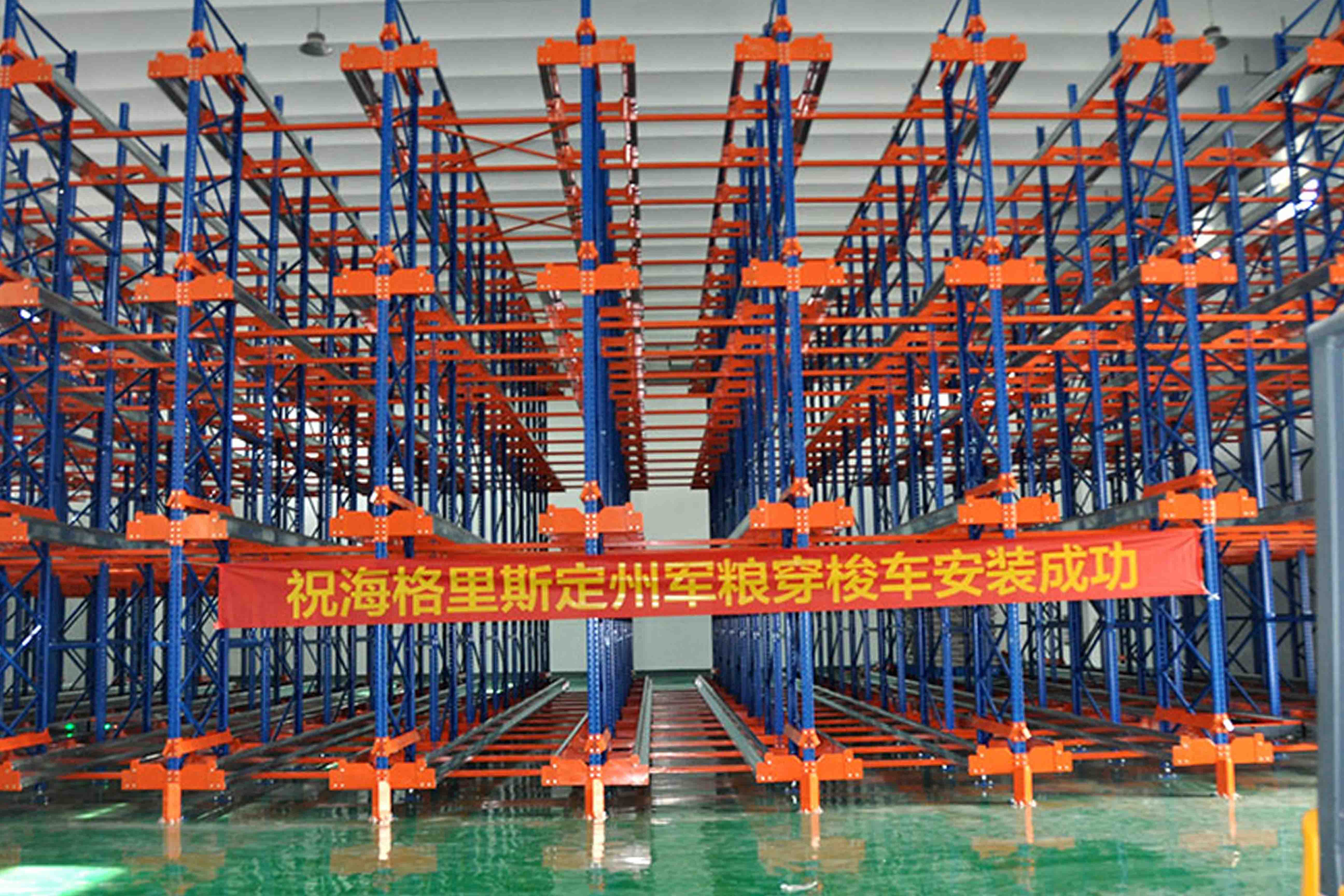
deep lane racking structures up to 15–20 meters high
multiple radio shuttle units operating simultaneously
pallet staging areas for inbound and outbound goods
battery charging stations for shuttle carts
Example project parameters:
Parameter | Example Specification |
Warehouse Height | 16 m |
Storage Capacity | 20,000 pallet positions |
Shuttle Quantity | 10 units |
Daily Throughput | 1500 pallets |
Such facilities are commonly used by large distribution centers seeking to improve storage density while maintaining operational efficiency.
When Should You Use a Radio Shuttle Racking System?
A radio shuttle racking system is ideal for warehouses with the following characteristics:
large quantities of identical pallets
limited warehouse floor space
high-density storage requirements
FIFO or LIFO inventory management
high pallet turnover
These conditions are common in industries such as food manufacturing, beverage distribution, and cold chain logistics.
Future Trends in Shuttle-Based Warehouse Storage
Radio shuttle technology continues to evolve as warehouse automation becomes more sophisticated.
Integration with Warehouse Management Systems
Modern radio shuttle systems can integrate with WMS platforms to enable automated inventory tracking and storage allocation.
Smart Fleet Management
Advanced systems allow operators to manage multiple shuttle carts simultaneously through centralized software.
Hybrid Automation Solutions
Many warehouses are combining radio shuttle racking systems with other automation technologies such as:
pallet conveyors
robotic palletizers
These hybrid systems provide greater flexibility and scalability for modern logistics operations.
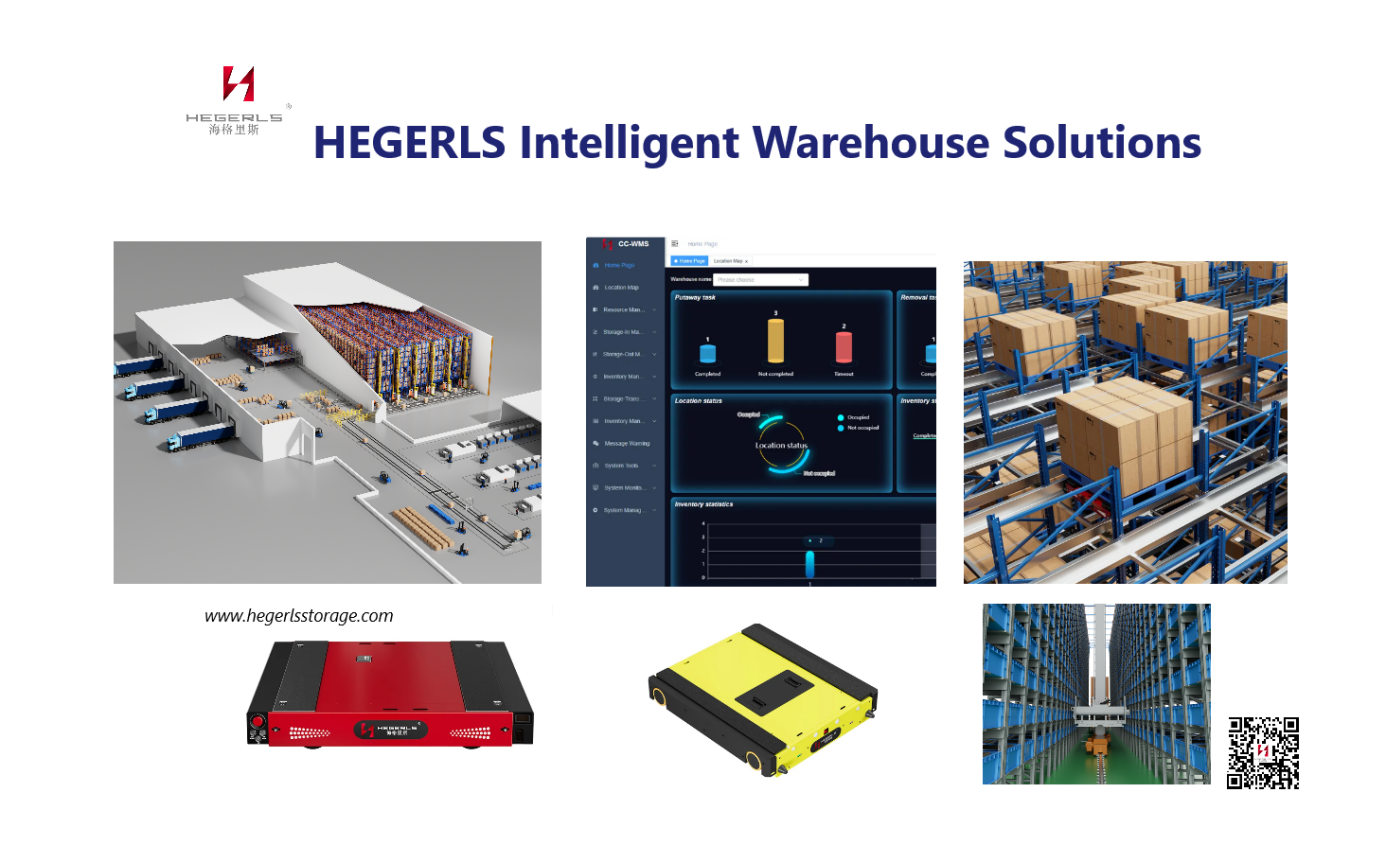
Why Companies Choose HEGERLS Radio Shuttle Racking Systems
HEGERLS provides high-quality radio shuttle racking systems designed to maximize warehouse efficiency and storage capacity.
Our solutions combine:
durable high-density racking structures
intelligent radio shuttle technology
advanced warehouse automation integration
customized system design for each project
With extensive experience in automated warehouse engineering, HEGERLS helps companies build efficient, reliable, and scalable storage systems.
Looking for a Radio Shuttle Racking System?
If your warehouse requires high-density pallet storage and efficient material handling, a radio shuttle racking system could be the ideal solution.
HEGERLS provides customized radio shuttle warehouse solutions tailored to your storage capacity, pallet specifications, and operational requirements.
Our automation experts can help you design the most suitable shuttle racking system for your facility.