

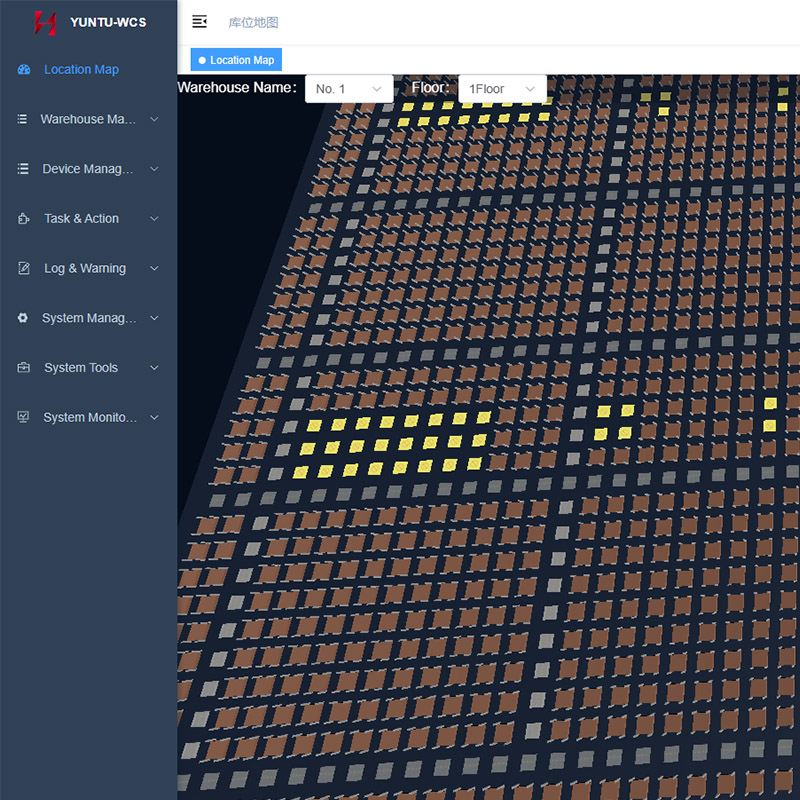
In modern industrial logistics, warehouse space is one of the most valuable operational assets. A professionally engineered storage racking system enables companies to maximize vertical space, improve workflow efficiency, and build scalable infrastructure for long-term growth.
From conventional pallet racks to high-density automated systems, the right solution transforms your warehouse into a high-performance logistics hub.
Why Is a Storage Racking System Critical for Warehouse Efficiency?
A well-designed racking system directly impacts:
Storage density
Inventory accuracy
Picking efficiency
Labor cost
Safety compliance
Industry data shows that optimized racking layouts can increase usable warehouse space by 30%–60%, significantly reducing the need for facility expansion.
For manufacturers, 3PL providers, cold storage operators, and e-commerce warehouses, this translates into measurable ROI.
Types of Storage Racking Systems
1. Selective Pallet Racking System
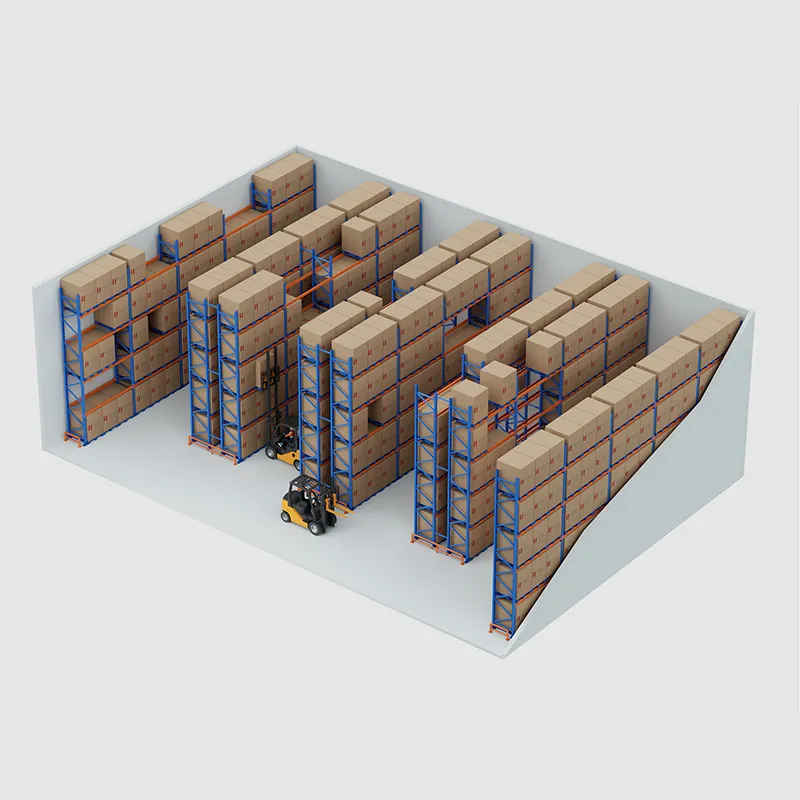
Best for: High SKU diversity & direct pallet access
100% pallet accessibility
Flexible configuration
Cost-effective solution
Compatible with standard forklifts
Most commonly used storage racking system worldwide.
2. Drive-In / Drive-Through Racking
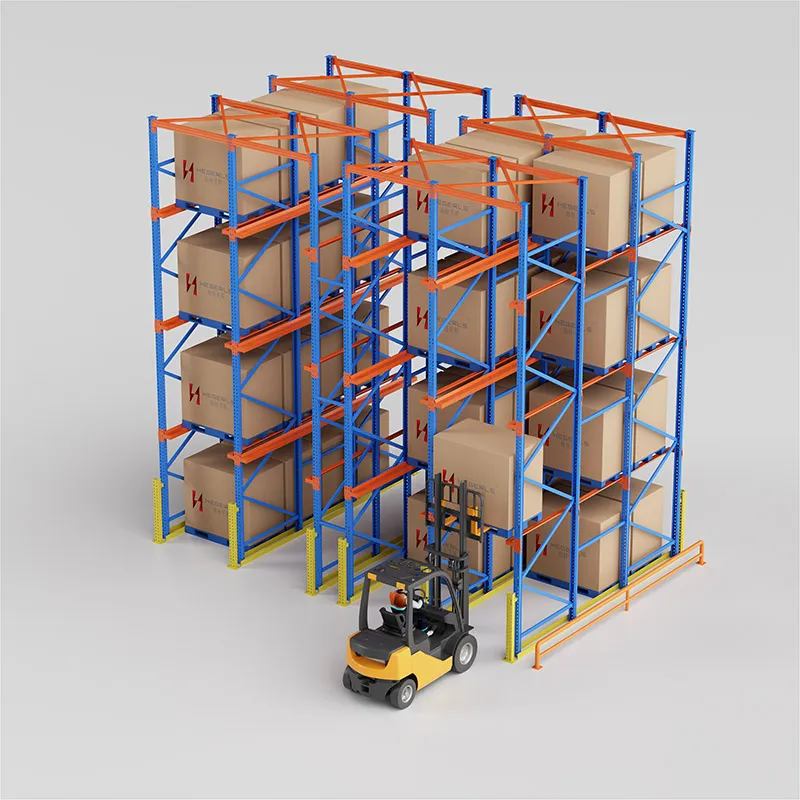
Best For: Bulk storage with limited SKU variety.
This high-density storage racking system minimizes aisles and maximizes cubic space usage.
Key Benefits:
Increased pallet positions
Reduced aisle footprint
Ideal for cold storage & seasonal goods
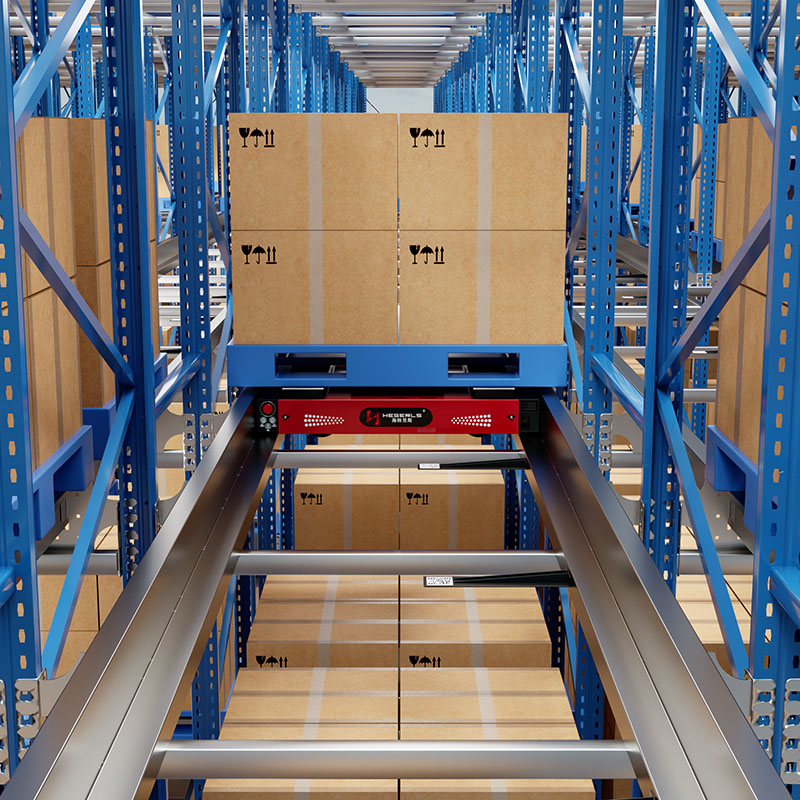
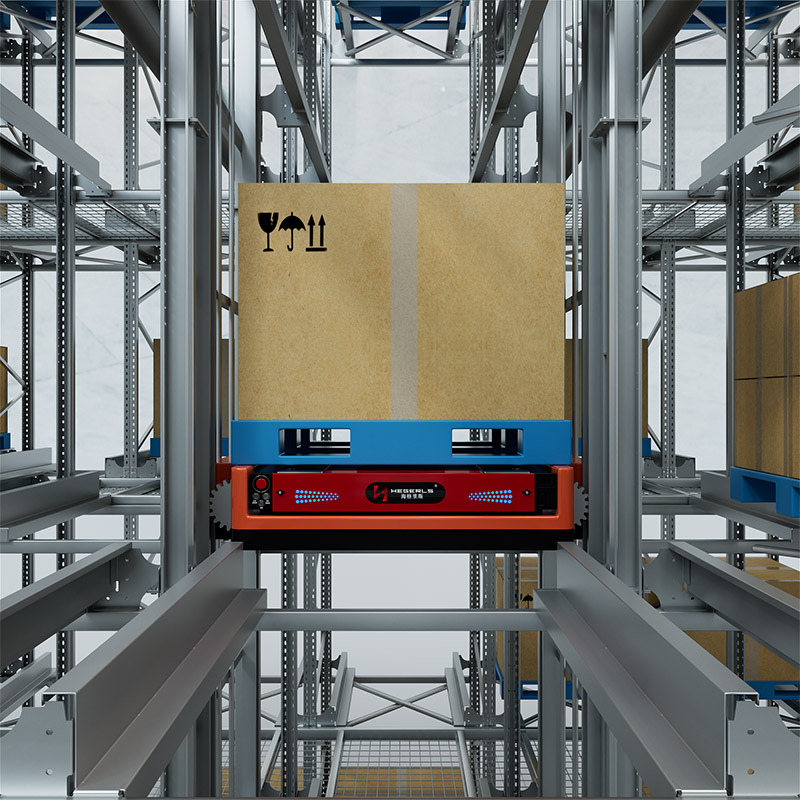
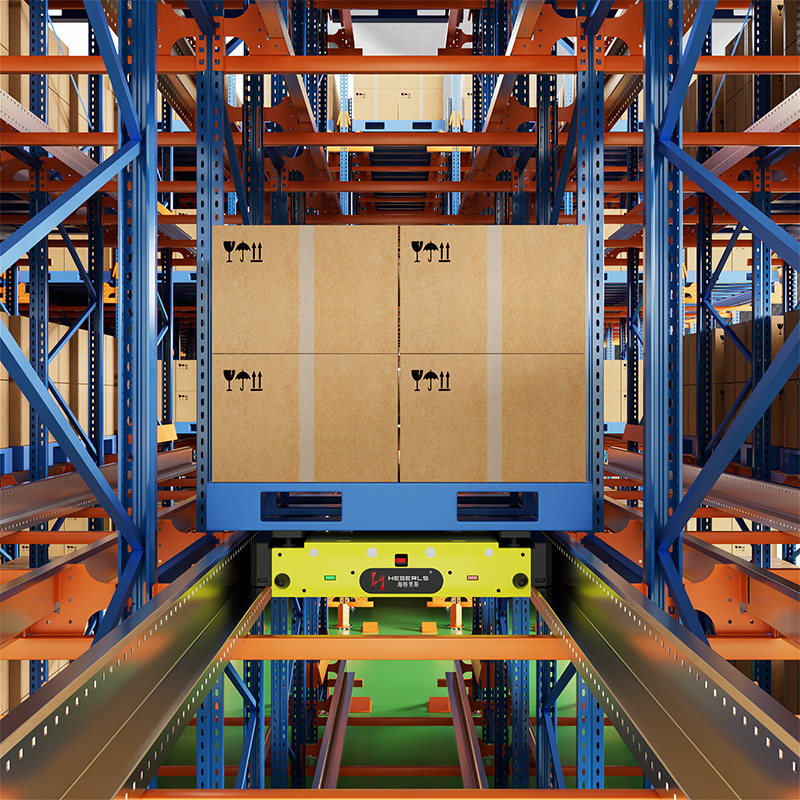
3. Pallet Shuttle Racking System
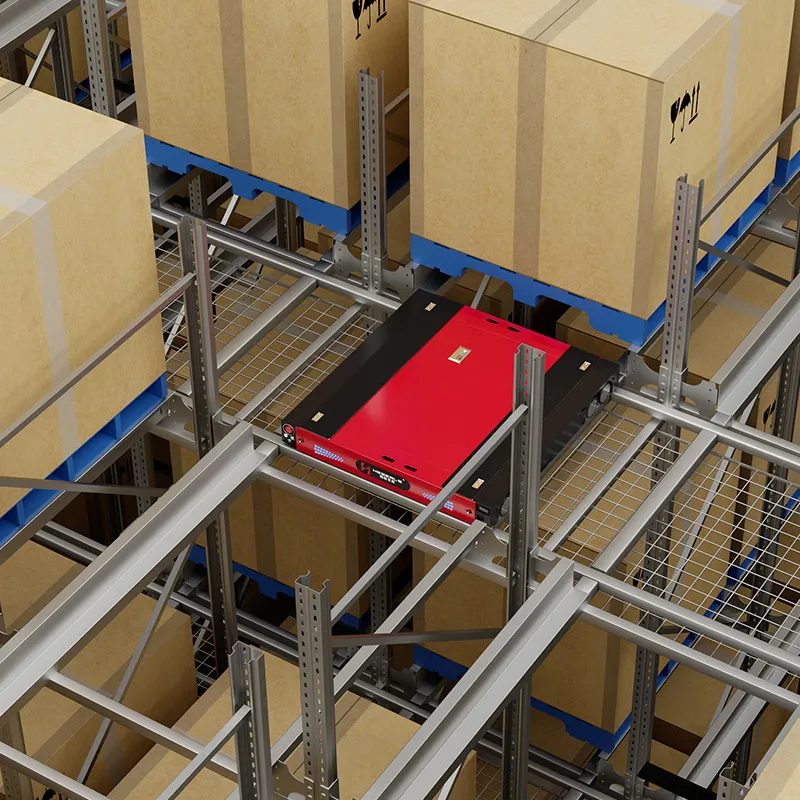
Best For: High-density storage with automation upgrade potential.
Shuttle racking integrates semi-automated pallet carriers to move goods within rack channels, reducing forklift travel and increasing throughput.
Key Benefits:
Higher storage density
Reduced labor costs
Enhanced safety
Scalable automation integration
4.Cantilever Storage Racking System
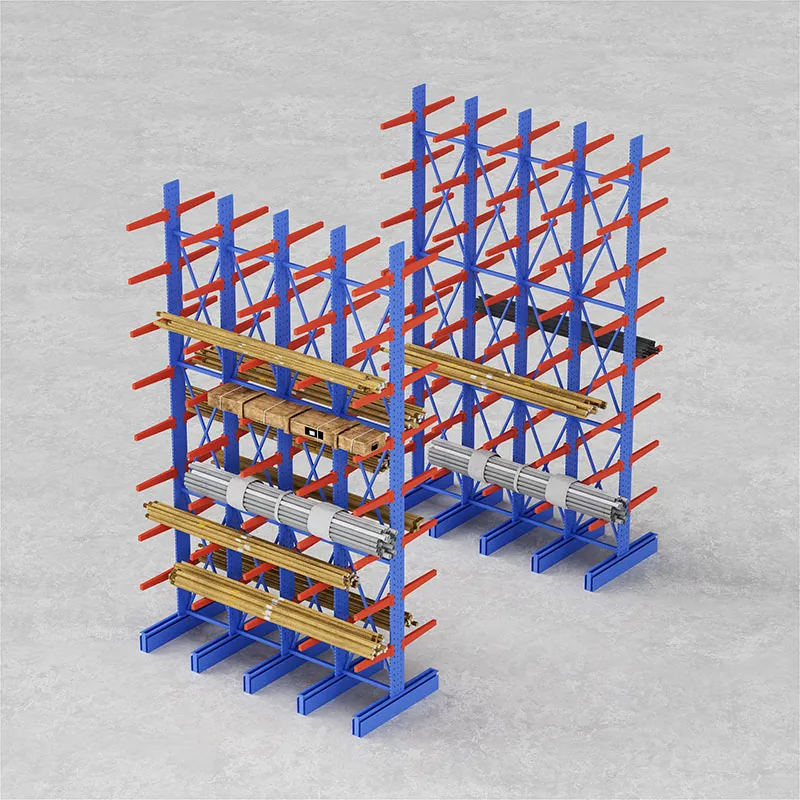
Best For: Long, heavy, or irregular materials.
Open-front access
Adjustable arms
Heavy-duty design
Suitable for steel, pipes, timber
Cantilever systems provide unobstructed front access and flexible arm configurations.
5.Mezzanine Racking System (Multi-Tier Platform)
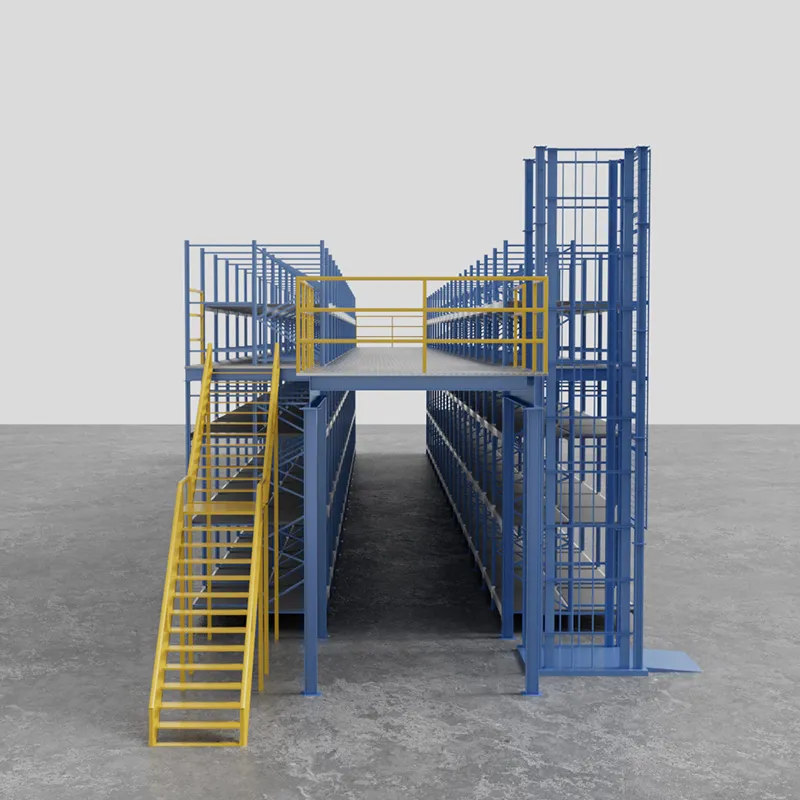
Best for: Maximizing vertical space without building expansion
Adds additional storage levels
Ideal for e-commerce picking
Improves space utilization
Can integrate conveyors & lifts
Perfect solution for facilities with limited footprint but high ceilings.
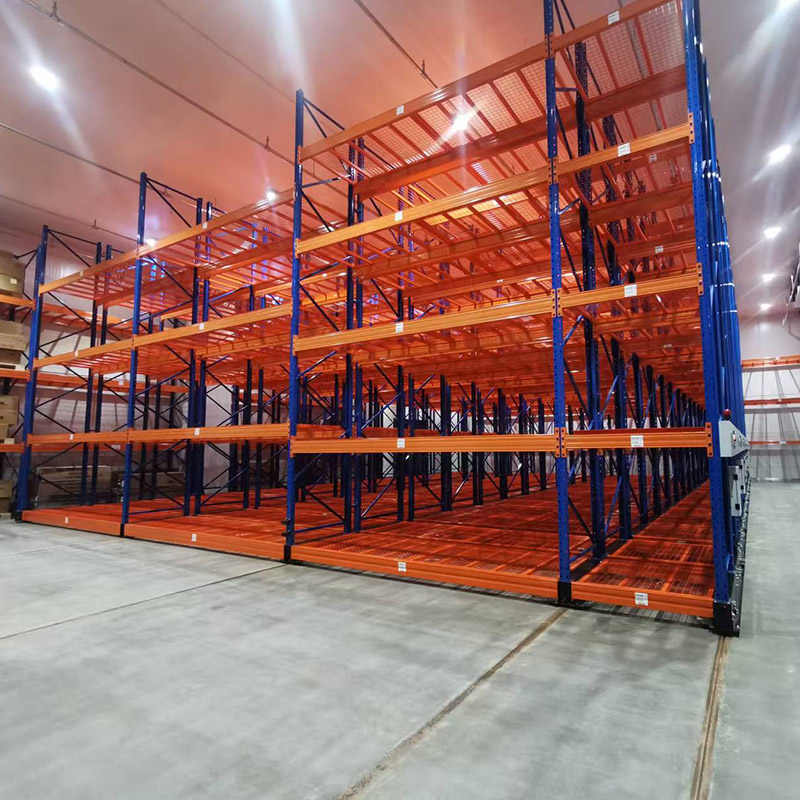
6. Pallet Flow (Gravity Flow) Racking System
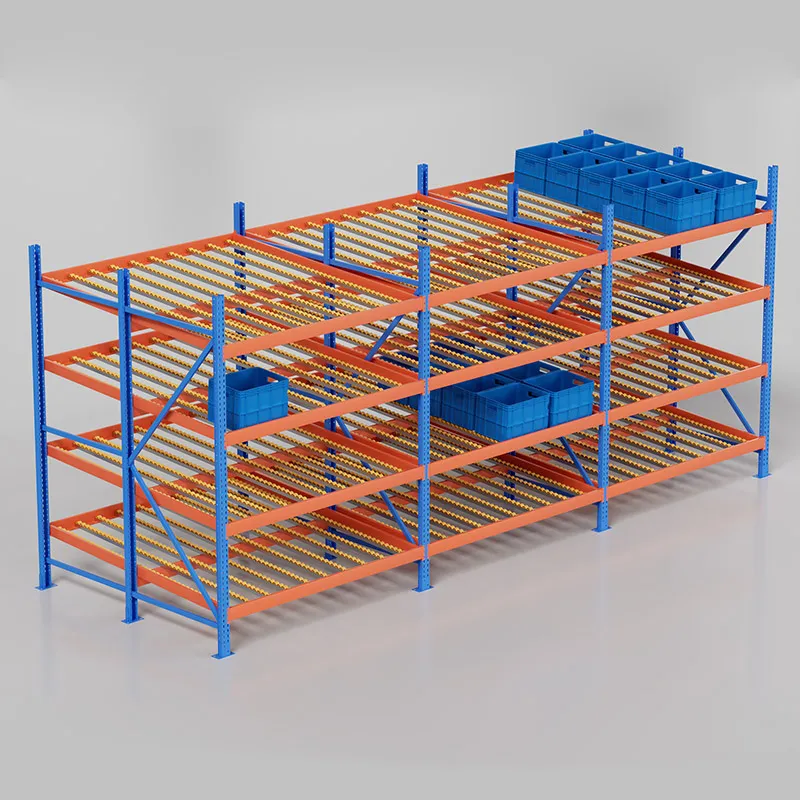
Pallet Flow
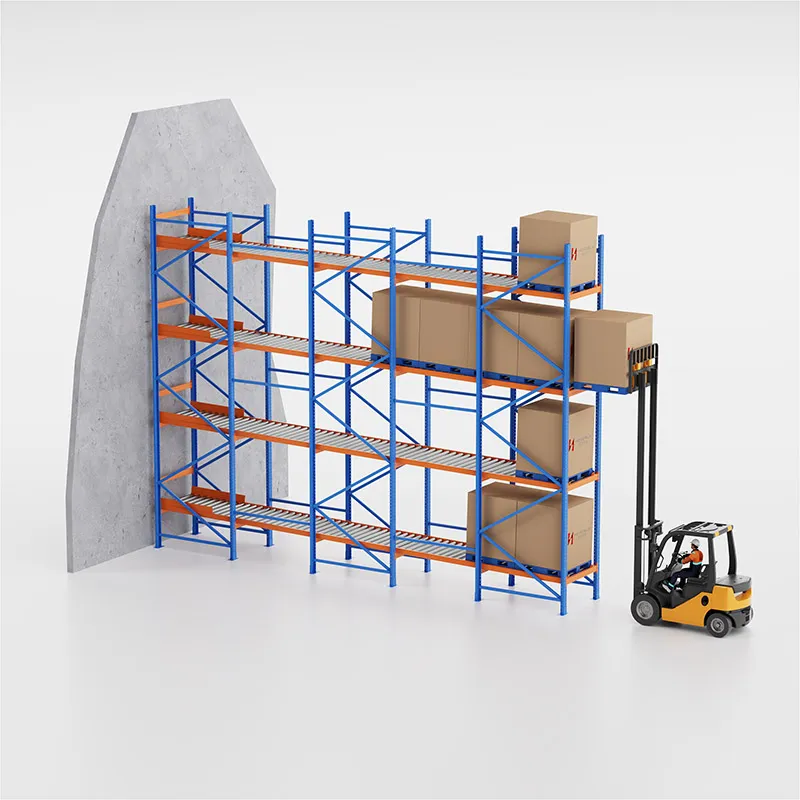
Gravity Flow
Best for: FIFO inventory management
Gravity-driven pallet movement
Ideal for food & beverage
Increased picking speed
Reduced labor costs
Frequently used in cold chain logistics.
7. Very Narrow Aisle (VNA) Racking System
Best for: High-density storage with specialized forklifts
Narrow aisle design
Higher pallet positions
Requires turret trucks
Optimizes vertical space
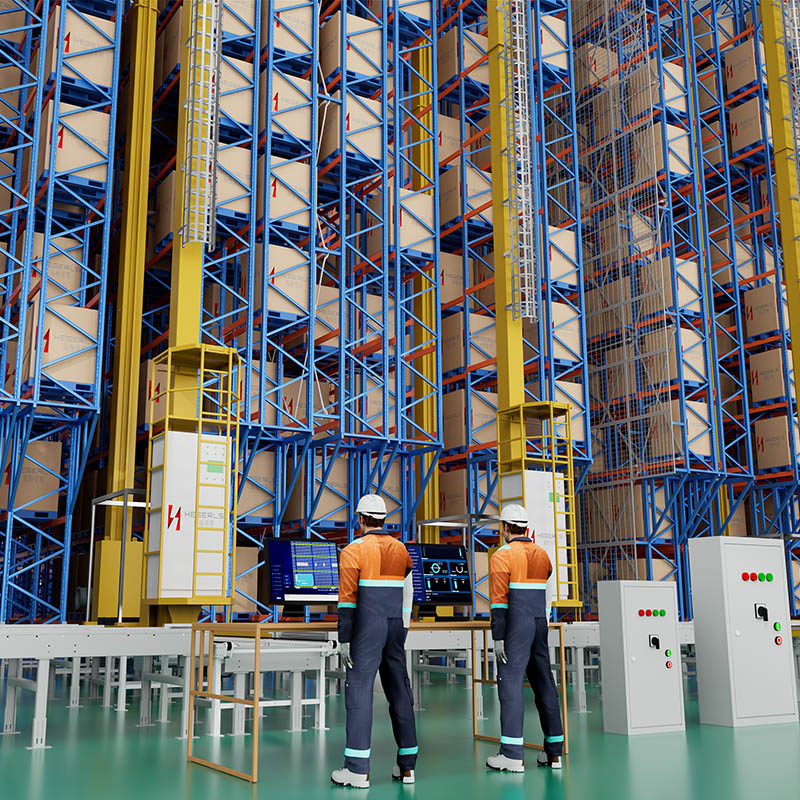
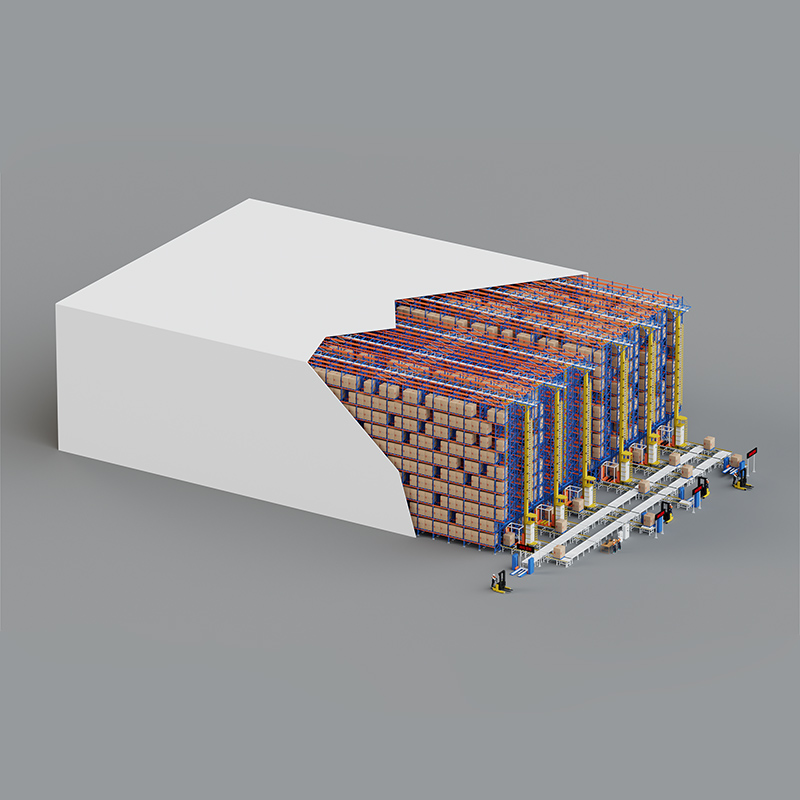
8.Automated Storage Racking System (AS/RS Compatible)
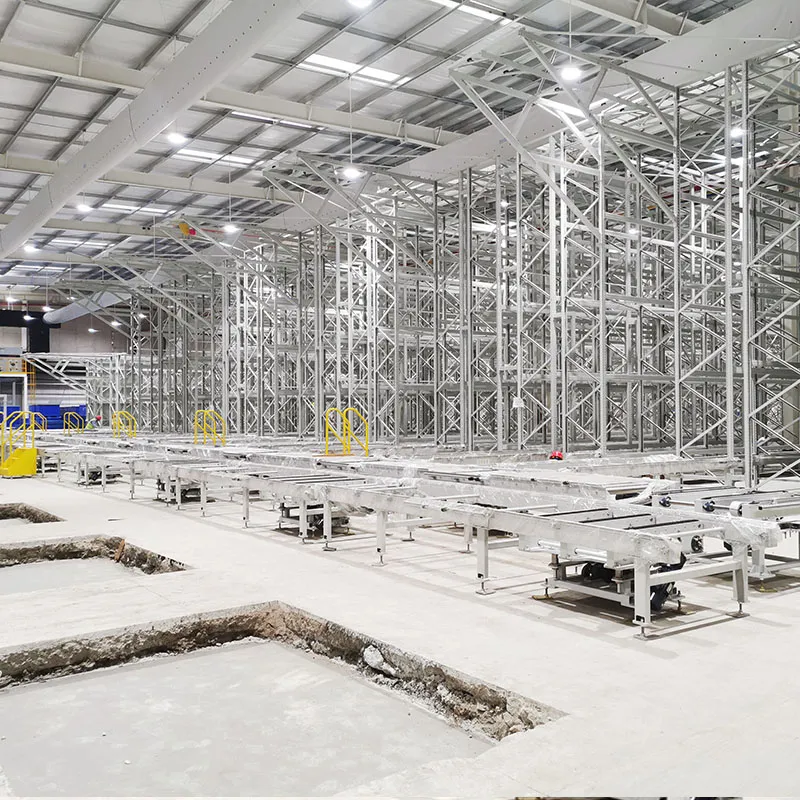
Best for: Fully automated high-bay warehouses
Crane-based pallet handling
High precision positioning
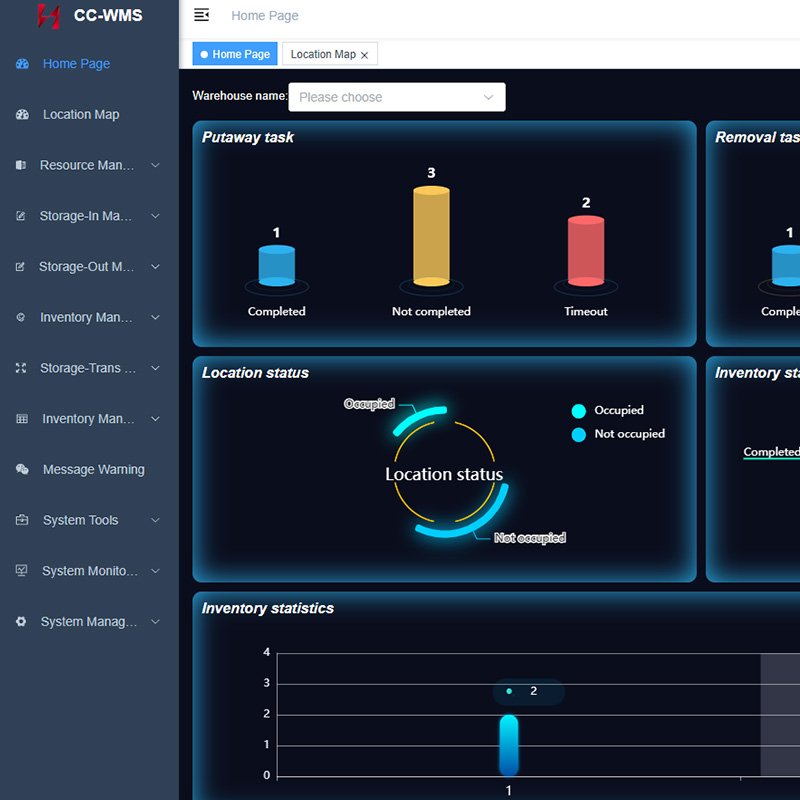
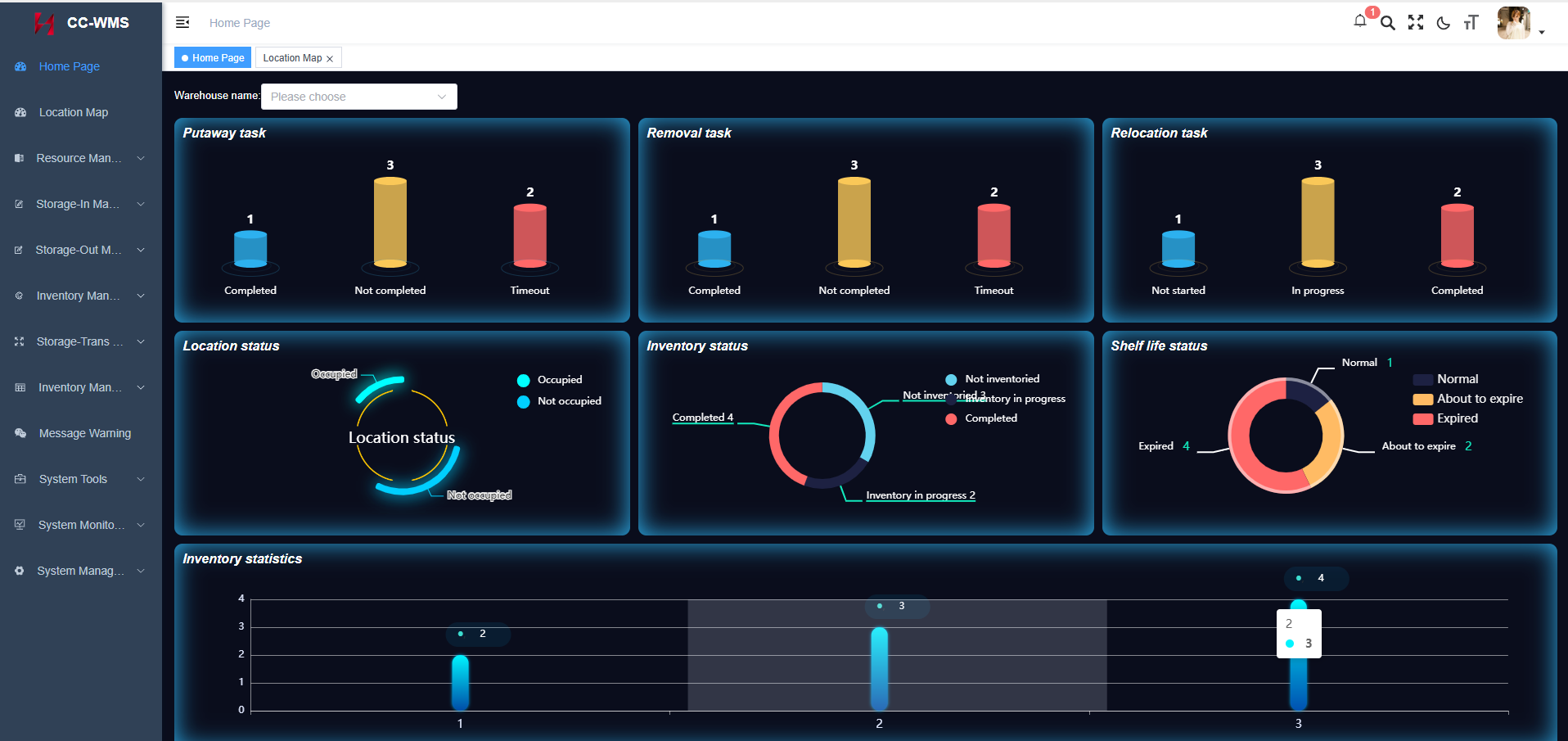
Integrated WMS control
Minimal manual intervention
This type of storage racking system is common in large-scale manufacturing and 3PL automation projects.
How to Choose the Right Storage Racking System?
Warehouse Structure
Clear height
Floor load capacity
Column spacing
Inventory Profile
SKU quantity
Pallet dimensions
Weight per pallet
Turnover frequency
Throughput Requirements
Daily inbound/outbound volume
Order picking frequency
Automation level
Future Expansion Plans
Scalability
Automation integration
Warehouse digitalization roadmap
A professional warehouse evaluation ensures your storage racking system supports both current operations and future growth.
Storage Racking System + Automation: The Future of Warehousing
Modern warehouses increasingly integrate:
Automated Storage & Retrieval Systems (AS/RS)
Shuttle-based automation
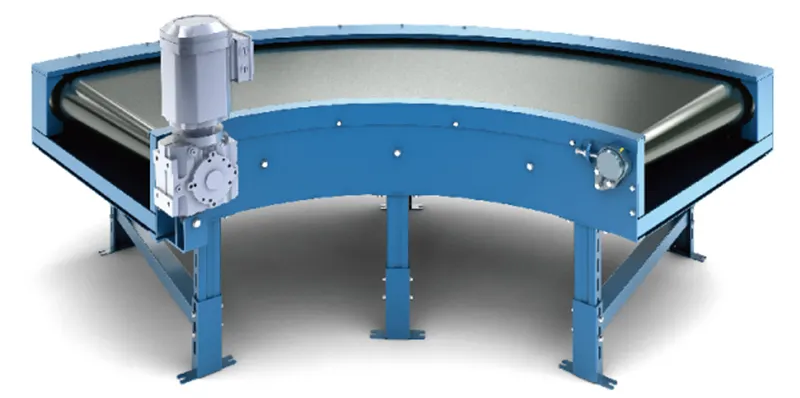
Picking speed
Operational accuracy
Labor efficiency
Companies adopting semi-automated or fully automated racking systems often see 20%–40% productivity improvements within the first operational year.
Why B2B Buyers Should Invest in a Professional Storage Racking System
For industrial enterprises, investing in engineered racking solutions delivers:
Lower cost per pallet position
Higher storage density
Improved safety standards
Faster order fulfillment
Long-term operational scalability
A storage racking system is not just equipment — it is warehouse infrastructure that determines competitive advantage.
Looking to Upgrade Your Warehouse Storage Capacity?
Whether you need selective pallet racks, high-density systems, or automated storage integration, our engineering team can design a customized storage racking system based on your facility layout and operational requirements. Contact us today to get a Customized Racking Solution Proposal.
FAQ
What is the most common type of storage racking system?
Selective pallet racking is the most widely used system due to its flexibility and direct pallet accessibility.
How much space can a storage racking system save?
Optimized racking layouts can increase usable warehouse space by 30–60%, depending on warehouse height and layout design.
What is the difference between drive-in and shuttle racking?
Drive-in racking relies on forklift access inside the rack, while shuttle racking uses semi-automated carriers to move pallets within channels, increasing efficiency and safety.
Can storage racking systems be integrated with automation?
Yes. Modern racking systems can integrate with AS/RS, shuttle systems, conveyors, and WMS platforms.