

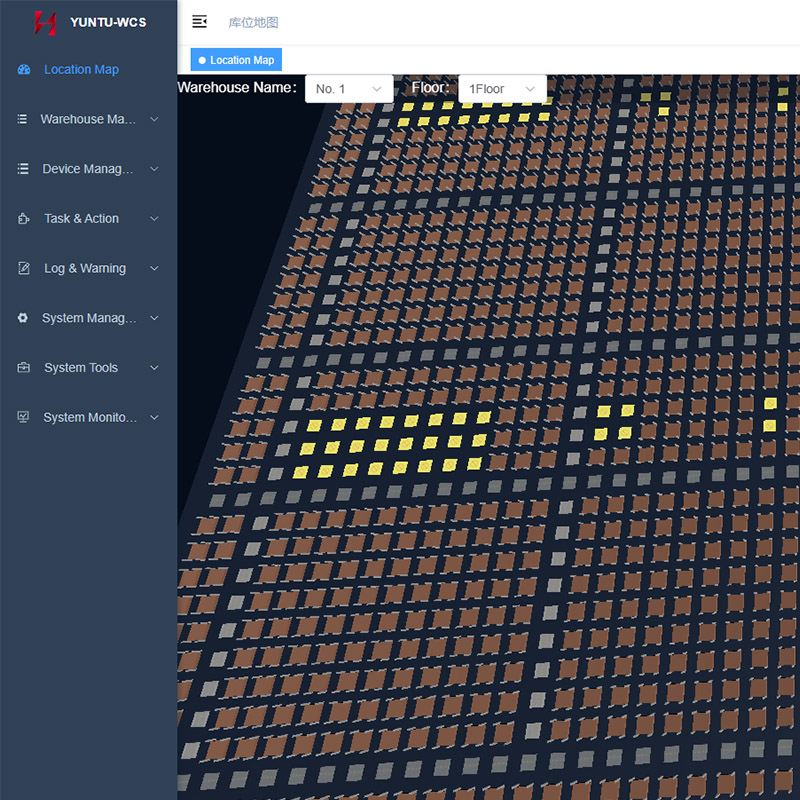
Automation Has Reached Its Ceiling
Warehouse automation has transformed logistics over the past two decades. Technologies such as AS/RS, shuttle systems, stacker cranes, conveyors, and automated vertical storage have significantly improved efficiency, accuracy, and labor productivity.
However, many automated warehouses today face a new set of challenges:
l High equipment utilization but uneven system performance
l Bottlenecks between automated subsystems
l Limited flexibility when order profiles change
l Difficulty scaling without major reinvestment
The issue is not a lack of automation—but a lack of coordination.
As supply chains become more volatile and customer expectations continue to rise, automation alone is no longer enough. The next evolution of warehouse systems is Intelligent Orchestration.
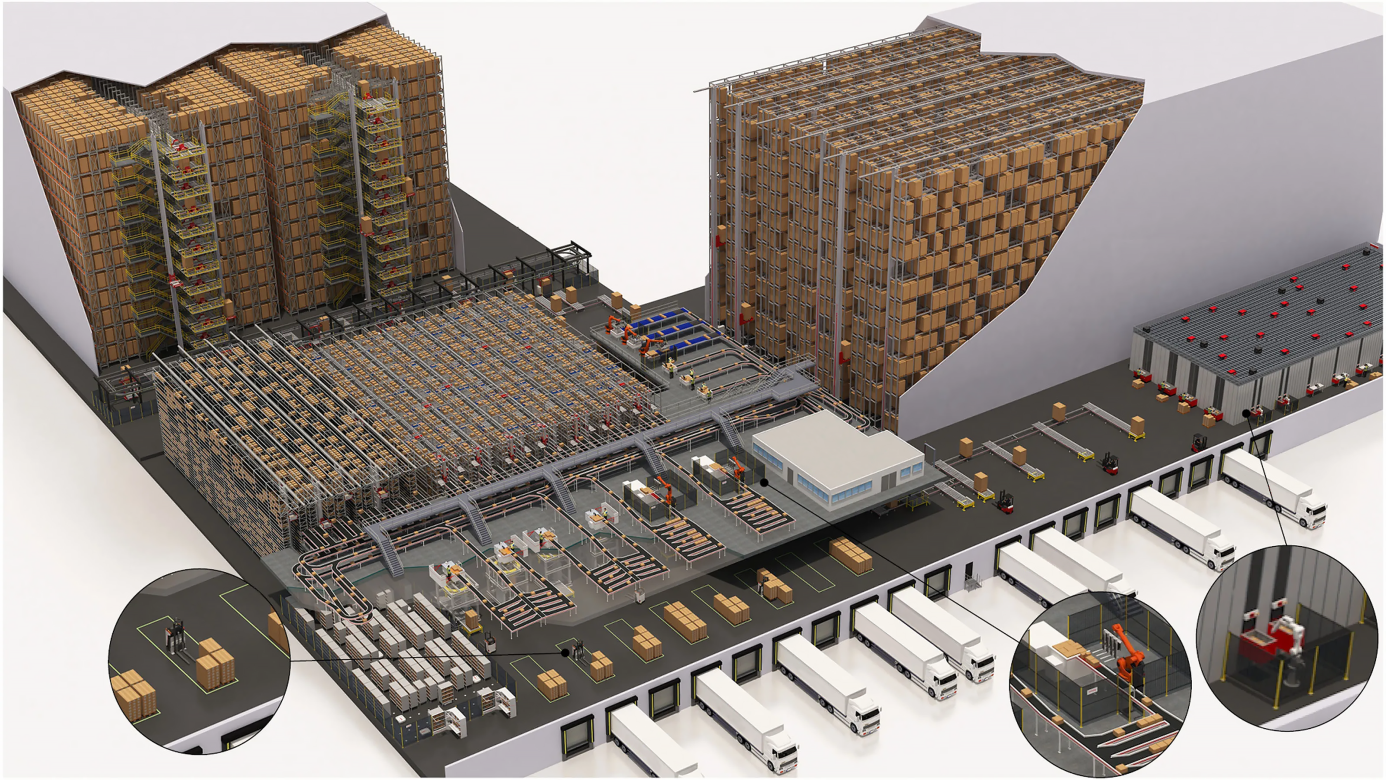
What Is Intelligent Orchestration?
Beyond Automation
Traditional automation focuses on executing predefined tasks efficiently. Each system—shuttles, cranes, conveyors—operates according to fixed logic within its own scope.
Intelligent orchestration, by contrast, coordinates all systems dynamically as a single intelligent ecosystem.
Instead of asking:
“How fast can this machine operate?”
Orchestration asks:
“How should all machines work together right now to achieve the best overall outcome?”
Automation vs. Intelligent Orchestration
Traditional Automation | Intelligent Orchestration |
Task-driven execution | Goal-driven optimization |
Static rules | Dynamic, adaptive logic |
Local efficiency | System-wide efficiency |
Reactive control | Predictive decision-making |
Siloed systems | Fully coordinated systems |
In short, automation improves individual performance—orchestration maximizes total system value.
Why Intelligent Orchestration Is Becoming Essential
1. Warehouse Operations Are More Complex Than Ever
Modern warehouses must handle:
l SKU proliferation
l Mixed pallet, case, and piece picking
l Shorter delivery cycles
l Seasonal and promotional demand spikes
Static automation logic cannot adapt fast enough to these changes. Intelligent orchestration enables real-time prioritization and rebalancing across the entire operation.
2. Labor Constraints Demand Smarter Systems
Even highly automated warehouses still depend on human labor. Orchestrated systems can:
l Balance work between automated and manual zones
l Adjust task flows based on labor availability
l Reduce peak labor pressure
This makes operations more resilient in tight labor markets.
3. Capital Efficiency Matters More Than Capacity
Customers no longer measure success by how automated a warehouse is—but by how efficiently it performs.
Intelligent orchestration increases ROI by:
l Maximizing utilization of existing equipment
l Reducing unnecessary expansion
l Extending system lifecycle value
How Intelligent Orchestration Works
1. Physical Automation Layer
This includes equipment such as:
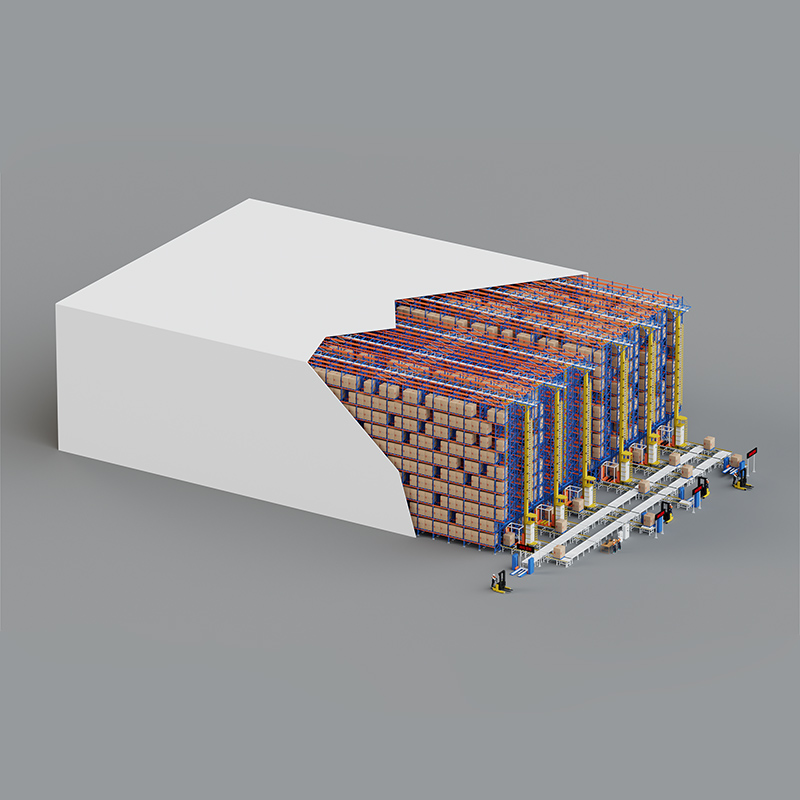
l Vertical lift modules (VLMs)
l Conveyors, sorters, and lifts
These machines generate large volumes of real-time data—but data alone does not create intelligence.
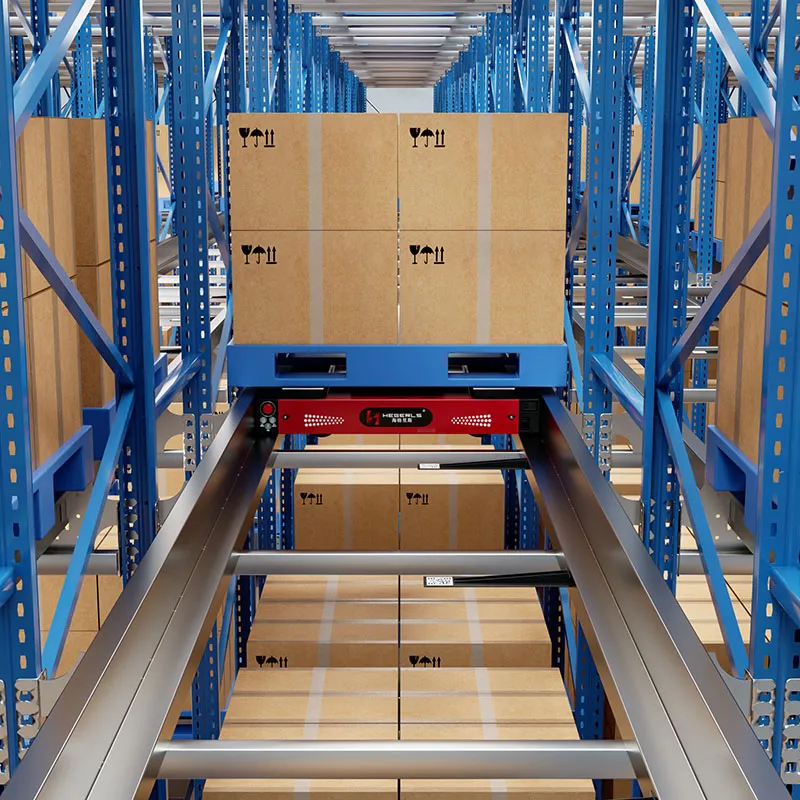
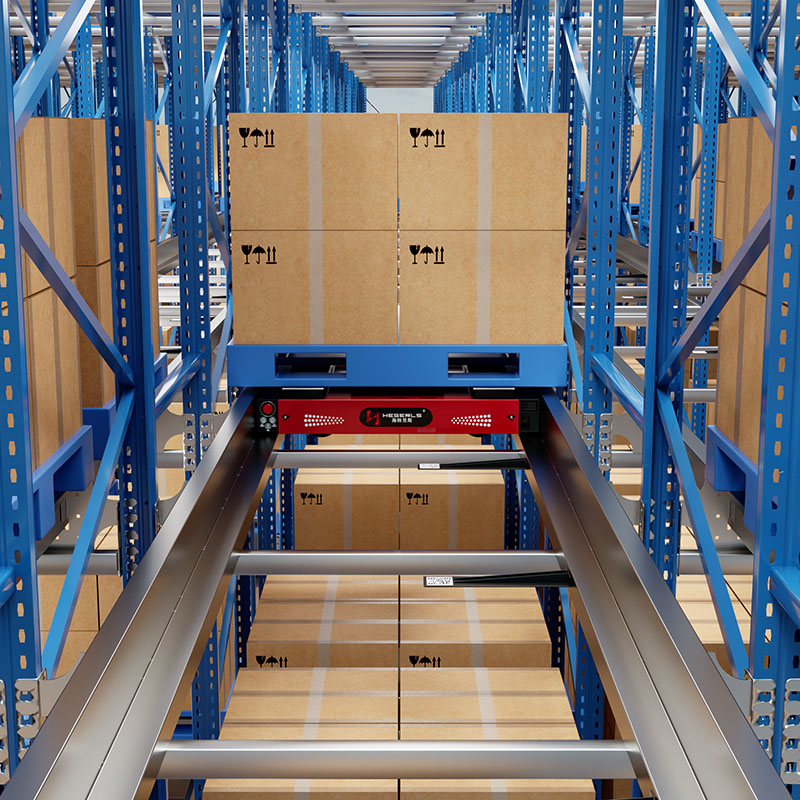
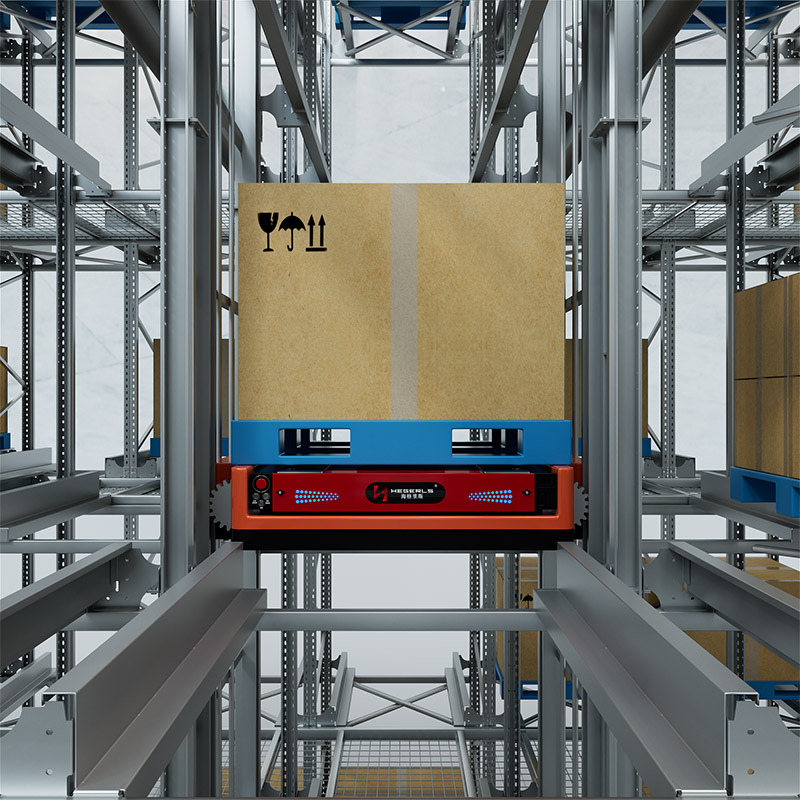
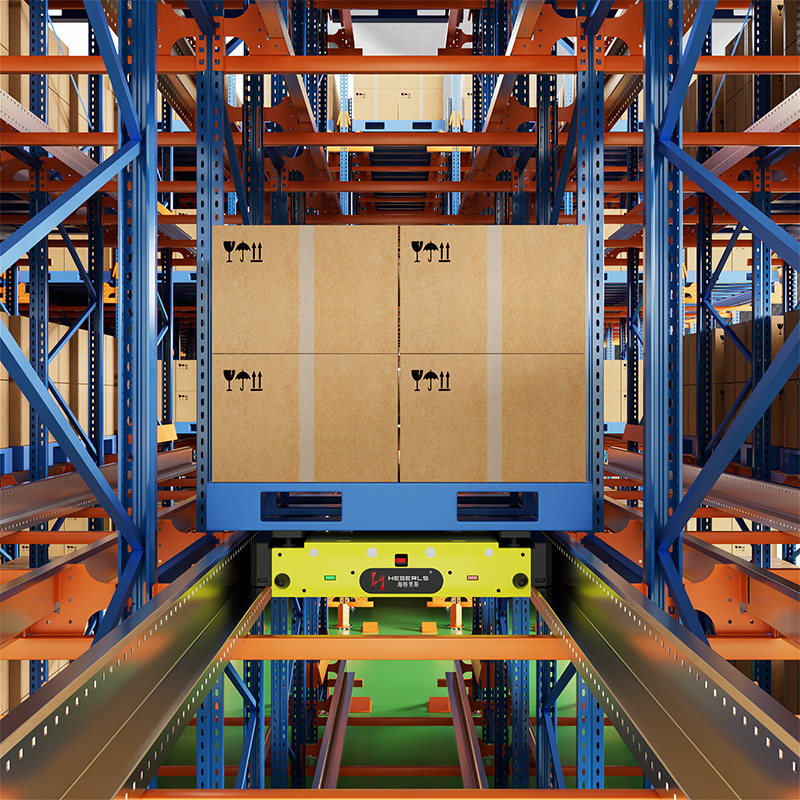
Four-way shuttle systems
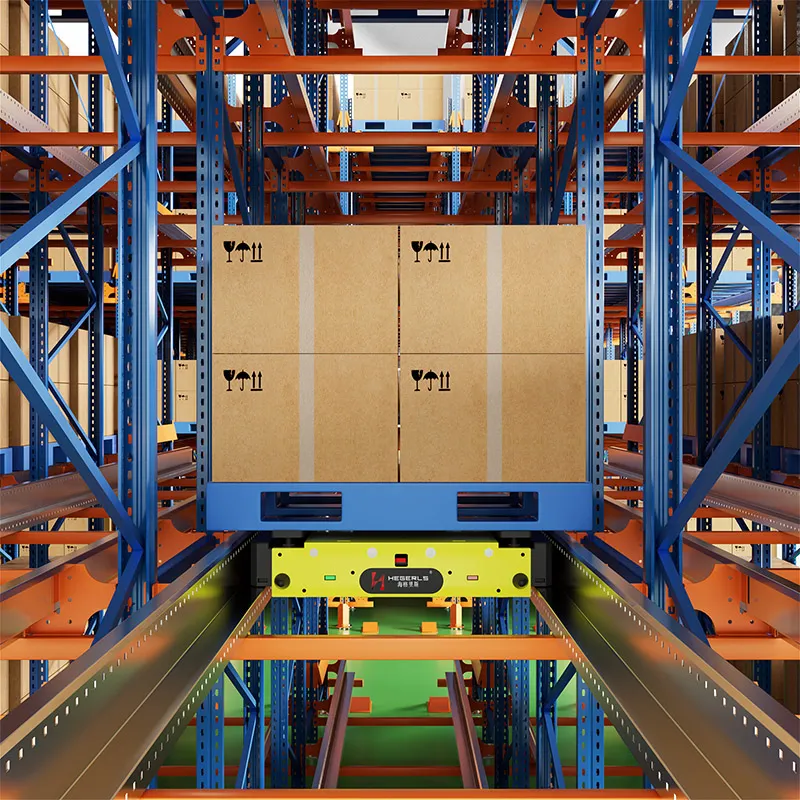
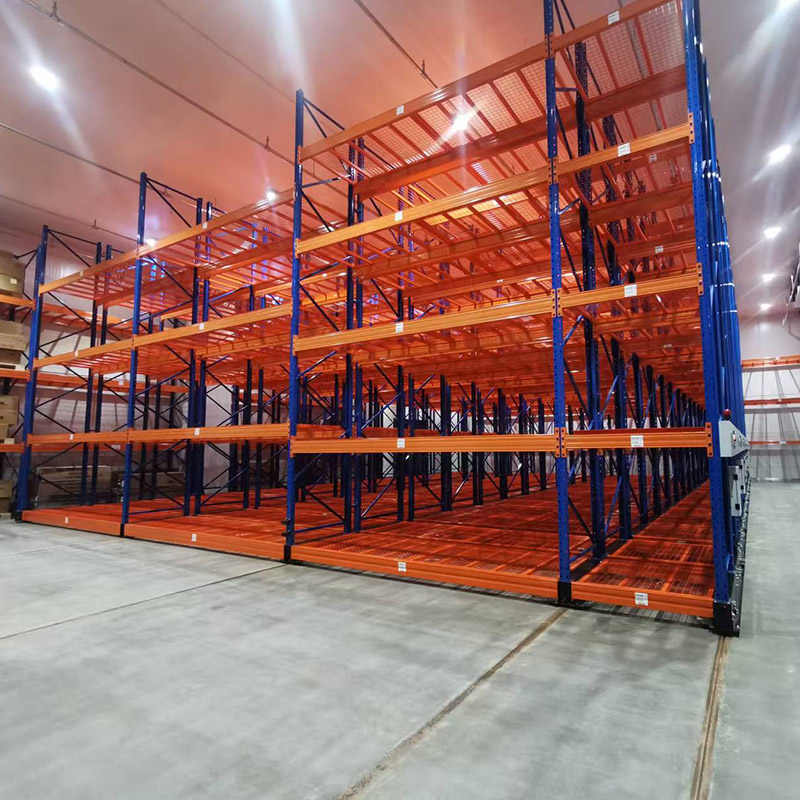
Two-way shuttle systems
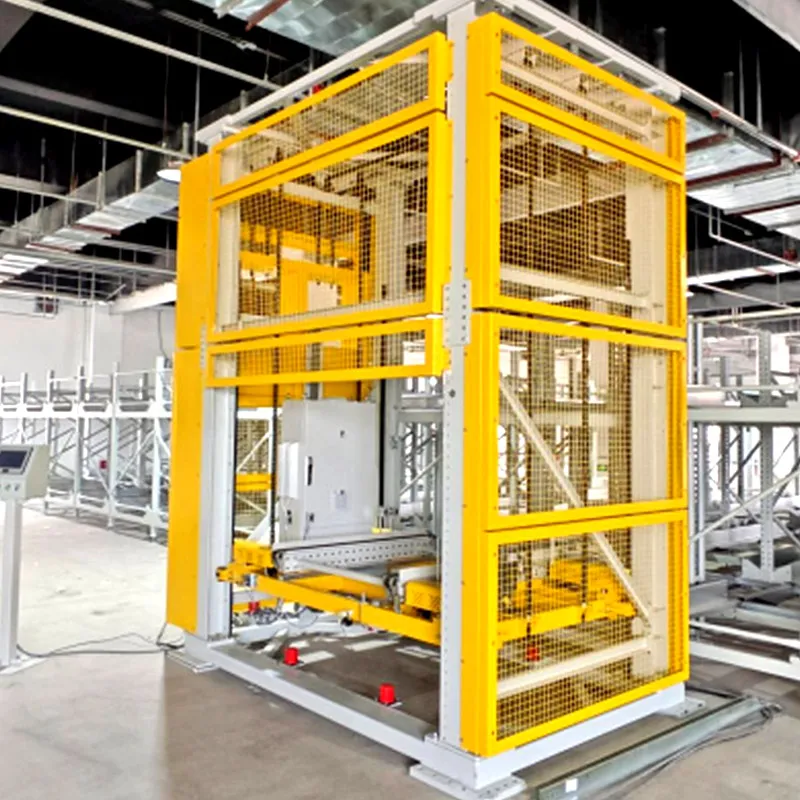
Vertical lift modules (VLMs)
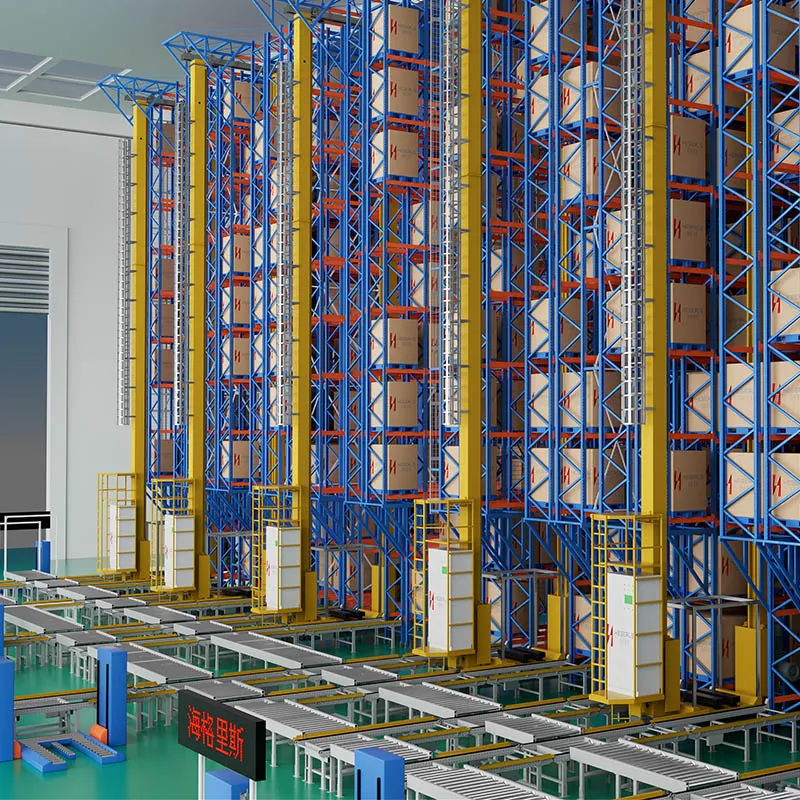
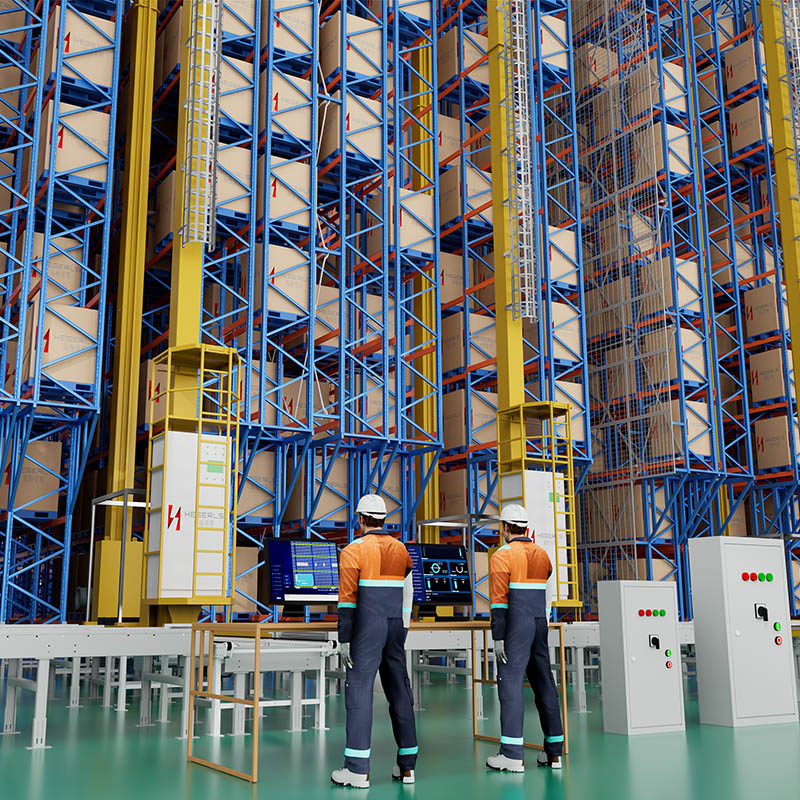
Stacker cranes
2. Control Layer: WCS as the Real-Time Executor
The Warehouse Control System (WCS) manages:
l Equipment control
l Task dispatching
l Error handling
In an orchestrated environment, WCS becomes more than a controller—it becomes an execution arm of higher-level intelligence.
3. Intelligence Layer: The Orchestration Engine
The orchestration layer integrates data from:
l WMS
l WCS
l ERP
l Sensors and IIoT devices
It continuously optimizes decisions such as:
l Task prioritization
l Resource allocation
l Route and sequence optimization
l Load balancing across aisles and levels
The system adapts in real time instead of relying on preset rules.
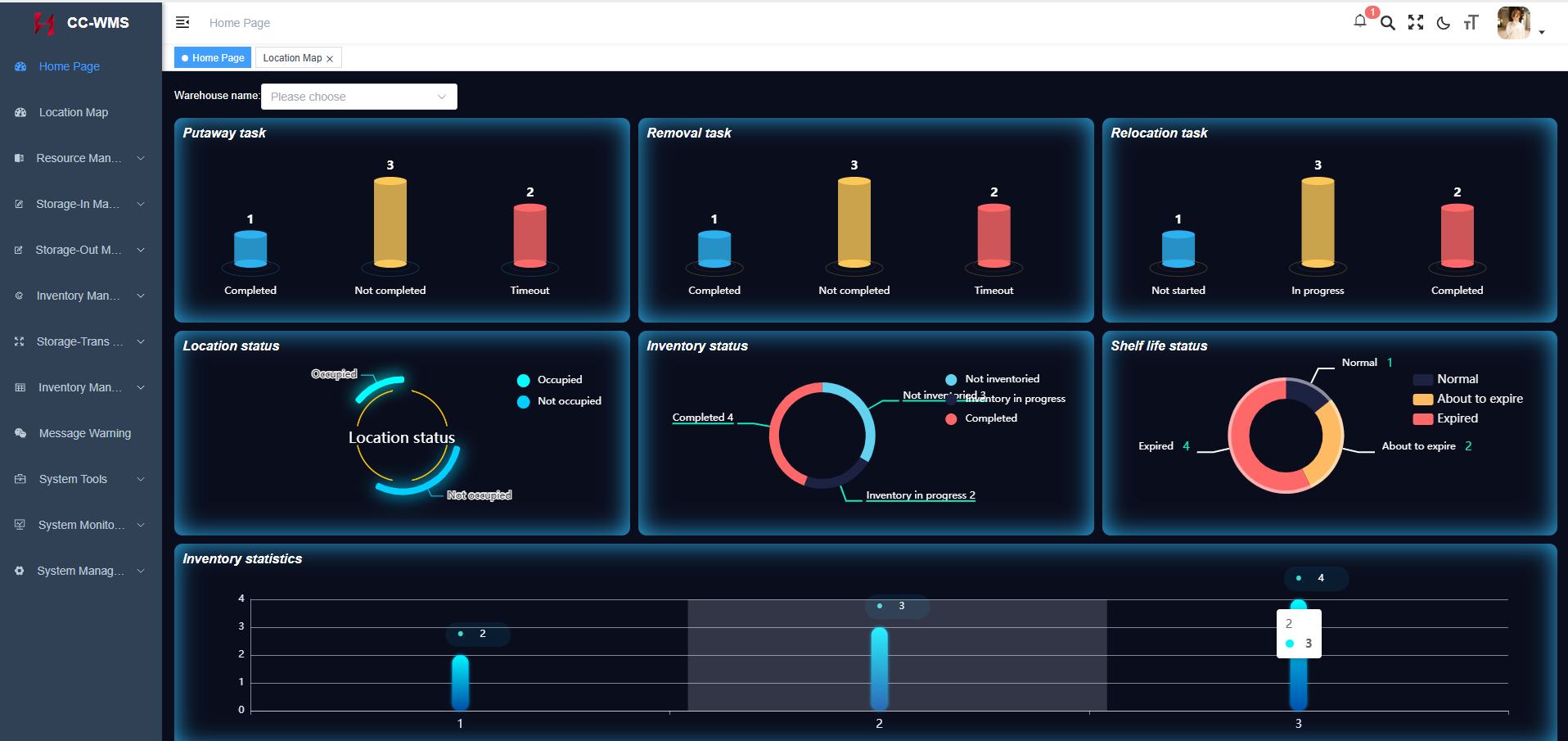
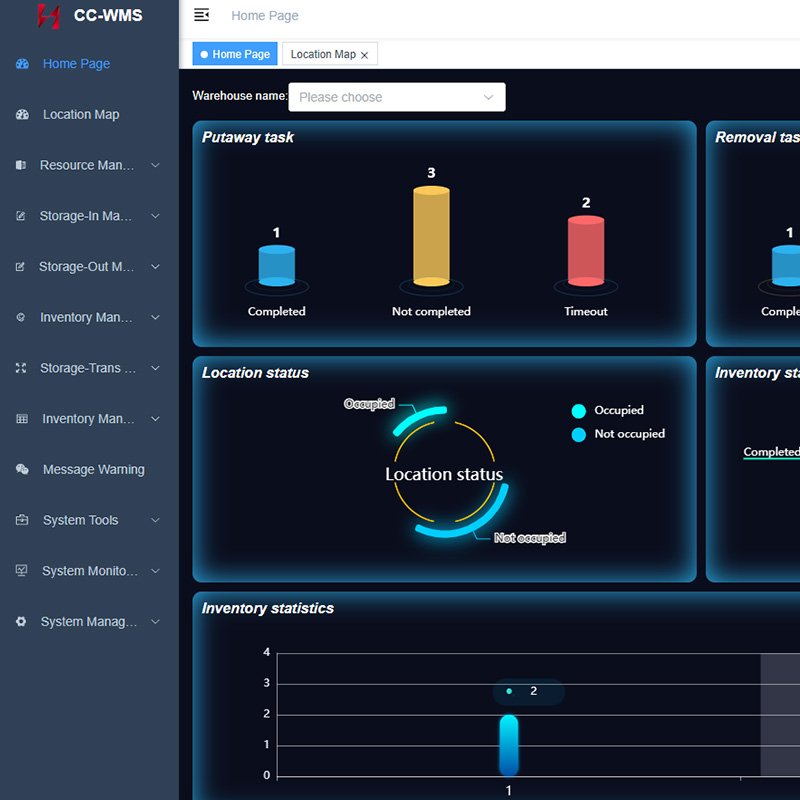
WMS
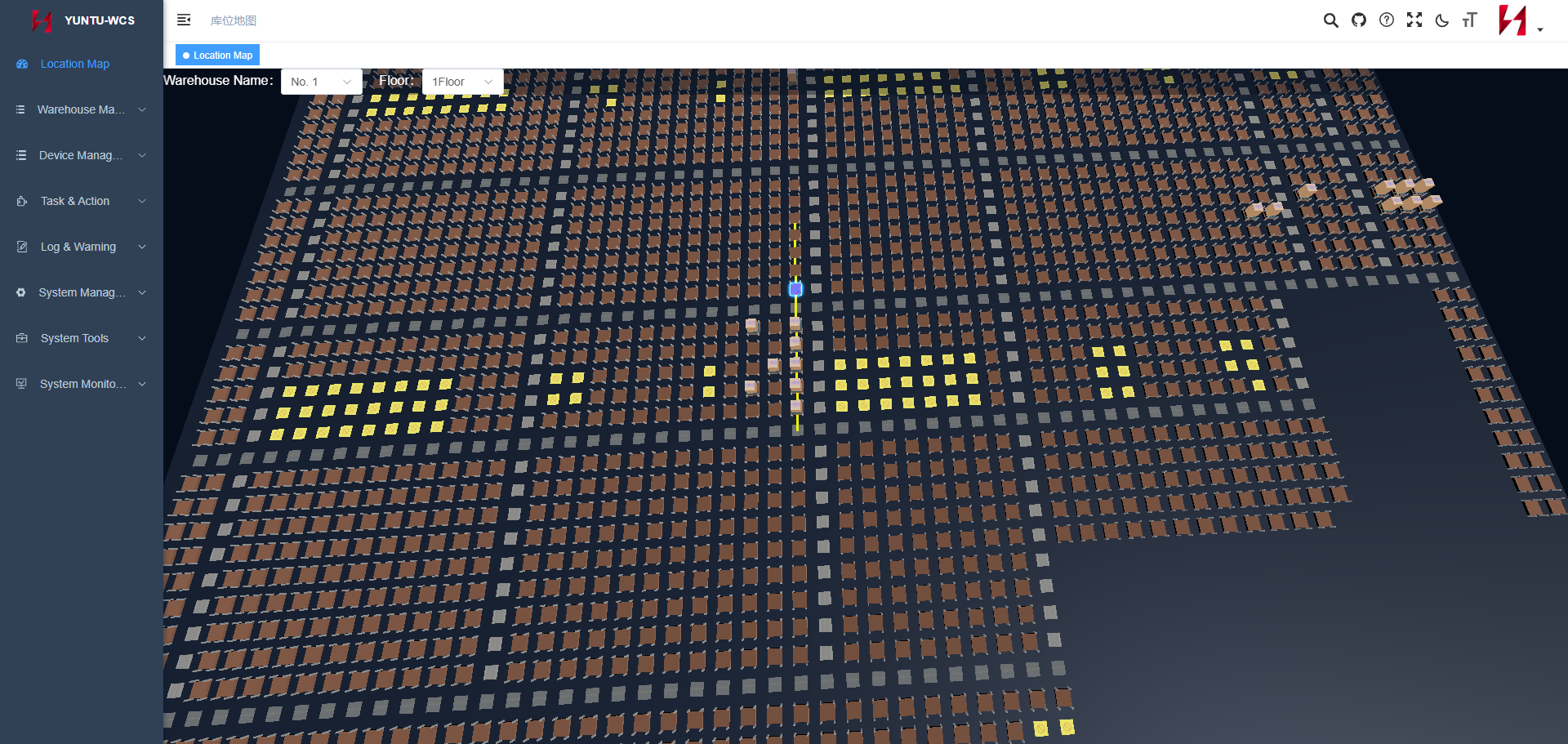
WCS
Key Technologies Enabling Intelligent Orchestration
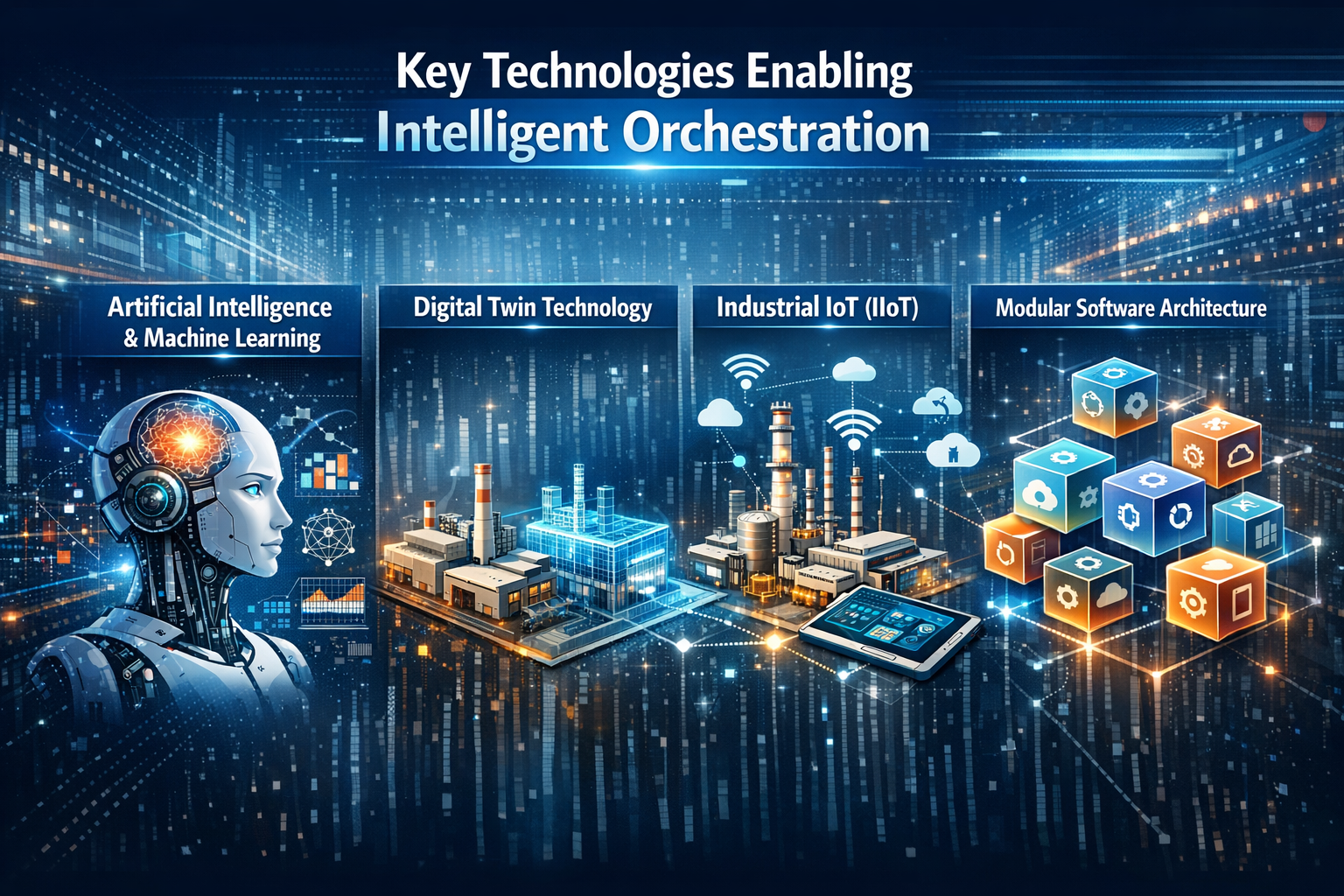
Artificial Intelligence & Machine Learning
AI enables systems to:
l Forecast demand and workload
l Optimize order batching and sequencing
l Predict equipment failures
Instead of reacting to disruptions, the system anticipates them.
Digital Twin Technology
A digital twin creates a virtual model of the warehouse to:
l Simulate throughput scenarios
l Test layout or logic changes
l Optimize performance before deployment
This reduces risk and accelerates continuous improvement.
Industrial IoT (IIoT)
Sensors provide real-time visibility into:
l Equipment status
l Energy consumption
l Environmental conditions
This data fuels smarter orchestration decisions.
Modular Software Architecture
Modern orchestration platforms rely on:
l API-based integration
l Microservices
l Scalable, upgrade-friendly architecture
This ensures long-term flexibility and expansion capability.
Real Operational Benefits of Intelligent Orchestration
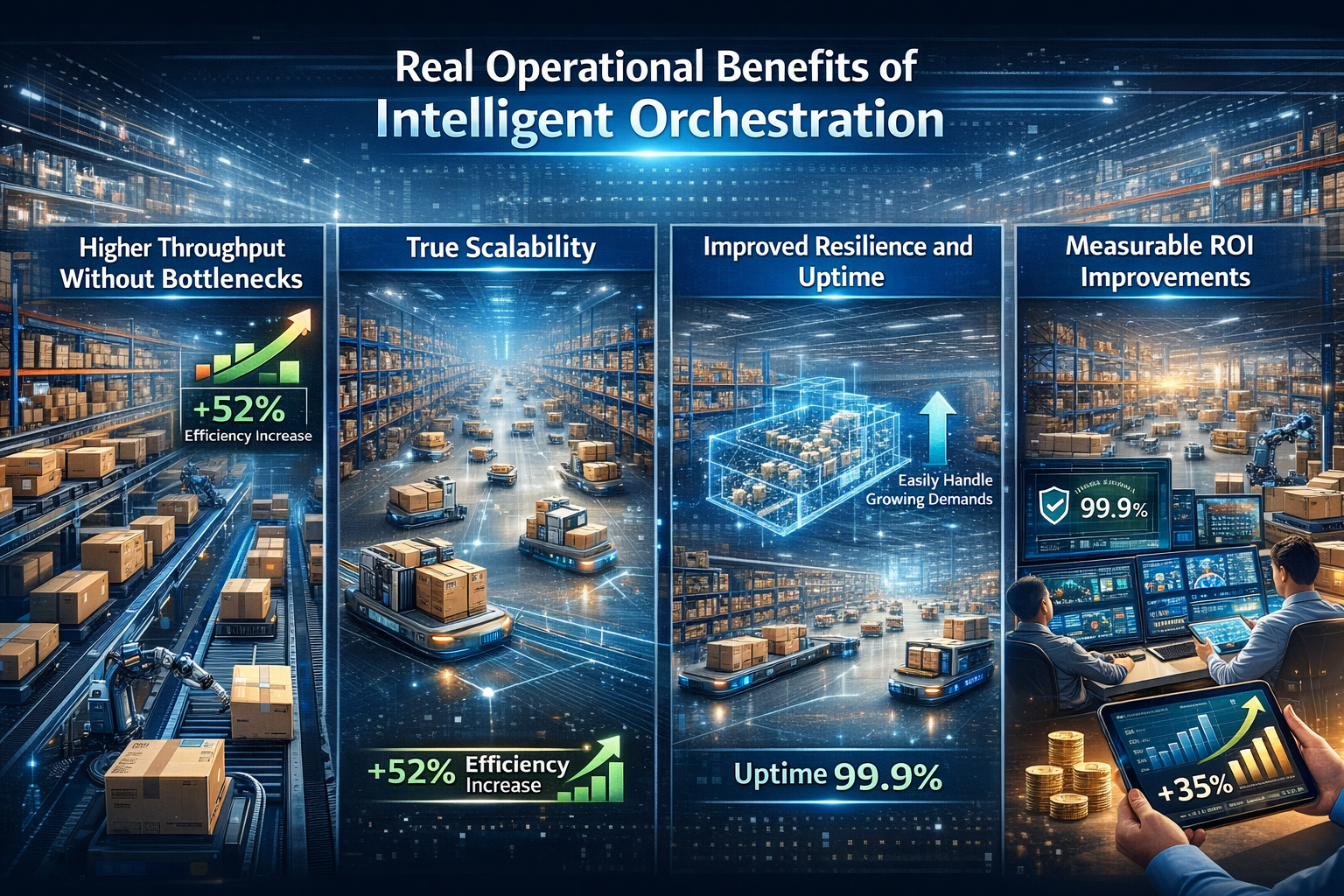
1. Higher Throughput Without Bottlenecks
Orchestration optimizes flow, not just speed:
l Prevents congestion in high-density shuttle systems
l Synchronizes vertical and horizontal movements
l Dynamically redistributes workloads
Result: higher sustained throughput under real-world conditions.
2. True Scalability
Orchestrated systems scale smoothly by:
l Adding shuttles, aisles, or levels without rewriting core logic
l Supporting phased investments
This is critical for fast-growing operations.
3. Improved Resilience and Uptime
When a device fails:
l Tasks are automatically rerouted
l System priorities are recalculated
l Operations continue at reduced but stable capacity
Downtime is minimized, and recovery is faster.
4. Measurable ROI Improvements
Across orchestrated warehouses, companies typically report:
l 15–30% throughput improvement
l 20–40% labor productivity gains
l 10–25% energy savings
l Faster payback periods
Why Shuttle-Based High-Density Storage Needs Orchestration
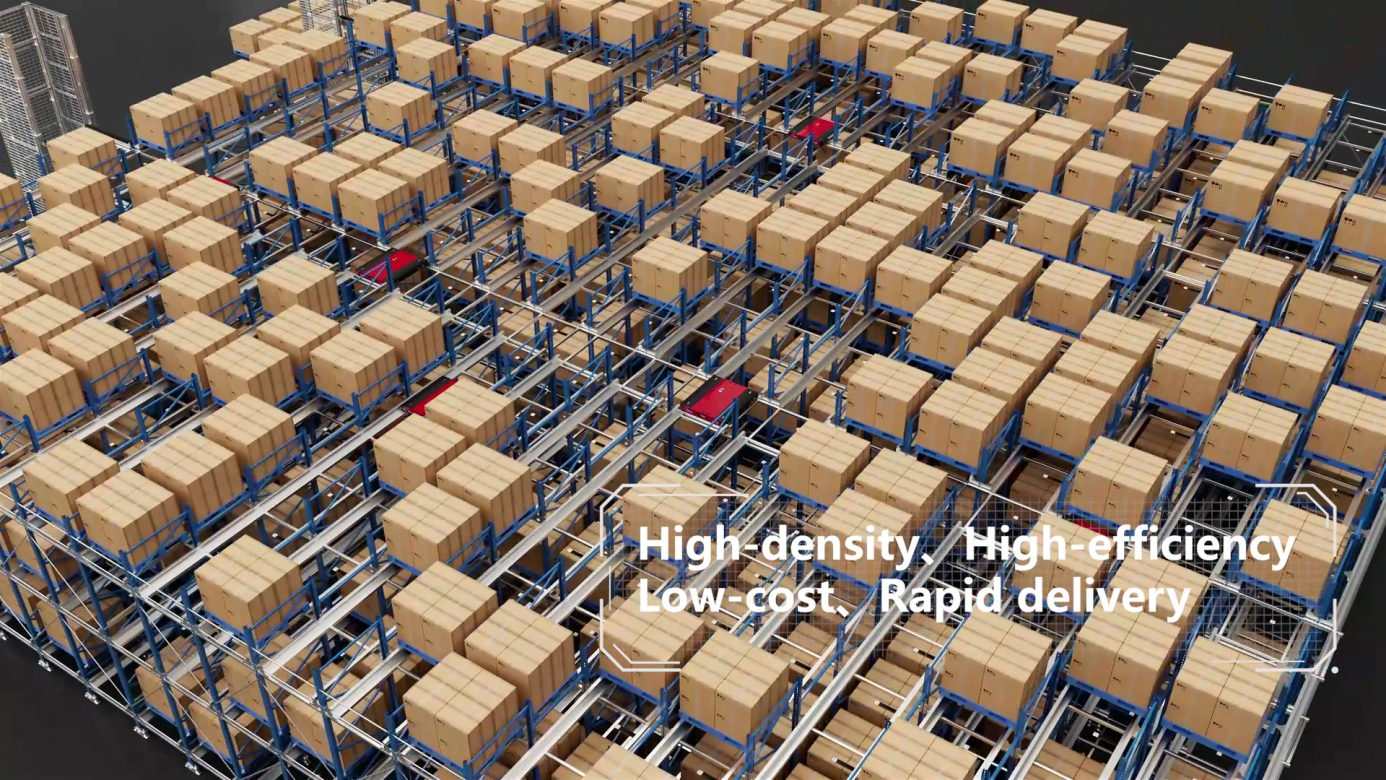
High-density systems—especially four-way shuttle systems—benefit the most from intelligent orchestration.
Without orchestration:
l Shuttles may idle while lifts are congested
l Some aisles are overloaded while others underutilized
l System potential is never fully realized
With orchestration:
l Shuttle dispatching is globally optimized
l Vertical and horizontal transport is synchronized
l Storage density and retrieval speed improve together
This is why advanced shuttle systems should be delivered as integrated solutions, not isolated machines.
What’s Next for Warehouse Systems (2025–2035)
From Smart Equipment to Smart Systems
The future is not about faster machines—but smarter coordination.
Competitive advantage will come from:
l System intelligence
l Software-driven optimization
l End-to-end orchestration
Network-Level Orchestration
Future orchestration platforms will optimize:
l Inventory placement across multiple warehouses
l Inter-warehouse transfers
l Distribution network performance
Warehouses will operate as intelligent nodes in a connected logistics network.
Sustainability-Oriented Orchestration
Energy-aware orchestration will:
l Schedule high-energy tasks during off-peak hours
l Reduce unnecessary movements
l Support ESG and carbon reporting
Efficiency and sustainability will become inseparable.
HEGERLS’s Approach to Intelligent Orchestration
At HEGERLS, intelligent orchestration is built into system design—not added later.
Key principles include:
l System-level optimization instead of equipment-focused delivery
l Modular shuttle architectures designed for coordination
l Deep integration between racking, shuttles, lifts, and control software
l Scalable logic that supports future expansion
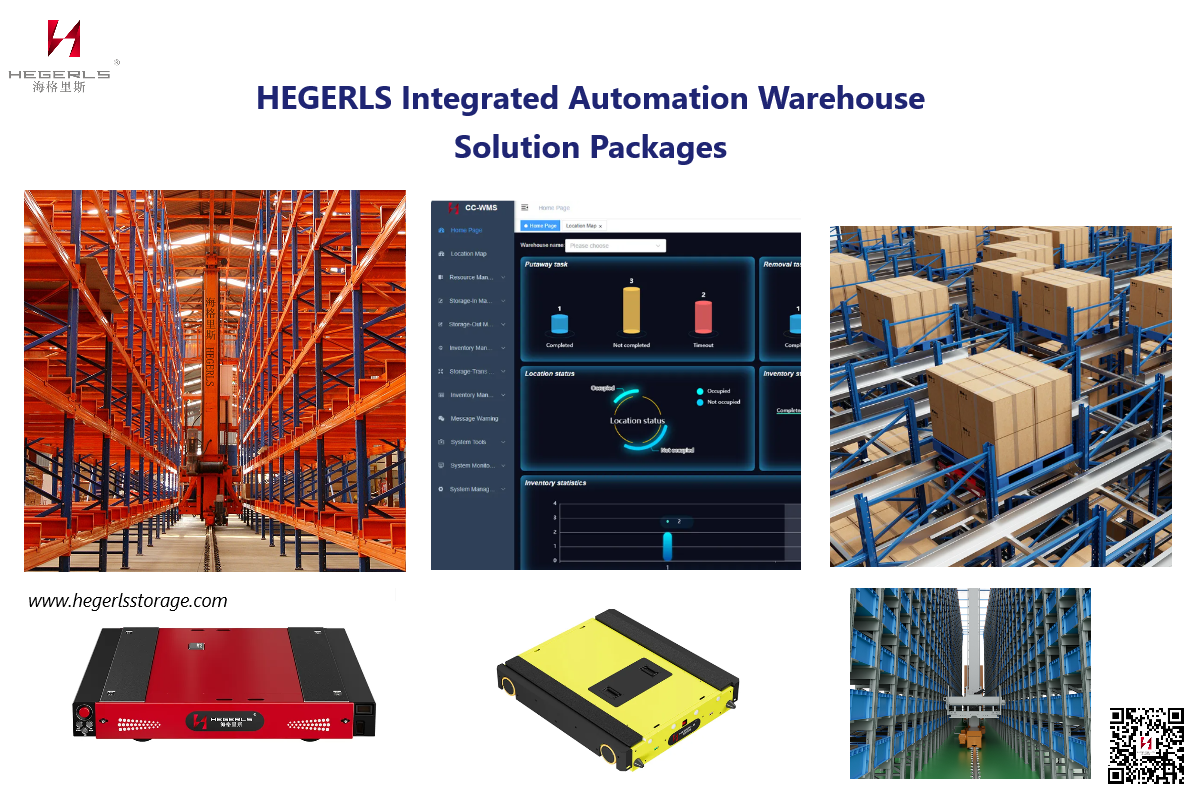
Whether deploying four-way shuttle systems, two-way shuttles, automated vertical storage, or integrated racking + AS/RS solutions, HEGERLS focuses on delivering coordinated performance and long-term value.
Conclusion: Orchestration Is the Real Upgrade
Automation laid the foundation for modern warehousing.
Intelligent orchestration unlocks its full potential.
In a world of uncertainty, the ability to adapt, rebalance, and optimize in real time is no longer optional—it is essential.
Warehouses that move from automation to orchestration will define the next generation of logistics performance.
Planning a new automated warehouse or upgrading an existing system?
Discover how intelligent orchestration can increase throughput, scalability, and ROI. Contact HEGERLS to explore a tailored intelligent warehouse solution.