

How Is China Smart Warehousing Industry Chain Structured?
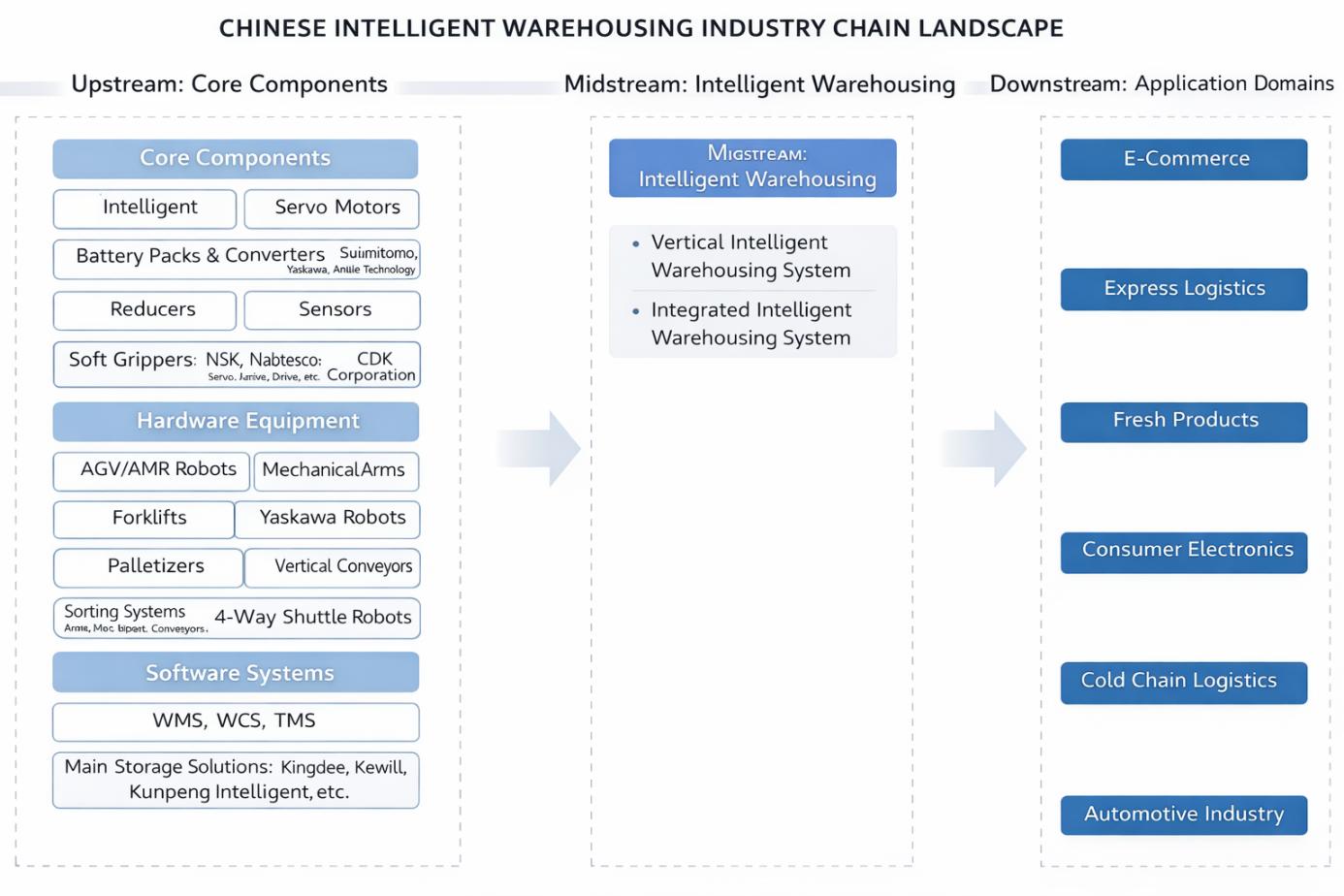
By 2025, China smart warehousing industry has formed a three-tier industrial chain that links advanced manufacturing with digital logistics systems.
l Upstream: Core components, automation hardware, and software platforms
l Midstream: Smart warehousing system integrators and solution providers
l Downstream: Application industries such as e-commerce, express logistics, cold chain, retail, and automotive manufacturing
This structure reflects a shift from isolated automation equipment toward system-level intelligence and full-process optimization.
Why Are Upstream Core Technologies Critical to Smart Warehousing?
What Is Driving Growth in Intelligent Controllers?
Intelligent controllers act as the “brain” of smart warehousing equipment, enabling real-time control, data processing, and device interconnection. As IoT, cloud computing, and industrial digitalization accelerate, intelligent controllers are expanding beyond traditional appliances into logistics automation, new energy, and automotive electronics.
China intelligent controller market exceeded RMB 34 trillion in 2023 and is expected to surpass RMB 40 trillion by 2025. Industry competition is shifting from pure manufacturing scale to high value-added system integration and scenario-specific solutions.
How Do Reducers Impact Automation Performance?
Reducers are essential for precision transmission in robots and automated equipment. Their performance directly affects positioning accuracy, stability, and energy efficiency.
China reducer market continued steady growth in 2024 and is expected to expand further in 2025. Domestic manufacturers are accelerating localization in high-end applications such as industrial robots and semiconductor equipment, reducing reliance on imports and improving global competitiveness.
Why Are Sensors the Foundation of Smart Warehouses?
Sensors enable perception, monitoring, and decision-making in automated warehouses. Smart sensors integrate data collection, processing, communication, and storage within compact systems.
China sensor market exceeded RMB 360 billion in 2024 and continues to grow. Domestic companies have strengthened capabilities in infrared, industrial, and intelligent sensing, supporting applications across smart logistics, transportation, healthcare, and smart cities.
How Are AGV and AMR Robots Reshaping Warehouse Operations?
AGVand AMR robots are becoming the core execution units in smart warehouses. Their role is expanding from simple material handling to multi-robot collaboration and complex operational tasks.
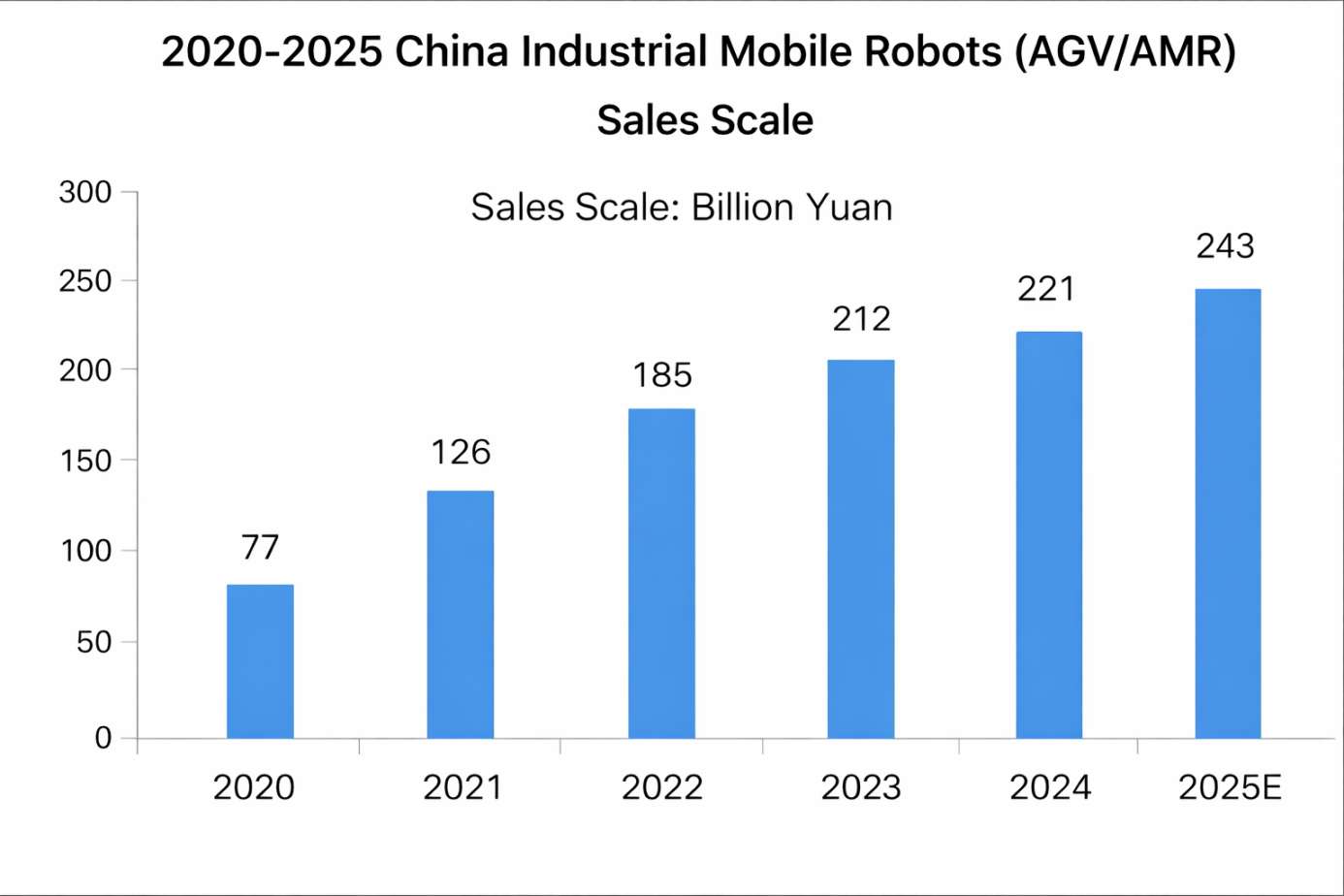
China industrial AGV/AMR market exceeded RMB 220 billion in 2024 and is projected to grow further in 2025. Key technology trends include:
l High-precision positioning
l Dynamic obstacle avoidance
l Cross-scenario adaptability
l Modular design and RaaS (Robot-as-a-Service) models
These advancements are accelerating adoption in semiconductor manufacturing, new energy, and large-scale logistics hubs.
What Is the Market Outlook for Robotic Arms?
Robotic arms are widely used for picking, palletizing, and handling in automated warehouses. China robotic arm market has shown stable growth and is expected to exceed RMB 200 billion by 2025.
Domestic manufacturers have rapidly improved in R&D and large-scale deployment, while global brands maintain strong market presence through technological leadership and service networks. The result is a highly competitive yet innovation-driven market.
How Large Is the Smart Warehousing Market at the System Level?
What Is the Global Market Size?
Driven by e-commerce expansion, global trade, and sustainability requirements, warehouse automation solutions are growing worldwide. In 2024, the global market approached RMB 4.9 trillion and is expected to continue expanding in 2025 as digital and automated solutions become standard infrastructure.
How Fast Is China Smart Warehousing Market Growing?
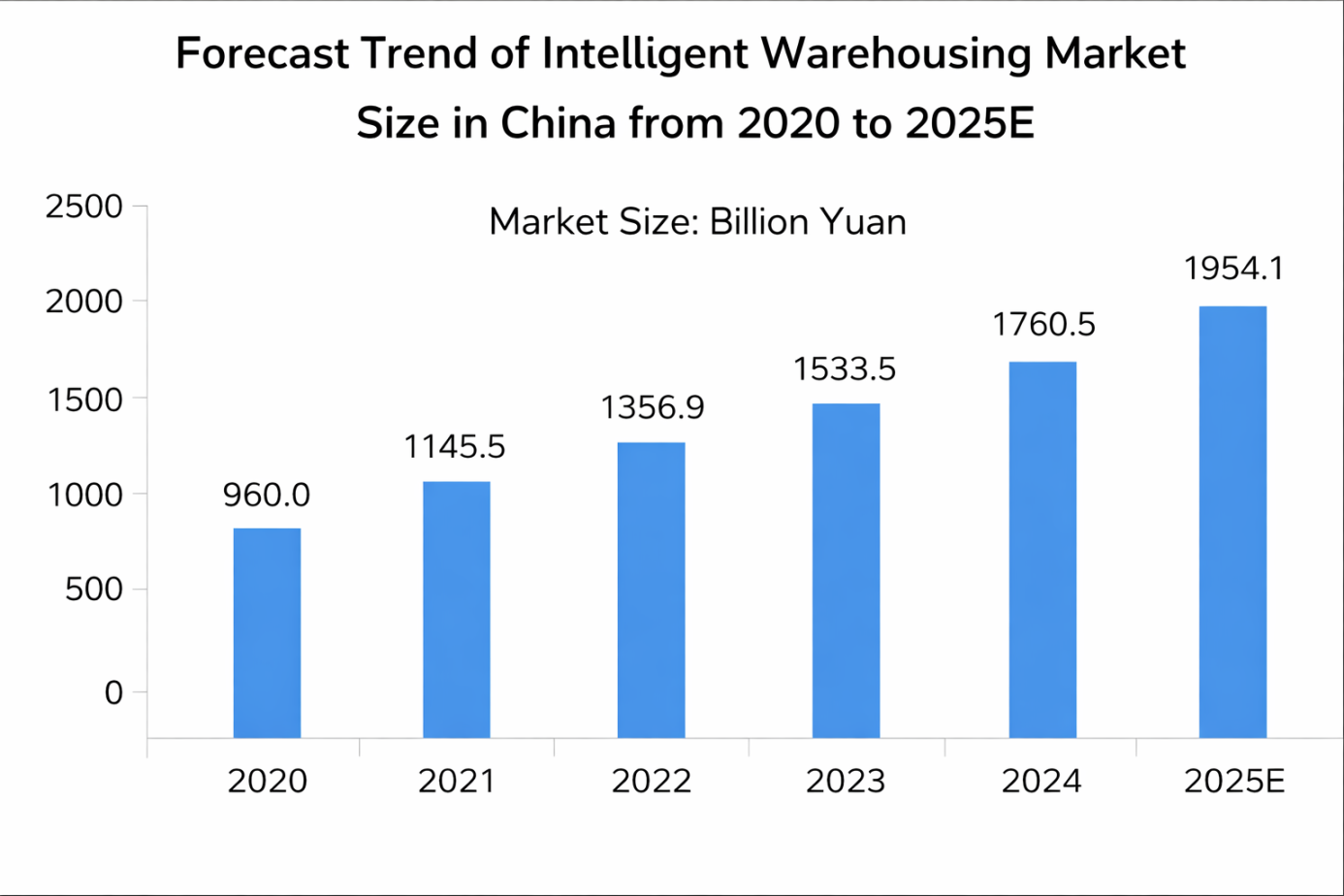
China smart warehousing industry has moved from “single-point automation” to full-chain intelligent systems. Market size exceeded RMB 1.7 trillion in 2024, with strong double-digit growth. By 2025, it is expected to approach RMB 2 trillion.
Smart warehousing is now a core pillar of intelligent manufacturing and modern supply chains, rather than a supporting function.
What Does the Competitive Landscape Look Like?
China smart warehousing market shows clear tiered competition:
l Top-tier companies focus on new energy and automotive industries, leveraging deep technical expertise
l Mid-tier players specialize in e-commerce and logistics automation, with strong AGV-based sorting capabilities
l Smaller regional firms rely on price competition and face rising technological barriers
As AI and IoT integration deepens, flexible and modular system solutions will become the key differentiators.
HEGERLS: From Automated Equipment to Full Smart Warehouse Solutions
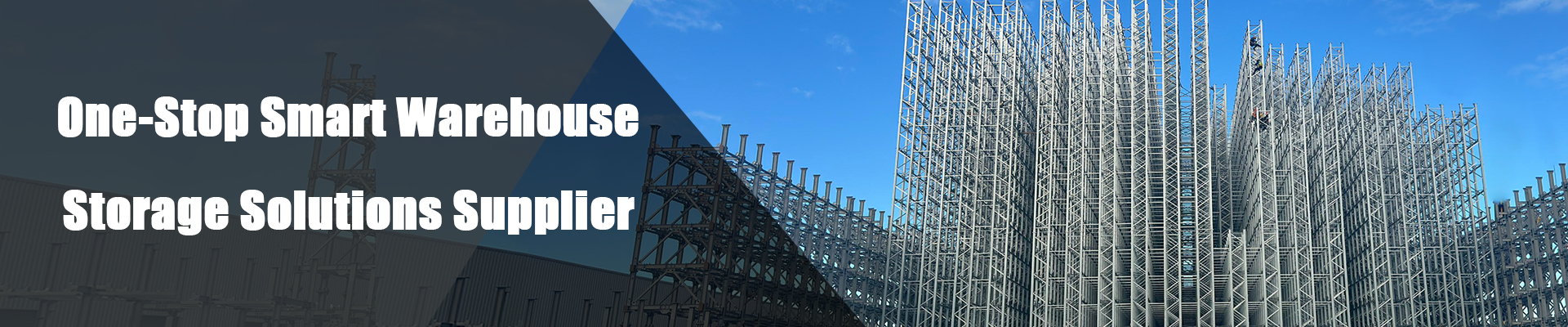
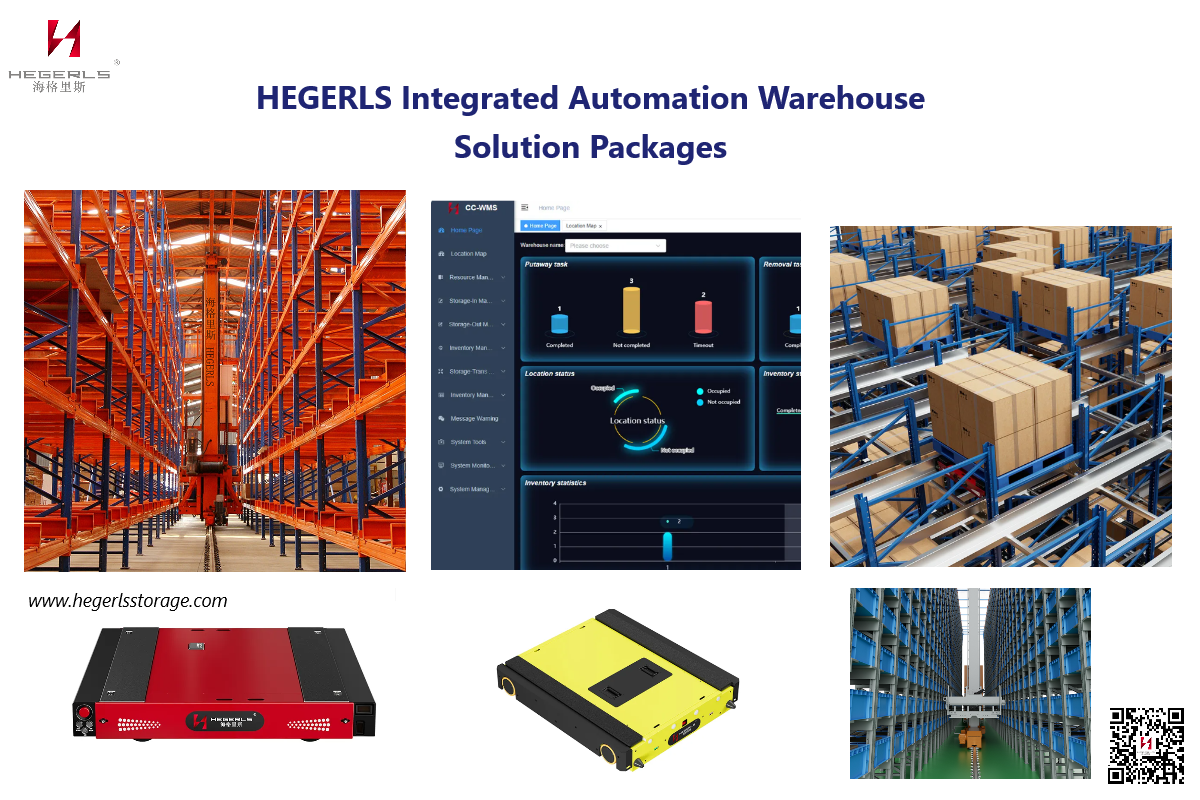
HEGERLS positions itself as a comprehensive smart warehousing solution provider, specializing in the integration of automated racking systems, shuttle technologies, and intelligent control systems. Its service scope aligns closely with the evolving demands of midstream smart warehousing development.
Key service capabilities include:
System Planning & Warehouse Design
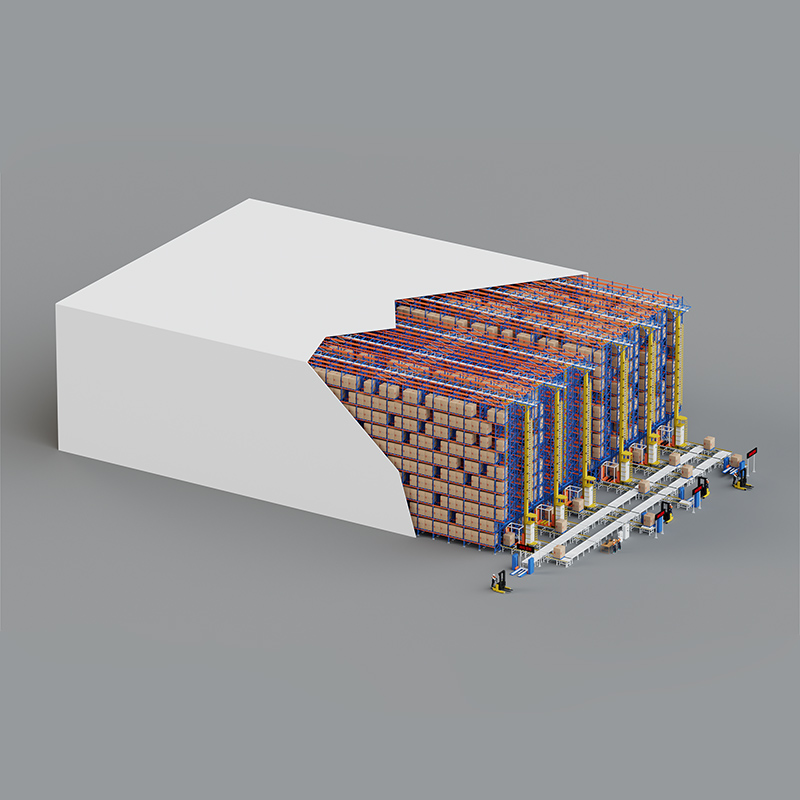
HEGERLS provides data-driven warehouse layout planning based on throughput requirements, SKU characteristics, and space constraints. This includes rack-supported warehouse design, high-density storage planning, and automation feasibility assessment.
Automated Storage & Retrieval Systems (AS/RS)
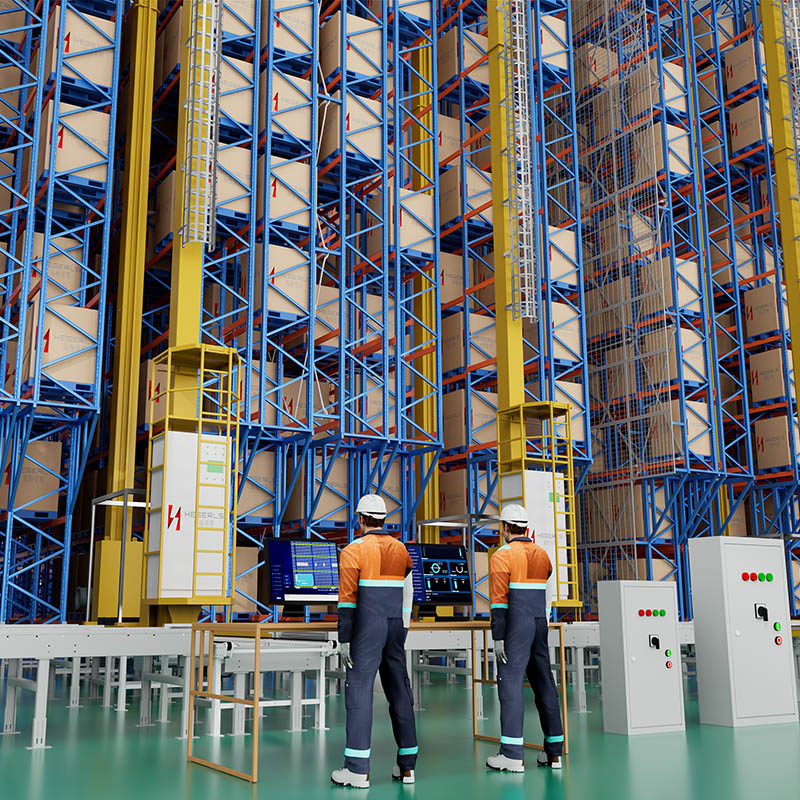
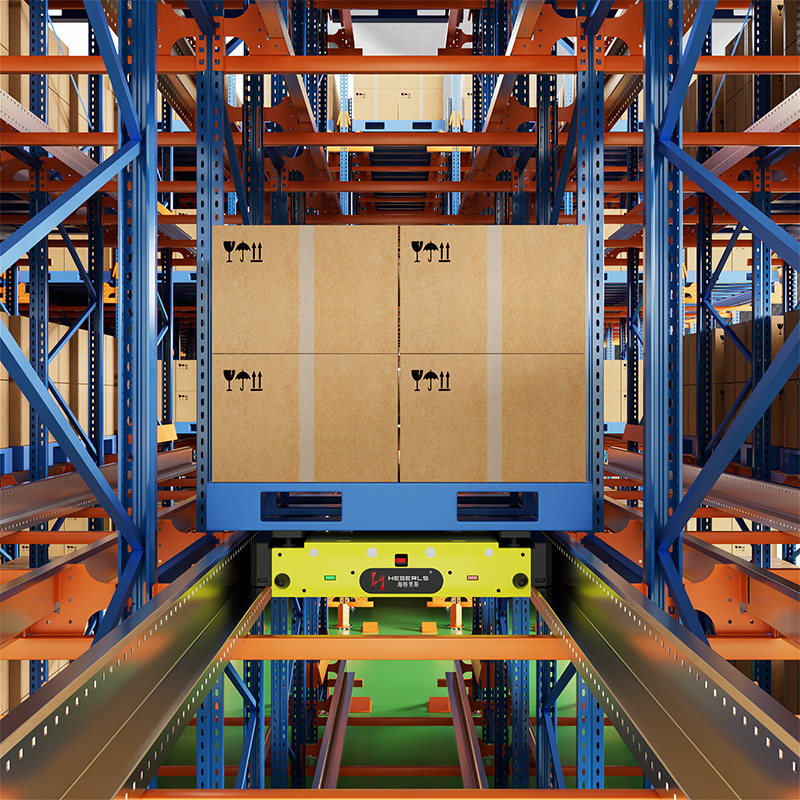
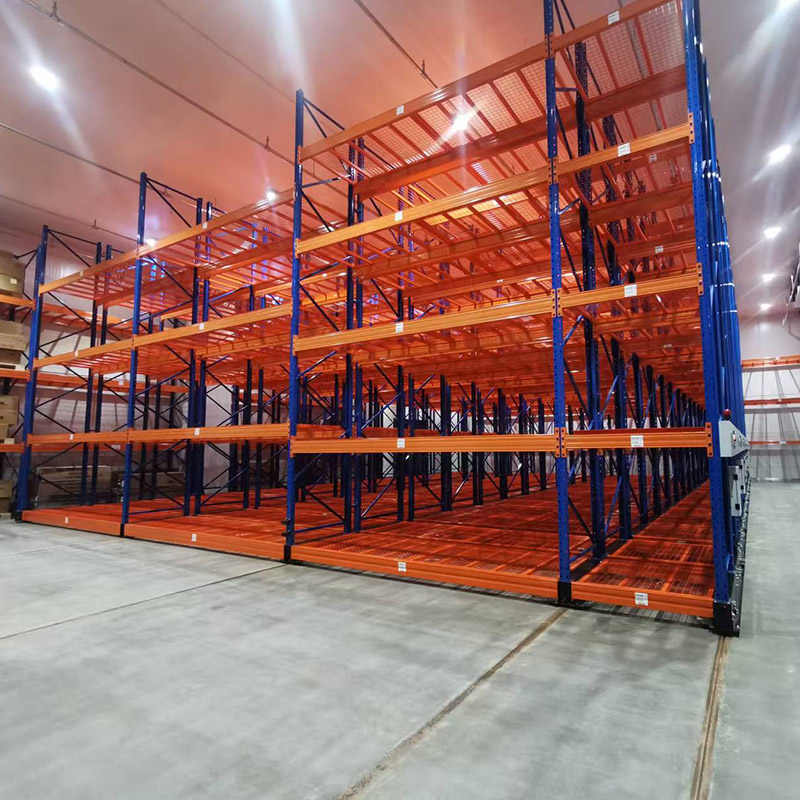
The company delivers pallet AS/RS, shuttle-based dense storage systems, and automated vertical storage solutions, supporting both greenfield projects and warehouse retrofits.
Shuttle & Robot-Integrated Solutions
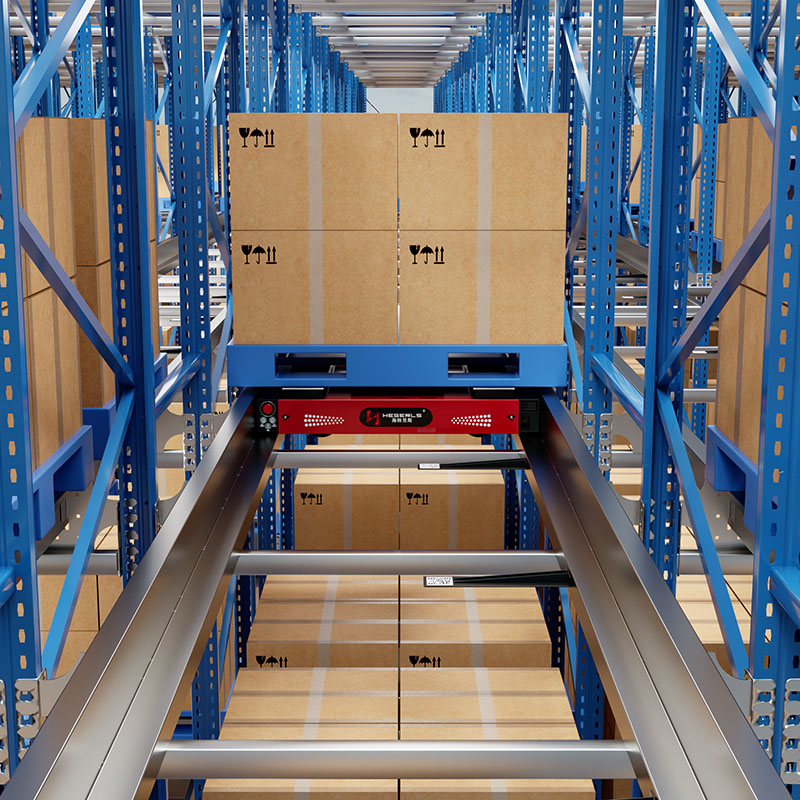
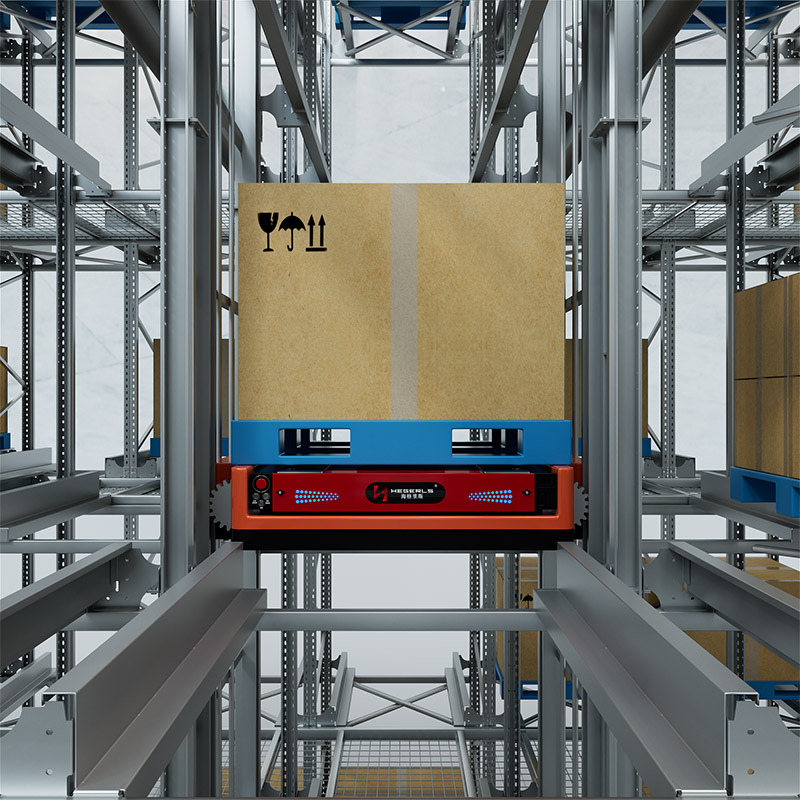
By combining four-way shuttle systems, two-way shuttle systems, and conveyor interfaces, HEGERLS enables flexible material flow and scalable automation. These solutions are widely applicable in e-commerce fulfillment, manufacturing logistics, and cold storage environments.
Software & Control System Integration
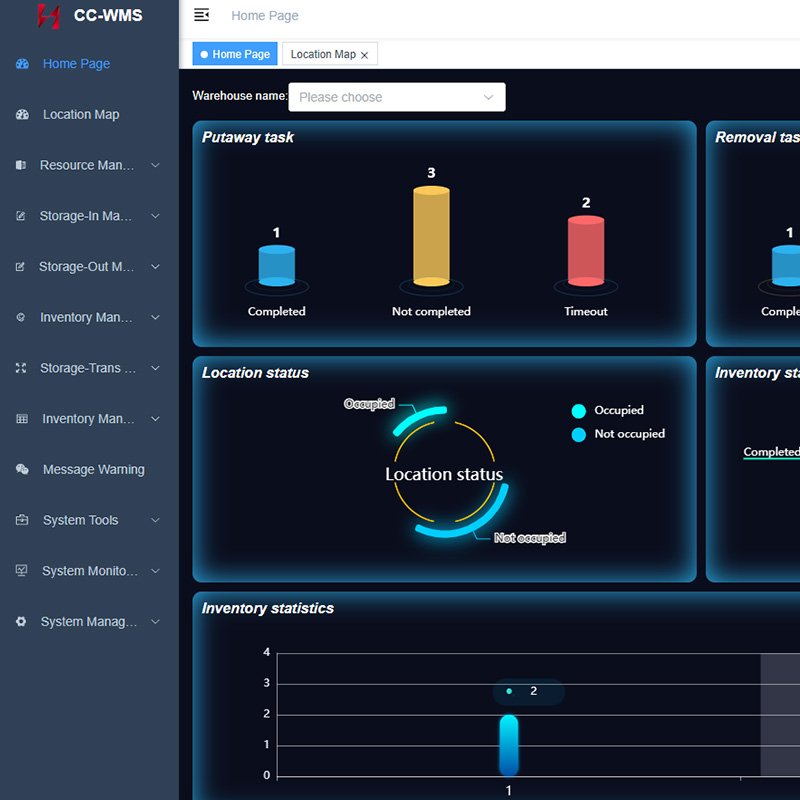
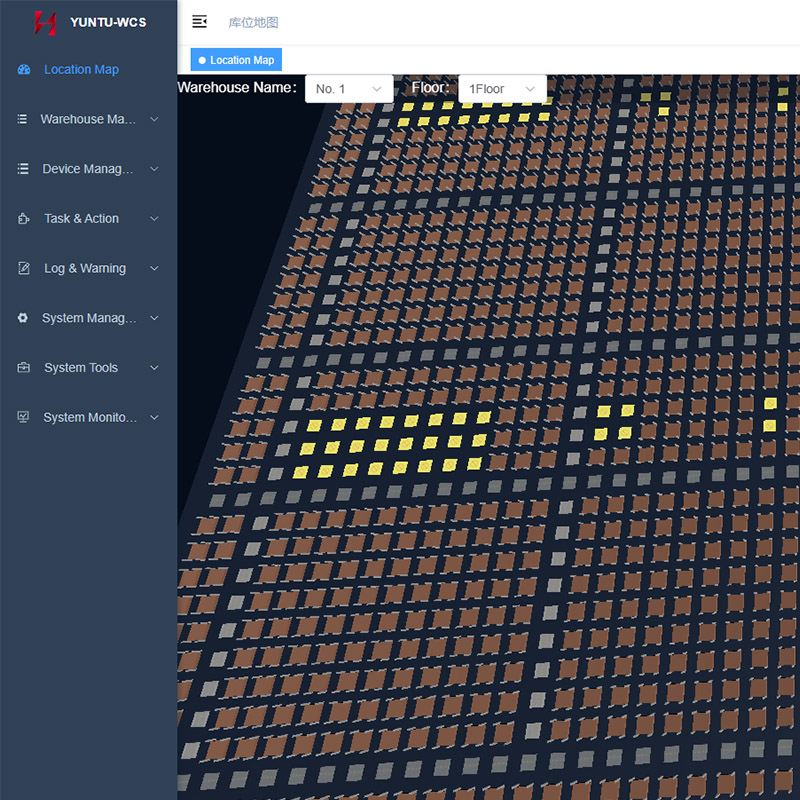
HEGERLS integrates WMS and WCS platforms to ensure real-time inventory visibility, task scheduling, and seamless coordination between robots, conveyors, and storage systems—bridging the gap between hardware execution and digital management.
Which Downstream Industries Are Driving Demand?
Why Is E-commerce a Core Growth Engine?
E-commerce warehouses handle fragmented orders with high time sensitivity. Continuous growth in transaction volumes is driving demand for automated picking, sorting, and storage systems to reduce costs and improve delivery speed.
How Does Express Logistics Benefit from Automation?
China express delivery sector continues to expand, pushing logistics companies to adopt smart sorting lines, automated storage systems, and robotics to manage rising parcel volumes efficiently.
What Challenges and Opportunities Exist in Cold Chain Logistics?
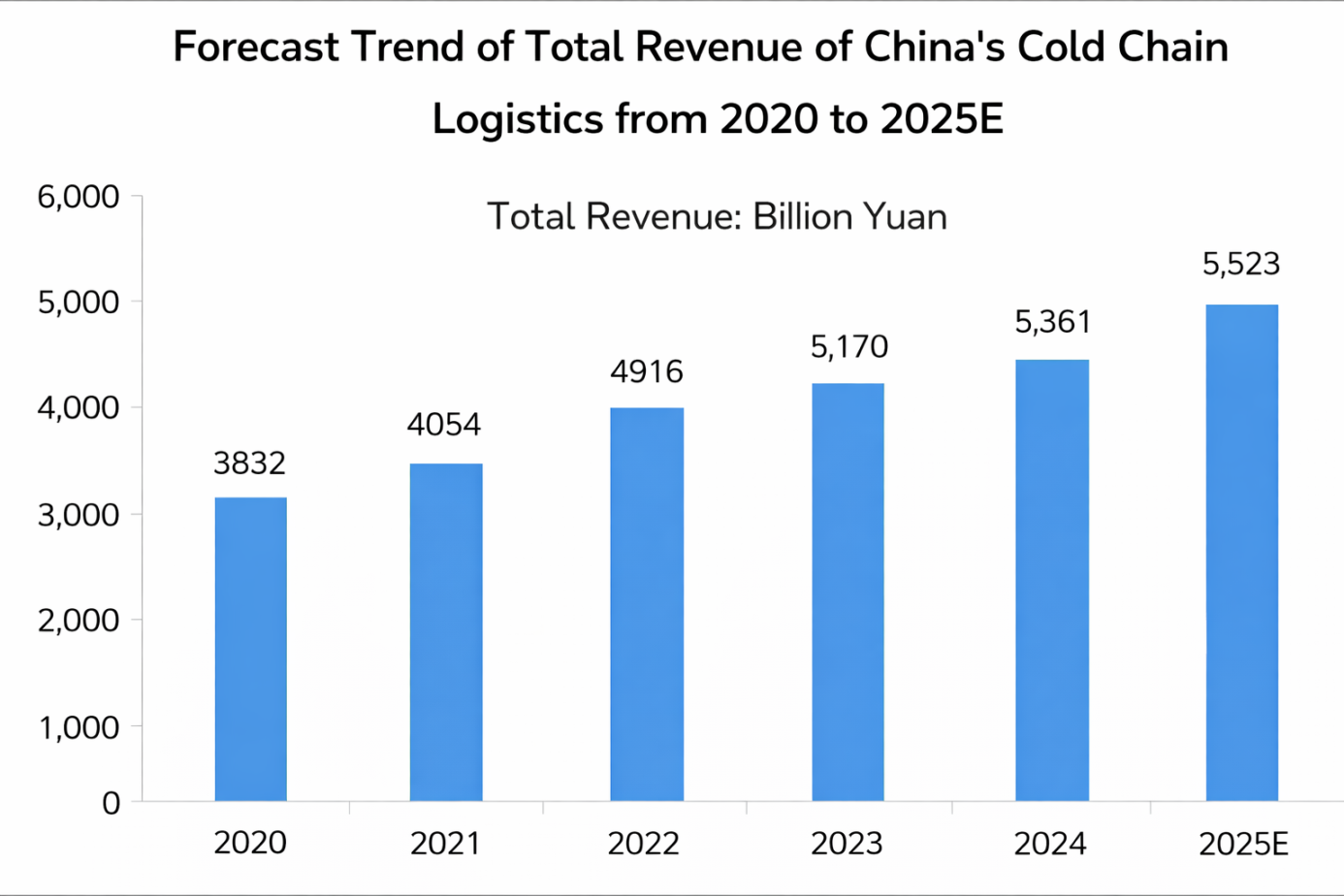
Cold chain logistics faces pricing pressure and fluctuating demand, but automation remains essential. Smart cold storage, robotic handling, and temperature-controlled systems are critical for improving efficiency, reducing labor reliance, and ensuring stability.
Conclusion: Where Are the Investment Opportunities in 2025?
China smart warehousing industry in 2025 is characterized by:
l Strong upstream technology localization
l Rapid midstream system integration
l Expanding downstream demand across multiple industries
As industry concentration increases, companies capable of delivering integrated, intelligent, and scalable smart warehousing solutions will capture the greatest long-term value.
HEGERLS exemplifies this transition by combining:
l Automated racking and shuttle technologies
l System integration and software coordination
l Project-based engineering and lifecycle services
As enterprises pursue higher efficiency, scalability, and digital visibility, solution providers like HEGERLS are becoming essential partners in building the next generation of intelligent logistics infrastructure.