

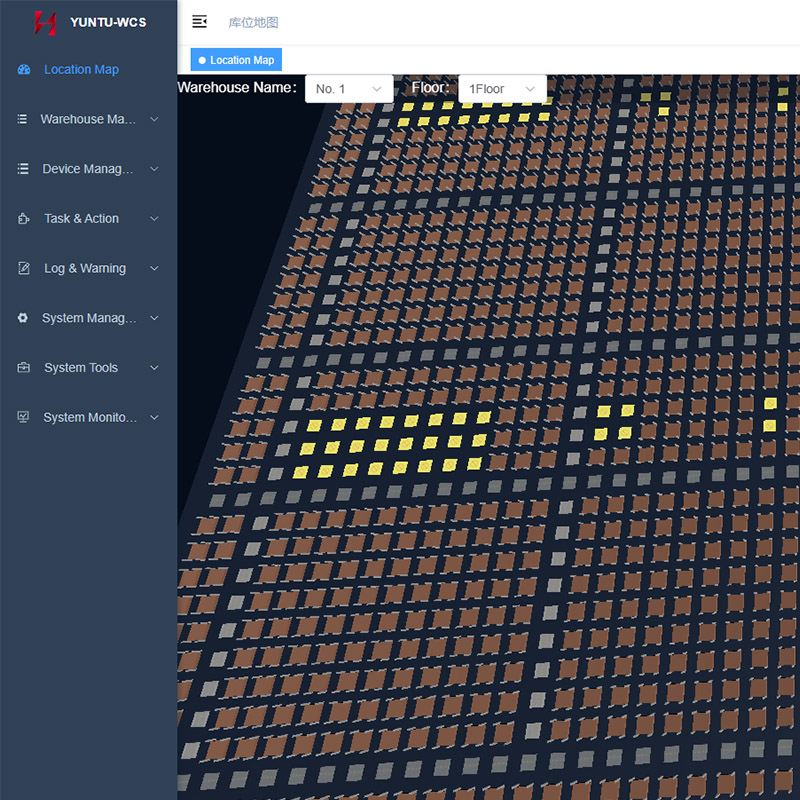
Why ROI Matters in High-Density Warehousing
In B2B warehouse investments, Return on Investment (ROI) is the key metric guiding strategic decisions. High-density rack-supported warehouses require significant upfront capital, but the long-term operational benefits often outweigh initial costs, particularly when automation is integrated.
Key Investment Areas:
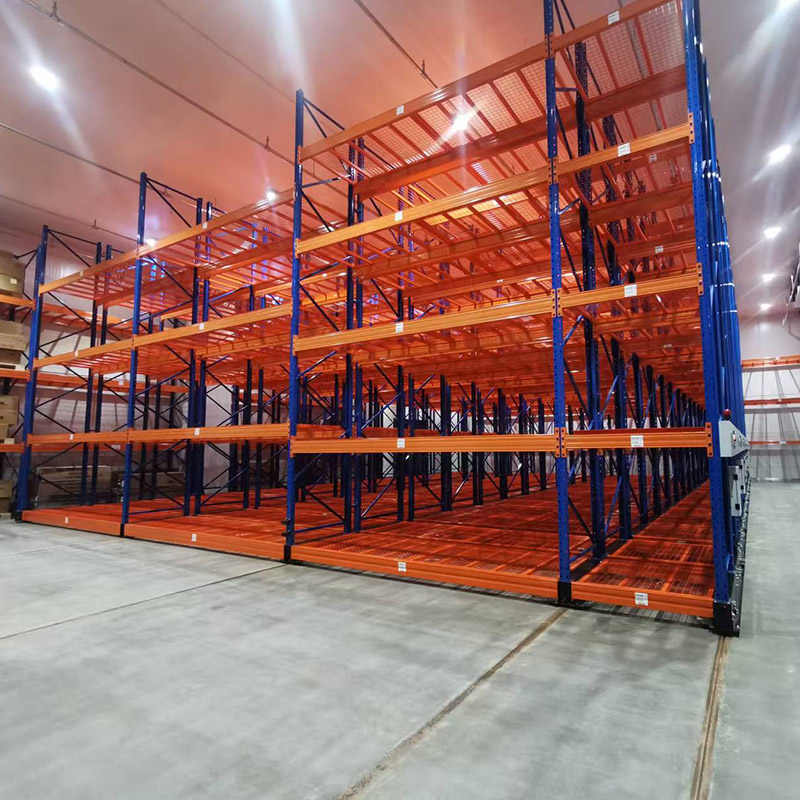
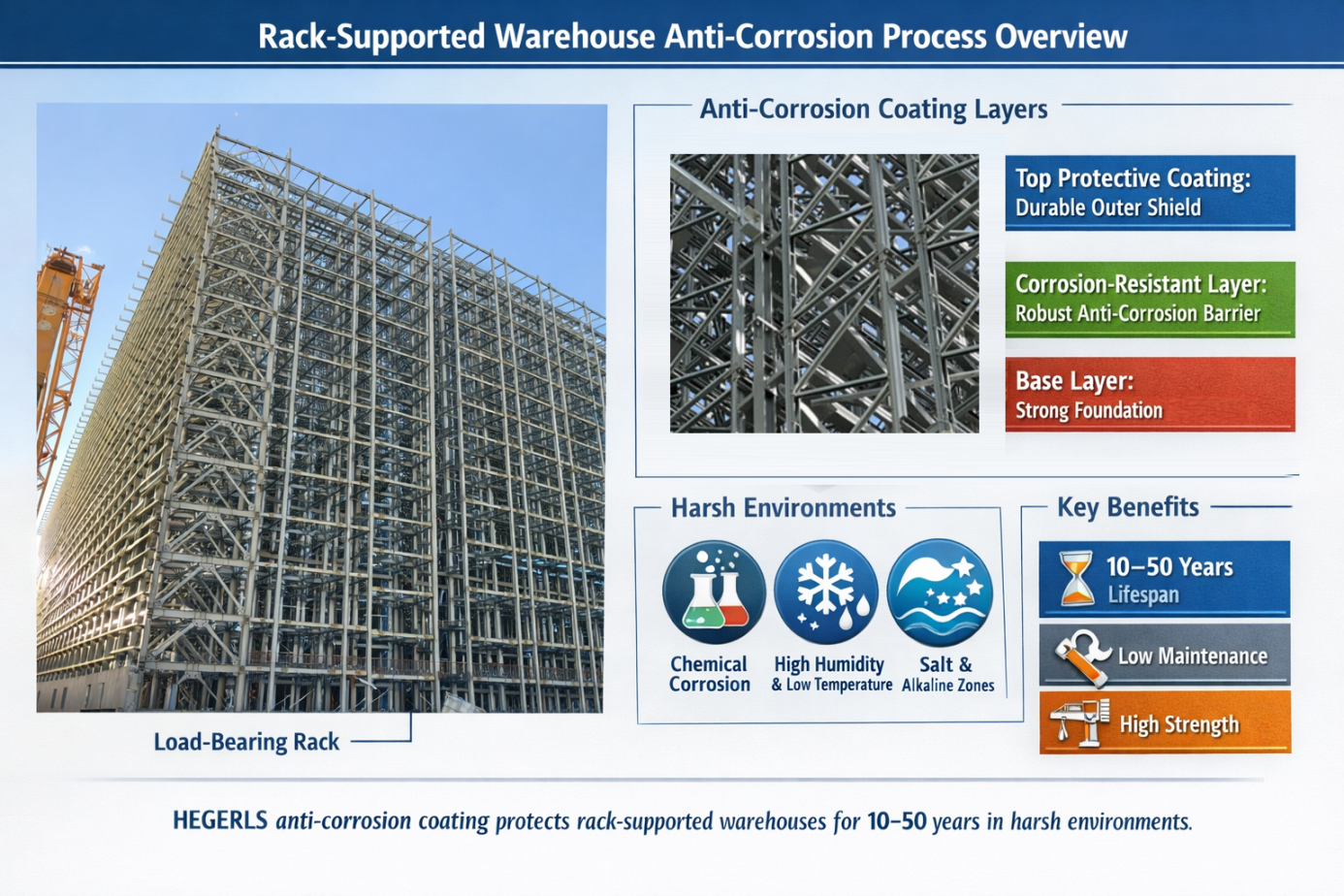
l Rack Structure & Materials: Quality steel, modular design, and corrosion-resistant coatings.
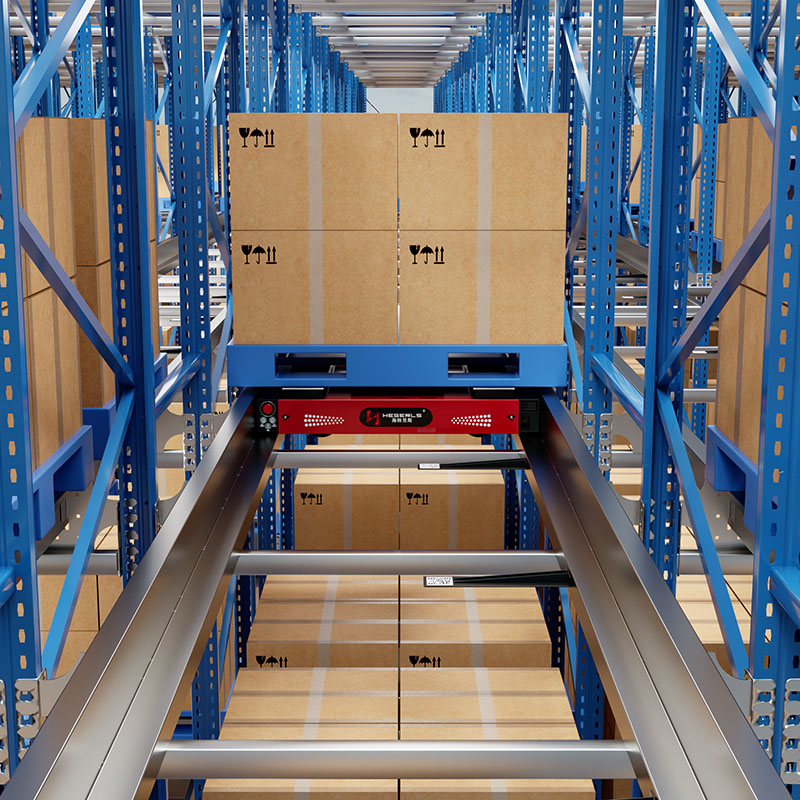
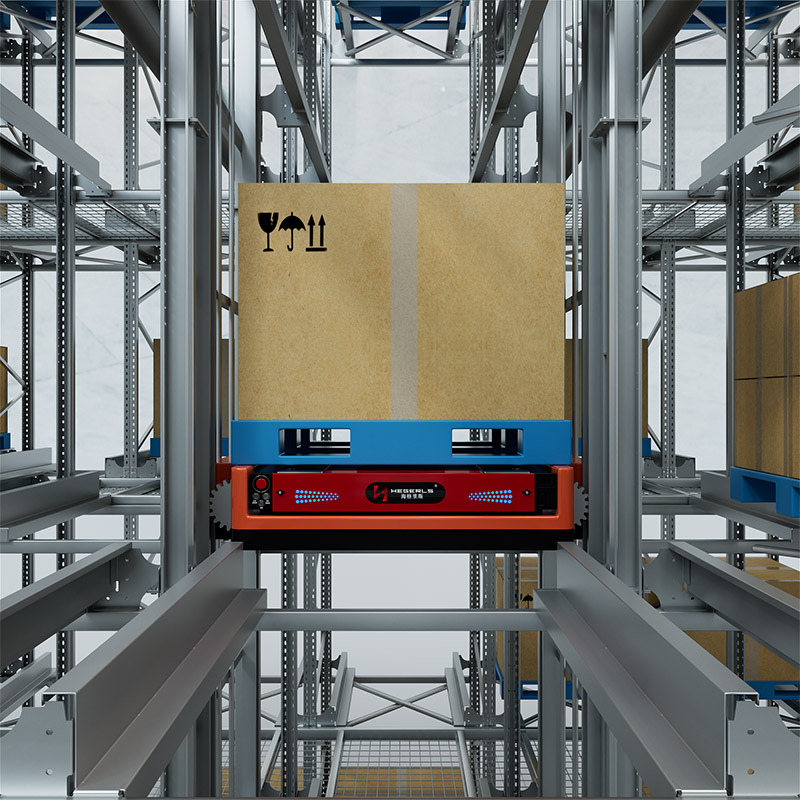
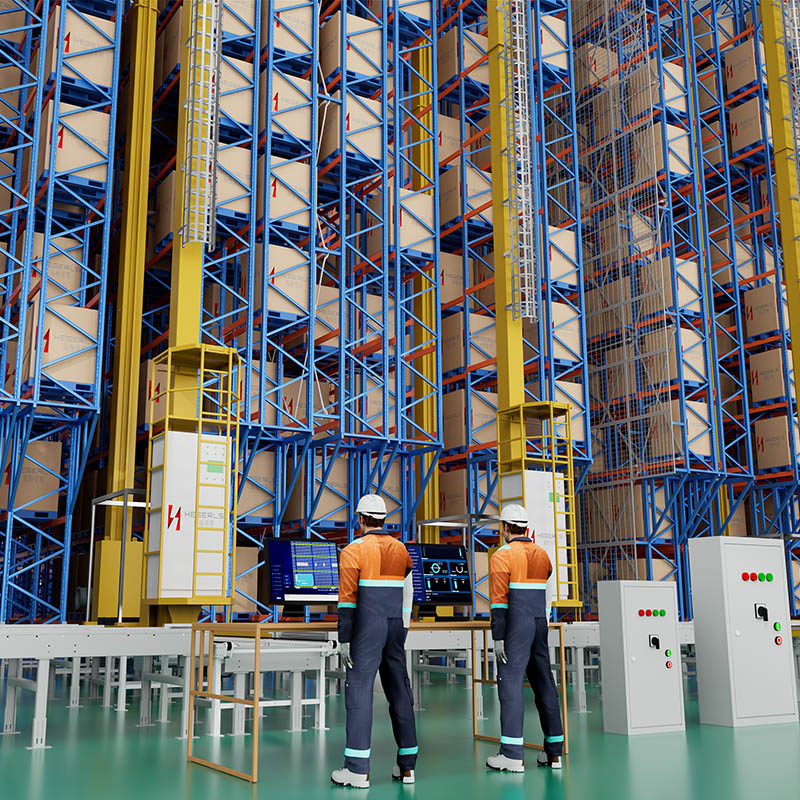
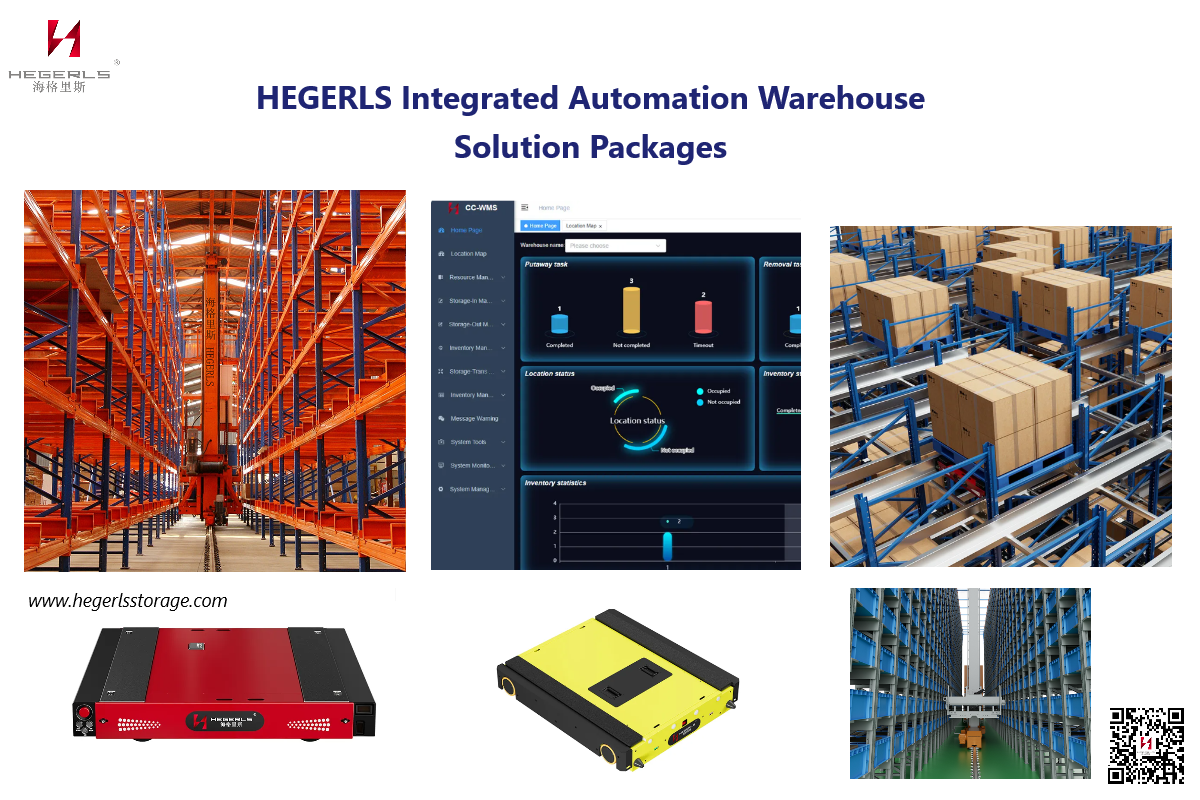
l Automation Equipment: Shuttles, stacker cranes, AMRs, and conveyor integration.
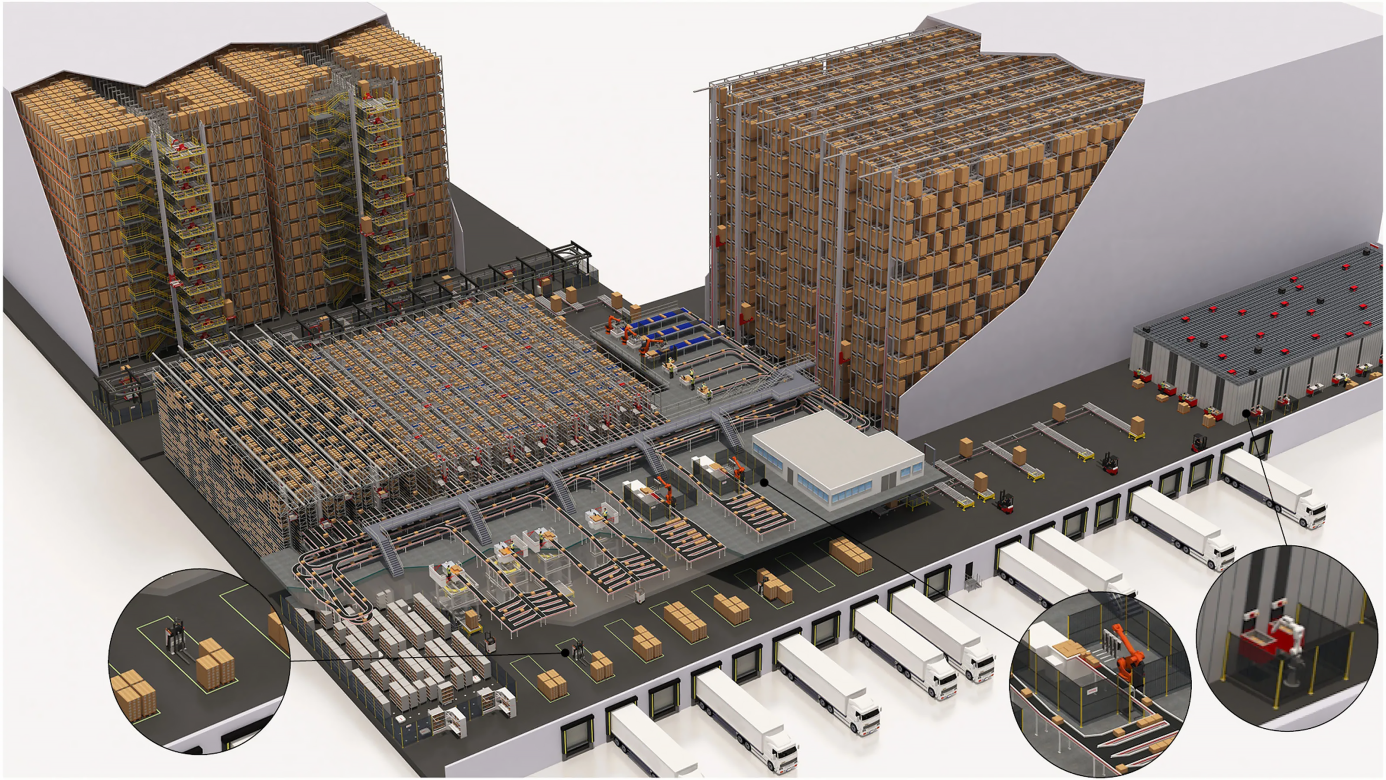
l Warehouse Layout Optimization: Efficient aisle width, vertical utilization, and picking paths.
Factors Affecting ROI:
l Space utilization efficiency (m² storage per SKU)
l Inventory turnover rate and reduced stock-holding costs
l Labor cost reduction through automation
l Energy consumption savings
l Maintenance and lifecycle cost optimization
Industry Insight: According to the Material Handling Institute, high-density rack-supported warehouses can improve storage space utilization by 30–50%, and automation can reduce labor costs by 20–35%, leading to shorter payback periods.
Key Cost Factors in Rack-Supported Warehouses
A clear understanding of costs and savings is critical for B2B decision-makers. Costs can be divided into structural investment, automation equipment, and operational savings.
| Cost Category | Typical Investment Range | Potential Savings | Notes |
| Structural Investment | $200,000 – $500,000 | 0–5% ROI improvement | Steel racks, modular design, installation |
| Automation Equipment | $150,000 – $400,000 | 20–35% labor reduction | Shuttles, stacker cranes, AMRs |
| Operational Costs | $100,000 – $200,000/year | 10–20% efficiency gain | Labor, energy, inventory handling |
| Space Optimization | Varies by layout | 30–50% increased storage | Better warehouse density reduces footprint |
| Inventory Accuracy | Minimal extra cost | Reduces stock losses 5–15% | Using automation and WMS |
Case Example: A mid-sized manufacturing company implemented a high-density rack-supported warehouse, resulting in $250,000 annual labor savings, 40% increase in space utilization, and ROI achieved within 3–4 years
Operational Insights
l Labor reduction is the largest immediate cost-saving factor, particularly in warehouses previously relying on forklifts and manual picking.
l Space optimization allows companies to delay costly facility expansion or rent increases.
l Inventory accuracy improvements reduce shrinkage, overstocking, and obsolescence.
Industry Data: Facilities integrating both rack-supported design and automation often see 10–15% faster order fulfillment and 25–30% fewer operational errors.
Step-by-Step ROI Calculation
To ensure informed investment decisions, follow this structured approach:
Identify Total Investment: Include structural costs, automation equipment, software, and installation.
Estimate Annual Savings: Calculate labor cost reduction, space savings, inventory efficiency gains, and energy reductions.
Calculate ROI:
ROI(%) = TotalInvestment / AnnualSavings ×100
Consider Long-Term Benefits: Factor in scalability, upgrade potential, and reduced downtime from safer, more reliable warehouse operations.
Example ROI Calculation
Item | Amount ($) |
Structural Investment | 350,000 |
Automation Equipment | 250,000 |
Annual Operational Savings | 150,000 |
ROI (%) | 25% |
Payback Period | 4 years |
Decision-makers can use these calculations to justify high-density investments to management and stakeholders.
Real-World Case Example
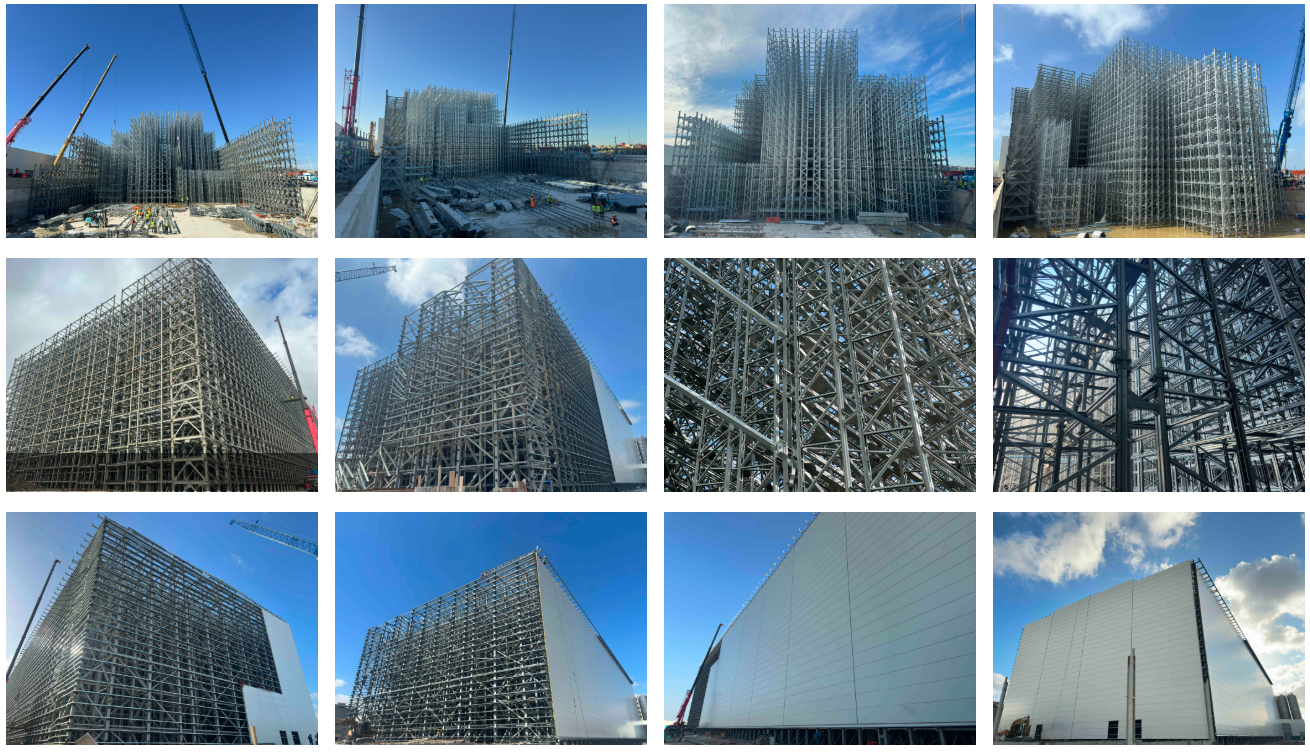
Scenario: Tire Company in Morocco, 35,496 Pallets Storage
l Original Setup: Conventional floor racks, manual forklift operations
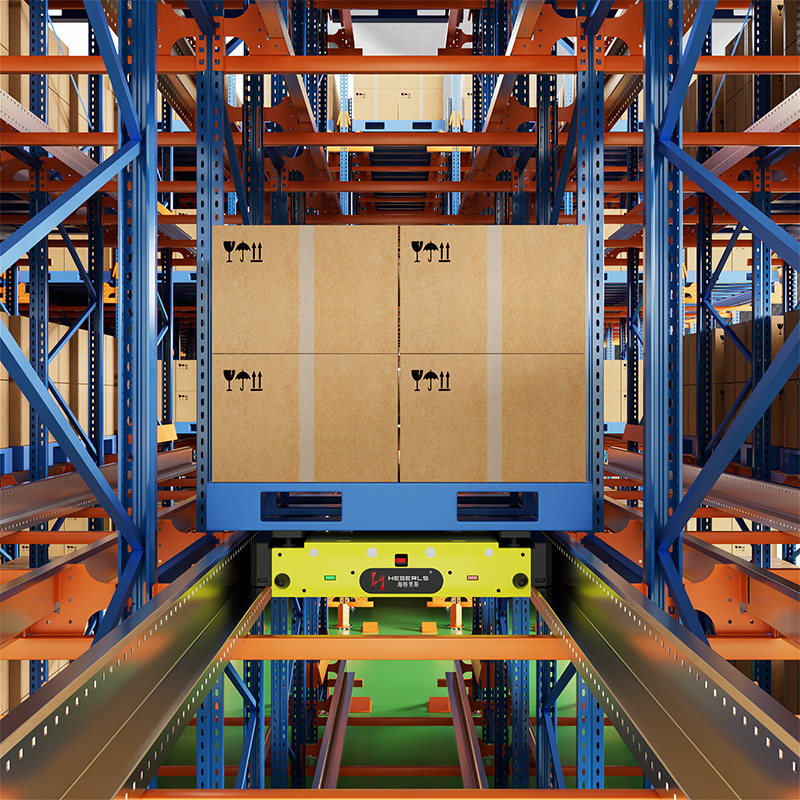
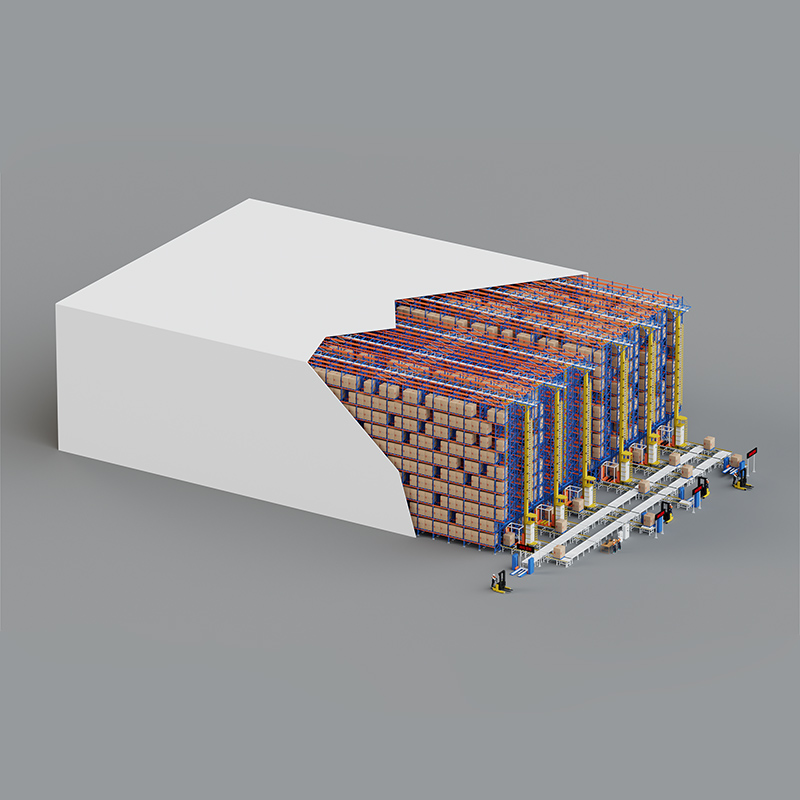
l Upgrade: High-density rack-supported structure + AS/RS stacker crane + two-way shuttle system
Key Insight: A rack-supported warehouse combined with automation delivers higher capacity, lower costs, and faster throughput, providing maximum ROI in high-density storage.
B2B Takeaways
l ROI evaluation should include construction, automation, operational cost savings, and long-term benefits
l High-density rack-supported warehouses improve space utilization, inventory accuracy, and labor efficiency
l Typical payback period ranges from 3–5 years, with substantial long-term gains
l Combining cost analysis, automation, and real-case benchmarks ensures informed B2B decision-making
Ready to maximize your warehouse efficiency and ROI with high-density rack-supported solutions? Explore HEGERLS automated shuttle and rack-integrated systems to find the right solution for your facility.