
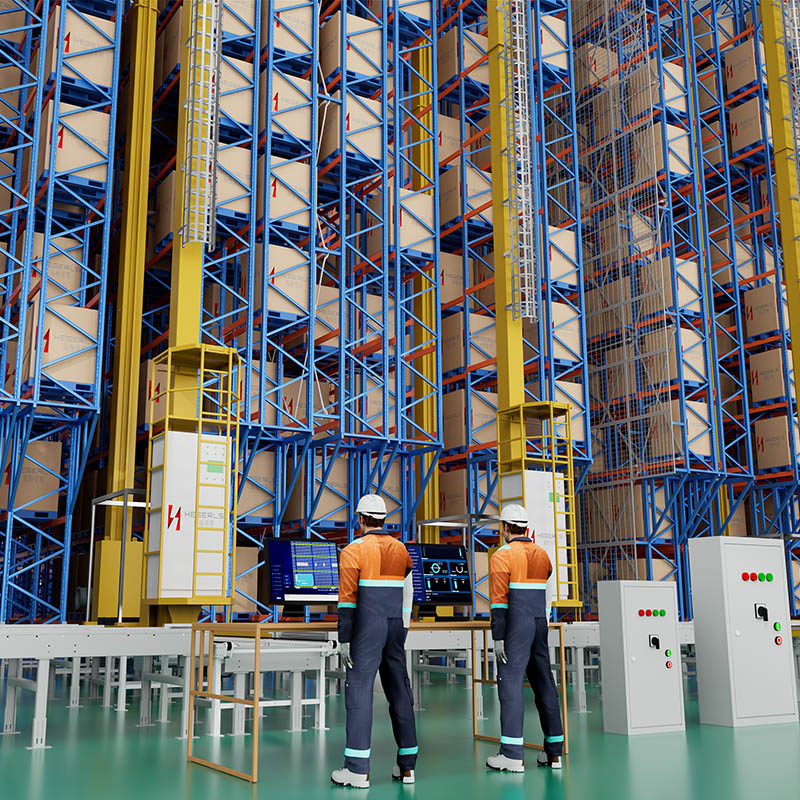
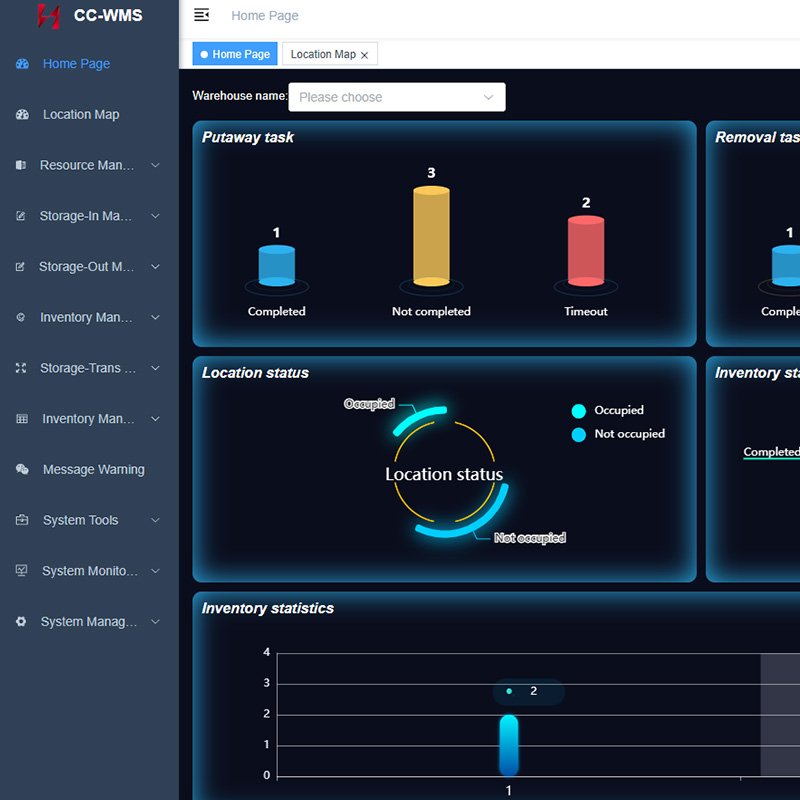
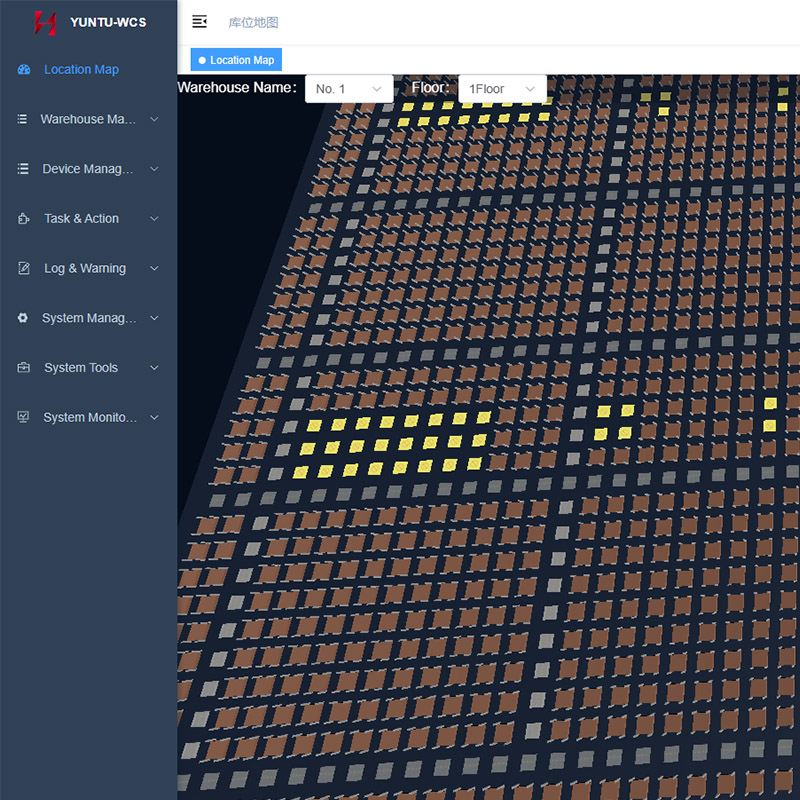
Why Is Inventory Forecasting Becoming a Core Capability in Smart Warehousing?
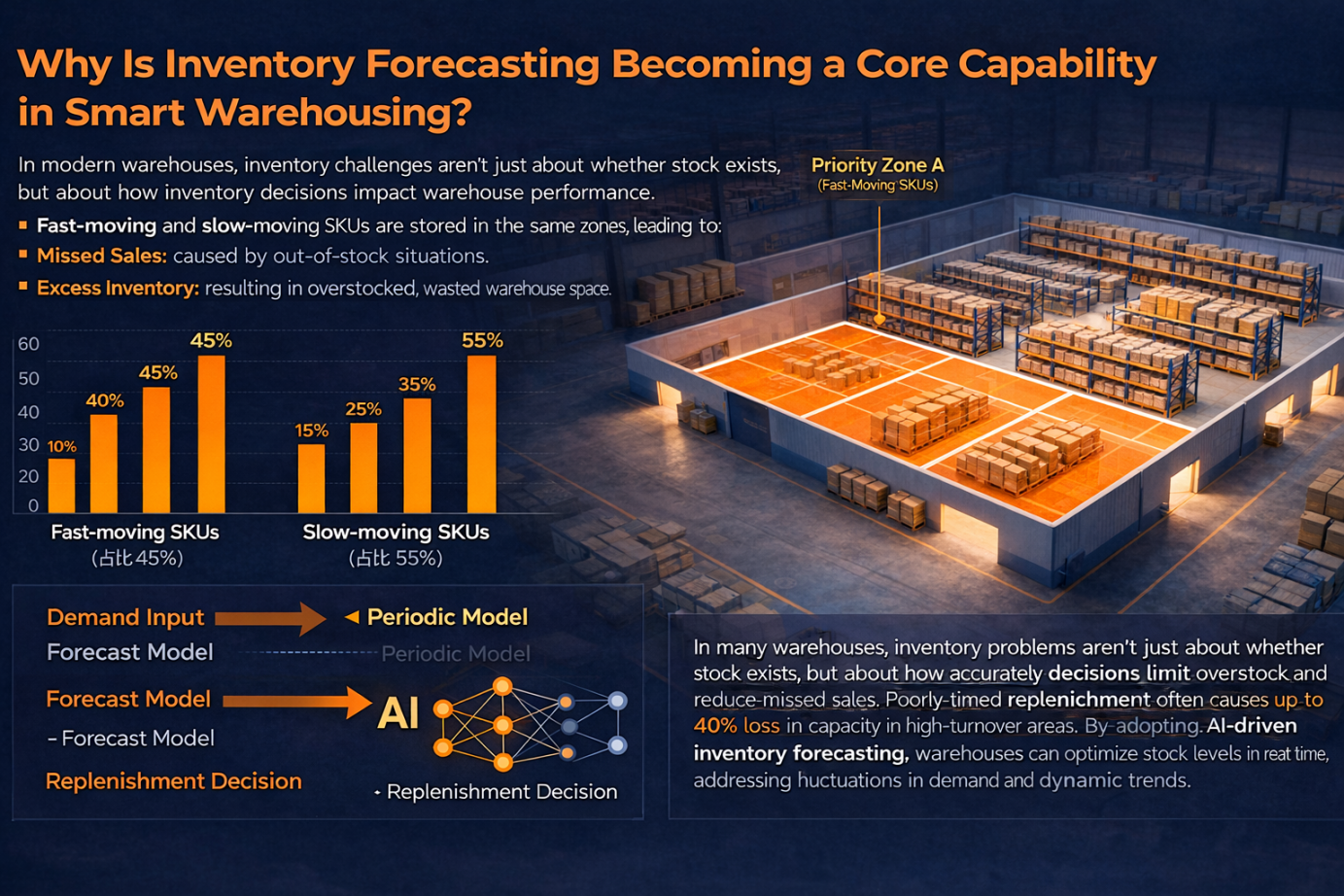
In many warehouses, inventory problems are not about whether stock exists, but about how inventory decisions silently limit system performance:
l Fast-moving and slow-moving SKUs stored in the same priority zones
l Replenishment lagging behind demand peaks
l High-value storage locations occupied by low-turnover inventory
According to recent industry research, more than 60% of warehouse efficiency losses are caused by poor inventory decisions rather than insufficient automation capacity.
This is why AI-driven inventory forecasting is increasingly becoming the brain of modern smart warehouse systems.
Why Do Traditional Inventory Forecasting Methods Fail in Automated Warehouses?
Static Rules Cannot Handle Dynamic Systems
Traditional forecasting methods typically rely on:
l Historical averages
l Fixed safety stock rules
l Manual experience-based adjustments
These approaches may still work in low-SKU, stable environments. However, they quickly break down in modern automated warehouses where:
l SKU counts are highly fragmented
l Order sizes are smaller but more frequent
l Demand fluctuates across regions and channels
l Automation systems are extremely sensitive to rhythm and load
The issue is not simply forecast accuracy, but the inability of static logic to adapt to system complexity.
What Makes AI-Driven Inventory Forecasting Fundamentally Different?
AI Is Not Just a Better Formula — It Changes How Decisions Are Made
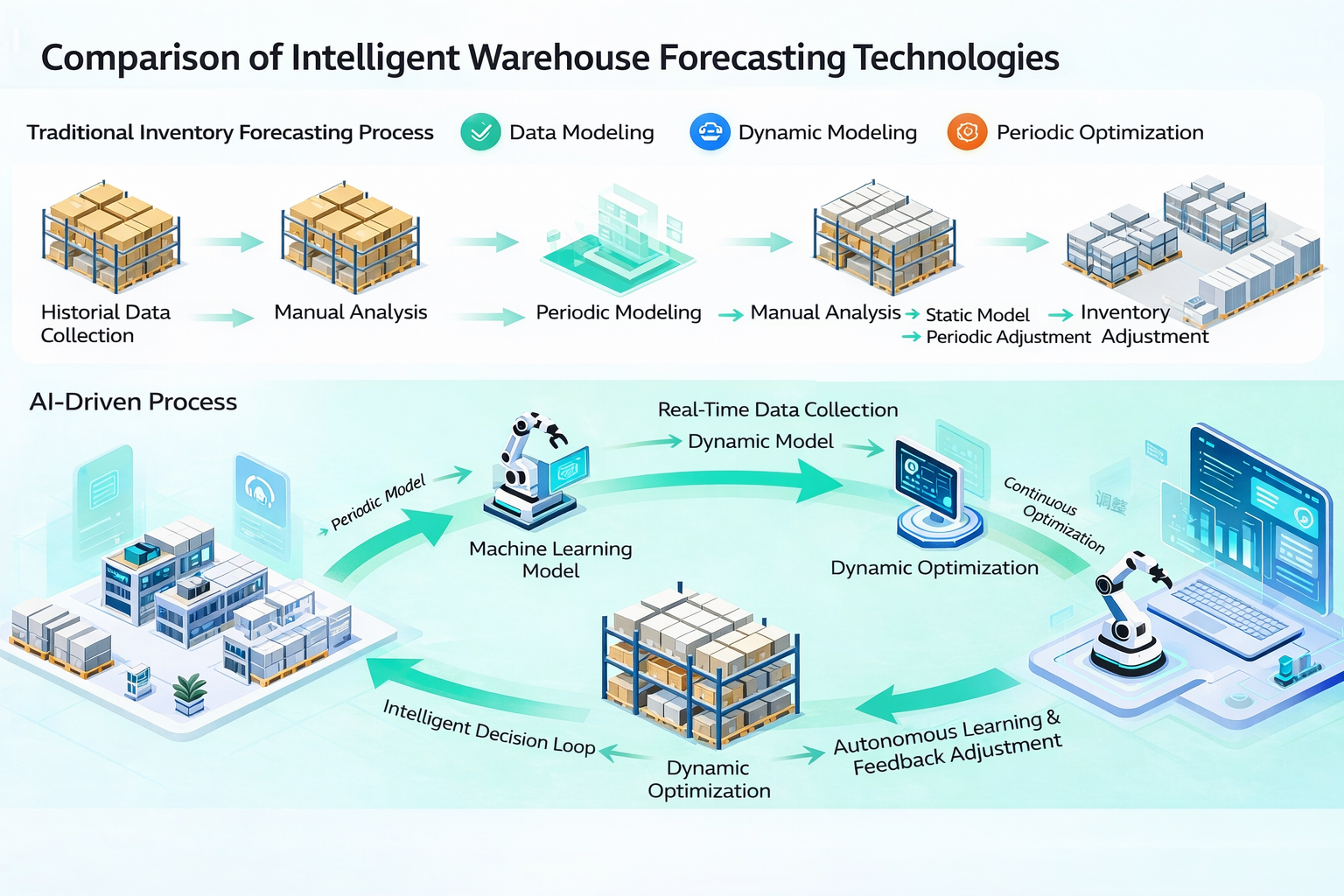
AI-driven inventory forecasting introduces three fundamental shifts:
1. Multi-Variable Dynamic Modeling
AI models simultaneously consider:
l SKU demand cycles
l Order structure changes
l Customer and regional behavior patterns
l System capacity constraints (throughput, cycle time, bottlenecks)
Inventory is no longer treated as a quantity problem, but as a system resource allocation problem.
2. Continuous Learning and Real-Time Adaptation
Unlike traditional monthly or quarterly adjustments, AI models can:
l Automatically recalibrate forecasts based on live order data
l De-weight historical data during abnormal demand spikes
l Dynamically adjust safety stock ranges
This capability is especially critical in high-density automated storage systems.
3. Forecasts That Directly Drive System Actions
Effective AI forecasting does not stop at dashboards. It directly influences:
l Storage location assignment strategies
l Replenishment and relocation timing
l Equipment dispatching priorities
At this stage, forecasting becomes part of system orchestration, not just decision support.
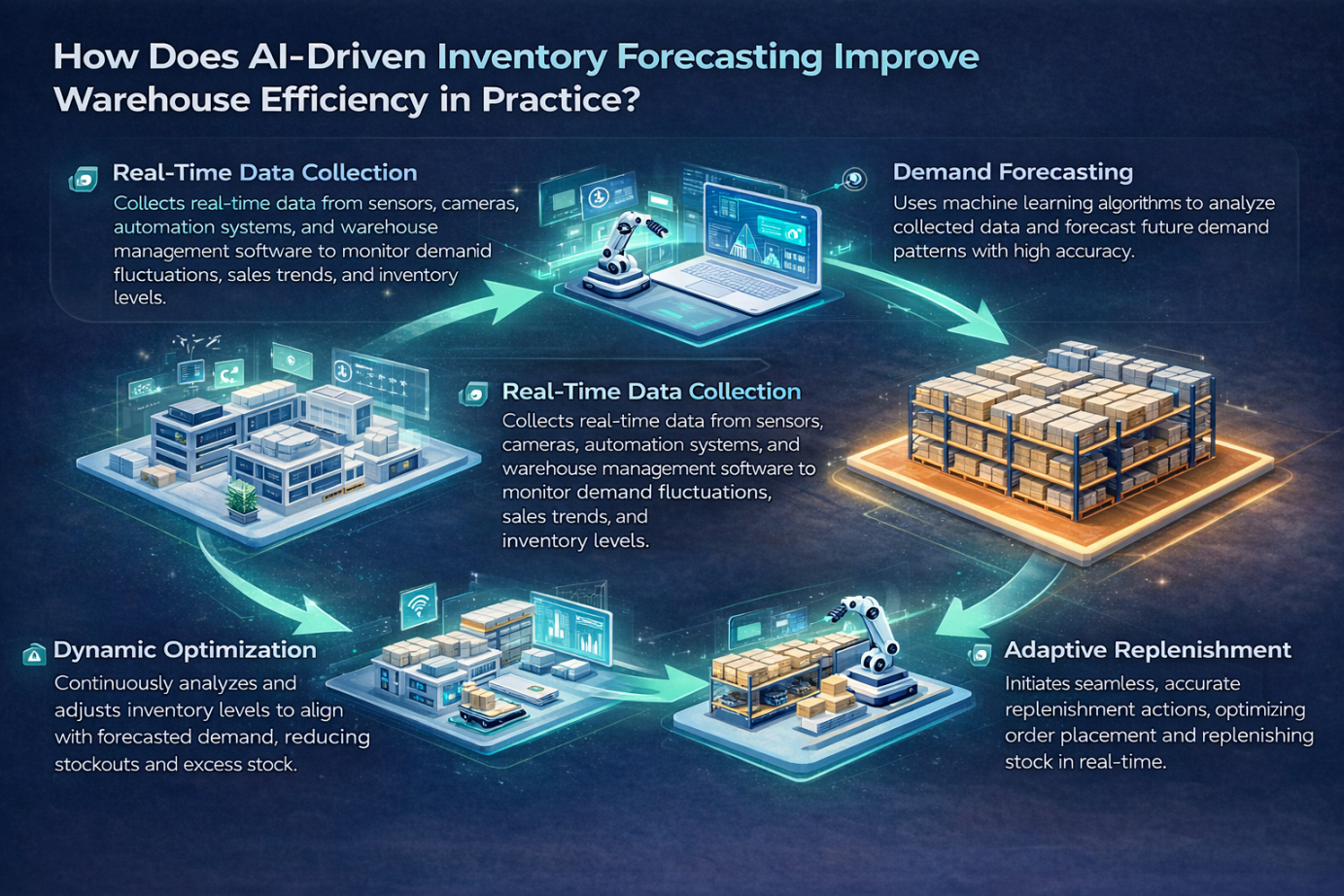
How Does AI-Driven Inventory Forecasting Improve Warehouse Efficiency in Practice?
How Can Stock-Outs Be Reduced Without Increasing Inventory?
In multiple automated warehouse projects involving HEGERLS, AI-based forecasting enables:
l Early identification of potential stock-out SKUs
l Automatic prioritization for replenishment and picking
l Dynamic reservation of high-access locations
Project results show stock-out rates reduced by 20%–35% without increasing total inventory levels.
How Can High-Value Storage Locations Be Freed from Low-Turnover Inventory?
In high-density warehouses, wrong inventory placement equals hidden capacity loss.
AI forecasting allows the system to:
l Identify slow-moving SKUs early
l Relocate them to lower-priority zones
l Reserve prime locations for high-frequency SKUs
These optimizations often deliver 10%–25% throughput improvements with no additional hardware investment.
How Can System Congestion and Unnecessary Movements Be Reduced?
When forecasting logic is connected with system dispatching:
l Replenishment peaks can be smoothed
l Equipment workloads become more balanced
l Redundant relocations are minimized
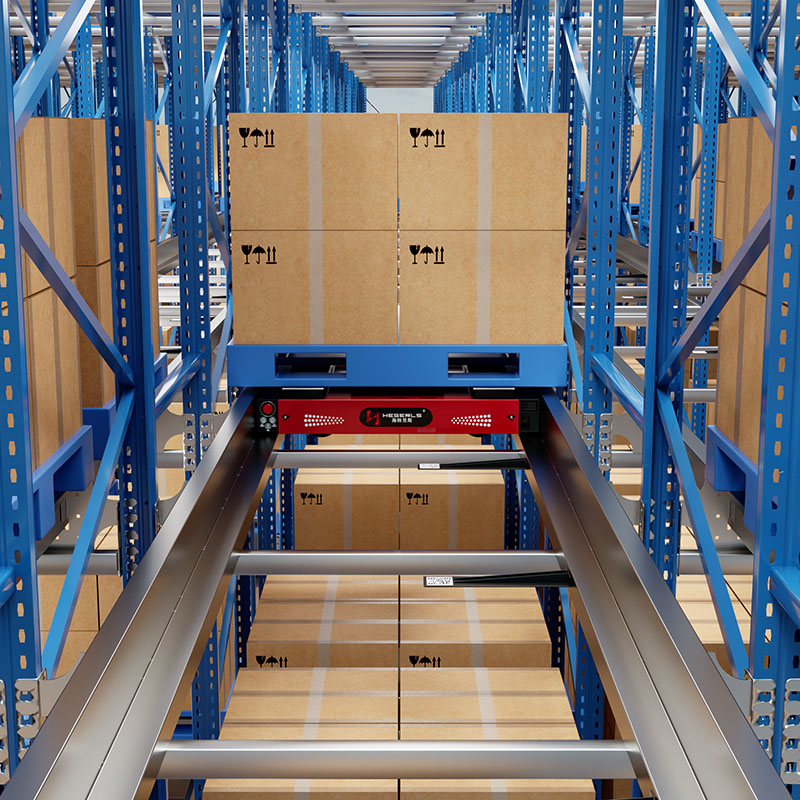
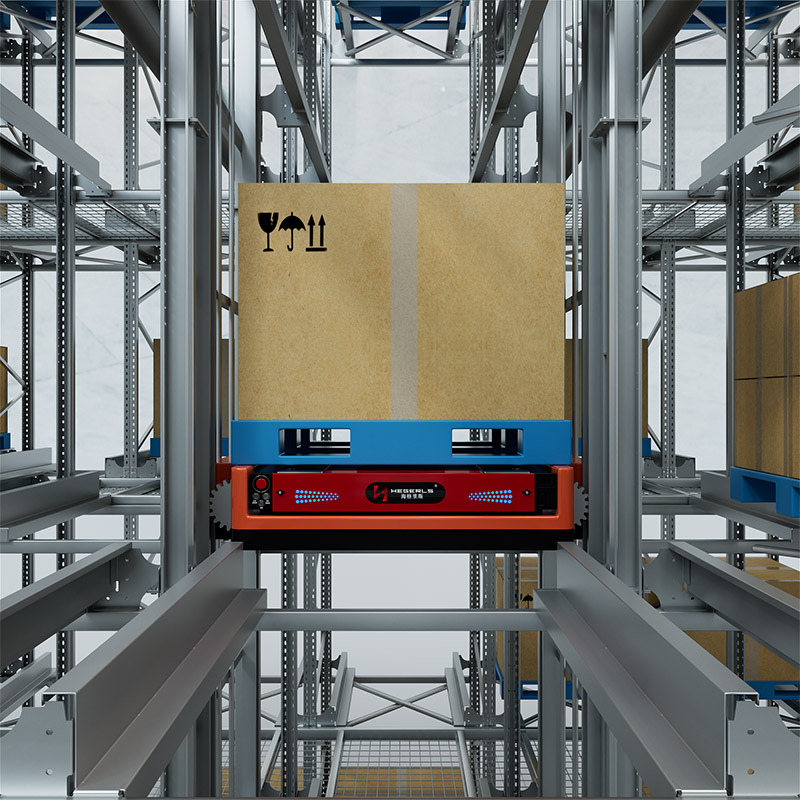
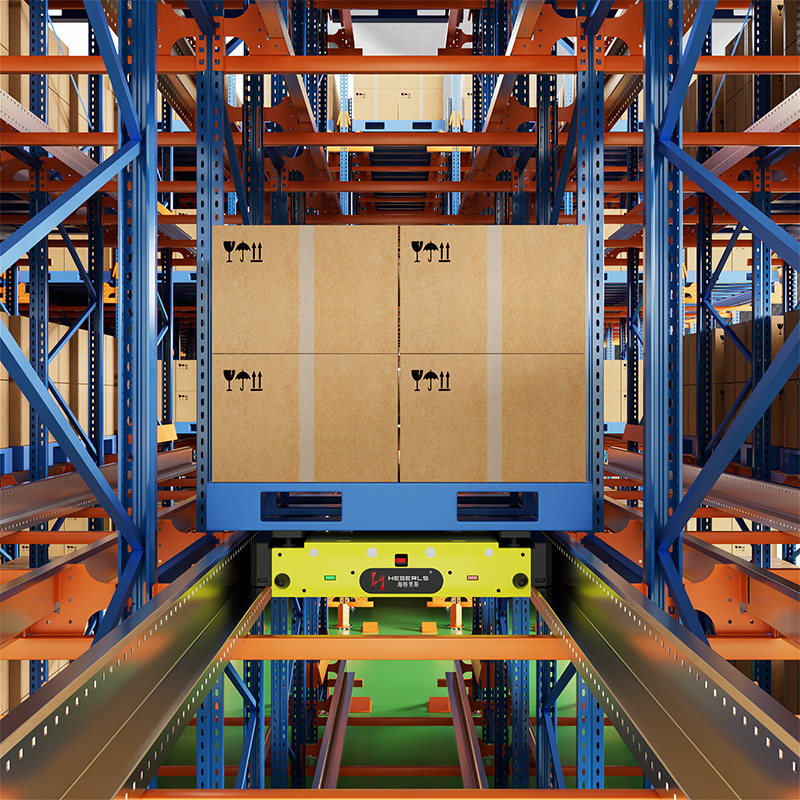
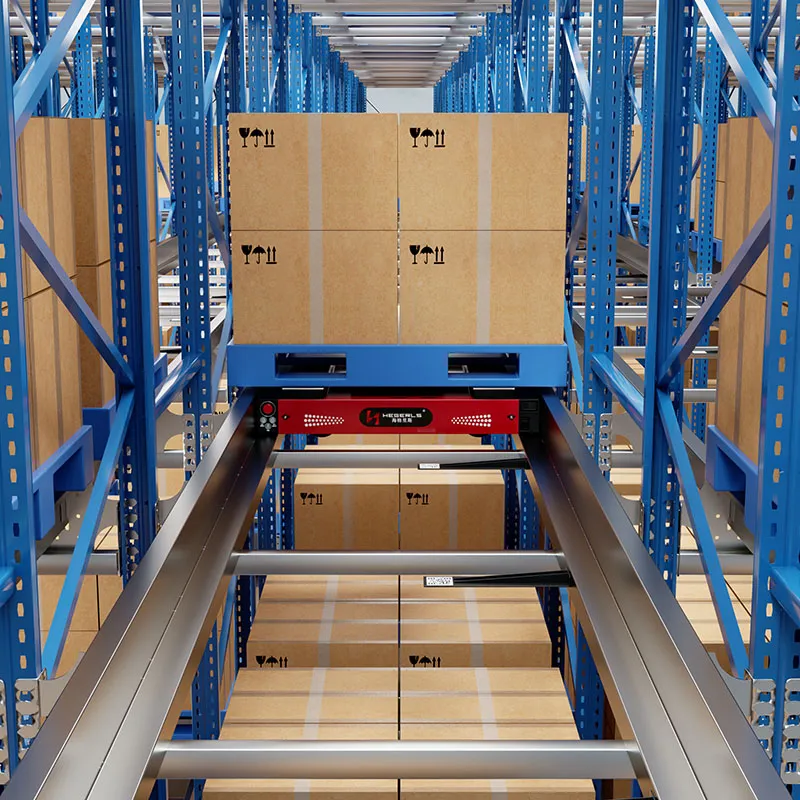
In multi-vehicle systems such as four-way shuttle solutions, this coordination is critical for maintaining stable throughput.
What Are the Key Implementation Requirements in High-Density Automated Warehouses?
What Data Foundations Are Required?
A practical AI-driven inventory forecasting system requires:
l Historical inventory and order data
l SKU attributes and lifecycle classifications
l Equipment performance and throughput data
l Real-time WMS / WES system feedback
Forecasting based only on business data — without system performance data — delivers limited operational value.
How Should AI Forecasting Integrate with WMS and WES?
In a mature architecture:
l AI models generate forecasts and optimization strategies
l WES converts strategies into executable dispatching rules
l WMS manages inventory states and business logic
At HEGERLS, a key principle is clear:
Forecasting must respect real system constraints, not calculate theoretical optima disconnected from reality.
Is the ROI of AI-Driven Inventory Forecasting Truly Measurable?
This is one of the most common customer questions.
In practice, ROI typically comes from four areas:
1. Reduced inventory capital occupancy
2. Increased throughput within existing infrastructure
3. Lower reliance on manual interventions
4. Improved system stability and fewer operational exceptions
In automated warehouses, AI-driven inventory forecasting rarely stands alone as a payback item — it amplifies the ROI of the entire automation system.
Why Is Inventory Forecasting Becoming a Differentiator for System Integrators?
Hardware differentiation is shrinking:
l Shuttle vehicle performance is converging
l Crane specifications are increasingly standardized
l Automation components are becoming commoditized
What truly differentiates system integrators today is:
The ability to convert inventory decisions into real-time, system-executable intelligence.
This is why HEGERLS emphasizes the integration of algorithms, dispatching logic, and physical system design rather than treating AI as a standalone feature.
Final Thoughts: Inventory Forecasting Is a System Capability, Not a Module
Many AI initiatives fail not because AI does not work, but because:
l It is deployed as an isolated function
l It is disconnected from system design
l It ignores real operational rhythms
Effective AI-driven inventory forecasting must be designed as part of the overall warehouse system, not added afterward.
Why HEGERLS
At HEGERLS, AI-driven inventory forecasting is not offered as a separate module.
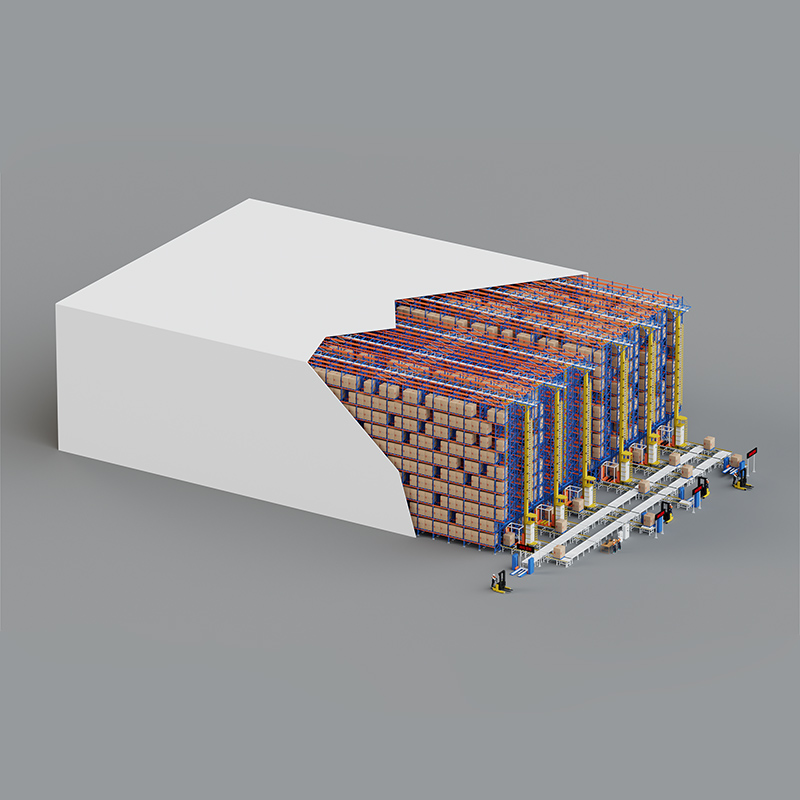
It is embedded into high-density storage design, four-way shuttle dispatching logic, and system-level orchestration, ensuring forecasts translate into real operational gains.
If you are planning or upgrading an automated warehouse, we welcome the opportunity to discuss inventory forecasting as part of a fully integrated system design.