

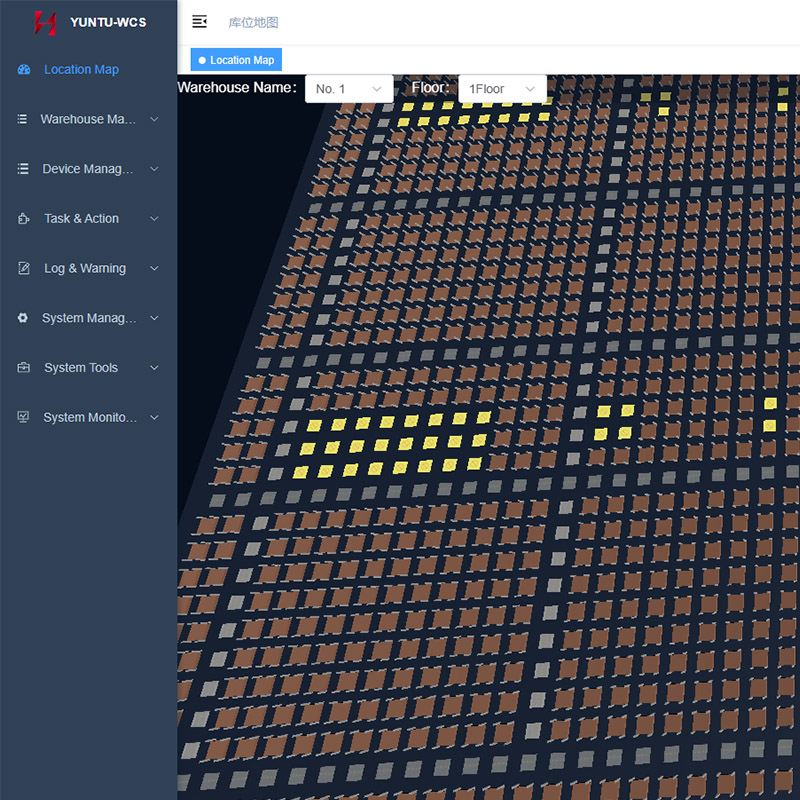
Why Intelligent Warehousing Is Being Redefined
Warehouse automation is no longer a competitive advantage—it is a baseline requirement. Across manufacturing, retail, e-commerce, and industrial distribution, automated storage and retrieval systems (AS/RS), shuttle systems, and warehouse robotics have become mainstream.
Yet many warehouse operators are discovering a new challenge: traditional automation struggles to keep pace with real-world operational complexity.
Common issues include:
l Rapid SKU proliferation combined with shrinking inventory depth per SKU
l Highly fragmented order profiles with small batches and high frequency
l Uncertain business growth trajectories but rigid, one-time automation investments
l Increasing system complexity leading to lower stability and higher maintenance costs
The industry is entering a new phase—from mechanical automation to intelligent system orchestration.
At HEGERLS, years of global project experience have led to a clear conclusion: future-ready warehousing systems must be built on three foundational capabilities:
Ultra-Flexible · Ultra-Dense · Ultra-Efficient
These are not marketing slogans. They represent a system-level technology framework that guides every HEGERLS solution—from shuttle design to software architecture and total system engineering.
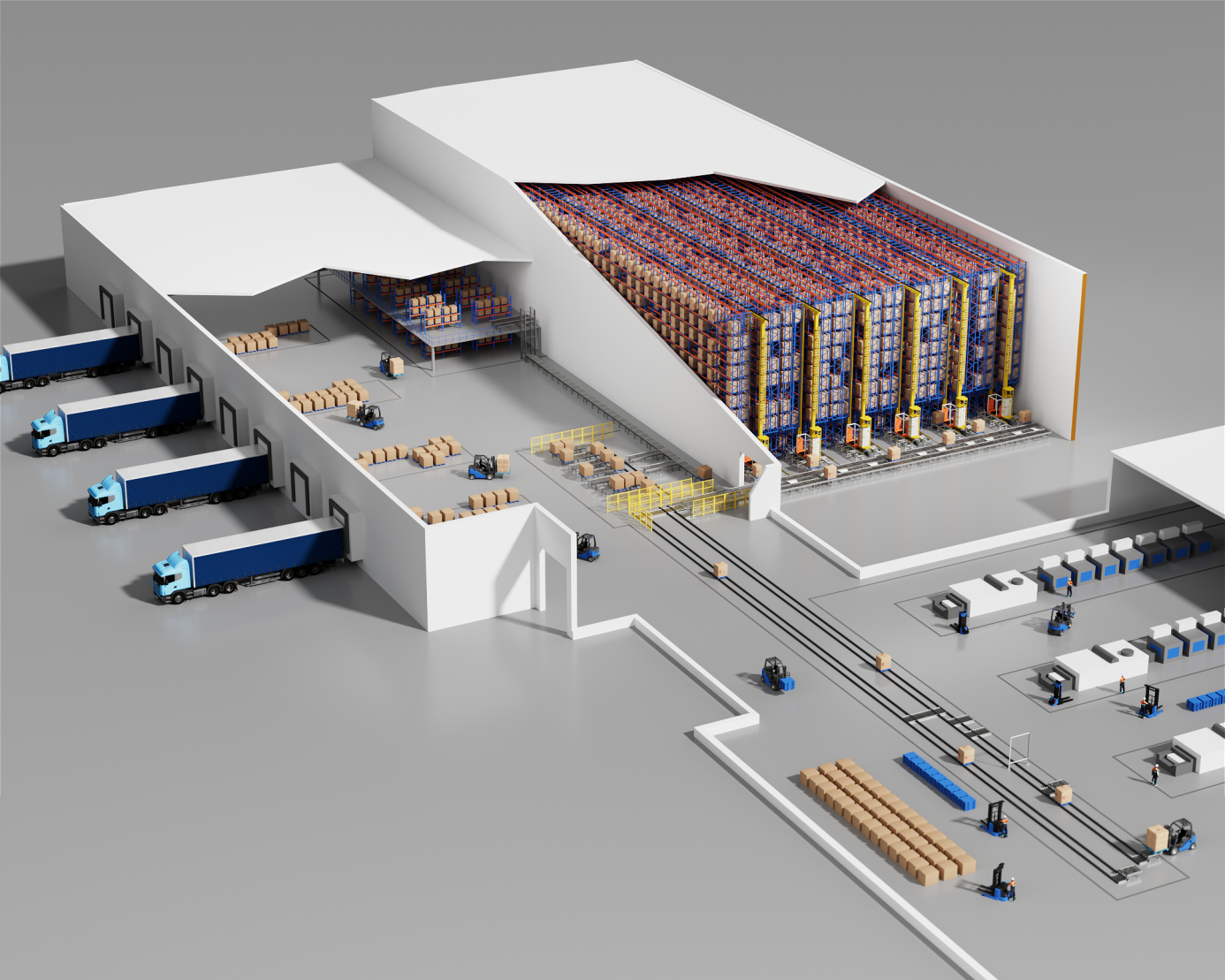
What Limits Conventional Automated Warehousing Systems?
Many automated warehouses are designed around idealized assumptions:
l Stable SKU structures
l Predictable order volumes
l Fixed throughput targets
l One-time system commissioning
Reality rarely follows these assumptions.
As operations evolve, rigid systems begin to expose structural weaknesses:
l High-density storage systems suffer from throughput bottlenecks
l Equipment-centric designs lack coordination at the system level
l Expansion or modification requires downtime or costly retrofits
l Software logic becomes increasingly complex and fragile
The root problem is not automation itself, but the lack of adaptability, balance, and long-term system thinking.
HEGERLS addresses this gap through a unified technology philosophy centered on flexibility, density, and efficiency—designed to work together, not in isolation.
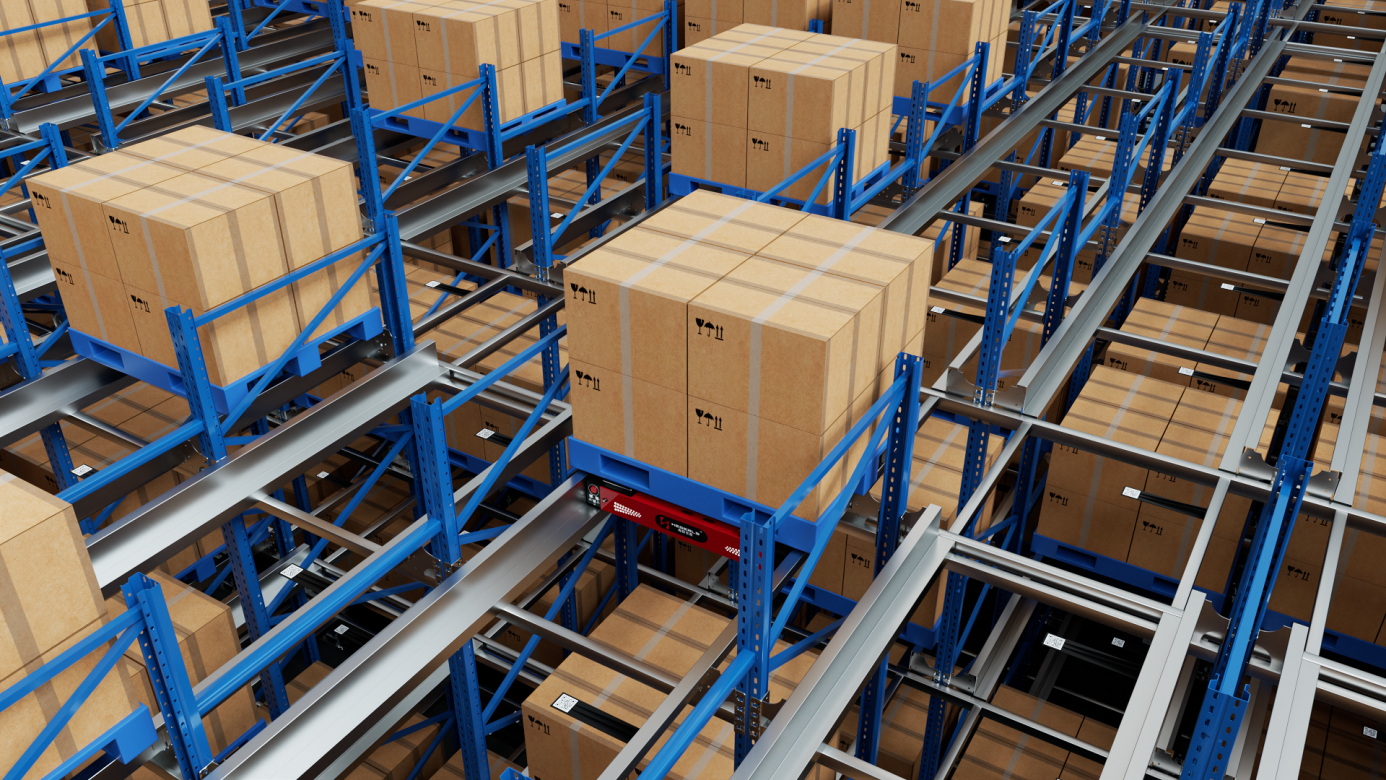
Ultra-Flexible: Engineering Warehousing Systems for Uncertainty
Flexibility Is Not About Change—It Is About Resilience
In intelligent warehousing, flexibility does not simply mean that a system can be modified. True flexibility means the system is designed to absorb change without disruption.
HEGERLS’s Ultra-Flexible architecture enables warehouses to adapt continuously to evolving business requirements.
1. Equipment-Level Modularity
At the physical layer, HEGERLS systems are built around modular automation units:
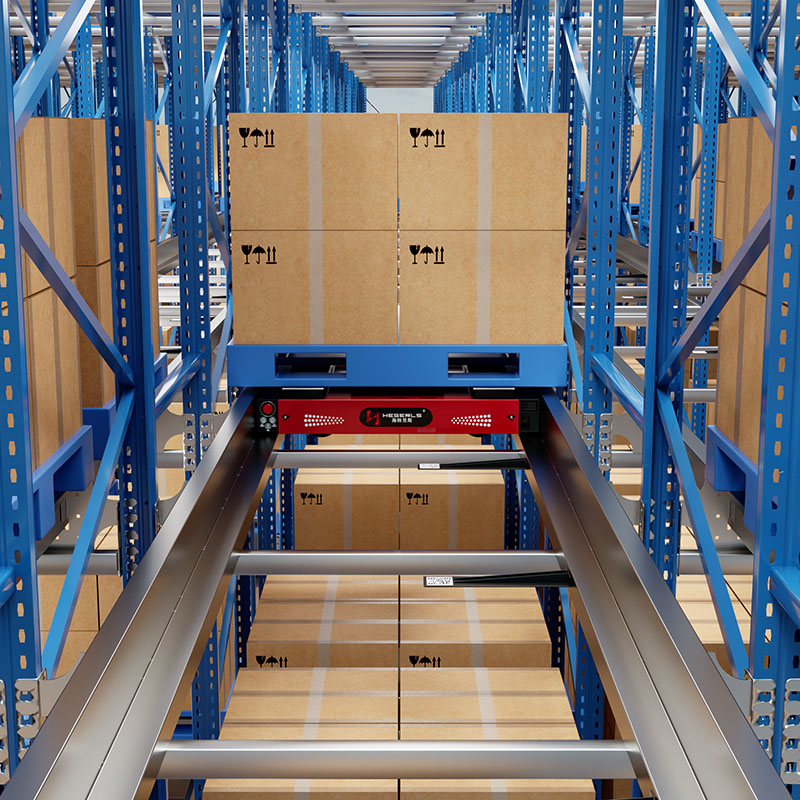
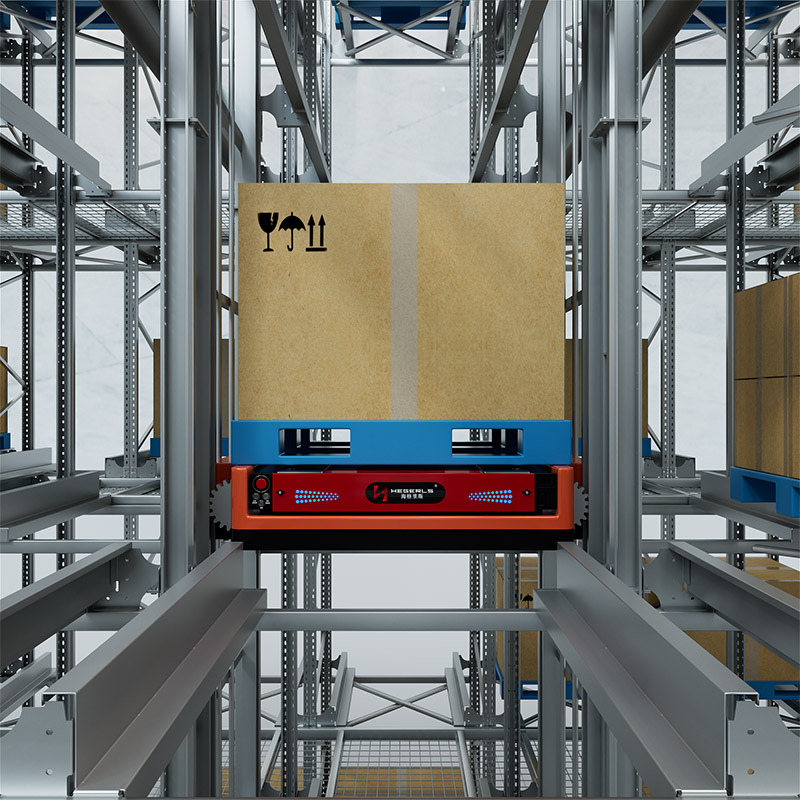
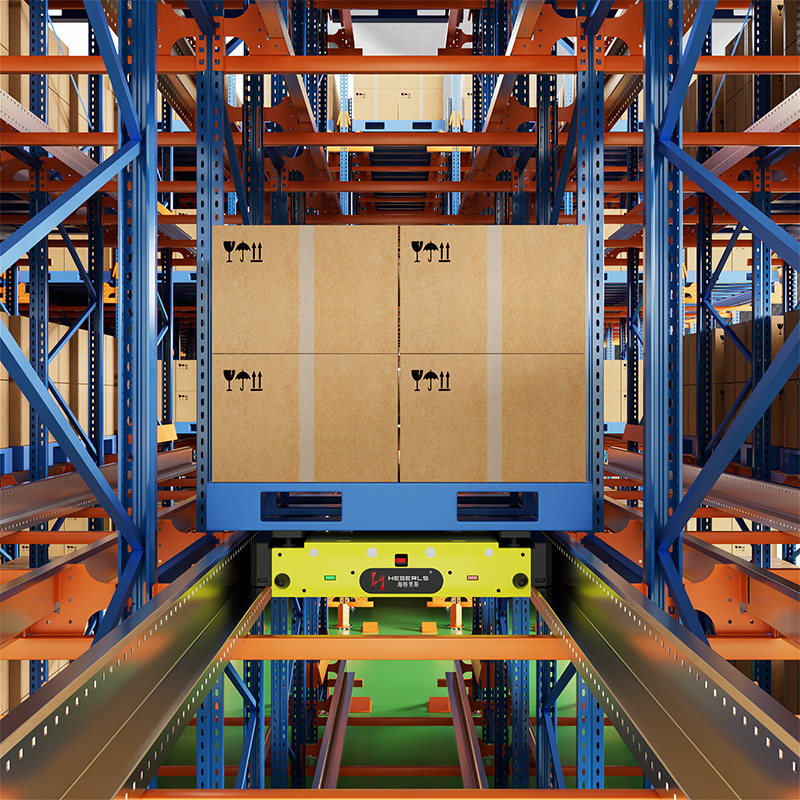
l Four-way shuttle systems and two-way shuttle systems with standardized mechanical interfaces
l Compatibility with multiple pallet sizes, load weights, and packaging formats
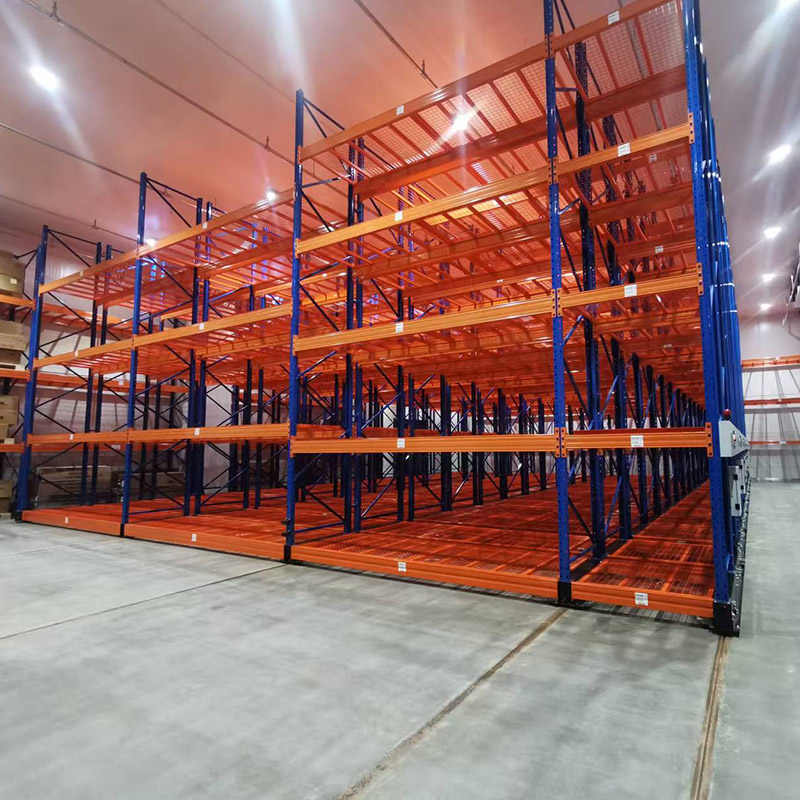
l Unified platforms for ambient, cold storage, and dust-controlled environments
This modularity allows equipment to be added, replaced, or upgraded without altering the core system structure.
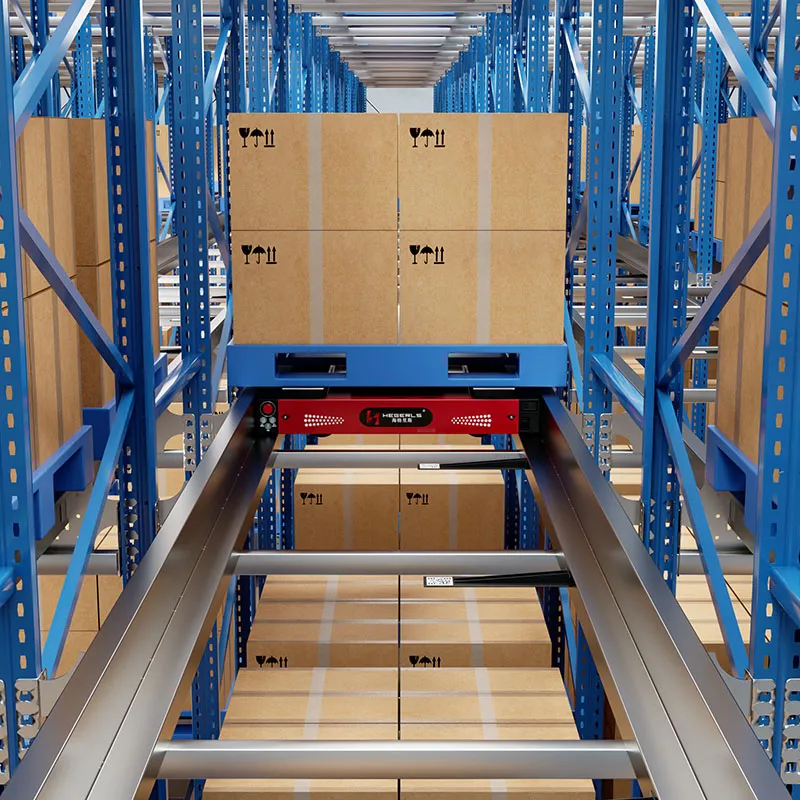
Four-way shuttle systems
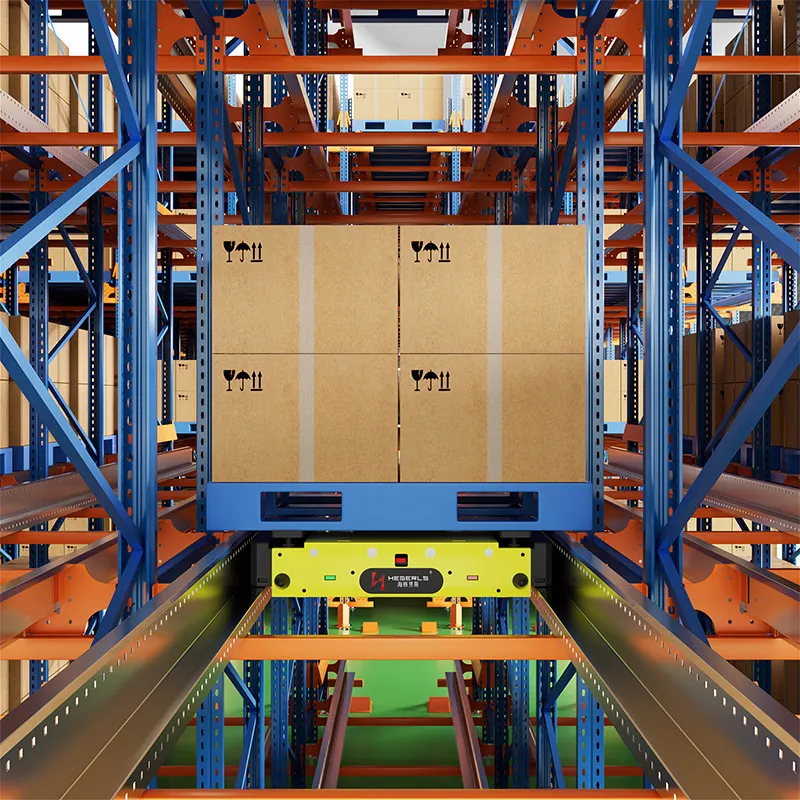
two-way shuttle systems
2. System-Level Scalability
Ultra-Flexible systems support progressive deployment strategies:
l Phased implementation aligned with business growth
l Expansion of aisles, rack levels, or shuttle quantities while operations remain live
l Long-term coexistence of automated and manual processes
Instead of forcing customers into oversized initial investments, HEGERLS enables capital-efficient automation growth.
3. Software-Driven Operational Flexibility
At the control level, flexibility is defined by software intelligence:
l Parameter-based strategies instead of hard-coded workflows
l Dynamic task allocation based on order structure and system load
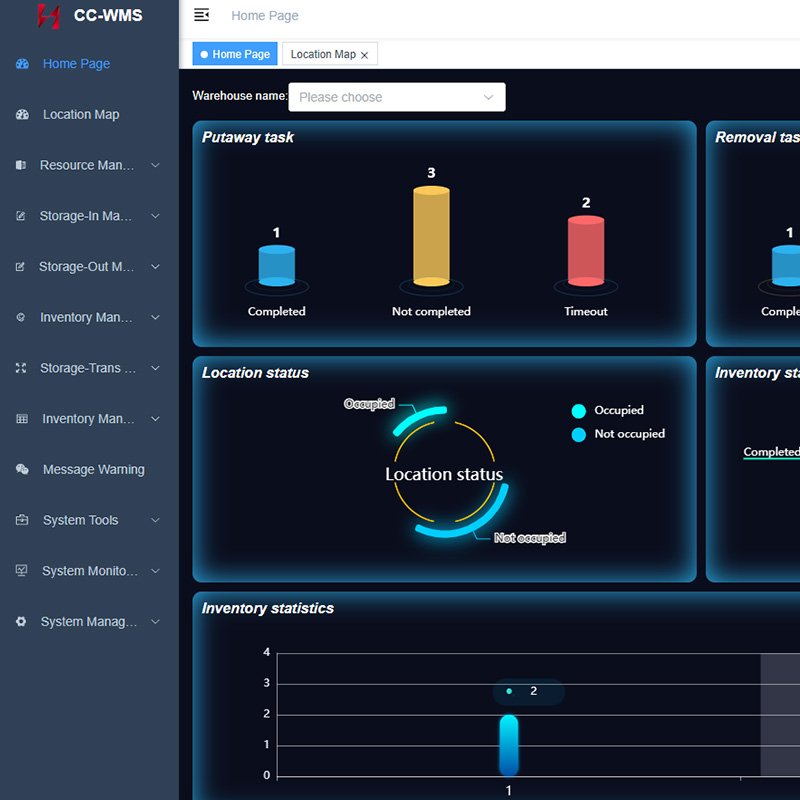
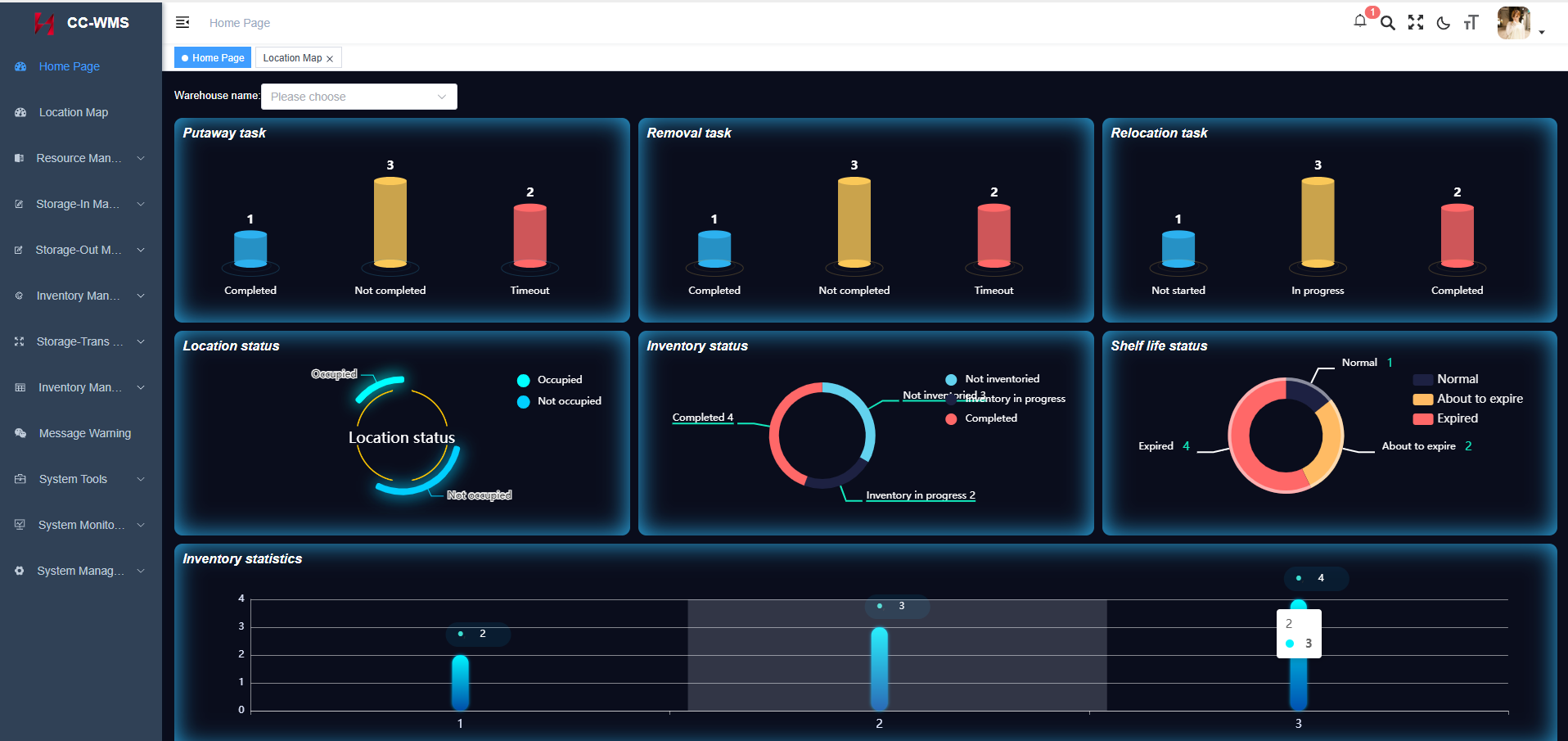
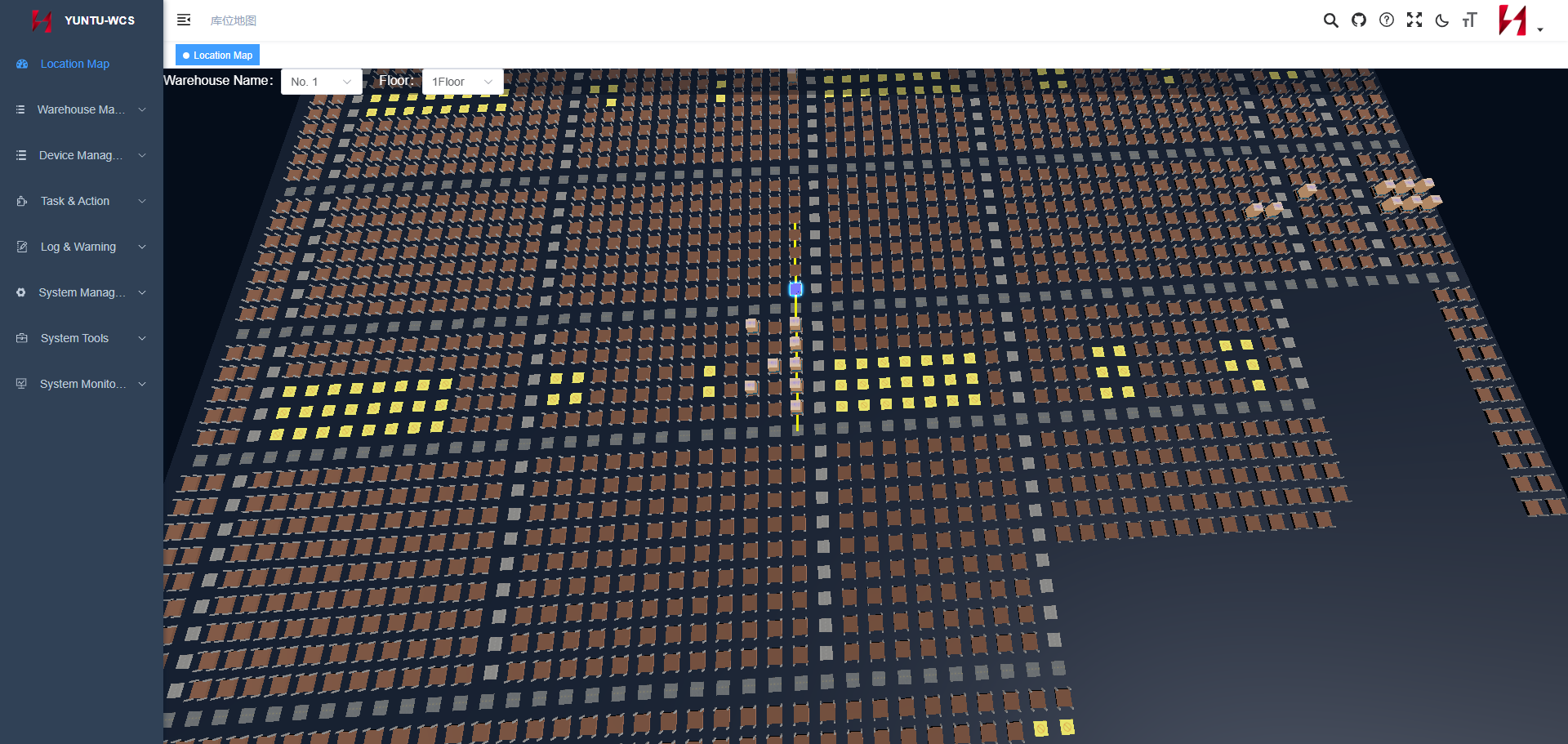
l Open interfaces for WMS, WCS, and ERP integration
Operational logic can evolve without rewriting the system foundation—ensuring longevity even as digital ecosystems change.
The Value of Ultra-Flexibility
By treating uncertainty as a design condition rather than an exception, HEGERLS systems remain effective across multiple business cycles.
Flexibility becomes a built-in asset, not a future cost.
Ultra-Dense: High-Density Storage Without Compromising Flow
Density Alone Does Not Equal Performance
High-density storage is often pursued as a primary goal. However, many dense systems sacrifice accessibility, throughput, and reliability.
HEGERLS defines Ultra-Dense storage as usable density—density that supports real operational performance.
1. System-Level Space Optimization
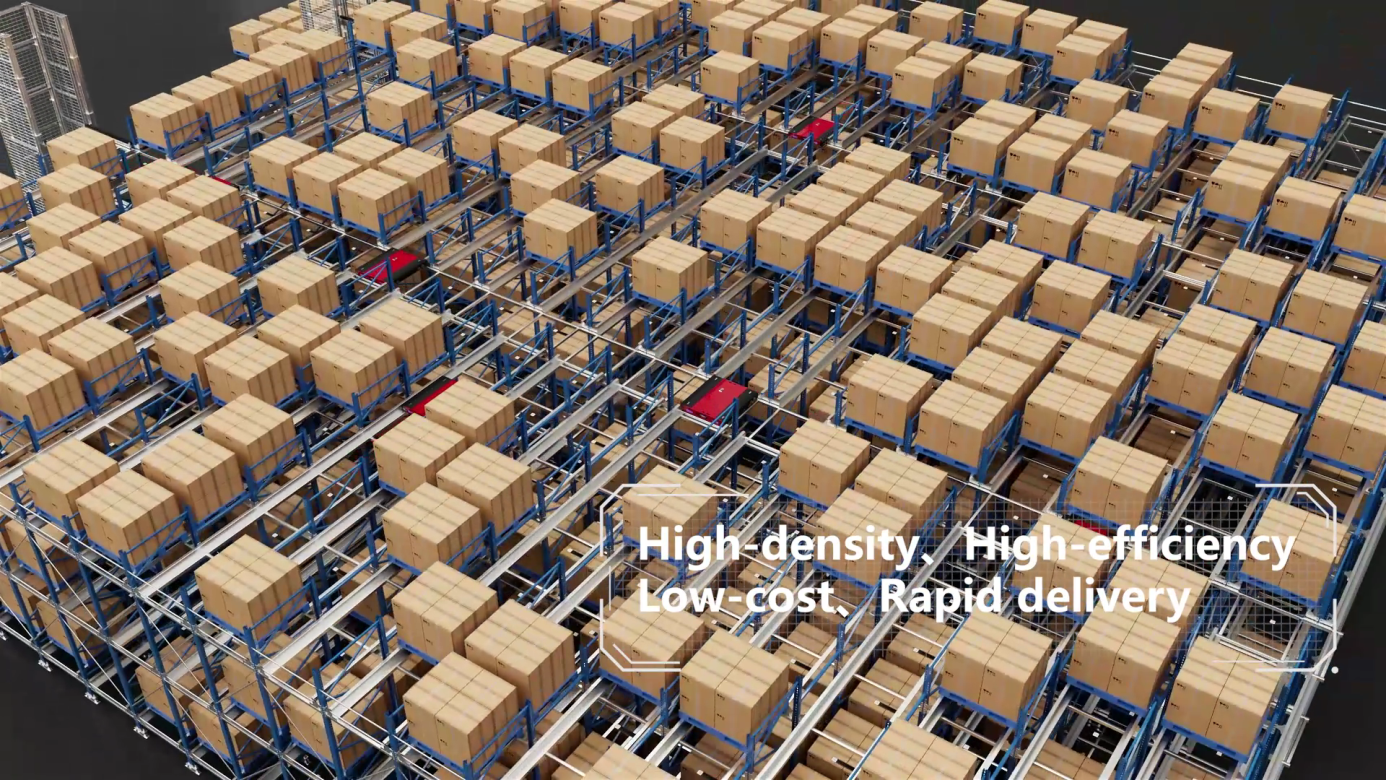
HEGERLS achieves high storage density through coordinated system design:
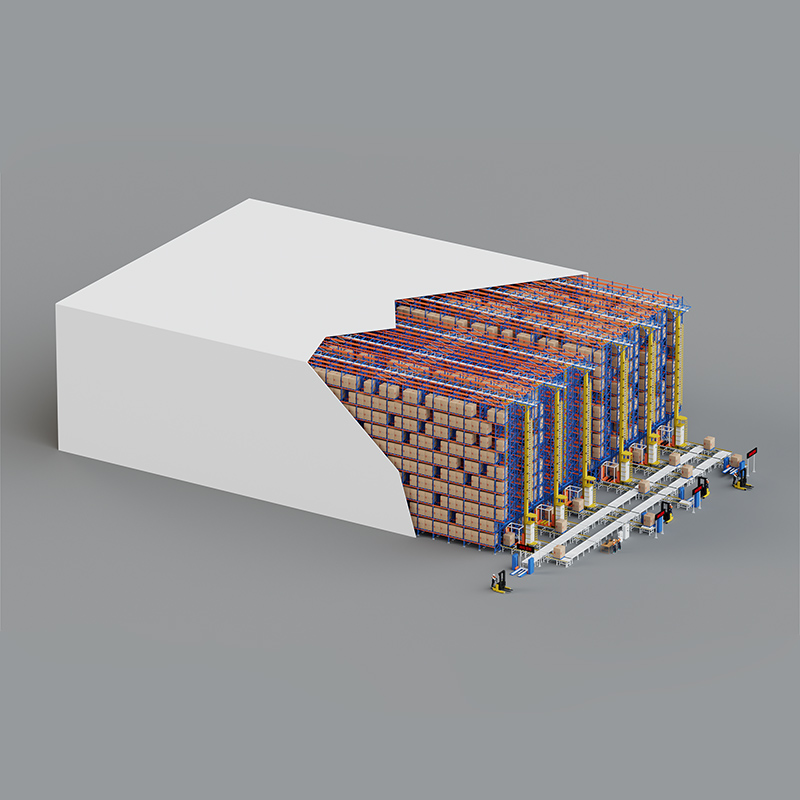
l Elimination of forklift aisles via shuttle-based storage
l Four-way shuttle movement across both X and Y axes
l Seamless integration of high-bay racking and ground-level operations
This approach maximizes cubic utilization rather than just floor space usage.
2. Multi-SKU Density Capability
Unlike deep-lane systems optimized for single-SKU storage, HEGERLS solutions support:
l High SKU variety within dense storage blocks
l FIFO and batch tracking without physical segregation
l Software-driven inventory logic instead of rigid structural separation
As a result, density is preserved even in complex fulfillment environments.
3. Density With Future Adaptability
Ultra-Dense systems are designed to evolve:
l Initial configurations prioritize operational simplicity
l Density can increase as SKU profiles stabilize
l Structural allowances enable future automation upgrades
This prevents early over-optimization and long-term inefficiency.
The Real Meaning of Ultra-Density
True density is achieved when space efficiency, accessibility, and scalability coexist.
Ultra-Dense systems remain productive at every stage of their lifecycle.
Ultra-Efficient: From Equipment Speed to System Throughput
Efficiency Is a System Property
Traditional automation focuses on individual machine speed. Intelligent warehousing focuses on end-to-end throughput stability.
HEGERLS’s Ultra-Efficient philosophy emphasizes coordinated system performance.
1. Parallel Equipment Coordination
HEGERLS systems enable:
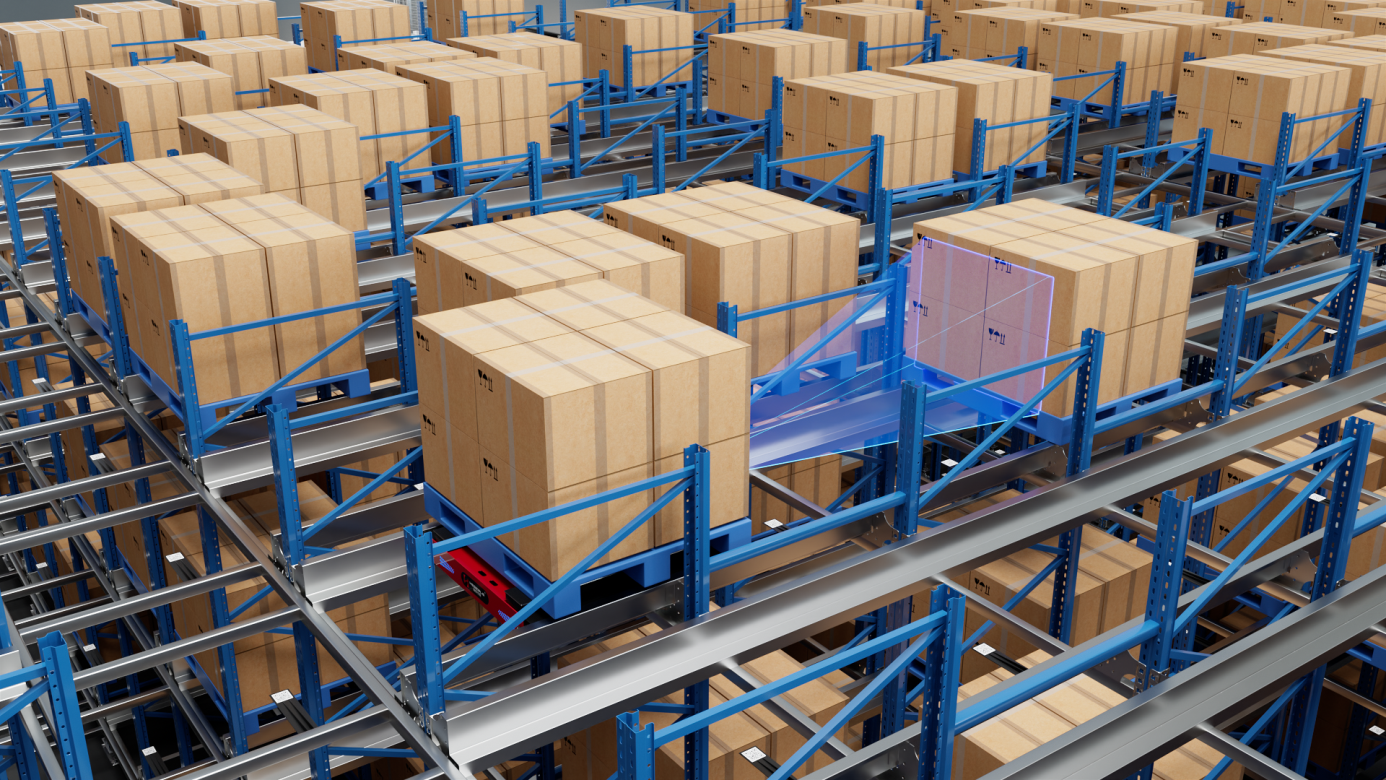
l Multi-shuttle simultaneous operation within the same storage block
l Intelligent routing, collision avoidance, and load balancing
l Linear throughput scaling during peak demand periods
Efficiency grows with system scale rather than being constrained by it.
2. Task-Level Optimization
Efficiency gains come from reducing invisible waste:
l Task consolidation and pre-positioning strategies
l Predictive replenishment and proactive inventory movement
l Reduced idle time, empty runs, and unnecessary handling
The system focuses on flow optimization, not raw motion speed.
3. Stability as a Performance Multiplier
Consistent performance delivers real efficiency:
l Fewer exceptions and manual interventions
l Predictable operational rhythm for labor and transport planning
l Long-term throughput stability without performance degradation
Efficiency is sustained over years—not just at system launch.
Ultra-Efficiency in Practice
A truly efficient warehouse is one that performs reliably under pressure, adapts to demand spikes, and maintains output without constant tuning.
Ultra-Efficient systems are designed to last.
Integrating Flexibility, Density, and Efficiency: A Unified System Logic
Many warehouse projects force trade-offs:
l Density at the expense of speed
l Flexibility at the expense of stability
l Performance at the expense of scalability
HEGERLS rejects these compromises.
By applying system engineering principles, HEGERLS integrates Ultra-Flexible, Ultra-Dense, and Ultra-Efficient capabilities into a single coherent architecture.
This integration is achieved through:
l Harmonized mechanical, electrical, and software design
l Unified control logic across equipment layers
l Deep alignment between operational strategy and physical execution
The result is a warehouse system that performs consistently—even as conditions change.
Why HEGERLS?
Proven System Engineering Expertise
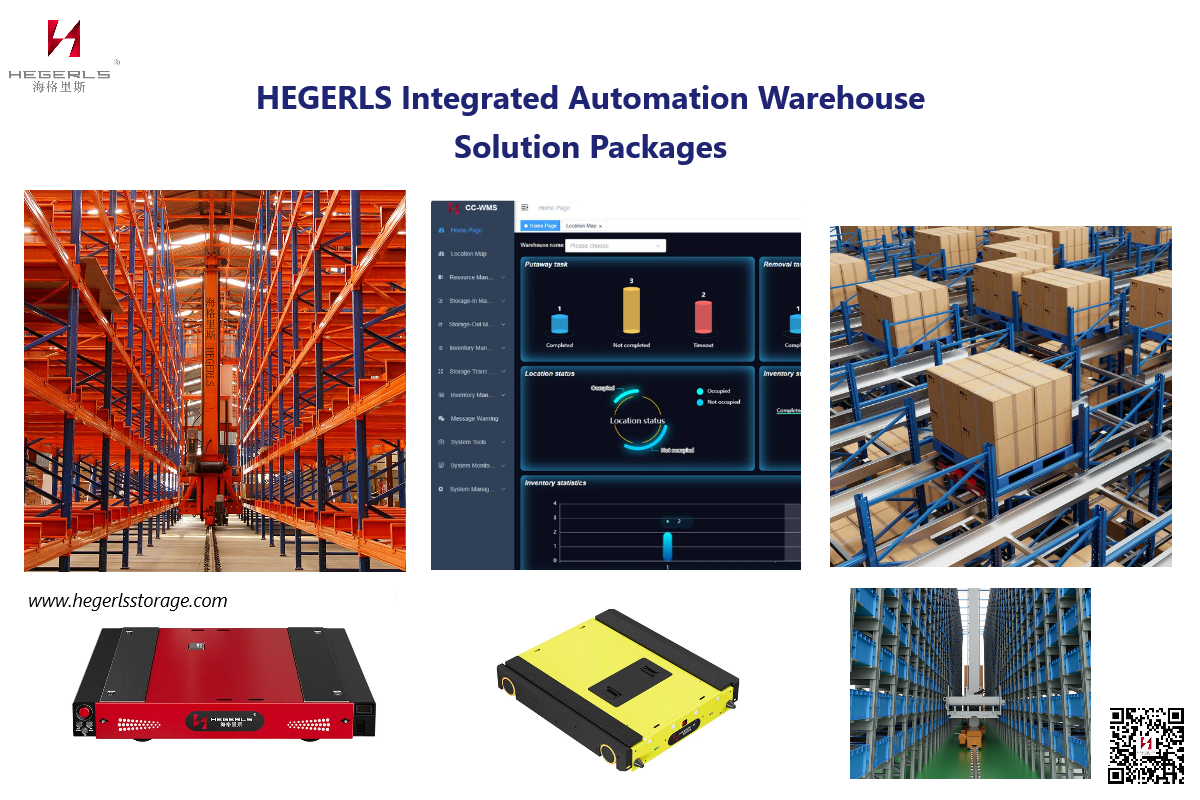
HEGERLS specializes in shuttle-based intelligent warehousing solutions, including:
l Four-way shuttle racking systems
l Two-way shuttle storage systems
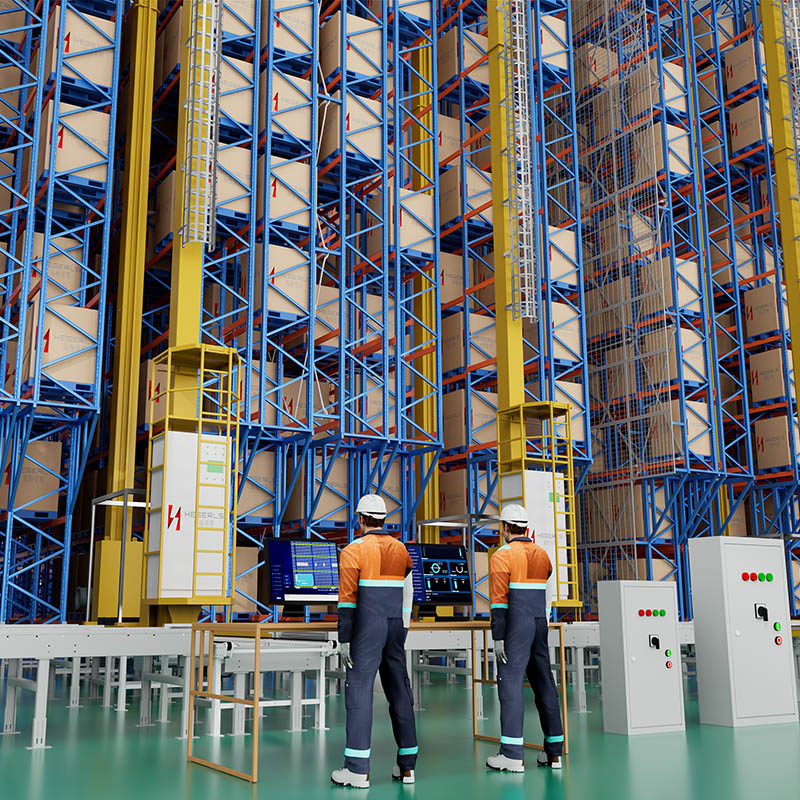
l Automated pallet racking and integrated warehouse solutions
Each system is engineered with long-term operability in mind.
Designed for Real Operations, Not Demonstrations
HEGERLS solutions are validated by:
l High SKU environments
l Mixed order profiles
l Continuous operation requirements
l Global deployment standards
Systems are built to perform in production—not just in simulations.
Scalable, Replicable, Sustainable Delivery
From initial planning to lifecycle support, HEGERLS provides:
l Repeatable system architectures
l Predictable implementation timelines
l Long-term service and optimization support
Automation becomes a strategic asset rather than a fixed constraint.
Building Warehousing Systems That Serve the Business
If your operation faces:
l Uncertain growth trajectories
l Space constraints without throughput compromise
l Concerns about automation rigidity
It may be time to rethink your system design philosophy.
HEGERLS partners with customers to develop intelligent warehousing systems that are:
l Flexible enough to evolve
l Dense enough to maximize space
l Efficient enough to sustain growth
Start Designing for the Future
The future of warehousing is not about faster machines—it is about smarter systems.
Ultra-Flexible · Ultra-Dense · Ultra-Efficient
These principles define how HEGERLS builds intelligent warehousing solutions for long-term success.
Contact HEGERLS to explore how a system engineered for flexibility, density, and efficiency can transform your warehouse operations.